- Car
- Willys-Knight
- Willys-Knight 64 (0 offers)
Willys-Knight 64 classic cars for sale
The Willys-Knight 64 is a classic American automobile with unique mechanical features and fascinating industrial history, produced by the Willys-Overland Company in Ohio. It is best known for its use of the Knight sleeve-valve engine and its place in the evolution of early 20th-century motoring.
Search results
Currently, there are no matching listings for your search.
Create search alert
Let yourself be notified as soon as a listing is published that matches your search filters.
Create listing
Do you have a Willys-Knight 64 that you want to sell? Then create a listing now.
Create listingWillys-Knight 64 listing references from Classic Trader
Below you will find listings related to your search that are no longer available on Classic Trader. Use this information to gain insight into availability, value trends, and current pricing for a "Willys-Knight 64" to make a more informed purchasing decision.
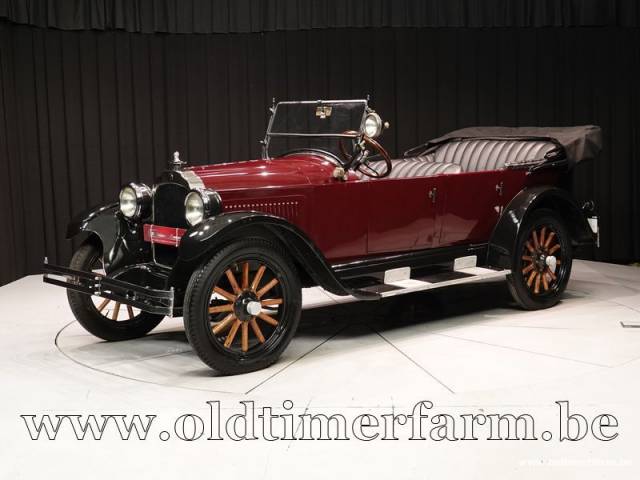
1923 | Willys-Knight 64
1923 Willys-Knight 64 Touring '23

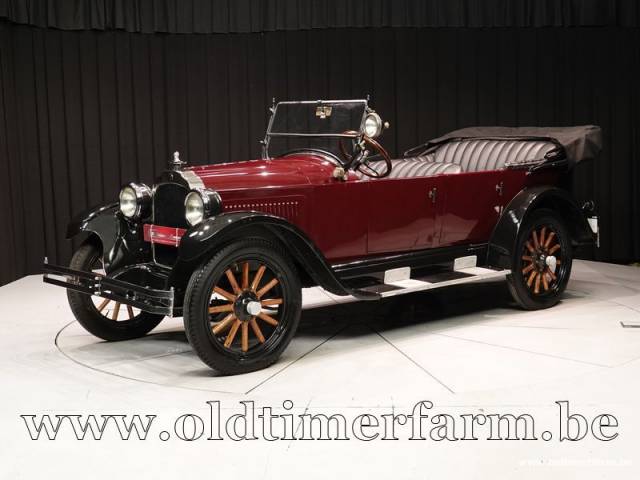
1923 | Willys-Knight 64
1923 Willys-Knight 64 Touring '23
Create search alert
Let yourself be notified as soon as a listing is published that matches your search filters.
Create listing
Do you have a Willys-Knight 64 that you want to sell? Then create a listing now.
Create listingWillys-Knight 64 Classic Cars: Prices & Market Values
History of the Willys-Knight 64
The Willys-Knight 64 comes from a storied lineage produced between 1914 and 1933 by the Willys-Overland Company of Toledo, Ohio. The roots of Willys-Knight can be traced back to John North Willys’ acquisition of the Edwards Motor Car Company in 1913, shifting production to Elyria, Ohio, in facilities previously used for Garford automobiles. This relocation was crucial for access to resources and established expertise. The Willys-Knight quickly earned attention for its innovative Knight sleeve-valve engine, which set it apart in an era dominated by overhead valve designs. The assembly of the 64 and other Willys-Knight models moved to Toledo in 1915, while engine production remained in Elyria, a testament to the technical precision required for the Knight units. The model line was part of Willys-Overland's effort to compete in the higher segments, and it benefited from developments like the introduction of a V8 sleeve-valve engine from 1917 to 1919. Despite economic turbulence and shifting market demands, Willys-Knight produced a steady output—averaging 50,000 cars annually after 1922, before concluding production in late 1932 as the company refocused on more affordable vehicles following financial challenges.
Model History of the Willys-Knight 64
The model series 64 forms a chapter within the broad Willys-Knight chronology. Earlier Willys-Knight vehicles began with four-cylinder versions at a premium price point, aiming to rival the upper echelons of the US car market. The model line expanded to six- and eight-cylinder variants through the years, always using the distinctive sleeve-valve technology. Predecessors to the 64 were simple, but robust, four-cylinder models, evolving to more complex and sophisticated constructions. Successor vehicles after the end of the Willys-Knight in 1933 include the Willys 77, which moved the brand entirely to the domain of practical and affordable motoring, leaving the luxury and specialty market to other manufacturers.
Highlights of Willys-Knight 64
The mechanical core of the Willys-Knight 64 lies in its use of the Knight sleeve-valve engine—a rarity among production cars—which provided smoother and quieter operation compared to conventional poppet valve designs. These engines proved durable and innovative but required higher manufacturing precision. The Willys-Knight 64 also benefited from Willys' strategic acquisition of Stearn-Knight, incorporating further technical sophistication into the lineup. The model competed directly with established early luxury marques, featuring advanced engineering for its time.
From our market data: the Willys-Knight 64 accounts for 100% of Willys-Knight supply and demand on Classic Trader. This series is the only Willys-Knight currently listed and researched within our platform, indicating a unique niche and focused interest among collectors.
Technical Data
Special Editions and Collectible Models
Willys-Knight production included occasional V8-engined models from 1917 to 1919, also based on the Knight sleeve-valve principle. While these were not strictly considered special editions at the time, their mechanical complexity and short production run make them especially interesting to collectors and are often specifically sought after within the Willys-Knight segment.
Weak Spots and Common Issues
Sleeve-valve engines require meticulous maintenance. Oil consumption is structurally higher than with poppet-valve engines, and improper lubrication can lead to accelerated wear of the sleeves and cylinder walls. Finding replacement parts for the sleeve-valve drive and specialized pistons can be a challenge, particularly for early four-cylinder versions. Periodic inspection of the valve sleeves for sticking or scoring is mandatory for longevity. As with many pre-war vehicles, corrosion on the chassis and bodywork is common and demands careful attention.
Engine and Performance, Transmission and Handling
The Willys-Knight 64 was engineered for smoothness and silent running above outright power delivery. The Knight sleeve-valve engine, available in four- and six-cylinder forms, developed steady torque across a broad rev range. The driving experience prioritised refinement: gear changes via a conventional manual transmission were supported by the engine’s flexible power output. Handling was more comfortable than sporty, with a chassis tuned for durable long-distance cruising typical of American roads in the 1920s and 1930s. Braking and steering, while reliable, reflected the technological standards of the era and require anticipatory driving today. Highlights include the rare V8 models (1917–1919), six-cylinder versions for their improved refinement, and later four-cylinder cars for their mechanical reliability and simplicity.
Interior, Comfort, Exterior and Design
Willys-Knight 64 vehicles featured period-correct, upright bodywork with prominent grilles and fenders, crafted primarily in steel with wood accents common for the time. Early models showcased open touring car and closed sedan configurations. Interiors combined durable leathers and premium fabrics, with dashboard layouts focused on tactile controls. Special attention was paid to sound insulation, taking advantage of the engine's quiet operation. Accessories from the era could include rear luggage racks, nickel-plated trim, and decorative wooden or cast-metal steering wheels. Colour options typically adhered to sober tones, but coachbuilt versions occasionally carried unique hues and bespoke upholstery upon customer request.
Other features
Willys-Knight’s collaborative production history means some 64 vehicles may share components or design cues with Stearn-Knight or predecessor Garford models, resulting in slight variations depending on year and location of assembly. Engine serial numbers and chassis markings can help enthusiasts determine the exact origin and production batch.
Summary
The Willys-Knight 64 encapsulates a distinctive chapter of American automotive engineering. Its unique Knight sleeve-valve engine and solid construction appeal directly to collectors keen on rare and technical vehicles. While maintenance presents challenges due to the special engine design and parts scarcity, dedicated owners will find the quiet running, robust mechanics, and rich history of the Willys-Knight 64 to be deeply satisfying.