TVR Grantura Classic Cars for Sale
The TVR Grantura represents one of the pioneering British sports cars of the late 1950s and 1960s—a lightweight, nimble vehicle often fitted with distinctive mechanical upgrades. Whether for historic competition or spirited road use, Grantura models are renowned for their direct driving feel and suitability for motorsport enthusiasts.
Search results
Currently, there are no matching listings for your search.
Create search alert
Let yourself be notified as soon as a listing is published that matches your search filters.
Create listing
Do you have a TVR Grantura that you want to sell? Then create a listing now.
Create listingTVR Grantura listing references from Classic Trader
Below you will find listings related to your search that are no longer available on Classic Trader. Use this information to gain insight into availability, value trends, and current pricing for a "TVR Grantura" to make a more informed purchasing decision.
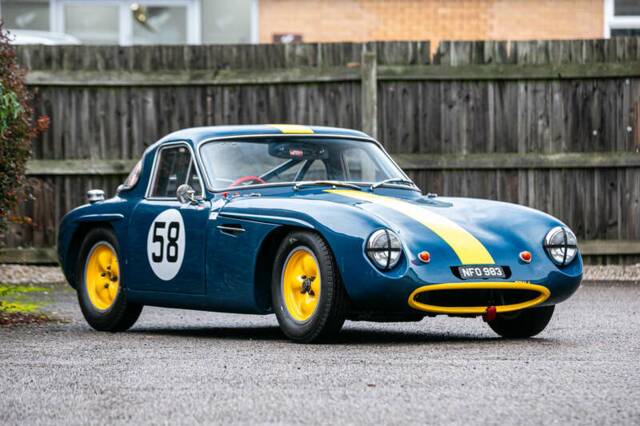
1960 | TVR Grantura
1960 TVR Grantura Mk II Ex-Works Lightweight FIA HTP

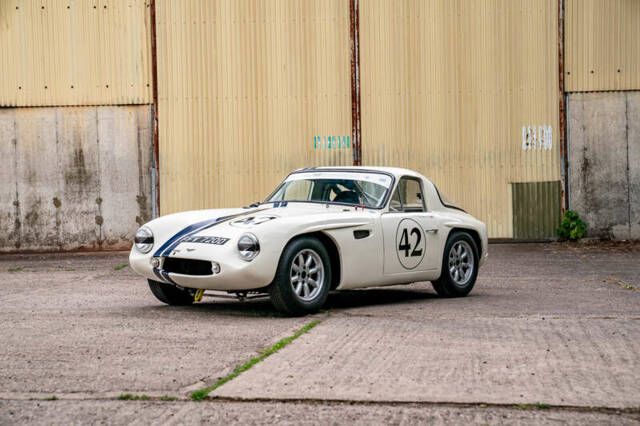
1966 | TVR Grantura 1800 S
1966 TVR Grantura Mk III 1800S
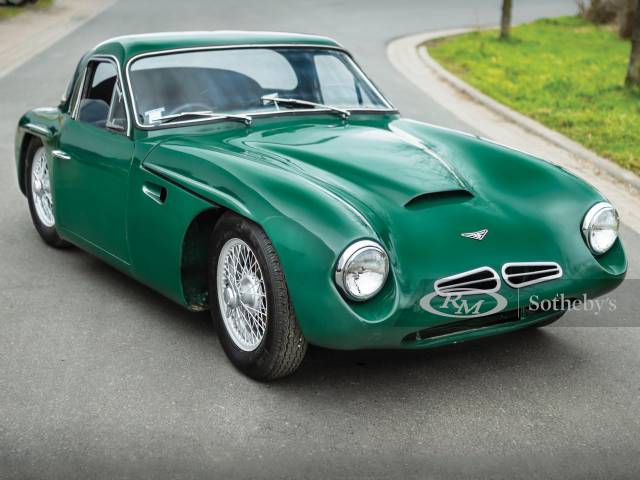
1961 | TVR Grantura
Online Only: The European Sale featuring the Petitjean Collection
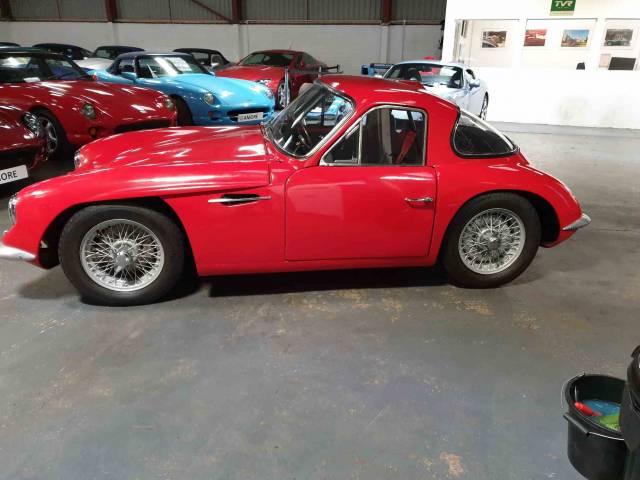
1959 | TVR Grantura
TVR Grantura MK1 Factory built in 1959
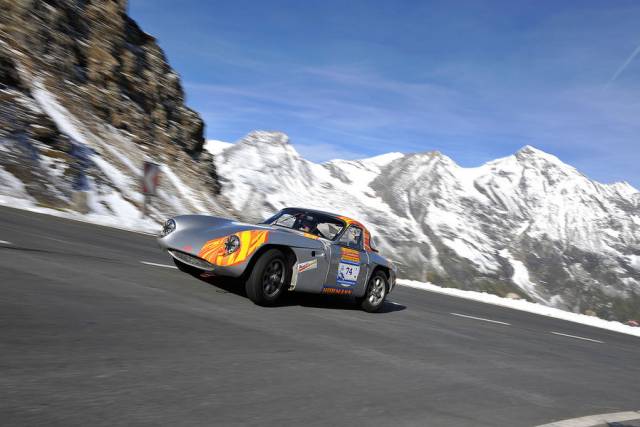
1960 | TVR Grantura
Rennfahrzeug/Rennauto/GTS

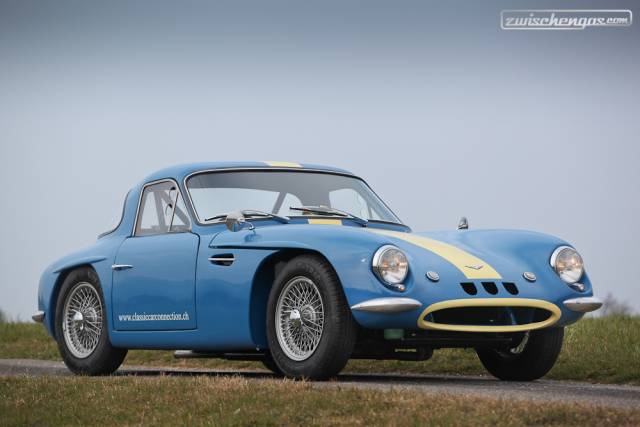
1960 | TVR Grantura
Ohne Rücksicht auf Kosten Nuts-and-Bolt restauriert, FIA HTP

Create search alert
Let yourself be notified as soon as a listing is published that matches your search filters.
Create listing
Do you have a TVR Grantura that you want to sell? Then create a listing now.
Create listingTVR Grantura Classic Cars: Prices & Market Values
History of the TVR Grantura
TVR launched the Grantura in 1958 as its very first production model, marking the beginning of the Blackpool company's long tradition of building lightweight, performance-oriented sports cars. Over nearly a decade, the Grantura evolved through several iterations—from the original Mark I to the final Mark IV and 1800S, ending production in September 1967. Each stage brought mechanical and design improvements, embodying a philosophy of customisable, driver-focused cars. Early models introduced the use of tubular backbone chassis and fibreglass bodies, a configuration that set TVR apart from mainstream manufacturers.
Model Series Evolution
The Grantura series is divided into distinct marks: Mk I, Mk II, Mk IIA, Mk III, Mk IV, and the 1800S variant. The Mark I pioneered TVR’s backbone chassis with a variety of engines, while Mk II and Mk IIA offered refinements such as improved suspension geometry and component upgrades. Mk III and Mk IV continued this evolution, with the latter targeting further chassis rigidity and ride improvements. The wide variety of engines, including the popular MGA 1588cc units with possibilities for HRG crossflow heads, illustrates the flexible and bespoke nature of Grantura production. The successor to the Grantura series is the TVR Vixen, which built upon many of these foundation concepts.
Highlights and Special Features of the Grantura
The Grantura is well suited for entry into historic motorsport. Many examples are FIA certified (Period E/GTS 5), enabling participation in classic race events like the Oldtimer Grand Prix Nürburgring, Jim Clark Revival Hockenheimring, and historic hill climbs such as Rechberg and Großglockner. Typical technical enhancements include close-ratio gearboxes, Weber dual carburettors, and HRG crossflow heads. Wire wheels and Wiechers roll cages—sometimes with extra reinforcement—are common in racing-prepared cars. Many vehicles come with an array of spare and accessory parts, reflecting the owner-enthusiast culture surrounding the model.
Technical Data
Special Editions and Collectible Models
The 1800S is considered a notable version due to its performance enhancements over previous models. Cars equipped with FIA Historic Vehicle passports or those prepared for major classic motorsport events such as the Historic-Berg-Europameisterschaft stand out within the Grantura lineage. Such variants often feature comprehensive upgrades and certification unique to their motorsport pedigree.
Weak Spots and Common Issues
Regular engine rebuilds are typical, with refreshed cylinder heads, pistons, connecting rods, and camshafts. Cars often rely on diligent owner maintenance rather than specialist garages. Key points to inspect include the integrity of the backbone chassis, overall body condition, especially the fibreglass, and wear on critical suspension and drivetrain components due to motorsport use. Fuel system reliability often comes from upgraded Pierburg pumps, yet regular attention is necessary. Due to the competition history of these cars, check for structural fatigue, particularly around roll cage mounts and reinforced areas.
Engine, Transmission & Handling
The TVR Grantura offers a highly tactile driving experience, emphasised by its light weight, communicative chassis, and responsive engine options. Original motors range from modest four-cylinders (frequently the MGA 1588cc with HRG crossflow heads and Weber carburettors) to occasional Coventry Climax or Ford engines in later models. Close-ratio manual gearboxes and a well-tuned suspension contribute to the car's agility and responsiveness, especially in motorsport or hill climb settings.
Popular Models:
- Grantura Mk I: Favoured for historic racing, often featuring dual Weber carburettors and wire wheels.
- Grantura Mk IIA: Noted for improved suspension and increased demand among enthusiasts.
- 1800S: Enhanced engine performance, suitable for both competition and spirited road use. undefined
Design – Interior, Comfort, Exterior
Granturas feature hand-laid fibreglass bodies—a rarity at the time—on backbone steel frames. The interior is stripped and purposeful, prioritising weight reduction for motorsport. Variants prepared for racing typically include Wiechers roll cages, additional cross-bracing, and simple sports seats. Externally, the models showcase classic 1960s British sports car lines, often seen with period-correct pastel or race-inspired colours and sometimes supplied with original wire wheels. The dashboard layout is simple, with large-dial instrumentation and minimal luxury features, reflecting the car’s driver-centric focus. Accessories often include sets of spare wheels, period-correct badges, or historic event stickers, underlining their motorsport use.
Other Noteworthy Aspects
Many Grantura owners actively participate in the maintenance and preparation of their vehicles, with a strong DIY culture enabling direct involvement in race prep and servicing. It’s common for cars to be supplied with a selection of spare parts and documentation, highlighting the model’s adaptability for competition or regular historic events.
Summary
The TVR Grantura is the origin point for many of TVR's defining characteristics: lightweight construction, innovation in chassis and engine use, and a deep connection with motorsport. The variety within the Grantura range, from the Mk I through to the 1800S, offers options for both pure road use and historic racing participation. The strong market interest in early series Granturas is reflected in current supply and demand, with a notable share focused on Mk I models, making them a cornerstone entry in the world of British classic sports cars.