Turner Sports classic cars for sale
The Turner Sports offers a rare glimpse into British sports car engineering from the 1950s and 1960s. With its lightweight chassis and agile driving dynamics, the Turner Sports continues to appeal to enthusiasts seeking a pure and mechanical open-top classic driving experience. For those interested in a genuine driver’s machine and Britain’s cottage industry heritage, the Turner Sports series presents distinctive opportunities.
Resultados de la búsqueda
Actualmente no hay anuncios que coincidan con su búsqueda.
Create search alert
Let yourself be notified as soon as a listing is published that matches your search filters.
Create listing
Do you have a Turner Sports that you want to sell? Then create a listing now.
Create listingTurner Sports listing references from Classic Trader
Below you will find listings related to your search that are no longer available on Classic Trader. Use this information to gain insight into availability, value trends, and current pricing for a "Turner Sports" to make a more informed purchasing decision.
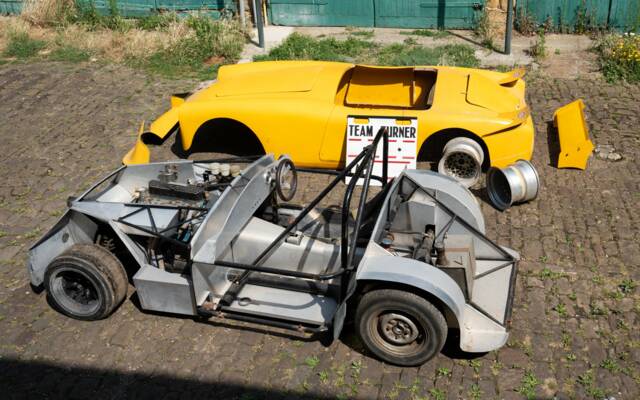
1960 | Turner Sports Mk II
Rare - Project - Many Parts/Spares
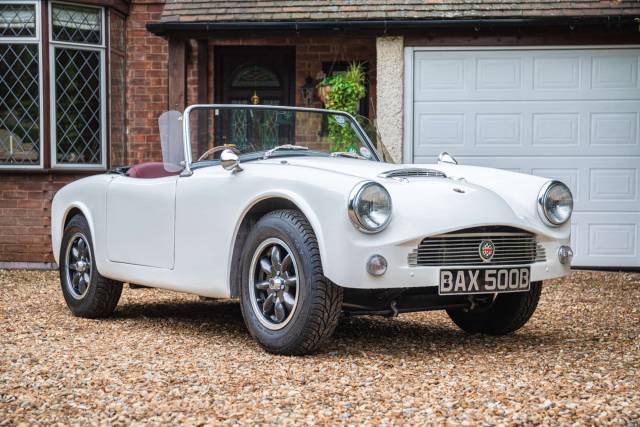
1964 | Turner Sports Mk III
1964 Turner Ford 1600 Sports Mk3
Create search alert
Let yourself be notified as soon as a listing is published that matches your search filters.
Create listing
Do you have a Turner Sports that you want to sell? Then create a listing now.
Create listingTurner Sports Classic Cars: Prices & Market Values
Introduction and history of Turner Sports
Turner Sports cars emerged from Wolverhampton in the 1950s and 1960s as the vision of Jack Turner, who created compact, agile sports cars optimised for enthusiast drivers and club racing. Leveraging the lightweight construction and simplicity typical of British specials of the era, Turner models became known for spirited handling and mechanical reliability. Frequently constructed as kit cars or ready-assembled, Turner Sports competed with contemporary British roadsters, forging a distinctive reputation in grassroots motorsport and amongst dedicated driving enthusiasts.
Model history
The Turner Sports series evolved over several iterations, each improving performance and practicality. The Mark II—representing two-thirds of listings—carried forward the tradition set by its predecessors, while the Mark III introduced refinements and modernisations to chassis, bodywork, and drivetrains before production ceased as small British manufacturers struggled to compete with larger marques. Both variants remain clearly distinguishable, reflecting Turner’s incremental advancement and adaptation to customer demands during the car’s limited production run.
Highlights of Turner Sports
What makes the Turner Sports stand out is its minimalist construction focused on driver engagement. The car’s low kerb weight, direct steering, and compact proportions deliver an uncanny sense of connection between driver and road. The chassis balances mechanical simplicity with racing pedigree, allowing for considerable tuning and personalisation. The majority of Turner Sports available today are Mark II models (66.7% of supply), while Mark III constitutes the rest (33.3%). In terms of demand, the Mark II captures nearly all attention (98.6% of listing views), with the Mark III significantly trailing (1.4%), proving the enduring appeal of the earlier, purer specification.
Technical data
Special Editions and Collectible Models
Some Turner Sports cars were prepared specifically for competition use, often featuring uprated engines, tuned suspensions, and distinctive liveries. Individual cars with period racing provenance or factory modifications are particularly coveted within Turner collector circles, standing out due to their authenticity and motorsport credentials.
Engine and Performance, Transmission and Handling
Performance is defined by minimal mass and straightforward mechanicals. Typical engines such as Ford Kent or Austin A-series units deliver lively acceleration thanks to the car’s sub-600 kg weight. The manual gearboxes are direct, while the steering is unusually communicative for the period. Handling leans towards the agile, aided by a short wheelbase and independent front suspension, which ensures the Turner rewards an experienced hand and is right at home on twisty backroads. The Mark II is the standout model, both for supply and demand, reflecting its balance of analog driving feel and mechanical durability.
Interior, comfort, exterior and design
Turner Sports feature a purposeful, minimalist cockpit with lightweight bucket seats, a sparse dash, and authentically period-correct switchgear and gauges. Exterior design is marked by compact dimensions, rounded nose, and free-flowing lines evoking the best of postwar British sports car aesthetics. Interiors rarely feature luxury equipment; the focus is always on reducing mass and maximising feedback. Exteriors can show a range of colours, often with personal touches or unique racing stripes, while original wheels and badges distinguish genuine Turner vehicles from replicas. Optional accessories were typically minimal, but competition models might include roll bars or auxiliary lighting.
Summary
The Turner Sports represents one of British motoring’s purest expressions of the lightweight sports car, offering uncommon agility, directness, and an individual history. With demand overwhelmingly focused on the Mark II, these cars continue to attract true enthusiasts looking for a mechanical and visceral classic experience.