Sylva Fury classic cars for sale
The Sylva Fury stands for pure driving passion and British kit car ingenuity from the 1980s. Built by enthusiasts, each model has its own story and technical individuality, making it an attractive option for motorists looking for a lightweight, road-focused sports car.
Zoekresultaten
Op dit moment zijn er geen overeenkomende advertenties voor uw zoekopdracht.
Create search alert
Let yourself be notified as soon as a listing is published that matches your search filters.
Create listing
Do you have a Sylva Fury that you want to sell? Then create a listing now.
Create listingSylva Fury listing references from Classic Trader
Below you will find listings related to your search that are no longer available on Classic Trader. Use this information to gain insight into availability, value trends, and current pricing for a "Sylva Fury" to make a more informed purchasing decision.
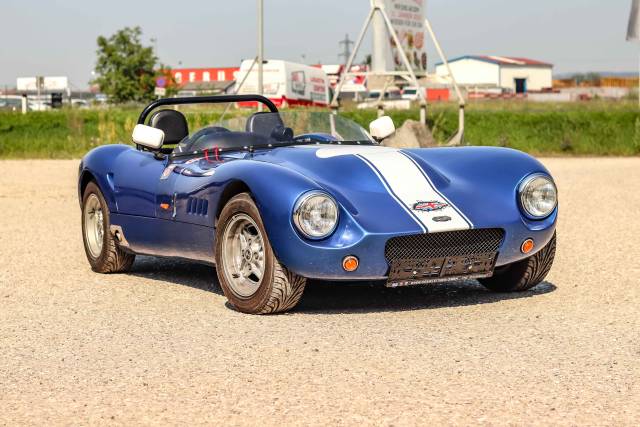
1994 | Sylva Fury
Create search alert
Let yourself be notified as soon as a listing is published that matches your search filters.
Create listing
Do you have a Sylva Fury that you want to sell? Then create a listing now.
Create listingSylva Fury Classic Cars: Prices & Market Values
History of the Sylva Fury
The Sylva Fury, created in the 1980s by the innovative British kit car manufacturer Sylva Autokits, reflects a movement towards lightweight, high-performance vehicles that could be assembled by skilled enthusiasts in their own garages. Founded in 1981 by Jeremy Phillips in Lincolnshire, Sylva quickly gained a reputation for clever engineering. The Fury, sometimes referred to as the Fisher Fury, entered the scene as a natural development of previous Sylva models and soon made a name for itself in motorsport, securing several 750 Motor Club Kit Car championships and cementing its status as a true driver's car.
Model History of the Sylva Fury
The Sylva Fury draws from a history of previous Sylva models designed for agility and performance at a reasonable cost. There is no single 'predecessor' but rather a philosophy of lightweight sports motoring continuously refined by Jeremy Phillips. After its initial launch in 1984, the model evolved under different names and production sites, sometimes manufactured or assembled with influences from Austria. The model's longevity and continued presence in the kit car community are testament to its enduring appeal.
Highlights of the Sylva Fury
The most distinctive features of the Sylva Fury are its featherweight construction, minimalist approach, and adaptability. Each vehicle is unique, frequently built by enthusiasts with a keen attention to technical originality—some even still carry 'matching numbers' for body and chassis. The Fury is road legal, often eligible for a historic ('H') registration in Germany, and some versions allow limited seasonal use, such as 180 days per year, appealing to passionate drivers who use the car both on road and track.
Technical Data of the Sylva Fury
Special Editions and Collectible Models
Occasionally the Fury is referred to as the 'Fisher Fury' in certain markets and literature. Vehicles with full originality – sometimes denoted as 'matching numbers' – are especially prized among purists of the Sylva scene. No mass-production special editions have been documented, true to the model’s bespoke kit car nature.
Weak Spots and Common Issues
As with most kit cars, the quality of assembly can vary significantly between individual Sylva Furies. Potential buyers should check the originality and the quality of the build, especially with respect to chassis alignment, suspension setup, and wiring. Given their kit car status, documentation and provenance are essential for fully understanding each vehicle’s mechanical health and historic value.
Engine and Performance, Transmission and Handling
The Sylva Fury is famed for its direct steering, nimble chassis dynamics, and lively four-cylinder engines—making it a favourite for club racing and spirited road drives. Its low weight, often under 600 kg, delivers impressive acceleration and cornering capability uncommon in regular production sports cars. Power outputs depend on the donor engine, typically ranging from around 100 to 180 bhp. Notable examples are those completed with careful attention to period-correct specification, or those equipped with historically relevant Ford twin-cam engines, both of which are appreciated in enthusiast circles for their balance of performance and authenticity.
Interior, Comfort, Exterior and Design
The Fury’s design is a classic low-slung British roadster, with flared wheel arches, a minimalist cockpit, and a focus on functionality over luxury. Cabin space is limited but purposefully designed to enhance connection with the driving experience. Many cars feature custom interiors, including unique instruments and materials selected by their builders. Period accessory options often include bespoke steering wheels, racing seats, and detachable windshields.
Other Notable Features
Seasonal usage regulations (such as 180-day registrations) can be relevant for some regions, and the necessity of maintaining a logbook for road use is something unique to kit cars like the Fury. Cars with a historic registration ('H-Kennzeichen') in Germany enjoy certain legal and tax benefits.
Summary of the Sylva Fury
The Sylva Fury stands out as a British-built, enthusiast-assembled lightweight sports car dating back to 1984. Its individual build history, agility, and performance orientation ensure it holds a special place in the classic car world, especially with 100% of current Sylva market activity focused on this model. For those seeking raw driving pleasure and a hands-on connection to the car’s history and engineering, the Fury delivers a unique proposition among classic kit sports cars.