Steyr 220 classic cars for sale
The Steyr 220 stands as the pinnacle of pre-war Austrian automotive engineering, combining advanced technology of its era with a distinctive streamlined design by Karl Jenschke. Produced between 1937 and 1941, the 220 today appeals to enthusiasts seeking true Central European craftsmanship with a unique body built by Gläser-Karosserie. Discover available Steyr 220 models now.
Suchergebnisse
Zur Zeit sind keine passenden Inserate zu Ihrer Suche veröffentlicht.
Create search alert
Let yourself be notified as soon as a listing is published that matches your search filters.
Create listing
Do you have a Steyr 220 that you want to sell? Then create a listing now.
Create listingSteyr 220 listing references from Classic Trader
Below you will find listings related to your search that are no longer available on Classic Trader. Use this information to gain insight into availability, value trends, and current pricing for a "Steyr 220" to make a more informed purchasing decision.
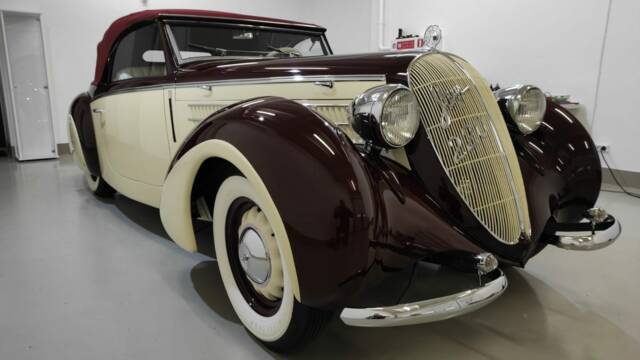
1939 | Steyr 220 "Gläser"
Voll restauriert und fahrbereit
Create search alert
Let yourself be notified as soon as a listing is published that matches your search filters.
Create listing
Do you have a Steyr 220 that you want to sell? Then create a listing now.
Create listingSteyr 220 Classic Cars: Prices & Market Values
History of the Steyr 220
Steyr-Daimler-Puch launched the Steyr 220 in 1937 as the most advanced model in their mid-size range, following the earlier Steyr 120 and 125 Super. Headed by technical director Karl Jenschke, the design philosophy was focused on producing a streamlined vehicle that reflected the aerodynamic ambitions of the interwar period. The entire bodywork was produced by Gläser-Karosserie GmbH in Dresden, which gave the 220 its characteristic silhouette, closely linked to the Steyr 100, but larger and more refined. Production continued until 1941, with the Steyr 220 serving as a flagship model for the brand just before World War II interrupted civilian automobile manufacturing in Austria.
Model Range and Development
The Steyr 220 followed the Steyr 120 Super and 125 Super, both of which established the brand’s reputation for innovation and robust engineering in the 1930s. Compared to its predecessors, the 220 offered increased power and more elegant bodywork. As civilian automotive production in Austria largely ceased around 1941, the 220 represents the culmination of Steyr’s pre-war design philosophy. There are no direct successors under the same model series name, as the company shifted its focus during World War II.
Highlights and Unique Features
The Steyr 220 distinguishes itself through its streamlined body shape, a rarity for its time, created by Karl Jenschke and fabricated by Gläser-Karosserie. The engineering highlights include advanced suspension technology for its class and high-quality interior fittings. The resemblance to the smaller Steyr 100 is evident, yet the 220 was aimed at those who wanted a bigger and more luxurious car. Distinctive body lines and the exclusive use of renowned suppliers such as Gläser set this model apart.
Technical Data
Special Editions and Collectible Models
There are no reported factory special editions of the Steyr 220; however, variations in body style created by Gläser-Karosserie (such as convertibles or cabriolets) are of particular interest. These versions stand out due to their very limited production numbers, unique details, and superior craftsmanship, often making them more attractive to marque specialists and collectors of coachbuilt vehicles.
Engine and Performance, Transmission and Handling
The Steyr 220 offered performance that was regarded as advanced among mid-sized European cars of the late 1930s. Built with an inline-six engine, competent manual gearbox, and a focus on ride comfort, it provided a balance of dynamic handling and smooth touring ability. Its chassis and suspension were designed with both the continental road conditions and moderate speeds in mind, ensuring reliability and long-distance comfort. The most notable variant is the Gläser-bodied saloon, prized for its combination of technical achievement and tailored aesthetics. Convertible and cabriolet versions, when available, are especially sought-after for their rarity and the distinction of their body design.
Interior, Comfort, Exterior and Design
With input from Karl Jenschke, the Steyr 220’s design language was rooted in streamlining, with flowing fenders and a gently sloped roofline. Interior appointments typically featured fine materials, wood accents, and ergonomic instrumentation. Gläser-Karosserie’s execution introduced meticulously fitted panels, bespoke paint options, and accessory possibilities including period-correct radios, clocks, and various comfort enhancements.
Other Noteworthy Features
The Steyr 220’s body construction methods reflected pre-war coachbuilding artistry, with some vehicles still showing the distinctive Gläser—Dresden coachbuilder badge. Optional factory features and customer-specified additions—depending on the car’s provenance—can include enhanced upholstery fabrics, luggage racks, and additional instrumentation gauges, further individualising each example.
Summary
The Steyr 220 remains one of Austria’s most significant pre-war automobiles, uniting sophisticated engineering, streamlined design, and coachbuilt craftsmanship. With 100% of Steyr classics in the market today represented by the 220, this model retains a unique status among collectors of historic Central European vehicles.