Skoda 100 classic cars for sale
The Škoda 100, produced between 1969 and 1977 by AZNP, stands as a prime example of Eastern European engineering: a rear-engined, rear-wheel drive compact with production numbers surpassing one million units. Featuring a choice between 1.0 and 1.1 litre engines and known for its distinctive design lineage, the Škoda 100 is a model that reflects the practical automotive history of its era.
Suchergebnisse
Zur Zeit sind keine passenden Inserate zu Ihrer Suche veröffentlicht.
Create search alert
Let yourself be notified as soon as a listing is published that matches your search filters.
Create listing
Do you have a Skoda 100 that you want to sell? Then create a listing now.
Create listingSkoda 100 listing references from Classic Trader
Below you will find listings related to your search that are no longer available on Classic Trader. Use this information to gain insight into availability, value trends, and current pricing for a "Skoda 100" to make a more informed purchasing decision.
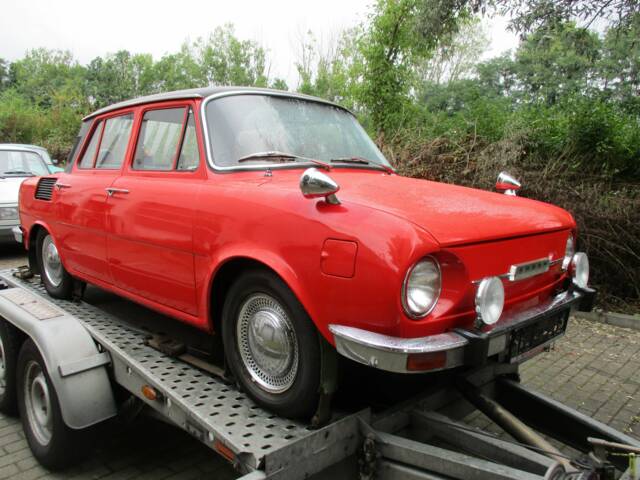
1971 | Skoda 100
Skoda S 100 , Nachfolger MB 1000

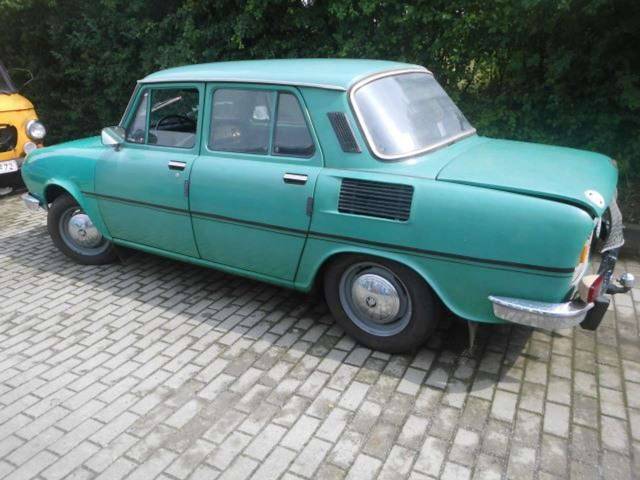
1970 | Skoda 100
Skoda S 100
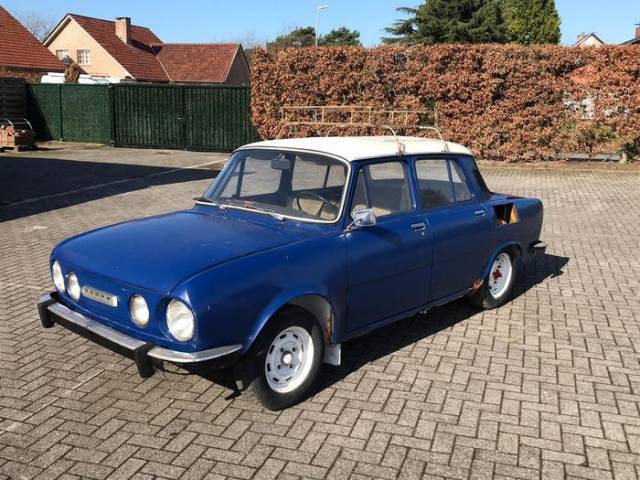
1976 | Skoda 100

Create search alert
Let yourself be notified as soon as a listing is published that matches your search filters.
Create listing
Do you have a Skoda 100 that you want to sell? Then create a listing now.
Create listingSkoda 100 Classic Cars: Prices & Market Values
History of the Škoda 100
Manufactured in Mladá Boleslav by AZNP, the Škoda 100 replaced the Škoda 1000 MB and carried on production until 1977. Its introduction marked a shift in Czechoslovak automotive development, as the brand transitioned from the early MB range to a more modern design, both in structure and appeal. The model’s popularity in Eastern Europe stemmed both from its accessibility and the robustness of its engineering, leading to a production figure exceeding one million cars—a milestone for Škoda at the time.
Model History
The Škoda 100 succeeded the 1000 MB and 1100 MB series and was joined in production by the slightly more powerful 110 version. Various model derivations emerged from this foundation, most notably the 110 R coupé between 1970 and 1980, which echoed contemporary Porsche styling cues. Sport and rally variations, such as the 120 S and 130 RS, were produced in limited numbers and served as competitive entries in motorsport.
Highlights of the Škoda 100
A defining feature of the Škoda 100 was its rear-mounted engine and rear-wheel drive layout, a technical arrangement still rare in the segment at the time. The practical output of the 1.0 and later 1.1 litre engines prioritised efficiency and reliability over outright performance. Its design, while understated, charted a clear evolution from its predecessor. The 100/110 series became the first Škoda to crest the million-unit production mark, highlighting both its intrinsic value and the market’s demand.
Technical Data
Special Editions and Collectible Models
The sport-oriented 120 S and 130 RS variants, though based on the same platform, were produced in limited numbers for motorsport. The 110 R coupé is considered notable for its styling, more aggressive than the standard 100, and its role as a homologation special for Škoda’s rallying efforts.
Weak Spots and Common Issues
No documented weak spots or chronic issues have been provided for the Škoda 100. As with many classic Eastern European cars, regular checks for body rust, particularly around structural points, and attention to cooling and electrical systems are recommended based on period construction practices.
Engine and Performance, Transmission and Handling
The standard 1.0 and 1.1 litre engines delivered accessible, reliable propulsion appropriate to the car's modest curb weight. The rear-engine, rear-wheel drive configuration gave the Škoda 100 a distinct handling character, with a slight rear bias affecting traction and cornering dynamics. Transmission was manual, with a straightforward four-speed offering period-typical shift quality. Of particular interest is the Škoda 110 R coupé, blending the practicality of the 100’s mechanical systems with sportier bodywork and a more dynamic driving experience, making it a highlight for many enthusiasts.
Interior, Comfort, Exterior and Design
The Škoda 100 retained a simple, functional design ethos throughout its interior and exterior. Dashboard layouts were uncluttered and easy to maintain, reflecting the car’s position in the compact class. The exterior advanced upon its predecessor with cleaner lines and more contemporary styling cues. Special options and accessories were modest, though the 110 R coupé offered sport seats and minor trim upgrades, underlining its position as a halo model within the range.
Other Interesting Aspects
The 100/110 series played a pivotal role in giving Škoda a broader footprint across European and select international markets, offering a gateway to motoring for thousands in Czechoslovakia and beyond during the production period.
Summary
The Škoda 100 remains a tangible piece of Czechoslovak automotive heritage, notable for its practical engineering and unique rear-engined layout. Strong production numbers and enthusiast derivatives such as the 110 R coupé and 130 RS ensure this model retains recognition in classic car circles today.