Shadow DN1 classic cars for sale
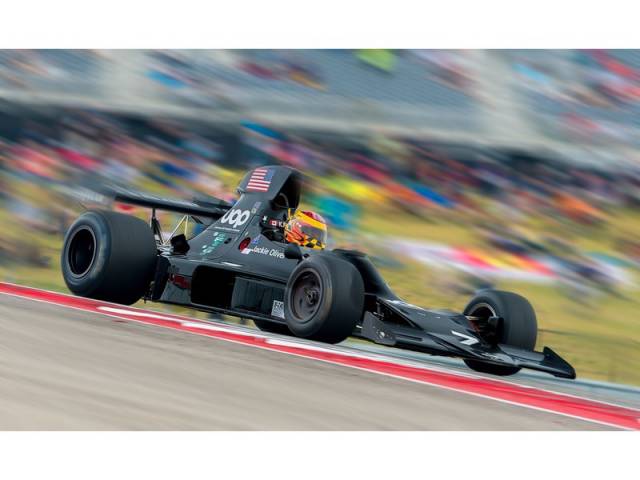
The Shadow DN1 signified Shadow's bold entry into Formula One racing, debuting in 1973 with design by Tony Southgate and participation from names like Graham Hill's Embassy Hill team. This car transitioned Shadow from CanAm racing to single-seater F1 competition, capturing attention for its technical and historic significance.
Search results
Currently, there are no matching listings for your search.
Create search alert
Let yourself be notified as soon as a listing is published that matches your search filters.
Create listing
Do you have a Shadow DN1 that you want to sell? Then create a listing now.
Create listingShadow DN1 listing references from Classic Trader
Below you will find listings related to your search that are no longer available on Classic Trader. Use this information to gain insight into availability, value trends, and current pricing for a "Shadow DN1" to make a more informed purchasing decision.
1973 | Shadow DN1
Shadow DN1

Create search alert
Let yourself be notified as soon as a listing is published that matches your search filters.
Create listing
Do you have a Shadow DN1 that you want to sell? Then create a listing now.
Create listingShadow DN1 Classic Cars: Prices & Market Values
History of the Shadow DN1
The Shadow DN1 marks a crucial chapter in Shadow Racing Cars' development, serving as the team’s first attempt at Formula One after making a reputation in the CanAm sportscar scene. Designed by Tony Southgate, formerly of BRM, the DN1 prepared Shadow for the technical rigours of F1, entering the 1973 season. The car underscored Shadow’s ambition to transfer their innovative engineering from American sportscar circuits to the European single-seater domain. Its initial seasons were defined by teething problems typical for a new constructor but laid the groundwork for Shadow's later F1 endeavours.
Model history: Origins and development
The DN1’s roots lie in Shadow’s CanAm success, but as rules evolved and F1 beckoned, Southgate engineered a car suitable for the sport’s pinnacle. The DN1 did not directly succeed a previous Shadow single-seater, as it was the team’s first. It became a foundational piece, with subsequent Shadow F1 cars—most notably the DN3—building incrementally on the chassis and design lessons learned from the DN1. The model also saw use by Graham Hill’s privateer Embassy Hill team, further illustrating its adaptability and importance in early 1970s F1 history.
Highlights of the Shadow DN1
The DN1’s most distinguishing feature is its genesis as a true crossover project—born out of CanAm know-how and repurposed for Formula One. Notably, Tony Southgate’s chassis design sought to optimise weight and balance for the change from broad, high-power sportscars to the precision of open-wheel racing. Having F1 champion Graham Hill race the DN1 for Embassy Hill underscores its status in motorsport history.
Technical data: Shadow DN1
Special Editions and Collectible Models
There were no official special editions of the DN1. However, its use by a privateer team (Embassy Hill) and by multiple drivers across its F1 entries, in addition to the naturally limited production numbers typical of 1970s Grand Prix cars, give each surviving chassis its own collectible story.
Weak Spots and Common Issues
Due to their F1 origin and age, DN1s require rigorous upkeep. Key issues concern the structural integrity of the monocoque under load, wear on bespoke suspension components built for racing, and ongoing care of the Cosworth DFV—an engine that, while legendary, needs specialist rebuilding. Sourcing period-correct transmission and bodywork parts often requires bespoke fabrication, given the vehicle’s rarity and racing-only use.
Engine and Performance, Transmission and Handling
The Ford Cosworth DFV V8 endowed the DN1 with robust power, upward of 400 bhp, permitting competitive performance against established F1 constructors in the early 1970s. Chassis balance and agility were priorities, leveraged by Southgate’s transition from CanAm philosophies to Formula One demands. The combination resulted in a lively chassis, rewarding for experienced drivers, but unforgiving at the limit—a trait not uncommon in Grand Prix machinery of the era. The Graham Hill Embassy Hill DN1 is perhaps the most well-known, owing to Hill’s personal involvement and reputation, and the car’s documented Grand Prix entries. Technical highlights include lightweight construction, reliable DFV power, and a competitive, if raw, early-‘70s F1 driving experience.
Interior, Comfort, Exterior and Design
The DN1’s bodywork is strictly functional: exposed suspension, low monocoque, and unsheltered cockpit typical of 1970s single-seaters. Southgate’s design prioritised aerodynamics within the constraints of the period, yielding clean, purposeful lines. Interiors were bare, with only essential controls for the driver. Any livery or sponsor branding, such as for Embassy Hill, serves as a period hallmark rather than an embellishment. No dress-up accessories or luxury materials—everything here is by the numbers for speed and track endurance.
Other relevant features
The Shadow DN1 is seldom encountered outside historic motorsport or private collections, meaning parts sourcing and expertise are highly specialised. Most surviving cars are tracked by F1 historians, and any modifications typically reflect period-correct restoration or racing updates.
Summary
The Shadow DN1 stands as a historical artefact in Formula One, representing Shadow Racing Cars’ ambitious move into single-seater competition, guided by Tony Southgate’s engineering. With its Ford Cosworth DFV power, racing legacy including Graham Hill’s involvement, and inherent rarity, the DN1 remains an object of fascination for motorsport purists and collectors interested in foundational F1 history.