- Car
- Panhard & Levassor
- Panhard & Levassor 50 CV (0 offers)
Panhard & Levassor 50 CV classic cars for sale
The Panhard & Levassor 50 CV stands as a testament to French engineering from the early 20th century, combining pioneering technology with refined luxury. This rare model is now a coveted find for collectors looking to own a substantial piece of automotive history.
Search results
Currently, there are no matching listings for your search.
Create search alert
Let yourself be notified as soon as a listing is published that matches your search filters.
Create listing
Do you have a Panhard & Levassor 50 CV that you want to sell? Then create a listing now.
Create listingPanhard & Levassor 50 CV listing references from Classic Trader
Below you will find listings related to your search that are no longer available on Classic Trader. Use this information to gain insight into availability, value trends, and current pricing for a "Panhard & Levassor 50 CV" to make a more informed purchasing decision.
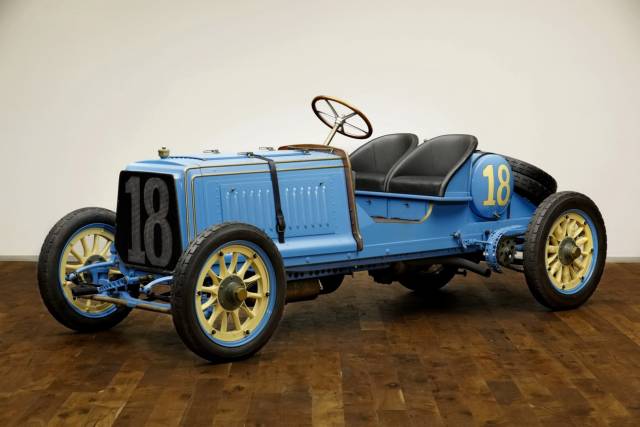
1908 | Panhard & Levassor 50 CV
Create search alert
Let yourself be notified as soon as a listing is published that matches your search filters.
Create listing
Do you have a Panhard & Levassor 50 CV that you want to sell? Then create a listing now.
Create listingPanhard & Levassor 50 CV Classic Cars: Prices & Market Values
History of the Panhard & Levassor 50 CV
Panhard & Levassor, established in 1887, was among the earliest pioneers in automobile manufacturing, instrumental in defining the very concept of the motor car. The 50 CV model emerged as a symbol of the brand’s technical ambition in the luxury segment, typically produced in the 1910s and 1920s. This car reflected the opulence demanded by aristocratic and industrial clientele of the era, often featuring bespoke coachwork from leading carrozzeria. The model's introduction further solidified Panhard & Levassor’s reputation among luxury marques, standing alongside brands like Hispano-Suiza and Rolls-Royce at the time.
Model History
Within Panhard & Levassor’s impressive line-up, the 50 CV was introduced as a high-capacity, luxury vehicle and occupied the peak of the marque’s model hierarchy. It succeeded earlier lower-displacement models and foreshadowed later innovations such as lighter platforms and advanced engine layouts. The 50 CV was renowned for its formidable straight-four or straight-six engines, engineered with performance and refinement in mind. Production was on a custom-order basis; thus, each example could vary in bodywork, features and finish. Its successor models saw Panhard & Levassor shift focus towards more technologically experimental, lighter vehicles.
Highlights and Special Features
Distinguished by its imposing engine size—upwards of 10 litres in the largest versions—the 50 CV offered not only effortless cruising speed but also mechanical refinement rare for its era. Its chassis was engineered to be custom-bodied, making every 50 CV unique in appearance and construction. Features like dual ignition and multi-speed gearboxes set new standards in durability and driving comfort. The 50 CV’s exclusivity is accentuated by its rarity, due both to its price at launch and the custom nature of each build.
Technical Data
Special Editions and Collectible Models
Due to the bespoke manufacturing process, nearly every Panhard & Levassor 50 CV can be viewed as a special edition. However, examples with custom bodywork by renowned coachbuilders such as Labourdette or Saoutchik, or those originally owned by dignitaries, command particular attention for their provenance and unique design features.
Weak Spots and Common Issues
Parts availability is a challenge given the vehicle’s age and the low production numbers. Mechanical restoration requires deep expertise with pre-war engineering, especially for the large-displacement engines and period electrical systems. Bodywork repair is highly specialist due to custom construction, necessitating tailored solutions for each car. Vehicles often require thorough investigation for hidden corrosion or previous repair work that may not meet current restoration standards.
Engine, Performance, Transmission and Handling
The immense engine of the 50 CV delivered high torque, allowing for stately acceleration despite the car's significant weight. Manual transmissions, usually with four speeds, required a skilled hand to manage the car’s power, particularly given non-synchro gearboxes typical for the period. Handling was defined by a solid rear axle and substantial wheelbase, providing comfort for passengers but demanding careful control from the driver. Braking systems improved throughout production, with later cars boasting more progressive setups. Noteworthy examples of the 50 CV often feature custom open-topped touring bodies or closed limousines. These highlight the range of performance, from stately city cruising to grand touring capabilities.
Interior, Comfort, Exterior and Design
Bespoke design defines the 50 CV, with interiors often tailored to each buyer’s requirements. Premium woods, hand-stitched upholstery, and period accessories such as integrated clocks or vanity cabinets are common. Exteriors could feature distinctive custom grilles, bespoke lighting arrangements, and unique emblems reflecting both the owner’s status and the coachbuilder’s craftsmanship. Many featured rich two-tone paintwork and intricately detailed chrome elements. Special accoutrements like fold-out occasional seats or partitioned cabins were frequently specified, underlining the car’s role as both status symbol and functional luxury transport.
Further Information
Collectors should note the importance of documenting the provenance and originality of each 50 CV, given the car’s bespoke manufacturing. Restoration histories, original photos, and period documentation significantly affect both authenticity and market value.
Summary
The Panhard & Levassor 50 CV encapsulates an exclusive chapter of motoring history, distinguished by grand engineering and handcrafted luxury. Its rarity, customisation and technical ambition continue to attract enthusiasts with a passion for pre-war automobiles, while its presence in the market offers a remarkable opportunity to acquire a singularly impressive vintage motor car.