- Car
- Monteverdi (1 offer)
Buy Classic Monteverdi Cars
A Monteverdi brings together Swiss ambition, Italian coachwork and American V8 torque in numbers that make even familiar exotica seem commonplace. Find a carefully documented High Speed, Hai, Safari, Sahara or Sierra on Classic Trader and buy with the provenance, condition and parts plan already understood.
Search results
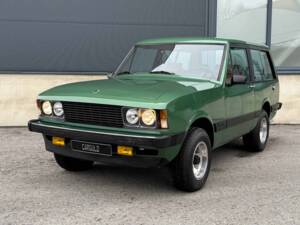
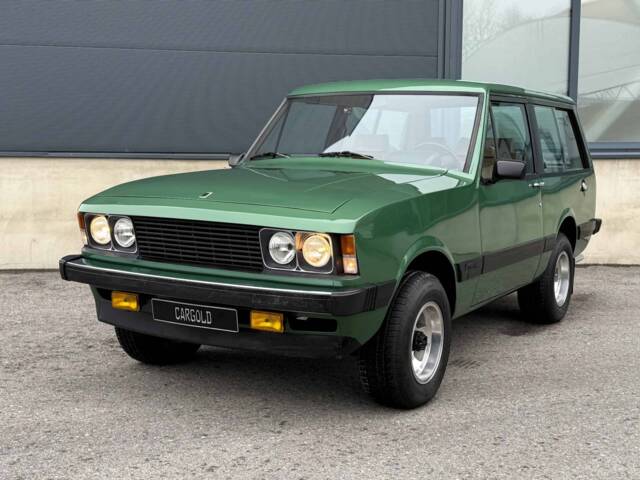
1978 | Monteverdi Safari
1st owner / Original paint / original 51.565 km!

Monteverdi listing references from Classic Trader
Below you will find listings related to your search that are no longer available on Classic Trader. Use this information to gain insight into availability, value trends, and current pricing for a "Monteverdi" to make a more informed purchasing decision.
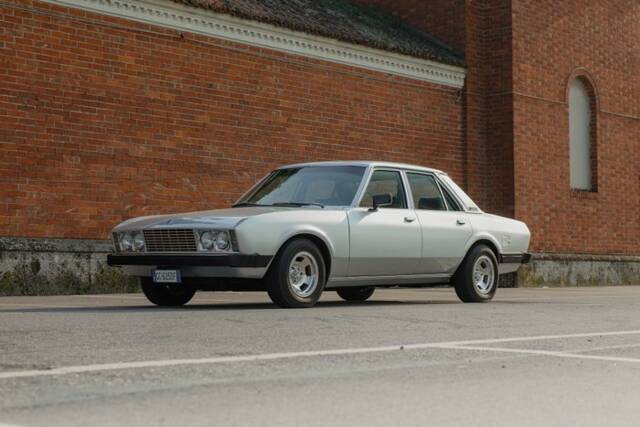
1980 | Monteverdi Sierra Grande 1500
Monteverdi - Sierra - 1980

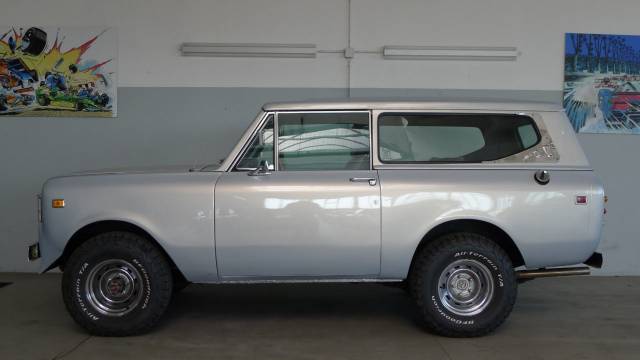
1979 | Monteverdi Sahara
Optisch und technisch umfangreich saniert, sehr selten
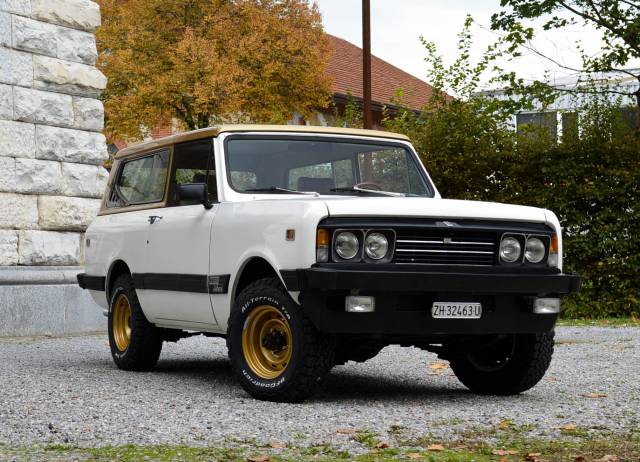
1979 | Monteverdi Sahara
1 von ca. 30 gebauten Fahrzeugen, aus 1. Hand, garantierte Kilometer, Veteran

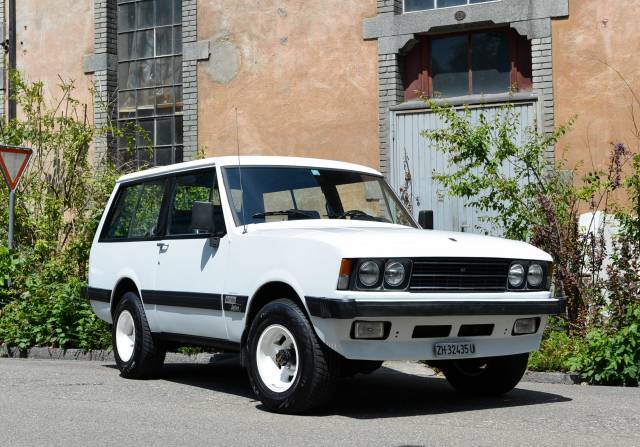
1978 | Monteverdi Safari
Sehr originales Fahrzeug aus Schweizer Auslieferung mit Veteraneneintrag
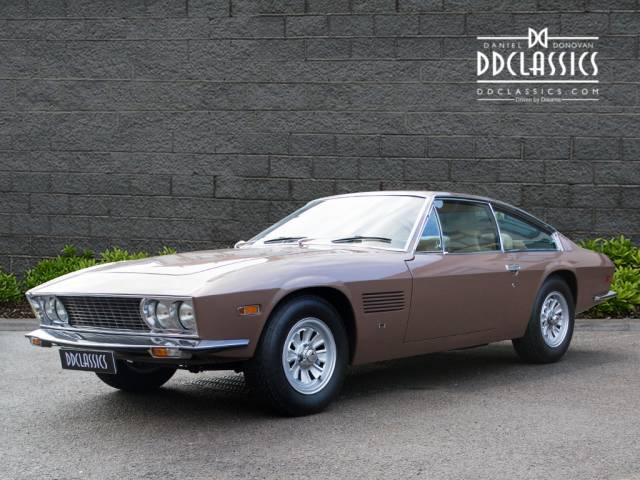
1971 | Monteverdi High Speed 375 L
1 of only 6 RHD examples - Famous previous owners - Simply stunning!

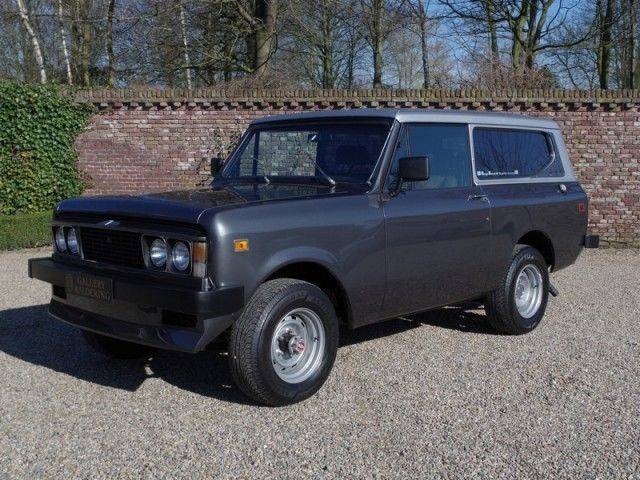
1978 | Monteverdi Sahara
Andere Monteverdi Sahara with only 81.086 kms!
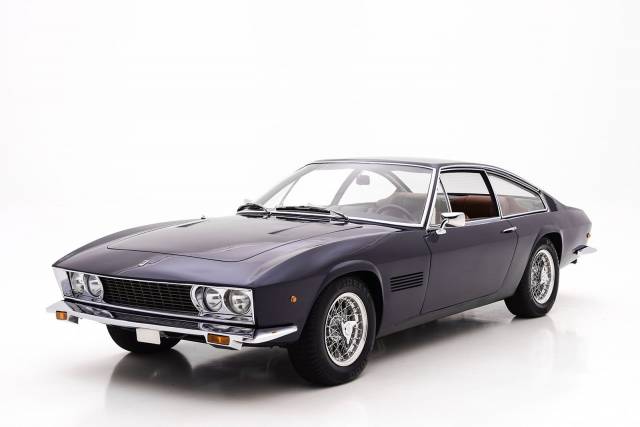
1970 | Monteverdi High Speed 375 L
Monteverdi 375L
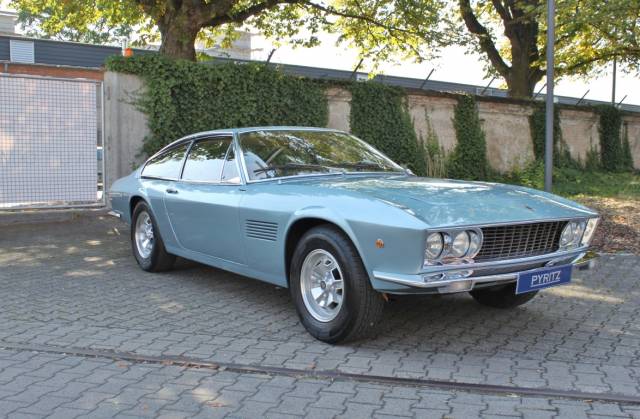
1973 | Monteverdi High Speed 375 L
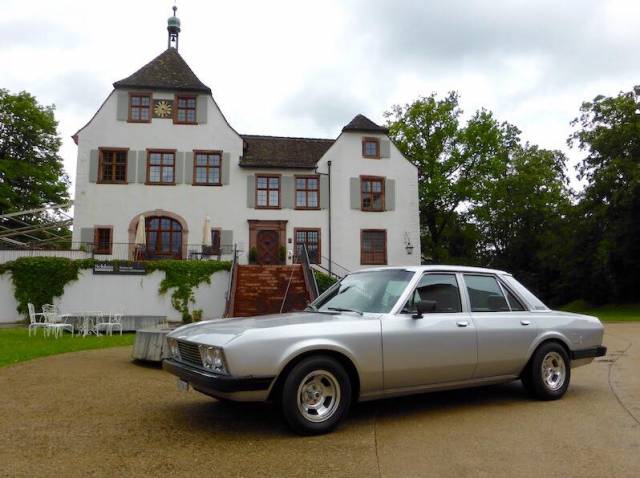
1980 | Monteverdi Sierra Grande 1500
Luxus-Rarität - nur 20 Stück gebaut !
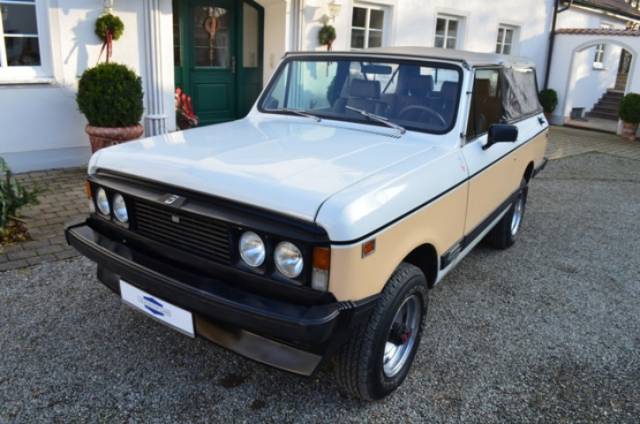
1980 | Monteverdi Sahara
Sahara A Vollcabrio / Convertible
History: a Swiss marque with an unusually broad brief
Monteverdi was never a conventional volume maker. Peter Monteverdi took over his family’s Basel-area garage business after his father’s death, built and raced specials, and developed Monteverdi-Basel Motors into a prestigious dealership. Ferrari, BMW, Lancia and Rolls-Royce were all part of his commercial world. That experience explains both the confidence of the cars that followed and their improbable mix of ingredients: a Swiss chassis and final assembly, Italian craftsmanship, and proven American engines and transmissions.
The marque made its public road-car debut at the 1967 Frankfurt Motor Show with the High Speed 375S. It was an answer to the expensive, temperamental European GT: a hand-built coupé with a Chrysler big-block V8, a TorqueFlite automatic transmission and an interior intended for long-distance comfort rather than a racing-driver’s compromises. Early bodies were designed and built by Pietro Frua. After the relationship changed, Carrozzeria Fissore became the principal body builder, producing the sharper 375L 2+2 and later variants in Savigliano before the cars returned to Switzerland for completion.
The High Speed family grew into a small but diverse range: short-wheelbase 375S coupés, the longer 375L, 375C convertible, Berlinetta and imposing 375/4 saloon. Production totals have always required care because factory records, later claims and individual body variants do not always agree. What is clear is that every version was scarce. Bonhams records 16 High Speed 375S cars, ten Frua-bodied and six Fissore-bodied; surviving build-sheet research commonly puts the 375L at 66. That scarcity is a large part of the appeal, but it is also why a prospective owner must buy the individual car rather than a badge and a production-number story.
The outrageous Hai arrived at Geneva in 1970. Its name means “shark” in German, and it was a genuine mid-engined supercar proposition: Chrysler Hemi power mounted behind the cabin, a ZF five-speed transaxle and an angular Trevor Fiore design. The 450SS prototype and the later 450GTS were astonishingly ambitious for such a small company. Only two period cars are generally accepted, with later continuation or replica-style cars complicating the total. A Hai is therefore a provenance-led purchase of the highest order, not simply an unusually rare supercar.
The 1973–74 fuel crisis changed the market for thirsty prestige GTs. Monteverdi’s response was remarkably prescient. In 1976 it introduced the Safari, a luxury four-wheel-drive built around International Harvester Scout mechanicals, clothed in a distinctive Fissore body and specified with far more leather, equipment and occasion than the donor. The more basic Sahara followed in 1978, retaining much more Scout bodywork. Both anticipated today’s appetite for powerful luxury SUVs decades before that class became mainstream.
The Sierra, launched in 1977, took the same formula in another direction. It used Plymouth Volaré/Dodge Aspen underpinnings and Chrysler V8 power beneath Monteverdi-specific exterior panels and a lavish cabin; saloon, estate and convertible forms were offered. Manufacture dwindled in the early 1980s when its American donor programme ended. Peter Monteverdi continued with projects including the Range Rover four-door conversion, but regular car production had effectively ceased. His former premises became the Monteverdi Automobile Museum, an important point of contact when establishing history.
Highlights: what makes a Monteverdi different
The defining attraction is not simply rarity. A Monteverdi is a cross-border coachbuilt car with serviceable major mechanicals. The 7.2-litre Chrysler 440, smaller Chrysler V8s, TorqueFlite automatics, Dana/Salisbury-type driveline components and International Harvester hardware can be understood by specialists outside a tiny marque network. That is a meaningful advantage over an exotic whose engine, gearbox and trim are all proprietary. It is not, however, a guarantee of easy ownership: body panels, glazing, bespoke cabin switches, Fissore brightwork and chassis-specific suspension pieces may be much harder to locate than an engine-service kit.
High Speed cars combine effortless torque with a tubular or box-section Monteverdi chassis, independent front suspension and a De Dion rear arrangement. A 375L is a proper four-seat grand tourer in period terms, with power steering, disc brakes and often air conditioning. It belongs in the same conversation as an Iso Grifo, Jensen Interceptor, Maserati Indy or Aston Martin DBS, yet feels less familiar at any British gathering. The High Speed is the most rounded choice for someone who wants a usable continental GT with a compelling story.
The Hai is the halo car: low, wide and startlingly purposeful. It represents a different kind of Monteverdi, one aimed at the Miura and Daytona world rather than the long motorway haul. Its significance rests on its early mid-engined layout, robust Hemi architecture and tiny survival pool. It also demands specialist-level knowledge, an appropriate collection and a willingness to accept that originality may matter more than maximum use.
Safari and Sahara ownership has a particularly strong British frame of reference. Against the original Range Rover, the Swiss cars offered American V8 choices, automatic transmission, selectable four-wheel drive and, in Safari form, an altogether more continental treatment of the coachwork. The Safari’s Fissore body has the formal grille and crisp, expensive-looking surfaces of a 1970s luxury car; the Sahara is more recognisably Scout-based and more utilitarian. The latter is not an inferior story so much as a different one: it is the honest, capable off-roader with Monteverdi identity and extremely low survival.
The Sierra is the discreet outsider. Under its revised panels are straightforward American saloon fundamentals, but the leather-lined cabin, fittings and low production make it neither a normal Volaré nor a conventional European executive car. It suits a buyer who enjoys the obscure end of 1970s luxury-car collecting and values originality over fashion.
Technical Data: representative Monteverdi cars
Specifications varied with year, customer order and source, so treat the table as an identification and comparison aid rather than a substitute for the build record of a particular car. Power figures below are contemporary claimed outputs.
The High Speed’s published 375bhp figure should not be confused with the Hai’s 450bhp Hemi claim. Nor should a later description calling every 7.2-litre engine a “Hemi” be accepted without inspection: the familiar 440 Magnum and the 426 Hemi are distinct engines. Confirm casting numbers, carburettion, engine number, transmission type and any factory conversion against the chassis file. On a Safari or Sahara, compare the engine stated by the seller with the V5C, original documentation and physical unit; a well-publicised UK Sahara has had a reported 7.2-litre V8 while database records described the alternative 5.7-litre engine.
Market Overview & Buying Tips
There is no simple Monteverdi price guide because transactions are infrequent and condition varies more dramatically than the odometer often suggests. The market divides into three broad groups. A sound Safari or Sahara can be an accessible entry into the marque, but restoration risk is serious. A High Speed is a specialist GT whose provenance and coachwork condition can shift the value by six figures. A Hai is a museum-grade, internationally marketed collector car for which comparables are exceptional rather than routine.
Auction evidence gives useful anchors, not automatic valuations. In 2024 a 1978 Sahara sold in Italy for €38,500, while a well-preserved 1978 Safari was offered by Bonhams in Switzerland with a CHF90,000–110,000 estimate. A 1969 High Speed 375S, the Geneva and New York show car, made CHF230,000 at Bonhams in 2022. A restoration-project 375L sold for CHF155,250 in 2023. At the top end, Bring a Trailer recorded a US$400,500 high bid for the first 375/4 in 2025, but the reserve was not met; that is interest, not a sale price. Older British results are useful context but should not be presented as present value: a right-hand-drive 375L sold at Bonhams London for £57,500 in 2017.
For a UK buyer, a right-hand-drive High Speed 375L is especially consequential. Build-sheet research records only nine RHD 375Ls, and cars supplied in period to Britain carry a strong practical and historical premium. Do not infer original UK delivery from a right-hand-drive steering box alone. Ask for the factory letter, build sheet, early registration evidence, original order or correspondence, and verify that the chassis suffix and steering arrangement agree. A left-hand-drive continental car is not automatically a worse purchase; it may be the better documented, better preserved example. It simply needs to be priced and insured as the car it is.
Inspection priorities before agreeing a price
Start with identity. Monteverdi production was hand-built, records are fragmented and bodystyle terminology has been used loosely. Photograph the chassis plate, stamped chassis number, engine and transmission numbers, and every period document. Ask whether the Monteverdi Automobile Museum or a recognised marque specialist has authenticated the car. An impressive story without unbroken paperwork is not the same as established provenance.
On a High Speed, inspect the steel chassis, outriggers, suspension pick-up points, floor, sills, front bulkhead, door bottoms and the junctions between coachwork and structure. Fresh underseal may conceal corrosion; insist on lift inspection and paint-depth readings rather than accepting a glossy exterior. Check door fit, bonnet alignment, headlamp surrounds, screen trim and wheel-arch lips. Bespoke body repair can require fabrication and long lead times, so panel condition is often more important than a routine engine rebuild.
Test the V8 from cold for oil pressure, smoke, cooling stability and clean response. Verify the cooling system, radiator specification, hoses, carburettor tuning and heat shielding; a big-block in a low-volume GT needs its temperature management correct. The TorqueFlite should engage promptly without flare, harsh delay or burnt-smelling fluid. At the rear, assess the De Dion axle, Watt linkage, trailing-arm bushes, limited-slip differential and inboard brake access. Power steering free play, disc condition and servo operation deserve a proper road test, not a short car-park demonstration.
On a Hai, commission an inspection from a specialist familiar with the car’s exact history before discussing originality or usability. The Hemi, ZF transaxle, tubular chassis, inboard rear brakes, cooling, fuel system, glass, wheels and trim are all potentially bespoke or very expensive to rectify. A continuation, recreation or later-built car needs transparent description and a price that reflects its own provenance. Never rely on a claimed total-production number as proof of authenticity.
For Safari and Sahara, treat Scout structure as the critical issue. Examine ladder-frame corrosion, body mounts, floors, inner wings, wheelarches, tailgate, windscreen surround and lower doors. Check that the transfer case selects high and low range, the front axle engages correctly, hubs and driveshafts are sound, and the automatic shifts cleanly. A vehicle that looks like a smart weekend 4x4 can conceal extensive structural work. The Safari’s unique Fissore panels, grille, lamp surrounds, bumpers and interior trim deserve at least as much attention as the readily serviceable donor mechanicals.
The Sierra needs a similarly disciplined approach. Check its donor-car floorpan and substructure for corrosion, transmission operation, cooling and electrical accessories, then concentrate on Monteverdi-only body panels, lamps, brightwork, leather and wood. Electric seats, windows and air conditioning make a finished car feel special but can become a time-consuming restoration project if components are missing.
UK ownership, imports and support
The UK is a workable home for a Monteverdi, provided the owner plans before buying. Chrysler engine specialists, American-vehicle suppliers and International Harvester Scout communities can help with consumables and much of the mechanical work. The Monteverdi Owners Club and marque community are valuable for history, registration knowledge and locating rare pieces. They cannot turn unavailable Fissore sheet metal into an off-the-shelf part, so buy the most complete car you can afford, including spare trim, factory manuals, old invoices and removed original parts.
If importing, budget beyond the hammer or asking price. HMRC must be notified through the appropriate import process, including NOVA, and tax or duty due must be settled before registration. DVLA registration requires the original overseas registration evidence or acceptable proof of manufacture, along with the supporting documents; an enthusiast-club letter may help where the foreign registration document is absent. Confirm the current rules, duty treatment and vehicle approval position with HMRC, DVLA and a customs agent before money changes hands, particularly for a car arriving from outside the UK or with unusual modifications.
Most 1960s and 1970s Monteverdis now qualify for the UK historic-vehicle rules. A vehicle more than 40 years old and without substantial changes is normally MOT-exempt and can enter the historic tax class, but it must still be roadworthy. Sensible buyers retain voluntary annual inspections or MOTs. That is especially useful evidence for insurers and future purchasers, and catches brake, tyre, lighting, corrosion and steering issues before a rare part turns a small job into a long lay-up. Verify ULEZ and local requirements for the individual registration rather than relying on a seller’s general claim.
Driving Feel: five personalities, one philosophy
Drive a High Speed with the expectation of a grand tourer, not a featherweight Italian sports car. The Chrysler V8 delivers a deep, unhurried thrust and the automatic makes the car feel deliberately mature. In a 375L, the long wheelbase, broad cabin and rear accommodation turn a special event into a genuinely plausible continental trip. The steering and De Dion rear end ask for measured inputs, but the reward is a rare blend of muscle-car torque and formal European coachbuilding.
The Hai changes the mood completely. Sitting low ahead of the engine, with the ZF gearbox and a wide view over its sculpted wings, the driver is aware of compact dimensions and serious performance potential. It is vivid rather than relaxed, a car to exercise carefully and sympathetically, not a machine to treat as a track-day consumable. Its theatre is inseparable from its fragility as a historic object.
Safari and Sahara make sense on British roads because they are narrow enough to feel old-school, tall enough to give a clear view and endowed with the effortless low-speed torque that suits lanes, estates and muddy event parking. The Safari is the more polished, bespoke experience; the Sahara has a pleasingly direct, workmanlike character beneath the luxury badges. Neither will be economical. A 7.2-litre 4x4 can fall well below 10mpg, a fact to embrace before a long touring holiday rather than discover afterwards.
The Sierra is the quietest expression of the idea. It is a wafting V8 saloon with distinctly non-standard looks, an easy automatic and an interior made for leisurely mileage. Its charm lies in explaining it to the curious: the Monteverdi badge is not decoration but the result of one Swiss entrepreneur repeatedly finding an unlikely route to a luxury car.
Design: Italian surfaces, American substance
Monteverdi’s visual language evolved without losing its central proposition. Frua gave the earliest High Speed cars long, elegant proportions, delicate glasshouse treatment and the glamour expected of a late-1960s Italian GT. Fissore’s later work was squarer and more assertive, with strong grille treatments, quad lamps and crisp shut lines. The shift was partly commercial and practical, but it also gave the 375L, 375/4 and later cars a family resemblance that is unmistakable in profile.
The coachbuilt process is precisely why details matter. The pleasingly slim pillars, tailored leather, woodwork and seemingly ordinary lamp units combine in a way that cannot be recreated cheaply once absent. On a High Speed, originality of the dashboard, instruments, switches, seats and exterior brightwork should be assessed as seriously as paint. On a Safari, the difference between its Fissore body and the more Scout-like Sahara is fundamental to both appearance and future restoration cost.
The Sierra demonstrates Monteverdi’s willingness to transform a donor rather than conceal it. Its reworked front and rear, Fiat-sourced headlamps, Renault-sourced rear lamps and lavish interior were a very 1970s interpretation of exclusivity. The Hai, meanwhile, is pure concept-car bravado made real: a wedge silhouette, pop-up lamps and a low roofline wrapped around a steel spaceframe. These were not cars designed by committee, and that is their enduring visual advantage.
Other: collecting the evidence as carefully as the car
The best Monteverdi file is unusually rich. Look for factory correspondence, period photographs, Swiss or export registration documents, chassis and engine-number confirmations, restoration images, invoices, old MOT certificates, import papers and a coherent chain of ownership. A documented recommissioning is often preferable to an old restoration with no photographs. For exceptional cars, independent inspection reports and museum or club correspondence can be as important as the sales invoice.
Be candid about ambiguity. Production totals for several models are estimates; hand-built cars could be updated, re-bodied or altered over long lives; and later publicity has sometimes blurred prototypes, continuations and production cars. A good seller welcomes questions. A good buyer records answers, retains copies and makes the eventual next sale easier.
Summary: choose the Monteverdi that suits your use
A classic Monteverdi is an intelligent choice for the collector who wants more than a familiar badge. Choose a High Speed for effortless Chrysler-powered GT travel, a Hai for an exceptionally rare supercar landmark, a Safari for the most polished early luxury 4x4 experience, a Sahara for rugged Scout-based rarity, or a Sierra for discreet V8 eccentricity.
Whichever route you take, condition and documentation outrank a tempting headline price. Confirm the identity, inspect the structure and bespoke coachwork, test the drivetrain properly, plan parts support and understand UK import and roadworthiness obligations. With that work done, find the right classic Monteverdi on Classic Trader and buy a genuinely individual chapter of Swiss motoring history.