- Car
- La Licorne
- La Licorne B7W4 (0 offers)
La Licorne B7W4 classic cars for sale
The La Licorne B7W4 stands as a rare testament to early 20th-century French automotive engineering, directly linked to an era when La Licorne competed with industrial giants like Renault and Peugeot. Whether looking for a unique piece of motoring history or a restoration project, the B7W4 offers fascination due to its scarcity and story-rich background.
Search results
Currently, there are no matching listings for your search.
Create search alert
Let yourself be notified as soon as a listing is published that matches your search filters.
Create listing
Do you have a La Licorne B7W4 that you want to sell? Then create a listing now.
Create listingLa Licorne B7W4 listing references from Classic Trader
Below you will find listings related to your search that are no longer available on Classic Trader. Use this information to gain insight into availability, value trends, and current pricing for a "La Licorne B7W4" to make a more informed purchasing decision.
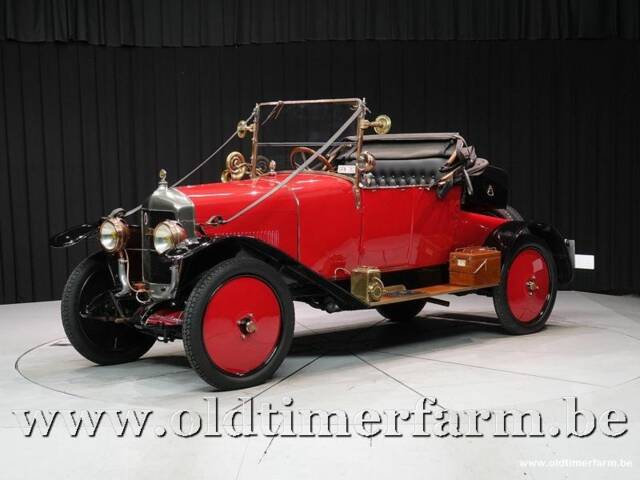
1922 | La Licorne B7W4
1922 La Licorne 12CV B7W4 '22

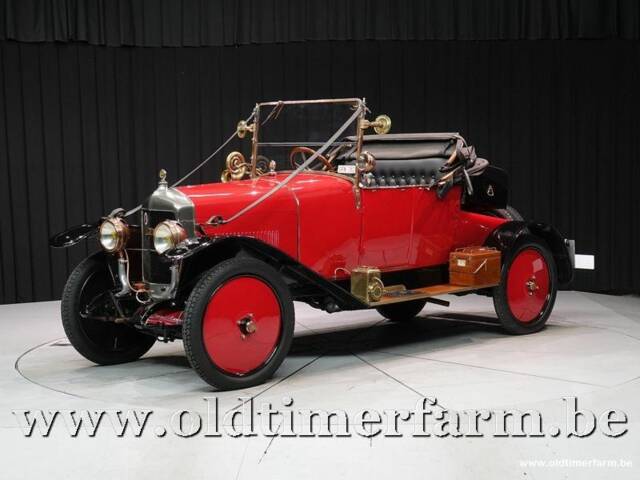
1922 | La Licorne B7W4
1922 La Licorne 12CV B7W4 '22
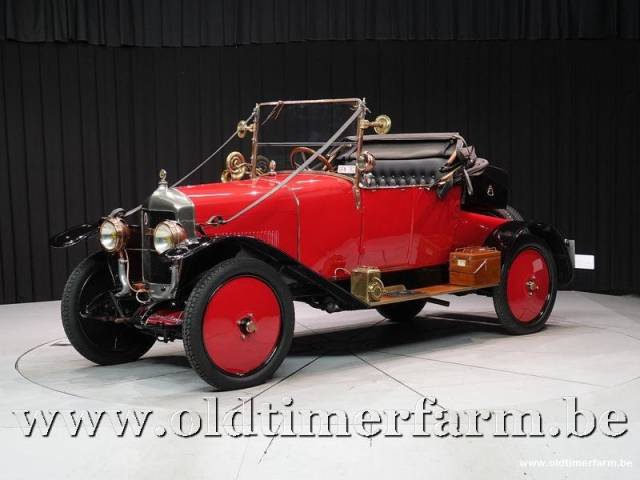
1922 | La Licorne B7W4
1922 La Licorne 12CV B7W4 '22
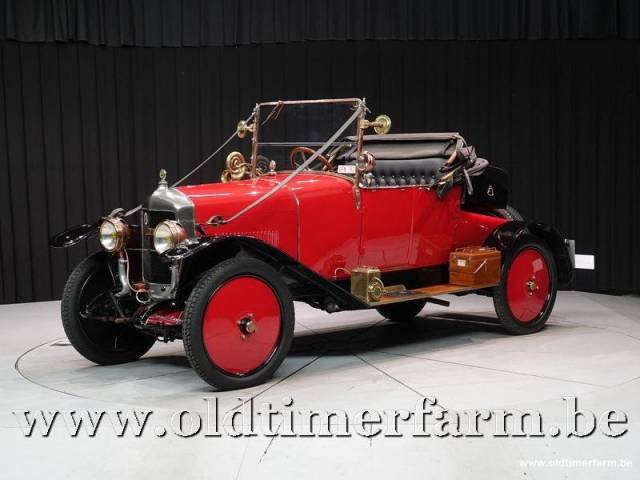
1922 | La Licorne B7W4
1922 La Licorne 12CV B7W4 '22
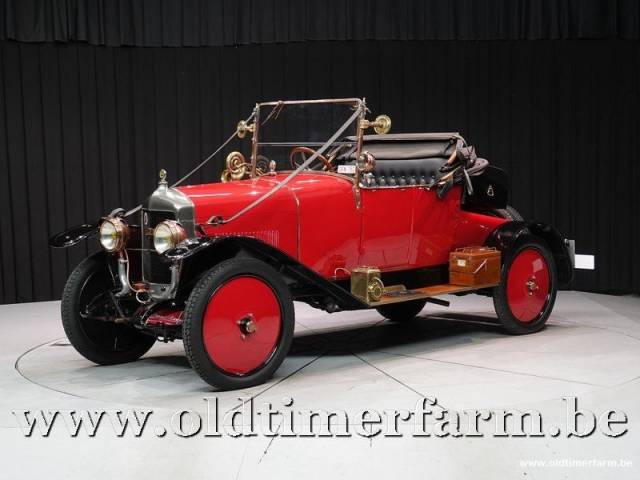
1922 | La Licorne B7W4
1922 La Licorne 12Cv B7W4 '22
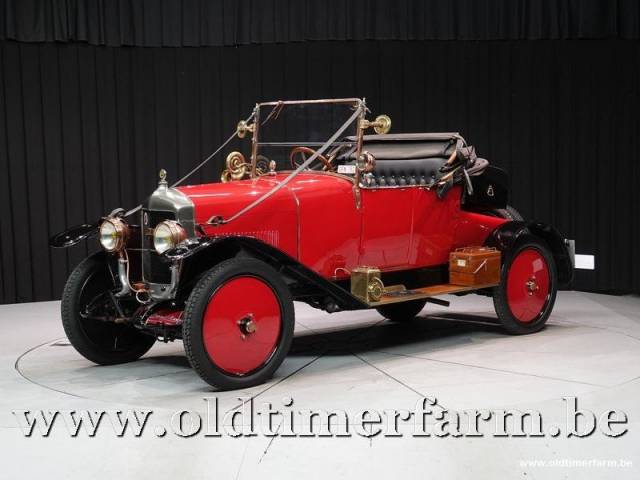
1922 | La Licorne B7W4
1922 La Licorne 12Cv B7W4 '22
Create search alert
Let yourself be notified as soon as a listing is published that matches your search filters.
Create listing
Do you have a La Licorne B7W4 that you want to sell? Then create a listing now.
Create listingLa Licorne B7W4 Classic Cars: Prices & Market Values
History of La Licorne and the B7W4
Founded in 1901 in Levallois-Perret by Jean-Marie Corre, La Licorne quickly garnered attention through active competition participation, notably in 1903. The brand's strategic use of De Dion-Bouton technology for its early models paid off, as sales soon matched those of Renault and Peugeot. Despite humble beginnings, La Licorne expanded its offer before World War I, relying on robust Ballot and Chapuis-Dornier engines. The company demonstrated adaptability by moving operations to Neuilly during the war, and after 1918, it released updates of its prewar vehicles, affirming continuity despite turbulent times.
Model History of the B7W4 Series
Initially focused on cyclecars and three-wheelers, La Licorne rapidly developed more advanced automobiles, with the B7W4 forming part of the 1920s expansion. Mid-1920s La Licorne models included four-cylinder engines ranging from 1.4 to 2.3 litres, positioning the B7W4 firmly in the mid-size segment. Relocation to Courbevoie in 1927 marked an era of reduced production before the eventual cessation of passenger car output in 1947. The company's final chapter unfolded with the acquisition by Berliet in 1949.
Highlights of the La Licorne B7W4
The B7W4 distinguishes itself by its evolution within an independent French automaker not overshadowed by larger manufacturers. Produced during a time of technical innovation, the B7W4 benefited from reliable four-cylinder engines sourced from leading suppliers. Furthermore, the B7W4's positioning among licenced and mid-range vehicles offered a uniquely balanced feature set for its era.
Technical Data
Special Editions and Collectible Models
No special or limited-edition versions of the B7W4 are documented in available historical records. The rarity of surviving examples in itself adds to the distinctive character of each B7W4 on the market.
Weak Spots and Common Issues
Due to the absence of documented weak spots specific to the B7W4, buyers should scrutinise typical aspects of French interwar-era automobiles: engine wear, electrical issues, and condition of bodywork prone to corrosion. Sourcing original Ballot and Chapuis-Dornier engine components may present a challenge due to limited production numbers post-1927. As with all pre-war vehicles, authenticity of mechanical and body components significantly impacts value.
Engine, Performance, Transmission, and Handling
B7W4 models drew on established French engineering, with four-cylinder engines enabling reliable and balanced performance commensurate with 1920s mid-class cars. The ride and handling reflect pre-war chassis design, prioritising robustness and ease of maintenance. Transmission systems echo the standards of the era, typically offering simple mechanical operation suitable for enthusiasts accustomed to vintage vehicles. No further variants of the B7W4 are commonly found. Should a specific car be equipped with period upgrades or modifications, this may enhance driveability while keeping to the original technical spirit.
Interior, Comfort, Exterior and Design
Typical of interwar French styling, the B7W4 featured clean yet robust coachwork, often with subtle Art Deco influences. Interior appointments were modest, prioritising function over embellishment. Surviving examples may exhibit coachbuilt elements, reflecting personalisation common among independent French manufacturers of the period. No records detail specific paint colours or trim options, but restoration projects may involve period-correct materials and leathers to maintain authenticity.
Other Noteworthy Features
By the mid-1920s, La Licorne diversified its output to include commercial vehicles and small buses. The B7W4 stands as a testament to this expansion and transition within the French motoring landscape, representing the innovative spirit of smaller manufacturers against France's pre-war industrial giants.
Summary
The La Licorne B7W4 encapsulates the blend of technical agility and independent thinking typical of French manufacturers in the 1920s and 1930s. With its concentrated supply, historical significance, and distinct character, the B7W4 appeals to collectors searching for authenticity within the rarely seen corners of European automotive history.