- Car
- Kässbohrer Setra
- Kässbohrer Setra S 6 (0 offers)
Kässbohrer Setra S 6 Classic Cars for Sale
The Kässbohrer Setra S 6 set new standards for mid-century coach engineering with its innovative self-supporting body and advanced comfort features for its era. As a milestone in bus construction, it embodies the transition to modern coach design and is a sought-after subject for connoisseurs of historic commercial vehicles.
Search results
Currently, there are no matching listings for your search.
Create search alert
Let yourself be notified as soon as a listing is published that matches your search filters.
Create listing
Do you have a Kässbohrer Setra S 6 that you want to sell? Then create a listing now.
Create listingKässbohrer Setra S 6 listing references from Classic Trader
Below you will find listings related to your search that are no longer available on Classic Trader. Use this information to gain insight into availability, value trends, and current pricing for a "Kässbohrer Setra S 6" to make a more informed purchasing decision.
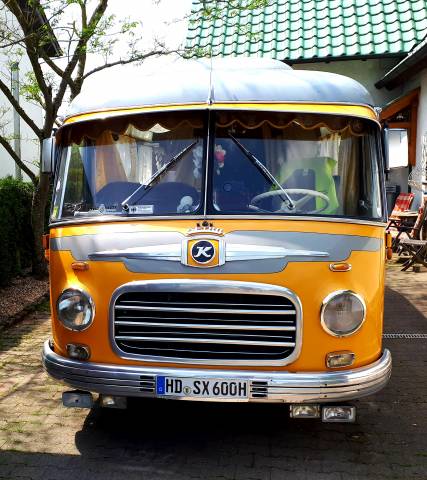
1959 | Kässbohrer Setra S 6
ABSOLUTES UNIKAT! Sonderanfertigung des bayrischen Rundfunks als Wohnmobil

Create search alert
Let yourself be notified as soon as a listing is published that matches your search filters.
Create listing
Do you have a Kässbohrer Setra S 6 that you want to sell? Then create a listing now.
Create listingKässbohrer Setra S 6 Classic Cars: Prices & Market Values
History of the Kässbohrer Setra S 6
Introduced in the mid-1950s, the Kässbohrer Setra S 6 marked a turning point in European bus manufacture. It was the first mid-size coach in the Setra range, pioneering the use of a self-supporting ('selbsttragend') chassisless body, a concept that would become the hallmark of the Setra brand. Developed by Kässbohrer Fahrzeugwerke in Ulm, Germany, the S 6 targeted smaller groups and regional travel, bringing advanced construction and comfort to a segment typically dominated by larger, less refined vehicles. Its debut established Setra’s reputation for innovation in the coach sector.
Model History of the Setra S 6
The S 6 was produced from 1955 onward as the first in the Setra’s ‘S’ model line. With no direct predecessor, it paved the way for subsequent Setra models, influencing the design language and engineering principles of its successors. The S 6's legacy continued with the introduction of larger models, but its focus on light weight, modular construction, and flexible interior layouts were repeated throughout the lineup. Production figures remained low by today's standards, making surviving examples noteworthy finds.
Highlights of the Kässbohrer Setra S 6
Among classic coaches, the S 6 distinguishes itself with its lightweight monocoque construction, integrated windscreen and roof line, and generous panoramic windows—features rare among contemporaries. The S 6’s compact dimensions allowed it to access narrow routes unsuitable for full-size vehicles, expanding travel opportunities. Its role as a technology showcase for Kässbohrer cemented Setra’s status as a leading innovator in bus manufacturing.
Technical Data for the Kässbohrer Setra S 6
Special Editions and Collectible Models
There are no documented limited editions or factory special models of the S 6; however, customer-specific configurations—such as bespoke interior layouts, luxury fittings, and unique paintwork—were often commissioned for coach operators, making many surviving examples unique. These custom variations add to the diversity and fascination of the S 6 fleet.
Weak Spots and Common Issues
Detailed information on weak spots is currently not available, but as with any coach of this era, corrosion of the body structure and wear on bespoke mechanical parts can be expected. The scarcity of original replacement parts—especially for the monocoque chassis and glasswork—means careful inspection and provenance checking is essential before purchase. Regular maintenance is key to preserving the S 6’s innovative but now rare construction details.
Engine and Performance, Transmission and Handling
The S 6 is powered by a front-mounted diesel engine integrated into the compact underfloor design, which delivers smooth operation and moderate fuel consumption. The lightweight self-supporting chassis allows for agile handling relative to its peers, with a turning circle favourable for use in urban and regional service. The manual gearbox provides reliable gear transitions for touring and intercity work. Given that current supply and demand statistics attribute 100% of Setra listings and searches in the classic sector to the S 6, it stands as the most prominent historic model from this manufacturer in the classic coach market.
Interior, Comfort, Exterior and Design
Visually, the S 6 boasts a curved, streamlined form with large panoramic windows, a distinctive Setra grille, and a two-tone paintwork that exemplifies the design language of mid-1950s commercial vehicles. The interior was built for comfort, with well-padded seats and thoughtful ergonomics for passengers. Many examples were customized by their original owners, resulting in a range of special materials, layouts and accessory configurations—no two S 6 coaches are entirely alike. The S 6 also set new standards for driver comfort with improved visibility and an ergonomic cockpit layout.
Other Relevant Features
Some S 6 coaches were individually equipped with extras such as roof-mounted luggage racks, auxiliary heating, or period radio equipment, depending on original operator requirements. Documentation and originality play significant roles in evaluating any given S 6 today.
Summary
The Kässbohrer Setra S 6 remains a defining model in the evolution of European coachbuilding, showcasing innovations that shaped the future of bus travel. Its rarity, unique engineering, and the cultural significance it brought to regional transport ensure its continued appeal among historic vehicle enthusiasts.