- Car
- Gutbrod (1 offer)
Gutbrod Classic Cars for Sale
Gutbrod vehicles, especially the Superior produced from 1950 to 1954, combine early postwar ingenuity with technical milestones such as pioneering fuel injection. These rare microcars, originally developed in southern Germany and available in configurations like the cabriolimousine, stand out for their engineering and historical relevance. Explore remarkable examples in original condition, including models with unique colour and interior combinations.
Search results
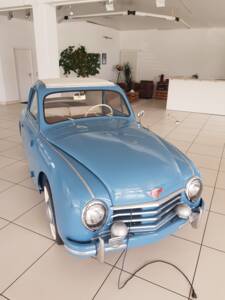
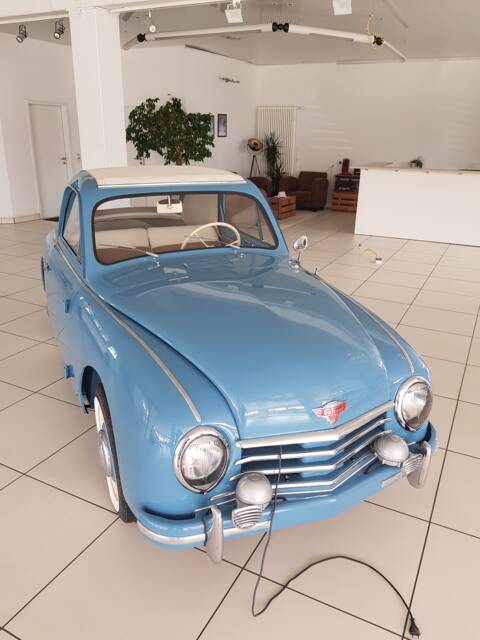
1953 | Gutbrod Superior
Gutbrod Superior 700E

Gutbrod listing references from Classic Trader
Below you will find listings related to your search that are no longer available on Classic Trader. Use this information to gain insight into availability, value trends, and current pricing for a "Gutbrod" to make a more informed purchasing decision.
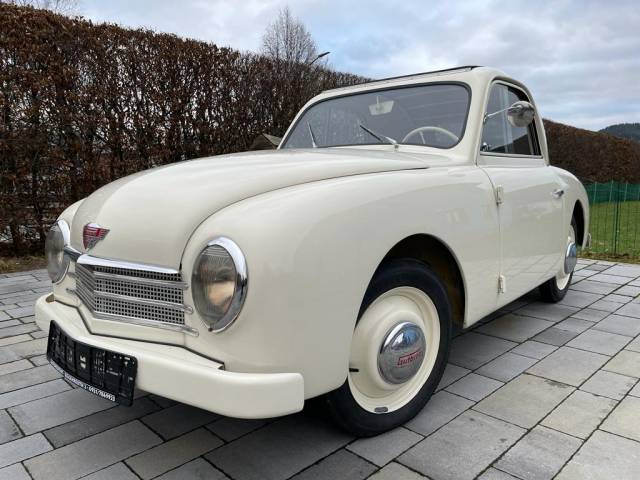
1952 | Gutbrod Superior
Top restored vehicle with extensive history since 1959 new condition
History of Gutbrod Vehicles
Wilhelm Gutbrod founded his company in 1926 in Ludwigsburg, initially manufacturing motorcycles under the "Standard" brand. By 1933, production moved to Feuerbach, Stuttgart, where Gutbrod introduced the Standard Superior featuring rear-mounted engines. The brand’s history mirrors the turbulence of the mid-20th century: during WWII, Gutbrod assembled utility trucks as mandated by the government. Post-war recovery was marked by overhauling railway wagons and, after Allied occupation and factory dismantling, resuming with licenses for small delivery vehicles. In 1949, Gutbrod released the Atlas delivery van with a 600cc two-stroke engine, later joined by the Atlas 1000 with hydraulic brakes. Gutbrod’s contribution to European automaking stands out not only for their perseverance but also for technological firsts, like introducing fuel injection in a production car before Mercedes-Benz. Financial constraints led to Gutbrod’s insolvency in 1953, but the company’s legacy continues in the agricultural sector.
Model History
Gutbrod’s most significant car, the Superior, was launched in 1950 and produced until 1954. The Superior, initially with a 593cc two-stroke engine, progressed to include the Luxus 700 with a 663cc engine from 1953. Notably, from 1952, Gutbrod equipped the Superior with mechanical fuel injection. Body variants included the Westfalia-built Kombi and the convertible saloon by Karosseriefabrik Weinsberg. Prior to the Superior, Gutbrod manufactured the Standard Superior (1933–1935). There were no direct successors to the Superior after car production ended in 1954, making these vehicles the final passenger cars made by the company.
Highlights and Unique Features
- The Gutbrod Superior was the world’s first series production car with fuel injection (1952), a development made possible by Dr. Hans Scherenberg (later of Mercedes-Benz).
- Compact format and low weight paired with a two-cylinder two-stroke engine, providing lively performance for its class.
- Produced as a two-seater in both komibi and cabrio-limousine body styles, each with distinctive designs from Westfalia and Weinsberg.
- The Superior models’ handling and agility received praise in period road tests.
- Surviving examples possess high historical value due to the brief production span and pioneering technology.
Technical Data
Special Editions and Collectible Models
The Gutbrod Superior Luxus 700 stands as a special variant, featuring the enlarged 663cc engine and mechanical fuel injection. The cabriolimousine body, supplied by Weinsberg, and the kombi variant by Westfalia, are especially sought-after for their distinct coachwork and originality. Vehicles preserved in excellent original condition, with rare interiors or colours, such as ivory with red leather/cloth combination, are particularly notable.
Weak Spots and Common Issues
No specific weak spots were documented in the available data. However, as with many two-stroke vehicles from the era, attention to fuel-oil mixture, the mechanical fuel injection system (when equipped), and corrosion prevention are vital. Spare parts for bodywork and technical components may be scarce due to the limited production volume. Expert knowledge is recommended for maintenance of the injection system and original coachwork.
Engine and Performance, Transmission and Handling
The Gutbrod Superior features a compact two-stroke twin delivering around 20 to 30 horsepower, depending on version. The car’s light construction enables agile handling and sprightly urban performance. Period journalists lauded the steering and sportiness, but noted high cabin noise at speeds above 80 km/h, with conversation rendered challenging due to the two-stroke’s characteristic drone. Transmission choices were typically straightforward, three- or four-speed manuals, supporting the car’s practical city credentials. - Gutbrod Superior Standard (1950–1953): 593cc, carburettor, 2-seater, coachwork by various suppliers.
- Gutbrod Superior Luxus 700 (1953–1954): 663cc, with optional mechanical fuel injection, higher output, more costly finish.
- Atlas Delivery Vans (1949–early 1950s): Utilitarian, front-driver cabs with air-cooled two-stroke engines, notable for their robust build for small business use.
Interior, Comfort, Exterior and Design
The Gutbrod Superior’s design is classic early 1950s microcar, with compact proportions and clear functional cues. The cabriolimousine body built by Weinsberg offered an open-air feeling, while the kombi by Westfalia delivered practical carriage in a microcar format. Interiors varied: restored examples feature two-tone leather and cloth seats, such as red upholstery with contrasting exterior colours like ivory. Dashboards were minimalist, reflecting postwar economic constraints. Noteworthy are the distinct split grilles, simple wheel designs, and minimal but robust chromework. Options were basic, in keeping with the era’s sensibilities; surviving accessories or rare finishes, such as unusual paint or early radios, add to a car’s desirability.
Other important factors
Originality in condition—verified by expert assessments—is especially valued among Gutbrod collectors. The rarity of unrestored examples and bodywork supplied by Westfalia or Weinsberg distinguishes certain vehicles. Gutbrod’s significance as a pioneer of mechanical fuel injection, alongside its role in postwar German recovery, adds a historical dimension valued by enthusiasts and automotive historians alike.
Summary
Gutbrod’s contribution to automotive history is defined by innovation and resilience. With only the Superior model available today, every car is both a technical milestone and a witness to postwar German ingenuity. These rare microcars, equipped in some cases with the world’s first series-production fuel injection engine, appeal to connoisseurs seeking historical depth, innovative engineering, and unique aesthetics in a compact—yet unmistakably significant—classic vehicle.