Ford Mutt Classic Cars for Sale
The Ford Mutt stands out as a true military utility vehicle, developed to replace the famed Willys MB. Produced mainly in the USA from 1959, its focus on versatility, durability, and off-road capability made it popular among armed forces worldwide. Whether in original M151 form or as earlier GPW variants, the Mutt offers authentic driving experiences for classic military vehicle enthusiasts.
Search results
Currently, there are no matching listings for your search.
Create search alert
Let yourself be notified as soon as a listing is published that matches your search filters.
Create listing
Do you have a Ford Mutt that you want to sell? Then create a listing now.
Create listingFord Mutt listing references from Classic Trader
Below you will find listings related to your search that are no longer available on Classic Trader. Use this information to gain insight into availability, value trends, and current pricing for a "Ford Mutt" to make a more informed purchasing decision.
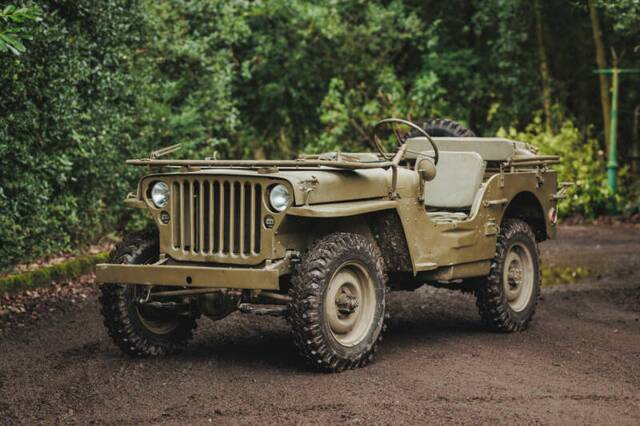
1943 | Ford GPW
1943 Ford GPW ‘Willys’ Jeep - from 70-years Ownership

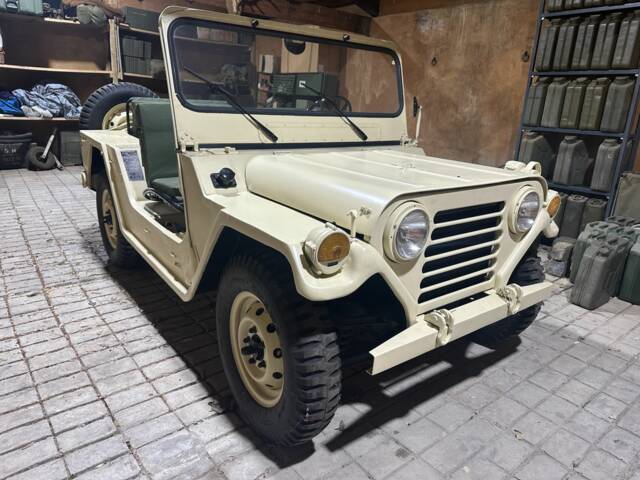
1978 | Ford M 151 A2 (Mutt)
AM General M151A2 MUTT | 1978 | Route 66 Auctions - For sale by auction. Estimate 14500 EUR

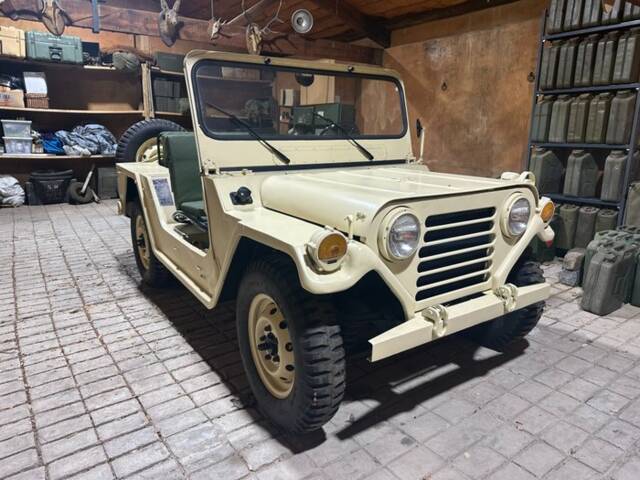
1978 | Ford M 151 A2 (Mutt)
AM General Corporation - Jeep M151A2 MUTT - 1978
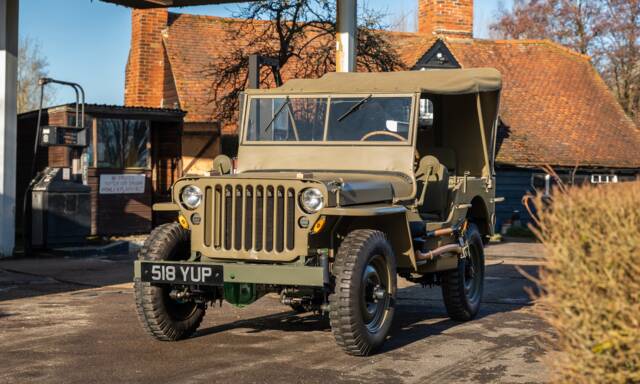
1942 | Ford GPW
1942 Ford Willys Jeep (GPW)
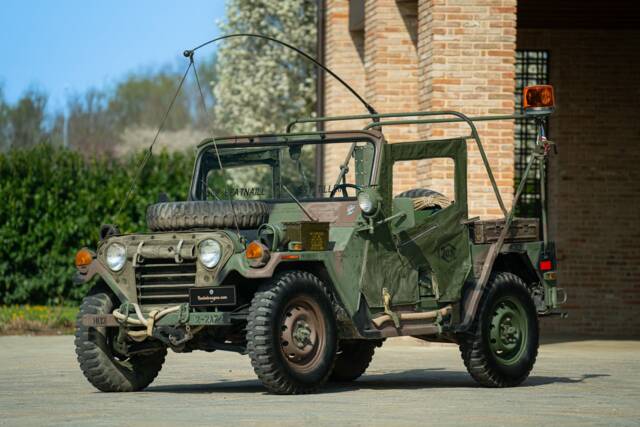
1972 | Ford M 151 A2 (Mutt)

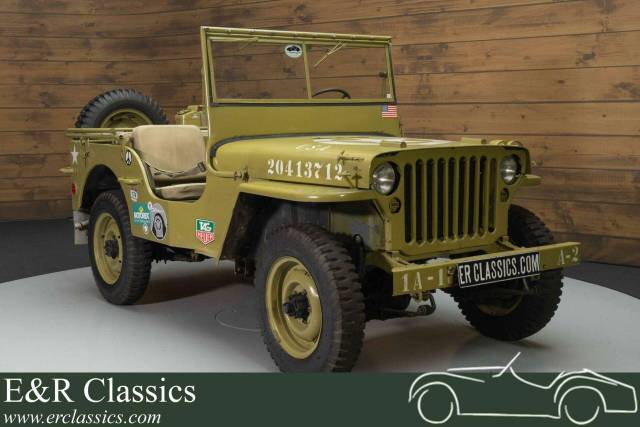
1944 | Ford GPW
Ford GPW Jeep | Tijdens oorlog gebouwd| Historie bekend
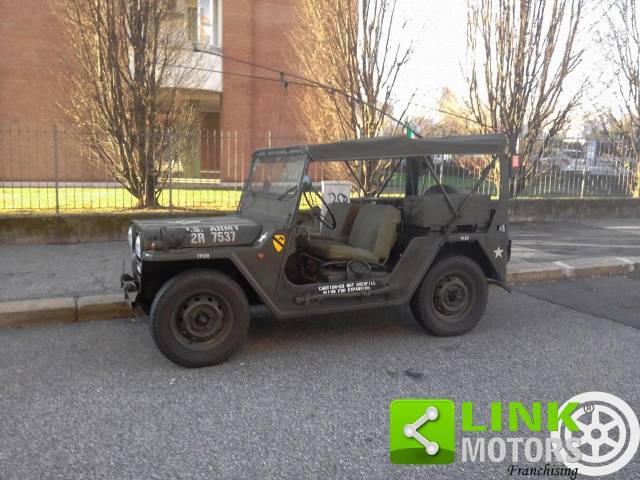
1976 | Ford M 151 A1 (Mutt)
FORD M JEEP M151 1964
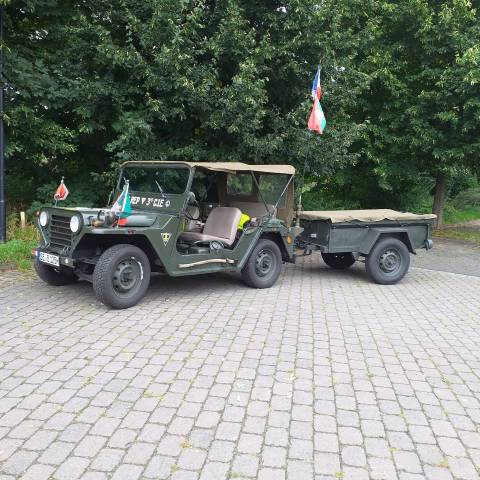
1968 | Ford M 151 A1 (Mutt)
Zum Verkauf biete ich hier, altersbedingt einen Ford Mutt M151 A1 Baujahr 1968

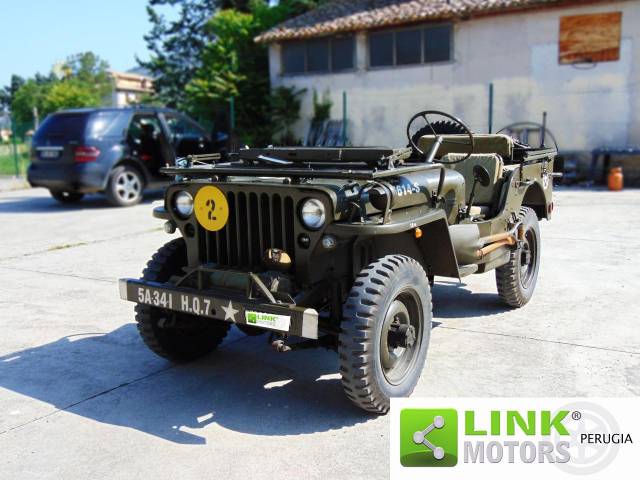
1944 | Ford GPW
FORD GPW "Willys", restauro completo, Targa Oro ASI
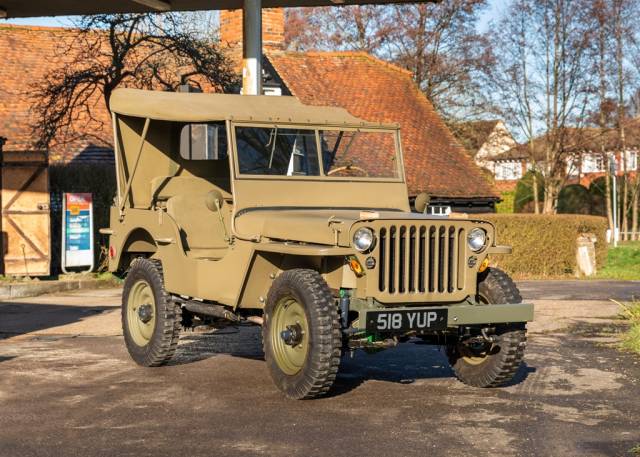
1942 | Ford GPW
Ford Jeep (GPW)
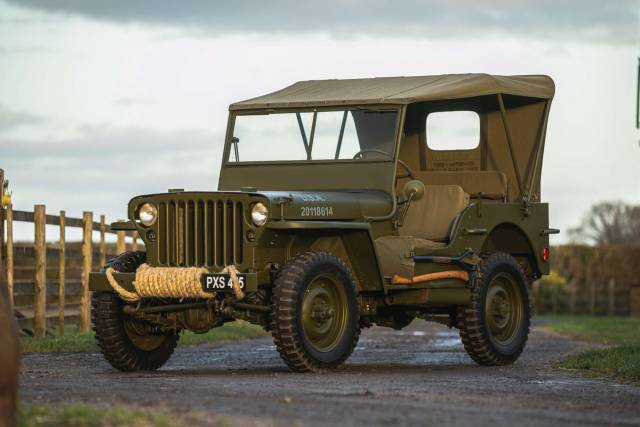
1942 | Ford GPW
1942 Ford GPW Jeep - King George VI
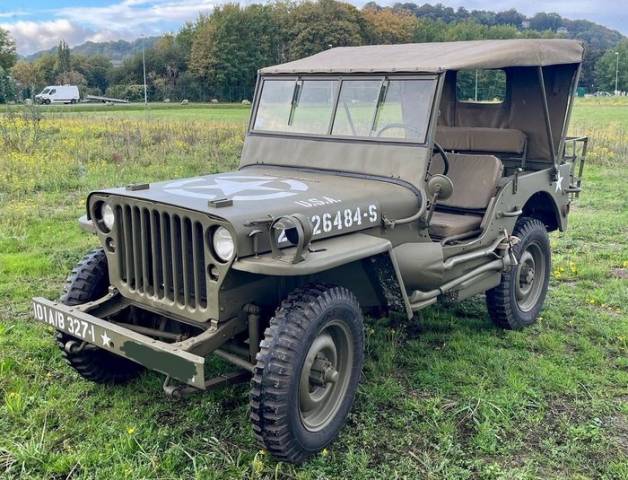
1942 | Ford GPW
Create search alert
Let yourself be notified as soon as a listing is published that matches your search filters.
Create listing
Do you have a Ford Mutt that you want to sell? Then create a listing now.
Create listingFord Mutt Classic Cars: Prices & Market Values
History of the Ford Mutt
The Ford Mutt, designed as the Military Utility Tactical Truck (M151), was introduced in 1959 as the successor to the Willys MB and M38. Unlike its predecessors, which were direct evolutions, the Mutt was developed from scratch with new engineering. While visually reminiscent of early Jeeps, its self-supporting body and modern suspension were significant steps forward. Used extensively by the US Army and numerous allied forces, the Mutt saw service until 1985, when it was replaced by the Humvee. Its deployment included not only troop and cargo transport but also roles as weapons carriers and ambulances. Today, many examples remain preserved by military collectors and museums worldwide.
Model Series Development
The Mutt lineage starts with the wartime Ford GPW, closely related to the original Willys Jeep and built under wartime production contracts from 1942. After the war, the lineage continued with the M38, maintaining the core principles before the full redesign of the M151. The M151 introduced unitary construction and independent suspension. Throughout its lifecycle, various sub-variants were developed, some even equipped with anti-tank weaponry or medical fittings, responding to evolving military requirements. Production under government contracts meant standardization and interchangeability were priorities, resulting in strong parts availability decades after production ceased.
Highlights of the Ford Mutt
The Ford Mutt’s standout features include its unitary body, independent suspension with coil springs, robust 2.2-litre four-cylinder engine delivering 72 HP, and 24-volt electrical system tailored for military usage. Its ground clearance and fording depth enabled traversal across challenging terrain, while a relatively lightweight design (approx. 1,060 kg) aided performance and transport. Both open and soft-top configurations were standard for easy field adaptation. Accessories such as medical kits, military trailers, and weapon mounts underscored its practical flexibility.
Technical Data
Special Editions and Collectible Models
The Ford Mutt series included several notable variants: versions with the M40 recoilless rifle, TOW missile launcher configurations, and ambulance conversions. Some GPW models from wartime production are prized for original features or specific military history. Additionally, mutts with their original armament or rare accessories represent particularly collectible examples among enthusiasts.
Engine and Performance, Transmission and Handling
The 2.2-litre petrol four-cylinder provides sufficient torque and reliability for military field operations, with top speeds approaching 112 km/h. The Mutt’s coil-spring independent suspension delivers improved off-road ride compared to its rigid-axle predecessors. The 4-speed manual transmission is robust, and the open configuration makes maintenance straightforward. However, high centre of gravity and early suspension designs mean that fast cornering can be hazardous—military users required specific driver instruction to mitigate rollover risk. The vehicle’s lightweight enhances manoeuvrability, but safety improvements such as roll bars were retrofitted to later models. The military-grade electrical system and straightforward mechanics keep maintenance approachable for experienced classic vehicle owners. Noteworthy variants include the Ford GPW, favoured for its WWII provenance and iconic design cues, and the M151, which is valued for its more advanced engineering and usability. Both models are widely recognised among military vehicle collectors.
Interior, Comfort, Exterior and Design
The Ford Mutt’s design is unapologetically spartan, reflecting its military mission. The interior is basic, with metal seats, a utilitarian dashboard, and provisions for carrying field equipment. Removable canvas tops and doors allow for rapid configuration changes, while robust bodywork withstands tough environments. Accessories like first-aid kits, shovel and axe mounts, and military trailers often accompany surviving vehicles. Exterior finishes are commonly olive drab or military tan, consistent with armed service requirements. Special features like blackout lights, heavy-duty tow hooks, and field tool holders underline its functionality. Civilian-style comfort was never a focus, but the practical approach to design makes restoration and maintenance simple for dedicated owners.
Other Features
Some Mutt models are notable for their preservation of original military markings, which can significantly enhance historical authenticity. Reproduction parts and restoration support remain available due to the standardized design approach across wartime and post-war production.
Summary
The Ford Mutt series, ranging from the wartime GPW to the post-war M151, delivers a unique experience for classic vehicle enthusiasts with a focus on usability, technical robustness, and genuine military history. Its prevalence in both supply and demand statistics highlights strong ongoing interest. With original accessories, documentation, and proper maintenance, the Ford Mutt remains a rewarding acquisition for those drawn by authentic military engineering and design.