Elva Mk VII Classic Cars for Sale
The Elva Mk VII exemplifies the pure club racing ethos of the 1960s: an ultra-light, uncompromising competition machine with minimalist construction and fierce performance. Built for the circuit and stripped of creature comforts, the Mk VII's combination of lightweight chassis, powerful V6 engines, and sophisticated suspension make it a sought-after choice for historic motorsport and racing purists.
Search results
Currently, there are no matching listings for your search.
Create search alert
Let yourself be notified as soon as a listing is published that matches your search filters.
Create listing
Do you have a Elva Mk VII that you want to sell? Then create a listing now.
Create listingElva Mk VII listing references from Classic Trader
Below you will find listings related to your search that are no longer available on Classic Trader. Use this information to gain insight into availability, value trends, and current pricing for a "Elva Mk VII" to make a more informed purchasing decision.
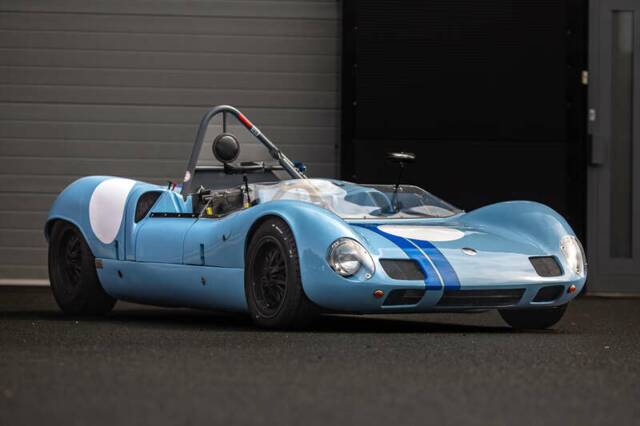
1964 | Elva Mk VII
1964 Elva Mk VIIS - BMW FIA HTP

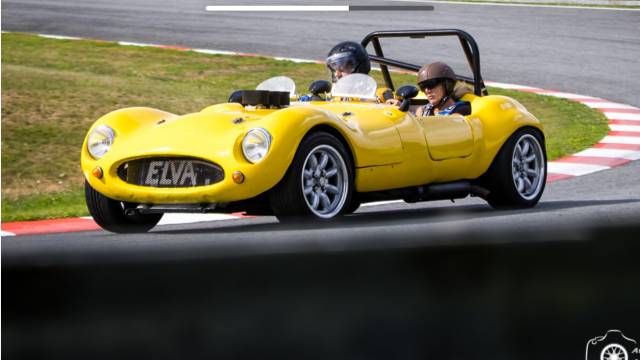
1989 | Elva Mk VII

Create search alert
Let yourself be notified as soon as a listing is published that matches your search filters.
Create listing
Do you have a Elva Mk VII that you want to sell? Then create a listing now.
Create listingElva Mk VII Classic Cars: Prices & Market Values
Introduction and History of Elva Mk VII
The Elva Mk VII emerged during the competitive era of the late 1950s and early 1960s, a period marked by innovation in lightweight sports racing cars. Built by Elva Cars, a British manufacturer focused exclusively on competition vehicles, the Mk VII was engineered as a no-nonsense racer for privateers. The use of a removable fibreglass front end improved access and weight savings, while the steel-tube chassis and low stance showcased the car’s focus on pure driving dynamics. Designed with race circuits in mind, the Mk VII made its name in both British and international club racing, appealing to drivers seeking agility, direct feedback, and ease of maintenance. As a specialist manufacturer, Elva cemented its reputation among enthusiasts looking for an alternative to mainstream brands, with the Mk VII occupying a core position in that legacy.
Model History
The Mk VII followed earlier Elva sportscar designs like the Mk VI, taking the club racing concept into a refined, competition-focused direction. The Mk VII marked an evolution over its predecessors with more aerodynamic bodywork—such as the flat underbody and removable body sections for swift servicing during race weekends. Successor models retained many of the Mk VII’s core traits: minimalist equipment, lightness, and adaptability for various engines, most notably robust V6 units like the Ford Essex. The Mk VII itself is often recreated and restored for historic racing, reflecting its enduring relevance on track and appeal among motorsport enthusiasts.
Highlights of the Elva Mk VII
Every technical feature of the Elva Mk VII serves the purpose of maximising pace and feedback on the race track. Its 700 kg weight is notably low—even by the standards of contemporary club racers—placing it among the most agile cars in its category. The quick-ratio rack and pinion steering, independently adjustable AVO suspension, and disc brakes from high-performance Ford models deliver uncompromising dynamic precision. The removable fibreglass sections, full instrumentation, and easy access to drivetrain components reveal a design discipline that prioritises serviceability. The Mk VII is notorious for its spartan cockpit: no interior trim, no heater, no weather protection, and a complete absence of luxury equipment. A limited-slip differential, stiffened rear axle, and powerful multi-carburettor engines in the 170–240 bhp range further define its sporting character.
Technical Data
Special Editions and Collectible Models
There are no official factory special editions of the Elva Mk VII, but variations often reflect race-specific setups or modern restorations utilising period-correct chassis and mechanical upgrades. Individual cars may stand out due to their provenance, bespoke engine builds, or unique race histories, but the essential blueprint remains constant across original and replica Mk VIIs.
Engine and Performance, Transmission and Handling
Lightness and rawness define the Mk VII’s experience: the car is loud, uncompromising, and delivers relentless feedback on every input. Power is typically in the 170–240 bhp range from the V6, matched to a 4-speed Ford gearbox and LSD. Adjustable AVO suspension means the setup can be tailored for circuit use, and the biting disc brakes (with high-grade hydraulic systems) instill confidence at high speeds. The Mk VII’s low kerb weight and kart-like, mid-engined balance make it especially responsive at the limits. It is intended for the racetrack, and only occasionally certified for road use as a historic vehicle. No comfort or practical concessions exist. The Mk VII dominates Elva’s classic market segment, appearing as the single most prevalent and referenced Elva product on the market—confirmed by its 100% share in both listings and interest among Elva vehicles.
Interior, Comfort, Exterior and Design
The Elva Mk VII’s design is defined by functional minimalism: interior finish is non-existent, as weight was consciously pruned at every stage. The dashboard is equipped with essential race instruments only: Elliot tachometer, gauges for fuel, volts, oil pressure, and water temperature. The fibreglass bodywork can show track scars, and paint finishes are typically of functional rather than aesthetic intent. Suspension geometry is visible and easily modifiable. True to racing tradition, there’s no trim, heater, or weather protection. Some examples feature modern wheels and tyres for compliance, but little in the way of special options or luxury accessories exists.
Summary
As perhaps the defining Elva, the Mk VII represents a no-frills approach to racing—light, powerful, and mechanically straightforward. Its appeal lies in direct communication between man, machine, and road, stripped of superfluous luxury or comfort. The market for Elva Mk VIIs is by nature small and focused, evidenced by its 100% share among Elva listings and interest. This makes the Mk VII a particular draw for purist enthusiasts and historic motorsport newcomers seeking a straightforward entry into vintage racing.