Diva GT classic cars for sale
The Diva GT offers aficionados a rare glimpse into British sports car craftsmanship from the 1960s, tailored for the driving purist. With its lightweight design and racing-inspired features, the GT appeals to collectors seeking something truly distinctive on the classic car market.
Search results
Currently, there are no matching listings for your search.
Create search alert
Let yourself be notified as soon as a listing is published that matches your search filters.
Diva GT listing references from Classic Trader
Below you will find listings related to your search that are no longer available on Classic Trader. Use this information to gain insight into availability, value trends, and current pricing for a "Diva GT" to make a more informed purchasing decision.
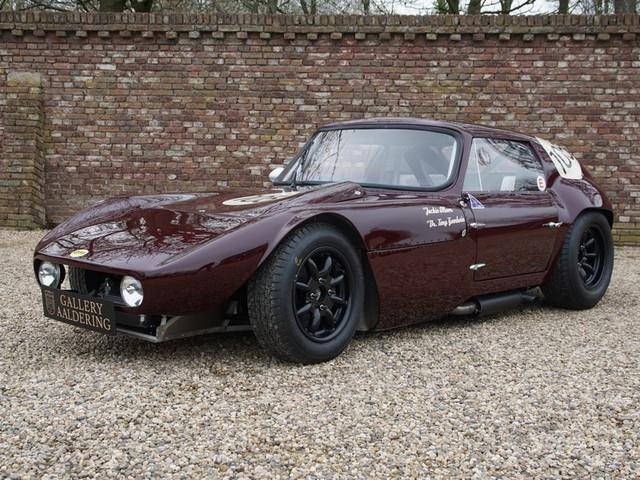
1964 | Diva GT
Oldtimer Sonstige
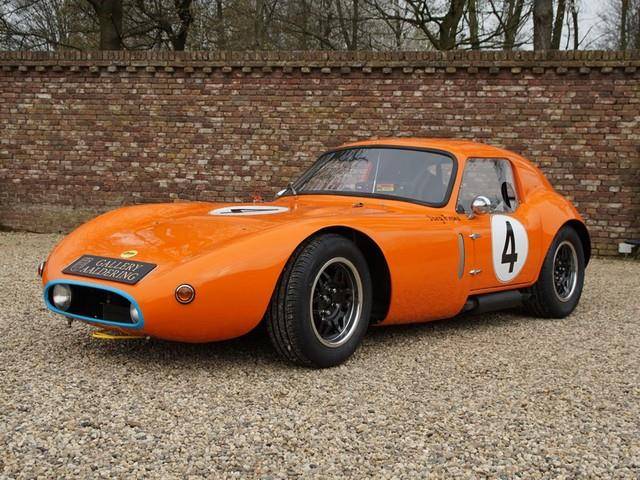
1965 | Diva GT
Oldtimer Sonstige
Create search alert
Let yourself be notified as soon as a listing is published that matches your search filters.
Diva GT Classic Cars: Prices & Market Values
History of the Diva GT
The Diva GT emerged in the early 1960s, developed by the small British manufacturer Diva Cars. Designed primarily for motorsport, the Diva GT was engineered to compete against larger, well-funded marques in national and international GT racing events. Its creators, Frank Costin and Peter Collins, carved a niche by focusing on lightweight construction and effective aerodynamics rather than brute engine power. Hand-built in limited numbers, the Diva GT established itself on British racing circuits, with enthusiasts appreciating its agility, compact proportions, and sophistication relative to the era’s typical kit cars.
Model History
Launched at the heart of Britain’s club racing scene, the Diva GT saw limited production, with chassis evolution corresponding to regulatory changes in GT classes. Early cars mainly featured Ford running gear, while subsequent iterations integrated improvements in suspension geometry and bodywork design. The GT’s development closely followed trackside feedback from drivers, and the progression was evolutionary rather than generational, with continuous updates rather than formally named successor models.
Highlights of Diva GT
The Diva GT stands out for its fibreglass body, steel tubular chassis, and discipline in weight reduction—attributes wholly directed at motorsport. The marque’s dedication to agile handling meant the GT consistently outperformed expectations on technical circuits, thanks to its ideal power-to-weight ratio and low centre of gravity. A true enthusiast’s car, its rarity adds to its appeal among classic motorsport collectors.
Technical Data
Special Editions and Collectible Models
Some Diva GTs were configured specifically for endurance racing and received factory modifications to enhance reliability and speed. Cars with period competition provenance—particularly class winners at major British club events—are considered especially collectible. The Mark 4 represents the most developed iteration of the model, sometimes featuring wider track, flared arches, or bespoke interior adjustments tailored for competition use.
Engine, Performance, Transmission and Handling
With its moderate Ford powerplants and ultralight structure, the Diva GT delivers a remarkably pure driving experience. The manual gearbox (often Ford or Hewland, depending on period and spec) is closely geared for rapid acceleration. Steering is direct and communicative, with body roll kept minimal through the low ride height and race-derived suspension. Accessing the car's full potential requires mechanical sympathy, as settings are naturally firmer than typical road cars of its era, and the mechanical running gear is designed for both performance and reliability. Notable GT examples include cars campaigned successfully in period GT races and those with proven motorsport heritage, sometimes running tuned engines producing over 120 bhp. Technical standouts are the Mark 4 with its improved chassis and wider stance, delivering more confidence at the limit.
Interior, Comfort, Exterior and Design
The Diva GT’s design is immediately recognisable: low-slung, compact coupé lines with generous curves, a long bonnet, and a sharply cut-off tail for improved aerodynamics. Interiors are function-first, with simple instrumentation and minimal upholstery—sometimes just lightweight bucket seats and drilled aluminium panels in racing examples. Some cars appeared with unique colour schemes, or with minor bodywork variations like wider arches for specific racing homologations. Dealer or private period accessories occasionally included wood-rimmed steering wheels, upgraded lighting, or tuneable suspension setups. Every detail served to shave weight or improve driver focus.
Summary
The Diva GT encapsulates the spirit of British grassroots motorsport: light, focused, and engineered for true driving connection. Its rarity, combined with race-bred underpinnings and purist design, ensures it remains a desirable proposition for historic racing fans and classic collectors driven by uniqueness and dynamic excellence.