BSA Threewheeler classic cars for sale
The BSA Threewheeler stands as a distinct entry in British motoring history, known for its unique engineering, three-wheel configuration and characteristic design. Designed for economical motoring while offering mechanical intrigue, the BSA Threewheeler continues to captivate enthusiasts seeking something out of the ordinary.
Search results
Currently, there are no matching listings for your search.
Create search alert
Let yourself be notified as soon as a listing is published that matches your search filters.
Create listing
Do you have a BSA Threewheeler that you want to sell? Then create a listing now.
Create listingBSA Threewheeler listing references from Classic Trader
Below you will find listings related to your search that are no longer available on Classic Trader. Use this information to gain insight into availability, value trends, and current pricing for a "BSA Threewheeler" to make a more informed purchasing decision.
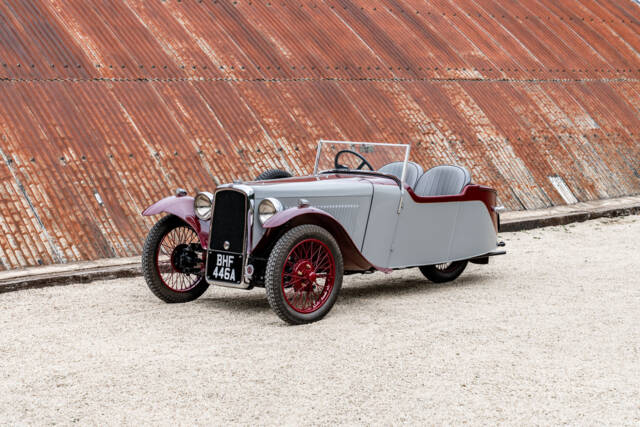
1934 | BSA Threewheeler
A very rare and beautifully restored car

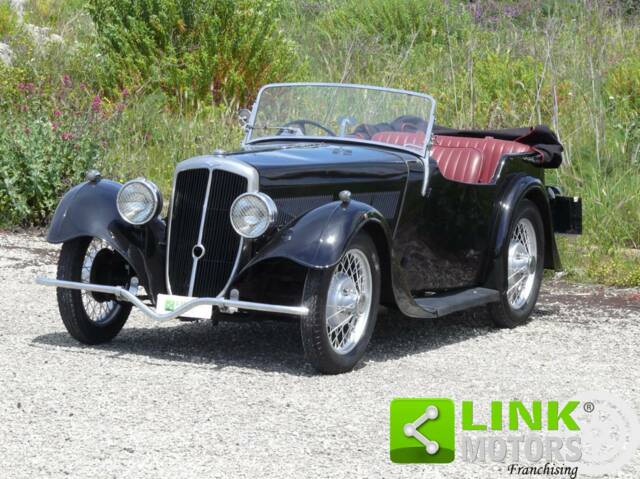
1935 | BSA Threewheeler
OTHERS-ANDERE OTHERS-ANDERE BSA Scout - ASI Targa Oro - Mille Miglia

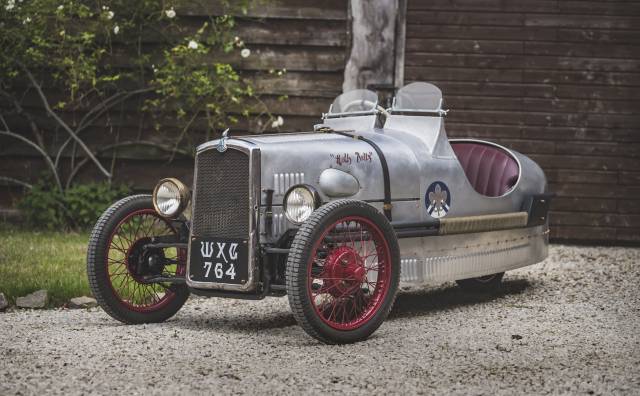
1931 | BSA Threewheeler
Enthusiast - Built to a very High Standard
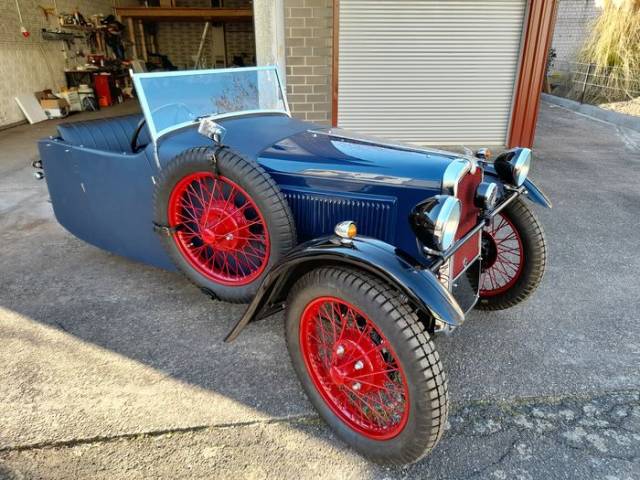
1932 | BSA Threewheeler

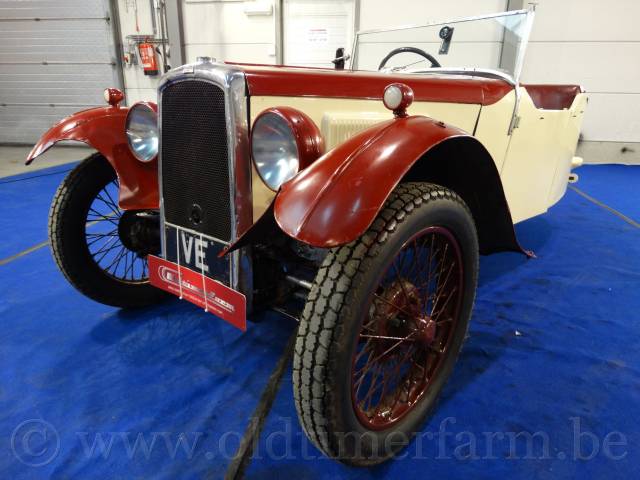
1933 | BSA Threewheeler

Create search alert
Let yourself be notified as soon as a listing is published that matches your search filters.
Create listing
Do you have a BSA Threewheeler that you want to sell? Then create a listing now.
Create listingBSA Threewheeler Classic Cars: Prices & Market Values
History of BSA Threewheeler
The BSA Threewheeler, manufactured by the Birmingham Small Arms Company, emerged during the interwar years in Britain. At a time when vehicle taxation and licensing favoured lighter vehicles, three-wheelers provided a practical and affordable alternative for motorists. BSA, leveraging their motorcycle expertise, introduced the Threewheeler as a bridge between motorcycles and full-fledged cars, offering enhanced weather protection and passenger space, yet maintaining simplicity and cost-effectiveness. Its place in British automotive culture reflects the era’s innovative approach to personal mobility, marrying the reliability BSA had honed in motorcycles with practical motoring solutions.
Model History of the BSA Threewheeler
The BSA Threewheeler series began development in the early 1920s, taking cues from both BSA’s motorcycles and the prevailing demand for accessible motoring. Throughout its production, the line-up saw evolutionary improvements in drivetrain layouts, bodywork and mechanical robustness, adjusting to the needs of private buyers and small businesses alike. While there was no direct predecessor from the BSA stable, the cyclecar movement and contemporary motorcycle-sidecar combinations served as conceptual forebears. The Threewheeler’s production run paved the way for other utility vehicles before being phased out as four-wheeled vehicles became more accessible to the public.
Highlights of the BSA Threewheeler
One of the defining features of the BSA Threewheeler is its combination of an independent front suspension with a chain-driven rear wheel, often powered by side-valve V-twin engines. The lightweight chassis contributed to agile handling, while the open-top body variants reflected 1920s and 1930s design sensibilities. In the context of classic vehicle listings, the BSA Threewheeler represents 100% of BSA cars listed and searched for on Classic Trader, reflecting its singular status and focused appeal within BSA’s limited automotive production.
Technical Data of the BSA Threewheeler
Special Editions and Collectible Models
While the BSA Threewheeler did not have special editions in the contemporary sense, rare body styles—such as delivery vans or period-correct sports models—are keenly sought after by collectors for their unique historical context and scarcity.
Weak Spots and Common Issues
Owners should carefully inspect the integrity of the chassis and body, as older models are susceptible to corrosion, particularly around structural mounting points. Mechanical wear in the chain drive and driveline components, as well as oiling systems typical for early V-twin engines, require attention. As with many vintage three-wheelers, sourcing replacement parts—especially body panels and specialist mechanical items—can pose challenges, but the vehicle’s simple engineering makes many repairs accessible to experienced enthusiasts.
Engine, Transmission and Handling of the BSA Threewheeler
Performance is defined more by character than outright speed. The BSA Threewheeler’s motorcycle-derived V-twin delivers a distinct thrum, with modest acceleration and a top speed fit for secondary roads of its era. The combination of a light body and three-wheel configuration yields nimble handling, but demands attention on uneven surfaces and during spirited cornering. The open body enhances driver involvement, making every journey a period motoring experience. Standout variants include the sports-bodied BSA Threewheelers and rare commercial adaptations, prized for their historical authenticity and characterful driving dynamics. Technical highlights include their chain-drive and independent front suspension—a rarity for the time.
Interior, Comfort, Exterior and Design
The BSA Threewheeler showcases the functionalist design common to British interwar vehicles. Interiors are spartan, with simple instrumentation and minimal upholstery, but the layout prioritises accessibility and driving focus. Exteriors feature swept mudguards, pronounced radiator grilles, and body panels often crafted from aluminium or steel, depending on body style and year. Some models offered weather gear or convertible tops, and colours ranged from utilitarian greys and greens to more vibrant period-correct hues on special orders. Accessories such as period driving lamps, wire wheels, and luggage racks accentuate the authenticity.
Other Notable Features
Given their utilitarian origins, some surviving BSA Threewheelers may feature period add-ons like luggage carriers or dealer-installed accessories such as windscreens and toolkits, offering a glimpse into the practicalities of 1920s–30s motoring. Their presence at classic events is often celebrated for their rarity and mechanical simplicity.
Summary
The BSA Threewheeler is a singular figure in British motoring, valued for its distinctive engineering, period-correct driving experience and historical significance. With 100% representation in both supply and demand statistics for BSA automobiles on Classic Trader, it remains the quintessential collector’s choice for enthusiasts seeking a three-wheeled alternative within the classic car landscape.