BSA Ten classic cars for sale
The BSA Ten offers collectors a rare look into early 1930s British automotive design. As a compact, accessible alternative designed during the Great Depression, this model reflects both an economic and technical approach from BSA’s collaboration with Daimler. For enthusiasts seeking an entry point into pre-war motoring, the Ten delivers unique character seldom found in today’s market.
Search results
Currently, there are no matching listings for your search.
Create search alert
Let yourself be notified as soon as a listing is published that matches your search filters.
BSA Ten listing references from Classic Trader
Below you will find listings related to your search that are no longer available on Classic Trader. Use this information to gain insight into availability, value trends, and current pricing for a "BSA Ten" to make a more informed purchasing decision.
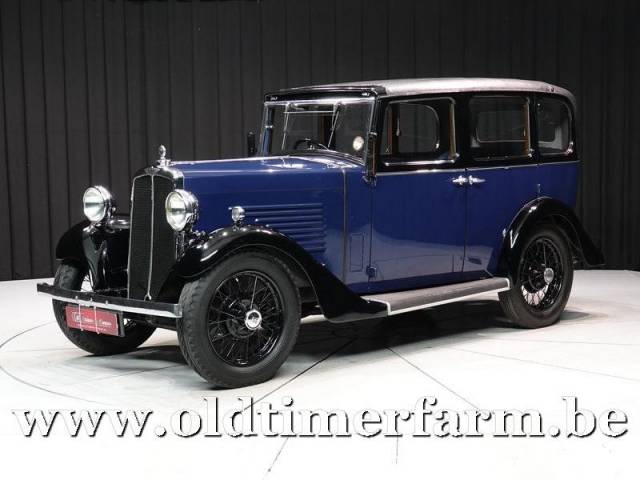
1934 | BSA Ten
1934 BSA Ten Saloon '34

Create search alert
Let yourself be notified as soon as a listing is published that matches your search filters.
BSA Ten Classic Cars: Prices & Market Values
History of the BSA Ten
The BSA Ten emerged during a pivotal period in British motoring, introduced in October 1932 but only reaching customers by early 1933. Developed by BSA Cars and produced by Daimler—a BSA subsidiary—the Ten aimed to answer the economic pressures of its era. Its purpose was clear: provide a practical, more affordable vehicle to those who sought reliable transport during the tough economic conditions of the 1930s. The Ten’s launch highlighted BSA’s attempt to broaden its reach beyond motorcycles, leveraging Daimler’s expertise but differentiating with cost-effective manufacturing.
Model History of the BSA Ten Series
Positioned as a budget-friendly alternative to the Lanchester Ten, the BSA Ten was not a direct copy but rather a distinct model, utilising a unique side-valve engine developed specifically by BSA. It sacrificed a degree of comfort and finish for price, setting it apart in the segment. The Ten’s short-lived production run means there are few direct predecessors and no direct successors, marking it as a singular entry in BSA’s four-wheeled line-up of the early 1930s.
Highlights and Distinctive Features
The BSA Ten stands out as a small, affordable saloon designed for mass-market appeal in the early 1930s. Unlike the more prestigious Lanchester sibling, the Ten incorporates a straightforward engineering approach, relying on its side-valve engine and simple chassis layout. Its utilitarian design was fundamental for a post-Depression audience that prioritised running costs and simplicity over luxury detailing.
Technical Data
Special Editions and Collectible Models
There are no widely recognised special editions of the BSA Ten. Its limited production, however, means any surviving example—particularly those with original factory fittings—can be considered a notable find within the British pre-war car scene.
Weak Spots and Common Issues
Specific data on weak spots for the BSA Ten is not available. As with many vehicles from this era, look out for general wear due to age, particularly in the engine, electrical wiring, and exterior body panels. Parts availability may pose a challenge due to the model’s limited production numbers.
Engine, Performance, Transmission and Handling
Designed for an economic audience, the BSA Ten’s side-valve engine offers modest performance. Expect straightforward power delivery with reliability prioritised over speed. The chassis setup focuses on durability and simple maintenance, making it approachable for those new to pre-war motoring. Handling is predictable but unremarkable compared to more sporting contemporaries. Manual transmission further emphasises its period-correct character. The BSA Ten itself represents the highlight of BSA’s foray into small saloons, recognised by its balance of accessible engineering and distinctive early 1930s design.
Interior, Comfort, Exterior and Design
The BSA Ten’s design reflects early 1930s British sensibilities. Exterior detailing is minimal, intended to reduce manufacturing costs and appeal to pragmatic buyers. Interiors are basic, with practical materials and little in the way of ornamentation—another nod to period economising. Available paint and trim combinations were similarly restrained, focusing on durable finishes rather than customisation. Accessories and optional extras were likely minimal if offered at all.
Further Information
Owing to its short production run and position as an economical car of the 1930s, the BSA Ten is rarely seen at classic gatherings today. Its engineering places it apart from both luxury and performance sectors, offering instead a unique lens on practical motoring in interwar Britain.
Summary
The BSA Ten captures a distinctive chapter in BSA and Daimler’s automotive history, representing a pragmatic and resourceful answer to the demands of the Great Depression. Its simple engineering, scarce presence, and period-typical design make it a choice for collectors seeking a window into 1930s automotive culture.