Brabham BT38 classic cars for sale
The Brabham BT38 stands as a dedicated Formula 2 single-seater from the early 1970s, developed for competitive motorsport and distinguished by its purpose-built engineering. This model is especially notable among historic racing enthusiasts who value its pure driving focus and pedigree from the height of European Formula racing.
Search results
Currently, there are no matching listings for your search.
Create search alert
Let yourself be notified as soon as a listing is published that matches your search filters.
Create listing
Do you have a Brabham BT38 that you want to sell? Then create a listing now.
Create listingBrabham BT38 listing references from Classic Trader
Below you will find listings related to your search that are no longer available on Classic Trader. Use this information to gain insight into availability, value trends, and current pricing for a "Brabham BT38" to make a more informed purchasing decision.
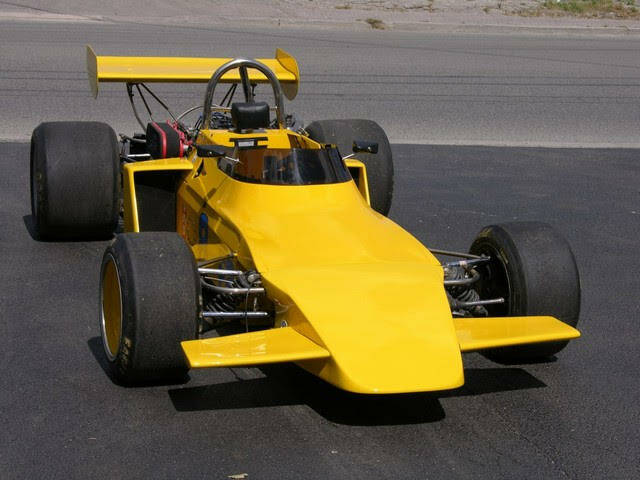
1972 | Brabham BT38
RESTORED BT38 (Formula 2/ Formula Atlantic Race Car)
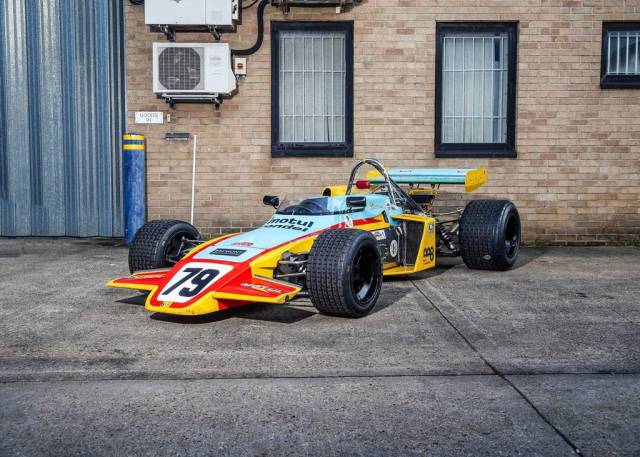
1972 | Brabham BT38
Brabham BT38

Create search alert
Let yourself be notified as soon as a listing is published that matches your search filters.
Create listing
Do you have a Brabham BT38 that you want to sell? Then create a listing now.
Create listingBrabham BT38 Classic Cars: Prices & Market Values
History of the Brabham BT38
The Brabham BT38 was introduced for the 1972 Formula 2 season, designed by the legendary engineer Ron Tauranac for Motor Racing Developments Ltd. Brabham, already established in the world of single-seater racing, continued its tradition of innovation with the BT38 by focusing on a clean sheet approach suited to the new regulations of the era. Built to excel in formula racing, the BT38 utilised advancements in chassis dynamics and safety that were state-of-the-art for its time. The model participated prominently in various European Formula 2 events, both as a factory effort and in the hands of privateer teams across the continent.
Model Series Evolution
The BT38 followed the BT36 as Brabham’s main Formula 2 chassis, marking a design shift towards more modern monocoque construction and improved aerodynamics. Its direct successor was the BT40, which continued to refine the concept with further updates for the mid-1970s racing seasons. The BT38 itself had several specifications tailored for Formula 2 and Formula B/American Formula Atlantic, demonstrating its flexibility for multiple racing regulations.
Highlights and Market Position
The BT38 is valued by historic motorsport collectors and vintage race entrants for its clarity of purpose—delivering pure, unassisted driving feedback and a connection to a golden era of Formula 2. Its competitive history and original period technology make each example an authentic experience. Designed explicitly for Formula 2 and Formula Atlantic grids, its mechanical layout offers an ideal basis for period-correct restoration or vintage racing. Thanks to its professional racing roots, the BT38 delivers an unfiltered experience rarely matched by non-purposed classic cars.
Technical Data
Special Editions and Collectible Models
The BT38 saw special preparation for both Formula 2 and Formula Atlantic categories, with small adaptations to engines, fuel systems, and some bodywork to suit regulatory differences. While not officially released as 'limited editions,' BT38/2 (Formula Atlantic spec) models are sometimes particularly sought after due to their eligibility for specific event series.
Weak Spots and Common Issues
There is no specific documented widespread issue for the Brabham BT38 in our available sources. However, like any period racing single-seater, condition of chassis welds, age and material fatigue, and suitability of braking and fuel systems for current use are crucial aspects to scrutinise. Any restoration work should carefully reference period-correct build specifications and comply with modern historic motorsport safety regulations.
Engine, Transmission, and Handling
The BT38 offers a tactile, mechanical driving experience, distinctive of early 1970s Formula cars. Its chassis is engineered for agility and responsive cornering, with direct feedback through its unassisted steering. The combination of light weight, advanced suspension geometry for its time, and reliable Hewland gearbox ensures swift gear changes and optimal traction exiting corners. Engine output depends on category, with typical period engines producing between 200-240bhp, yielding impressive performance due to the car's low mass. - Brabham BT38 Formula 2 specification: BMW M12 engine, 220–240bhp, 5-speed Hewland FT200, four-wheel disc brakes.
- Brabham BT38 Formula Atlantic specification: Ford BDA engine, single-seater configuration adapted for North American events.
Interior, Comfort, Exterior and Design
The BT38 is stripped to essentials, as expected of a competitive single-seater: no comfort features, a spartan cockpit, wraparound instrument cluster, fire extinguisher system, and race harness. Aluminium panels and exposed rivets characterise the interior, while the exterior features a low-nose, wide stance, and adjustable aero components appropriate for downforce optimisation. Most examples sport period liveries, with customisation in sponsor colours or team insignias being common. Accessories are limited to racing necessities – quick-release steering wheel, period-correct switches, and externally, racing number lights and tow points.
Other Notable Features
Eligible for a wide range of historic events, including FIA-sanctioned historic Formula 2 and Formula Atlantic races. Documentation and provenance are especially important for this model due to its motorsport-only background, and original logbooks or race history greatly enhance both authenticity and eligibility for prestigious events.
Summary
The Brabham BT38 stands alone as the primary Brabham offering on the classic market, commanding attention from historic racing enthusiasts and collectors seeking authentic, period-correct single-seater engineering. Its uncompromising race-bred design, tailored for Formula 2 and Formula Atlantic competition, anchors its reputation as a pure driver's car and a compelling candidate for historic motorsport participation.