Biscúter 200 Classic Cars for Sale
The Biscúter 200, constructed in Barcelona by Autonacional and styled by Gabriel Voisin, is renowned for its polished aluminium body and its remarkable minimalist engineering. Its distinctive design and rarity appeal strongly to classic car aficionados.
Search results
Currently, there are no matching listings for your search.
Create search alert
Let yourself be notified as soon as a listing is published that matches your search filters.
Create listing
Do you have a Biscúter 200 that you want to sell? Then create a listing now.
Create listingBiscúter 200 listing references from Classic Trader
Below you will find listings related to your search that are no longer available on Classic Trader. Use this information to gain insight into availability, value trends, and current pricing for a "Biscúter 200" to make a more informed purchasing decision.
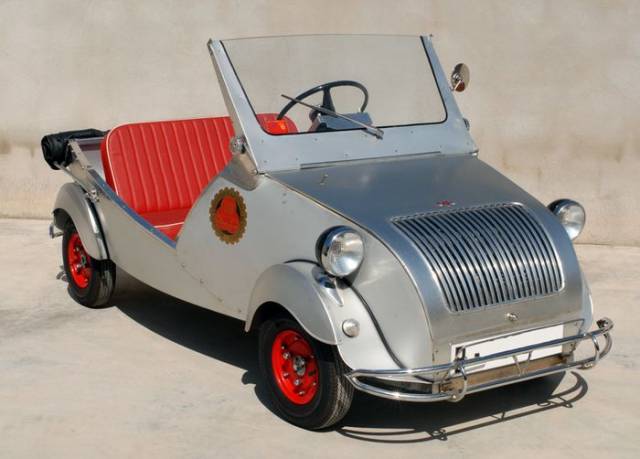
1953 | Biscúter 200

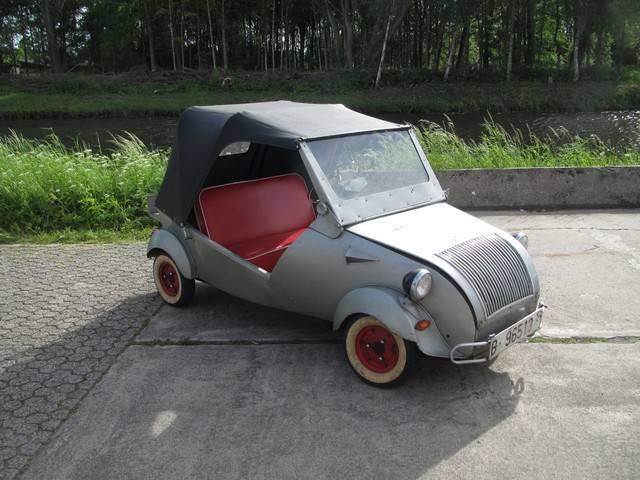
1955 | Biscúter 200
Oldtimer Voisin
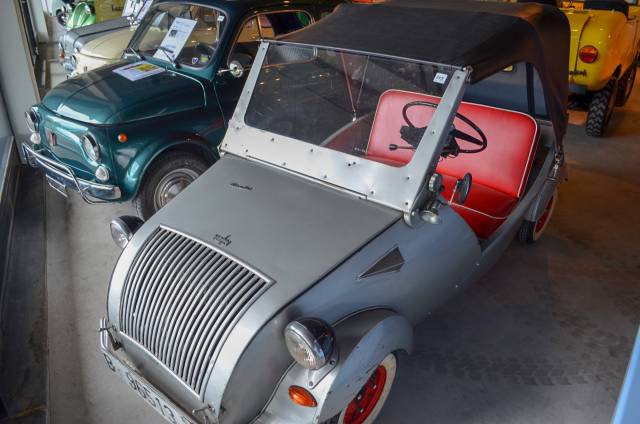
1955 | Biscúter 200
Online Auction "Classics, Sports Cars & Specials". From 9th to 22nd of May
Create search alert
Let yourself be notified as soon as a listing is published that matches your search filters.
Create listing
Do you have a Biscúter 200 that you want to sell? Then create a listing now.
Create listingBiscúter 200 Classic Cars: Prices & Market Values
History of the Biscúter 200
The Biscúter 200 found its roots in Barcelona, Spain, where it was built by Autonacional. Developed in the challenging post-war era, its purpose was to provide affordable mobility during a time when Spain faced restrictions on materials and vehicle imports. The legendary French engineer Gabriel Voisin, previously known for crafting luxury automobiles on par with Bugatti, was the driving force behind its design. Voisin's concept for the Biscúter blended engineering pragmatism with creative design solutions, optimising limited resources. The vehicle’s name derived from the 'Bi-Scooter' concept, emphasising its intent as a dual-person lightweight transport. Quickly embraced by the Spanish public, it acquired the endearing nickname 'Zapatilla' (slipper) due to its unmistakable silhouette. Production ran until 1960, achieving a total of approximately 12,000 units, a testament to its significant role in Spanish automotive culture.
Model History
The Biscúter 200 stands as the principal production variant within the Biscúter lineup. Designed to address the stark economic conditions of Spain in the 1950s, the 200 model did not have a direct predecessor, as it represented a new approach to affordable motoring. Later, variations and bodywork updates would appear, but the core mechanical setup and visual design stayed closely aligned with the original concept crafted by Voisin.
Highlights of the Biscúter 200
Distinguished by its fully polished aluminium bodywork, the Biscúter 200 adopted a function-first ethos, balancing lightness and visual impact. The vehicle used a Hispano-Villiers engine featuring a custom cylinder head to enhance heat dissipation—an innovative response to the Spanish climate and urban conditions. Original examples came with unique features such as optional bumpers, a reverse gear, and a folding roof, all enhancing practicality without redundancy. The public affectionately nicknamed it 'Zapatilla', underscoring its status as a cultural reference in Spain's motoring history.
Technical Data
Special Editions and Collectible Models
The production run of the Biscúter 200 included various configurations, mainly in detail trim and bodywork, but no officially numbered limited editions are known. Collectibility centres on condition, year of production, and original accessories such as the rare reverse gear, bumpers, and the original roof.
Weak Spots and Common Issues
Due to the Biscúter 200's minimalist engineering, mechanical complexity is low, making routine servicing straightforward for experienced enthusiasts. As most surviving vehicles are over 60 years old, corrosion in the aluminium body’s mounts and chassis points, as well as engine wear from the Hispano-Villiers unit, deserve scrutiny. Gaskets, cooling elements, and original trim pieces may present sourcing challenges, as production numbers were limited and restoration parts are not widely reproduced.
Engine, Performance, Transmission, and Handling
The Biscúter 200’s Hispano-Villiers engine is designed for urban mobility, prioritising reliability and thermal efficiency over outright speed. Its mechanical simplicity guarantees direct handling, while the low mass results in nimble behaviour around city traffic. The transmission is pared down, with early models lacking a reverse gear unless optioned. Suspension and ride quality prioritise utility rather than comfort, matching the needs of postwar urban Spain. Key variants are highlighted by small differences in features, most notably the inclusion of reverse gear and bumpers. Collector attention frequently targets the earliest production examples due to their historical context and completeness.
Interior, Comfort, Exterior, and Design
Voisin’s influence is evident in the Biscúter 200’s visual language: unpainted, polished aluminium exteriors signal industrial honesty and cost efficiency. The vehicle’s cockpit is sparse but purpose-driven, with little in the way of comfort features aside from the optional folding roof. The minimalist dashboard and lightweight seating reflect a dedication to function over form, while details like the exterior trim and accessory bumpers set apart better-equipped variants. The unique proportions, earning it the 'Zapatilla' nickname, remain instantly recognisable among microcars.
Other Features
Some surviving Biscúter 200s still sport period accessories, ranging from dealer-fitted luggage racks to rare colour add-ons. Documentation, such as factory booklets and local Spanish registration plates, is especially prized among historians and collectors due to the marque's limited production history.
Summary
The Biscúter 200, a backbone of Spanish micro-mobility, stands out for its resourceful design, robust engineering, and significant cultural role in postwar Spain. Its survival rate is extremely low, with only a handful of well-preserved examples around today; original condition and period features strongly influence collectibility. Authentically restored Biscúters maintain a following among enthusiasts searching for the truest representation of midcentury Spanish ingenuity.