- Car
- AWZ (1 offer)
AWZ classic cars for sale
The AWZ marque stands for a unique chapter in East German automotive history. Known primarily for lightweight vehicles like the P70, AWZ combined technical ingenuity with a distinct design culture shaped by postwar realities in Zwickau. Today, AWZ classics such as the P70 are a rarity and capture the spirit of automotive innovation behind the Iron Curtain.
Search results
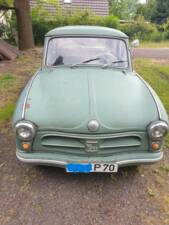
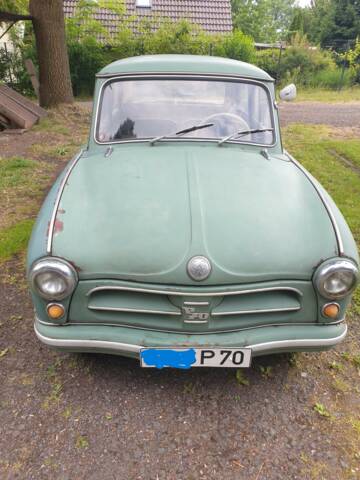
1958 | AWZ P 70
Originalzustand, nicht restauriert

AWZ listing references from Classic Trader
Below you will find listings related to your search that are no longer available on Classic Trader. Use this information to gain insight into availability, value trends, and current pricing for a "AWZ" to make a more informed purchasing decision.
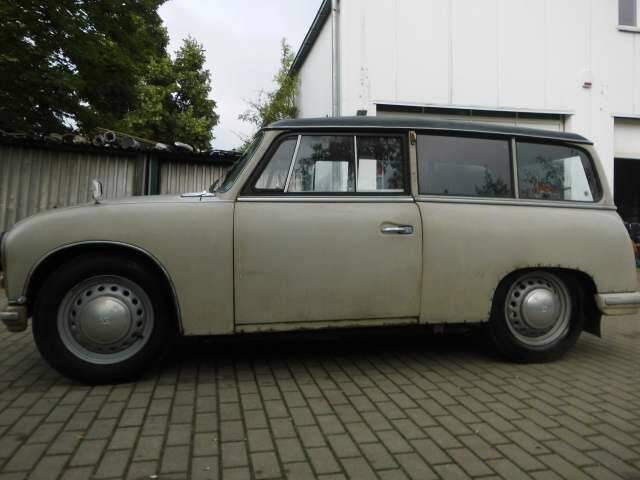
1956 | AWZ P 70
Trabant P 70 Kombi , Vorgänger Trabant
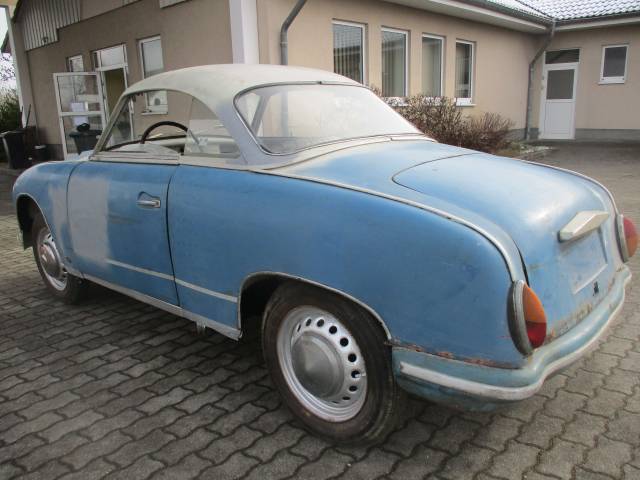
1958 | AWZ P 70
Trabant P 70 Coupe
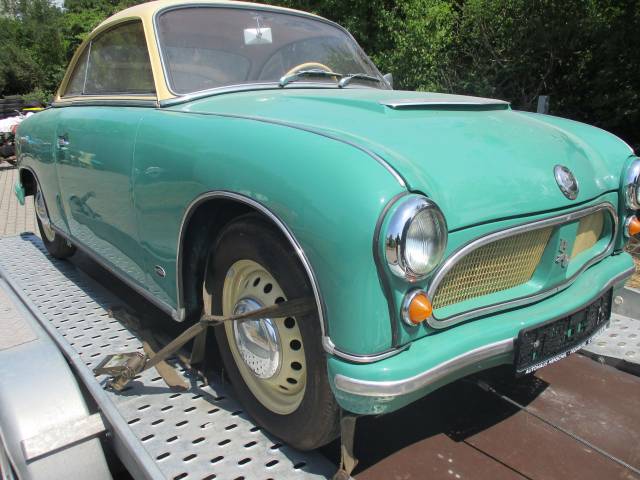
1959 | AWZ P 70
Trabant P 70 Coupe
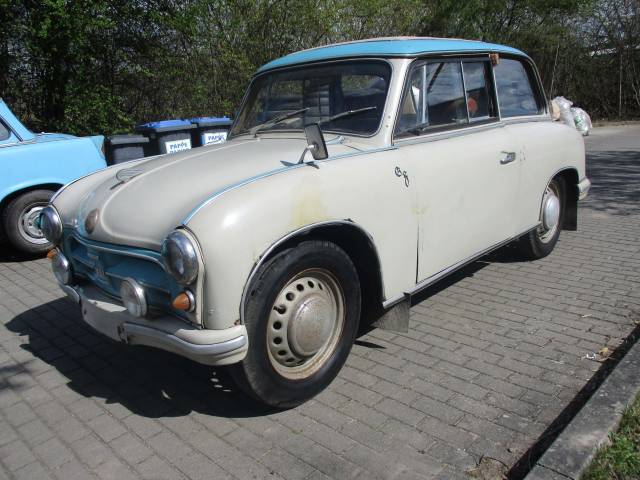
1959 | AWZ P 70
Trabant AWZ P 70 Limousine mit Faltdach
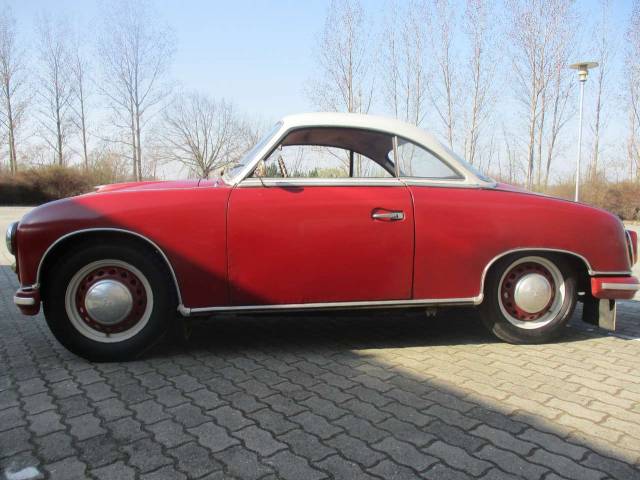
1959 | AWZ P 70
Trabant P 70 Coupe
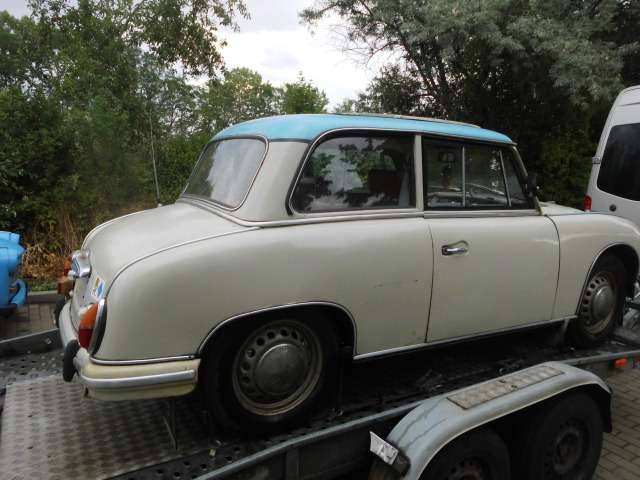
1959 | AWZ P 70
Trabant P 70 Limousine mit Faltdach
History of AWZ
AWZ (VEB Automobilwerke Zwickau) traces its roots to one of Germany’s oldest and most storied automotive sites, which began as the Audi plant of August Horch in 1909. Post-WWII, the Soviet administration nationalized and partially dismantled the facilities. While much prewar production focused on DKW models, 1949 marked a new start with the continuation of IFA F8 and the DKW F9—both pivotal for the rebirth of local car production. AWZ rose officially out of this context, embodying the industrial recovery of the DDR. Notably, AWZ developed the P70, one of the world’s first series-production cars with a plastic (Duroplast) body, available as saloon, estate, and convertible. From 1958, this car was marketed as the Sachsenring P70. Later consolidation led AWZ to be absorbed into VEB Sachsenring, crucial for the line of Trabant models.
Model history
Key models in the AWZ portfolio include the IFA F8 (a front-wheel drive car, the basis for later models), the IFA F9 (whose production continued in Eisenach and later formed the foundation for the Wartburg), and the P70, debuting as both a technological and material innovation with its Duroplast body. The P70 paved the way for the later Trabant P50 (Trabant 500), which went into production at AWZ’s factory. AWZ’s active period as an independent operation closed in 1958, but its legacy carried on as the core of East German mass car production.
Highlights and unique features of AWZ cars
AWZ stands out for pioneering mass-production use of plastic bodywork in the P70 series—a direct response to the shortage of pressed steel in postwar East Germany. Other technological advances included reliable front-wheel-drive layouts and compact, economical engines adapted from DKW designs. The brand’s Zwickau plant became synonymous with forward-thinking, robust vehicles tailored for the challenging conditions of the DDR.
Technical data
Special editions and collectible models
The P70 was offered in several variants: saloon, Kombi (estate), and a convertible. While exact editions were not officially designated as special, the Cabriolet variant is today rare and sought after due to much lower production numbers compared to the saloon and estate. Special colours and customer-ordered configurations increased variety within otherwise standardised production.
Weak spots and common issues
No detailed reports of chronic problems are documented in the provided data. However, classic East German two-stroke engines like those in the P70 commonly require attentive maintenance regarding ignition timing, regular cleaning of carburettors and fuel lines, and monitoring of fuel-oil mixture ratios. The Duroplast body is resistant to corrosion, but underlying frame rust and general drivetrain wear remain critical for used examples.
Engine, transmission, and driving characteristics
The AWZ P70’s two-cylinder two-stroke engine, with front-wheel drive, produced modest power, focusing on practicality rather than speed. Its low weight aided fuel efficiency and agile handling for its era. The three-speed manual transmission matched the powerplant well for city and rural driving—steering and ride quality correspond to the standards and road conditions of 1950s East Germany. The AWZ P70 dominates the marque’s classic supply and demand, with all available listings and searches verified as P70 models, echoing its prominence and contemporary attractiveness for collectors seeking DDR automotive history.
Interior, comfort, exterior, and design
The P70’s design is marked by the pragmatic and innovative use of Duroplast, resulting in a body shape with simple, rounded forms. Interiors favoured function over luxury, using basic materials reflecting the state-controlled economy. Special features included factory-fitted sunroofs and, in some cases, two-tone colour schemes. Accessories and custom features were rare in series production but gained popularity through owner modifications post-delivery. The AWZ logo, a laurel-wreathed circle with interlaced initials, underscored the brand’s self-reliance and pursuit of distinction in a tightly regulated marketplace.
Other relevant features
AWZ’s historical plant site in Zwickau is now home to the August Horch Museum, preserving not just the technical history of AWZ but also broader East German automotive culture.
Summary
AWZ vehicles—most notably the P70—are milestones of East German engineering, reflecting a saga of resourcefulness and technological adaptation under challenging socio-political conditions. Their outstanding material innovations, straightforward mechanics, and historical provenance make them a valuable reference point for classic car enthusiasts exploring the rich tapestry of 20th-century automotive development.