- Car
- AWS (0 offers)
AWS classic cars for sale
AWS, short for Automobilwerk Walter Schätzle, stands for one of Germany’s rarest automotive stories. Built in Berlin-Rudow between 1973 and 1974, the AWS Shopper is a small city car defined by its unique, angular design and hand-built manufacturing. With only 1,700 cars produced, AWS is the epitome of exclusivity in classic mobility.
Search results
Currently, there are no matching listings for your search.
Create search alert
Let yourself be notified as soon as a listing is published that matches your search filters.
AWS listing references from Classic Trader
Below you will find listings related to your search that are no longer available on Classic Trader. Use this information to gain insight into availability, value trends, and current pricing for a "AWS" to make a more informed purchasing decision.
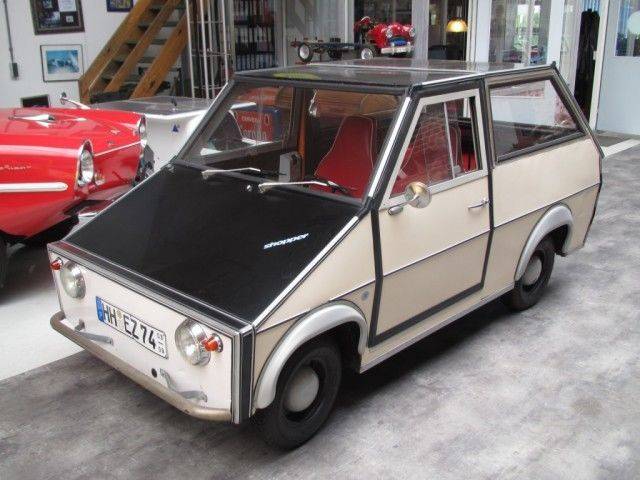
1974 | AWS Shopper 250
Andere AWS Shopper

Create search alert
Let yourself be notified as soon as a listing is published that matches your search filters.
History of AWS
AWS, or Automobilwerk Walter Schätzle, was a brief but notable chapter in German automotive history. Founded by engineer Walter Schätzle in Berlin-Rudow in 1973, the company originated after Schätzle’s experience at the Borgward plant in Bremen. He started by designing a compact car for city use, first displayed at the 1970 Hannover Expo as the Piccolo prototype. The innovative approach relied on lightweight aluminium construction and plasticised sheet-metal panels, making assembly possible even outside industrial conditions. In 1973, AWS opened its only production site and rebranded the Piccolo as the AWS Shopper. Despite Berlin state subsidies and a focus on urban needs, low demand forced AWS to cease operations in 1974, having only produced about 1,700 vehicles. The ambitious plan to produce commercial minivans and pickups never reached mass production, leaving the AWS Shopper as the company’s single enduring legacy.
Model history
The development of AWS revolved entirely around the Shopper model. The car’s roots go back to the Piccolo prototype, which set the foundation for the Shopper’s practical city focus and construction technique. After 300 units as Piccolo, the move to Berlin and subsequent launch of the Shopper marked AWS’s only foray into full series production. No major successors or follow-up models were built, although a handful of prototypes for small utility vehicles existed but were never released commercially.
Highlights of AWS
AWS stands out for its radical approach to microcar construction in the early 1970s. The body’s striking angular lines, lightweight materials, and bright two-tone combinations made it unmistakable on city streets. The entire brand is essentially represented by the Shopper, manufactured with hand tools and minimal industrial processes. This ultra-niche approach means AWS models are extremely rare at events and in the classifieds. Owning an AWS today is an insider’s choice for collectors focusing on true exclusivities.
Technical Data
Special Editions and Collectible Models
No officially designated AWS special editions are recorded. However, early Piccolo prototypes, distinguished by even rarer production numbers and pre-Shopper styling, hold special standing among enthusiasts. Some mini-truck and mini-van prototypes were developed but never went into series production.
Weak Spots and Common Issues
Due to the car’s light structure and limited production, sourcing body panels and unique parts can be difficult. Standard mechanical components, particularly from the Goggomobil engine, are relatively straightforward to maintain using established parts networks. Owners should expect potential challenges with unique consumables, trims, and non-standard finishes.
Engine and Performance, Transmission and Handling
The AWS Shopper’s 250cc two-cylinder engine provides modest performance focused on city travel, not highways. Its minimal weight offers agile handling in urban settings, with simple, direct controls and no power assistance. Highway driving and long-distance comfort were outside its design priorities. Manual gearboxes ensure a mechanical driving feel, albeit requiring familiarity with vintage shifting manners. The only model widely available is the AWS Shopper. Early Piccolo prototypes stand apart due to distinct features, including lightweight construction and unique bodywork, but are nearly unobtainable today.
Interior, Comfort, Exterior and Design
AWS cars capture a 1970s vision of practical urban mobility, with boxy shapes emphasising space for passengers and luggage. The prominent use of orange panels with black accents underscored the car’s extraverted stance. Interiors were kept straightforward, focusing on functionality rather than luxury. Assembly methods allowed for accessible repairs, though interior materials prioritised durability over refinement. Unique accessories or luxury options were not typical, as the Shopper targeted utilitarian value for urban environments.
Other relevant features
The AWS Shopper’s visual distinctiveness, limited production, and Berlin heritage make it a talking piece at car events. Its focus on local assembly with limited tools links it to a DIY automotive culture that differs from mainstream manufacturing. While no lasting brand logo was created, AWS’s attempt at automotive independence remains a curiosity for German car history enthusiasts.
Summary
AWS built its reputation on the singular Shopper model—a car created for urban environments with a construction process accessible even to small workshops. Produced during only a short period in West Berlin, the AWS Shopper exemplifies rare German engineering experimentation. Today, surviving examples stand out for their design, exclusivity, and the engineering story they embody.