- Car
- Ariès (0 offers)
Ariès classic cars for sale
Ariès cars stand for over a century of motoring heritage, offering unique pre-war engineering and a truly raw driving experience. With around 20,000 vehicles crafted in France between 1902 and 1937, Ariès cars like the Type S capture an era of adventure, historic craftsmanship, and uncompromising mechanics.
Search results
Currently, there are no matching listings for your search.
Create search alert
Let yourself be notified as soon as a listing is published that matches your search filters.
Ariès listing references from Classic Trader
Below you will find listings related to your search that are no longer available on Classic Trader. Use this information to gain insight into availability, value trends, and current pricing for a "Ariès" to make a more informed purchasing decision.
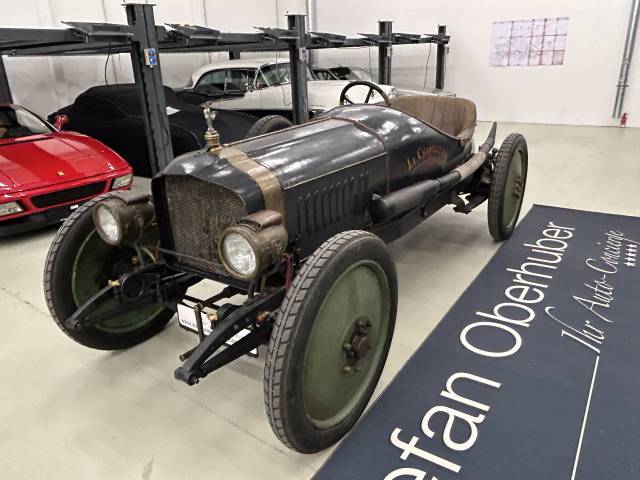
1908 | Ariès Type S
Very rare French sportscar in vintage condition

Create search alert
Let yourself be notified as soon as a listing is published that matches your search filters.
History of Ariès
Ariès was founded in 1902 by Baron Charles Petiet in Asnières-sur-Seine, France. The company built its reputation on robust engineering and inventive solutions for both the road and the track. Throughout its lifespan, Ariès produced around 20,000 vehicles, combining woodwork and metalwork reflective of the period's technical standards. The marque’s vehicles stood out for their dedication to mechanical purity and a hands-on approach, both in build and operation. Production finished in 1937, sealing Ariès’ status as a representative of early 20th-century motoring enthusiasm.
Model history
Ariès developed several models during its existence, with the Type S – first appearing in 1908 – as a prominent representative. The Type S was built in a 'rolling Baquet' Roadster configuration, ideal for both competition and road use. The model's character is defined by its combination of period-correct mechanical components, including manually operated pumps and mechanical brakes, and its suitability for both seasoned vintage drivers and those entering the world of pre-war motoring. Ariès cars had no direct mainstream successors, as the company ceased operations in the 1930s.
Highlights
Ariès vehicles feature pronounced practical simplicity. Notable is the manual fuel pump, wood-and-sheet metal bodywork true to early construction methods, and mechanical brakes acting directly on the propshaft – all features providing a distinctly raw and original driving sensation. Headlights and indicators are subtly integrated, ensuring period-correct aesthetics blend with minimal modernisation where required, for example for road legality.
Technical data
Special Editions and Collectible Models
Due to the limited production volume and the sheer age of surviving vehicles, every Ariès, especially the Type S, is effectively a collectible. Variations centre around the body style (such as the rolling Baquet Roadster) and bespoke adaptations made to comply with road regulations, particularly in countries like Austria where special approvals and lighting modifications are required.
Weak Spots and Common Issues
Ariès cars, especially those over a century old, require a systematic approach to maintenance. Wooden structures demand regular checks for rot or insect damage, and metal panels should be inspected for corrosion. The fuel delivery system relies on manual operation, necessitating careful maintenance of pumps and seals. Mechanical brakes often need adjustment and inspection, as their function is central to safety and is not assisted by servo mechanisms. Due to the bespoke nature of parts, specialist craftsmanship is required for repairs, especially regarding woodwork and brass fittings.
Engine and Performance, Transmission and Handling
Ariès vehicles deliver a truly unfiltered pre-war driving experience, defined by mechanical directness. Engine output is modest by modern standards, but power delivery is characterful, with every input requiring driver engagement. The mechanical braking system, acting on the propshaft, lacks servo assistance and rewards foresight and mechanical sympathy. The Baquet Roadster layout ensures a low and direct seating position, with minimal bodywork insulating the driver and passenger from the elements or the sounds of the engine and drivetrain. - Ariès Type S (1908): Rolling Baquet Roadster, historically correct controls, manual fuel pump, wooden and metal body construction, mechanical brakes. Its configuration offers a tactile and challenging driving style that exemplifies early motor racing and touring.
Interior, Comfort, Exterior and Design
Ariès cars are the epitome of early 1900s design. Interiors are minimalistic, prioritising functionality over opulence, with exposed wooden structures and metal fixings. Exteriors are defined by their Baquet (open-tub) arrangements, lacking contemporary features and embracing an era where weather protection was minimal. Accessories and upgrades for street legality, such as integrating modern lighting into original lanterns or subtle indicator housings in brass, are made to blend with the original look. Details like brass fittings, period-appropriate switches, and authentic controls are quintessential to the Ariès experience.
Other relevant features
Ariès cars can be registered for road use in Austria through individual approval procedures, with custom implementations allowing for period-correct but legal lighting and signalling equipment. The simplified driving controls make Ariès accessible even for those new to pre-war motoring, provided drivers are prepared for manual systems and the rough nature of early automotive design.
Summary
Ariès vehicles, especially the rare Type S models, present over a century of French engineering and craftsmanship. Intended for purists and enthusiasts favouring unfiltered driving, these cars demand respect for their original features, offer a unique tactile experience, and embody the pioneering spirit of the early motoring age.