Amilcar CG Oldtimer kaufen
The Amilcar CG models, especially the CGS and CGSS, embody pioneering French sports car engineering from the 1920s with a remarkably light chassis, agile handling and a proven motorsport pedigree. Representative of the finest era of cyclecars, these machines deliver both authentic driving pleasure and sophisticated technology for collectors and enthusiasts alike.
Search results
Currently, there are no matching listings for your search.
Create search alert
Let yourself be notified as soon as a listing is published that matches your search filters.
Create listing
Do you have a Amilcar CG that you want to sell? Then create a listing now.
Create listingAmilcar CG listing references from Classic Trader
Below you will find listings related to your search that are no longer available on Classic Trader. Use this information to gain insight into availability, value trends, and current pricing for a "Amilcar CG" to make a more informed purchasing decision.
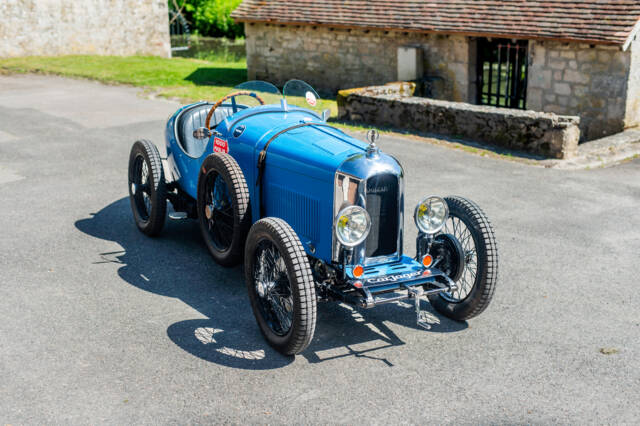
1928 | Amilcar CGSS
Amilcar CGSS 1928 - superbe historique - restauration de qualité - important dossier accompagnant l’auto

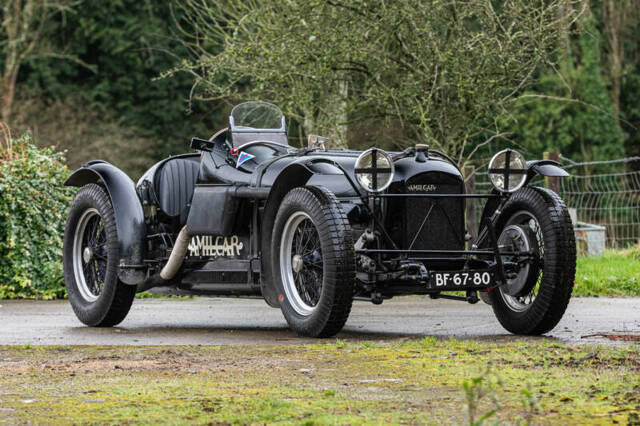
1926 | Amilcar CGS
1926 Amilcar/AC Type-G Special

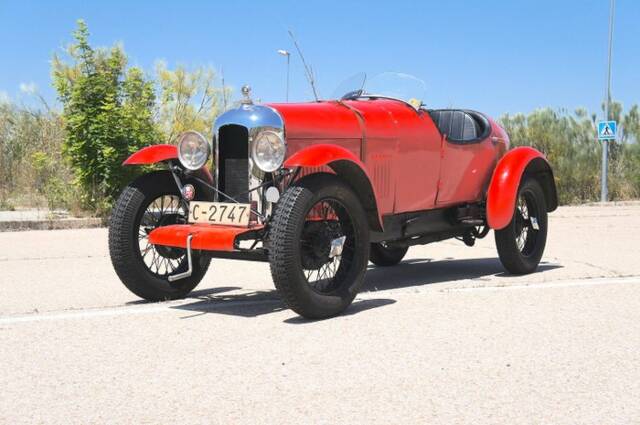
1924 | Amilcar CGS
Amilcar - CGS3 - 1924

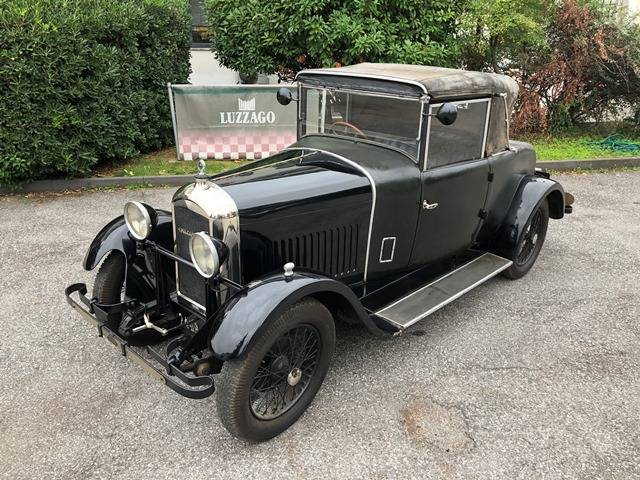
1926 | Amilcar CGS
CONSERVATO

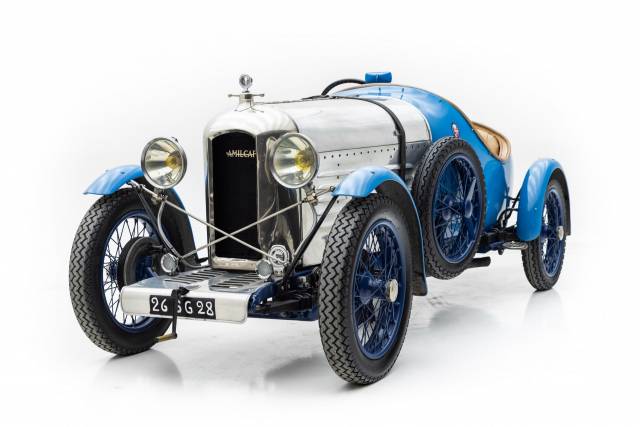
1923 | Amilcar CGS
Amilcar CGS Roadster Roadster 1923 1923
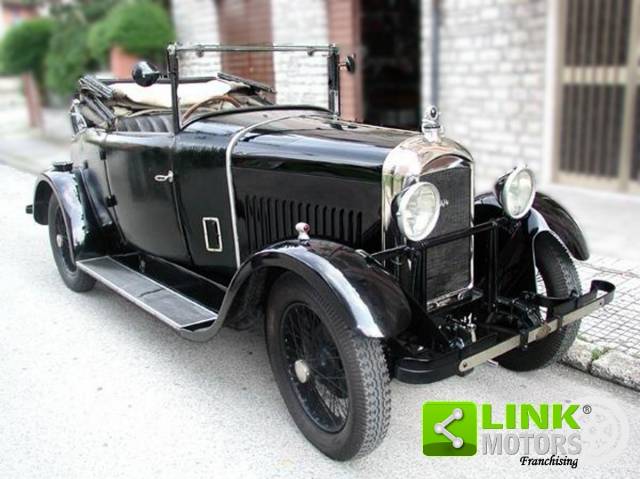
1926 | Amilcar CGS
AMILCAR Type G Torpedo, anno 1926, perfettamente conservata, Targa oro ASI
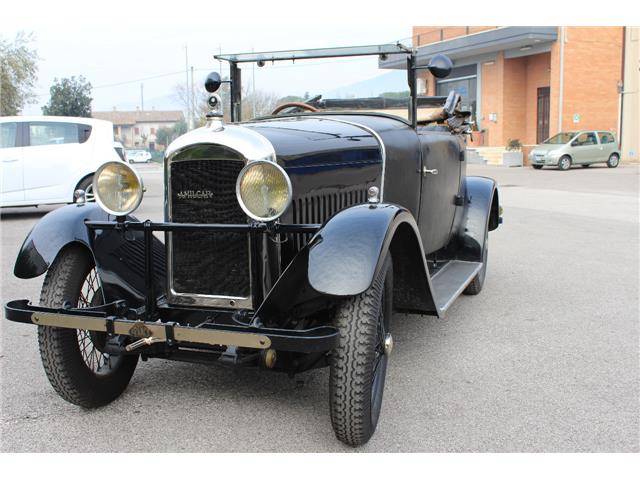
1926 | Amilcar CGS
Iscritta ASI E FIVA, cc 1244, nazionalità francese, 4 cilindri, 3 marce!
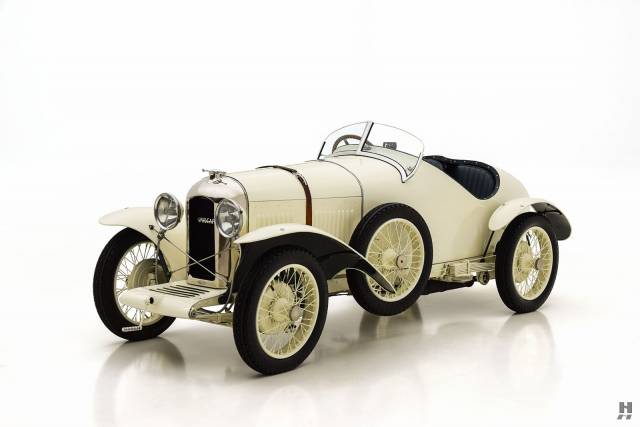
1928 | Amilcar CGSS
Amilcar CGSS

1924 | Amilcar CGS
Panigoni designed for race

Create search alert
Let yourself be notified as soon as a listing is published that matches your search filters.
Create listing
Do you have a Amilcar CG that you want to sell? Then create a listing now.
Create listingAmilcar CG Classic Cars: Prices & Market Values
History of the Amilcar CG Series
The Amilcar CGS was produced from 1923 to 1925 by the Parisian automaker Amilcar and is widely regarded as the company’s most recognised model. Developed as a response to the Salmson VAL3, the CGS (Cyclecar Grand Sport) was an evolution of the earlier Amilcar C, introducing a lengthened and improved chassis, upgraded four-wheel brakes, and a more powerful engine. The original CGS used a 1074cc engine producing over 30 hp, paired with a three-speed gearbox—enough for a top speed of 120 km/h, notable for its time. Later, the platform was further refined into the CGSS (Surbassé from 1926–1929), a lower-slung and even sportier version producing around 35 hp, which could be tuned up depending on the owner’s preferences. All in all, 4,700 examples of the CGS and CGSS variants were built. Notably, Amilcar vehicles were also produced under licence in Germany ('Pluto'), Austria ('Grofri'), and Italy ('Amilcar Italia'), emphasising their wide international appeal and impact during the golden age of cyclecars.
Model History: Amilcar CG Series
The CG series traces its lineage to the original Amilcar C, and the CGS represented a significant technical leap in Amilcar’s line-up, offering higher performance for spirited drivers. It was followed by the CGSS, which featured a lowered chassis and an even more tuned engine, reinforcing the brand’s motorsport credentials. These models were present at major racing events, including the 24 Hours of Le Mans and the prestigious Rallye Monte Carlo, achieving both technical milestones and race victories. The CGSS outlived its predecessor, with production continuing until 1929, and became a reference point for lightweight sports cars of its era.
Highlights of the Amilcar CG Series
The Amilcar CG models are often referred to as the "Bugatti for the common man" owing to shared characteristics with their more famous contemporaries: lightweight construction, a striking sporting aesthetic, and immense driving enjoyment for road and track. Distinguished by their adaptable chassis, aluminium 'boattail' bodywork from coachbuilder Ch. Duval, and authentic cyclecar spirit, CGS and CGSS models remain instantly recognisable. Motorsport played a central role, with the CGS class achieving multiple successes and notable driver André Morel piloting Amilcars to racing fame. The cars are in demand for vintage racing and long-distance classic rallies.
Technical Data: Amilcar CG Series
Special Editions and Collectible Models
One of the rarest body styles is the aluminium boattail coachwork by Ch. Duval, recognised for its extraordinary period flair and authentic motorsport connotations. Much-prized today are examples with original, unrestored bodywork, since many historic Amilcars were later converted for sportier appearances. The Amilcar CGS race versions, sometimes built under licence in Germany, Austria, and Italy, also hold a particular appeal due to their proven competition pedigree.
Weak Spots and Common Issues
Like many vehicles of this era, originality can be a concern: many Amilcar CGS and CGSS have had their original coachwork replaced with replicas. Mechanical components, especially in tuned versions, can require precise maintenance to retain reliability, and the authenticity of chassis and bodywork should be checked carefully. Overall, preserving originality is key, as originality relates closely to value and mechanical character.
Engine, Performance, Transmission and Handling
The 1.1-litre engine delivers surprisingly dynamic acceleration for such a light chassis. With its robust construction, the Amilcar CGS handles winding roads with agility and offers responsive steering reminiscent of its sports car rivals of the period. Its three-speed gearbox enables quick engagement, particularly in tuned variants that maximised the engine's output. The lowered chassis of the CGSS series enhances cornering stability and road holding—a feature valued by historic racing enthusiasts. Standout versions include the boattail-bodied CGS and the lower, sportier CGSS, which gained further racing prestige after winning the 1927 Rallye Monte Carlo and gaining visibility at Le Mans. These variants are considered the most technically fascinating and enjoyable to drive, due to their optimised chassis and period-correct tuning possibilities.
Interior, Comfort, Exterior and Design
Styling was dictated by both function and flair: CG series models emphasise a low-slung, purposeful profile with a focus on driver and passenger engagement. Aluminium coachwork (notably by Ch. Duval) provided a combination of aesthetic appeal and weight reduction. The spartan cockpit, with its minimalist period dials, seating arrangements for two or three, and authentic fixtures, reflects true prewar sports car design. Options in specialised paint finishes, hand-formed details, and period accessories further enhance the vehicles' distinct character. Many examples boast period-correct wire wheels, leather straps, and exposed mechanicals as part of their authentic look.
Other Relevant Features
International production, thanks to licence building in Germany, Austria and Italy, marks the Amilcar CG as unusually cosmopolitan for a 1920s French sports car. These continental variants, as well as successfully campaigned motorsport examples, offer fascinating insights for collectors looking to understand the full breadth of the CG's reach and influence.
Summary: Amilcar CG Series
The Amilcar CG models stand at the meeting point of engineering finesse, motorsport success, and French automotive culture. With a vibrant international manufacturing story, numerous successes on the racetrack, and iconic streamlined bodywork, the CGS and CGSS invite enthusiasts to experience the genuine spirit of 1920s sports motoring. Their singular market presence is confirmed by current data, reflecting unbroken interest and a unique place in the world of historic vehicles.