- Car
- Albion (0 offers)
Albion Classic Cars for Sale
Albion stands apart for its connection to British heritage, though listings are rare and highly specific. Currently, the supply in the classic car market is fully represented by one model, the Type 24. Buyers interested in Albion vehicles should be prepared for unique historical context and low market turnover.
Search results
Currently, there are no matching listings for your search.
Create search alert
Let yourself be notified as soon as a listing is published that matches your search filters.
Albion listing references from Classic Trader
Below you will find listings related to your search that are no longer available on Classic Trader. Use this information to gain insight into availability, value trends, and current pricing for a "Albion" to make a more informed purchasing decision.
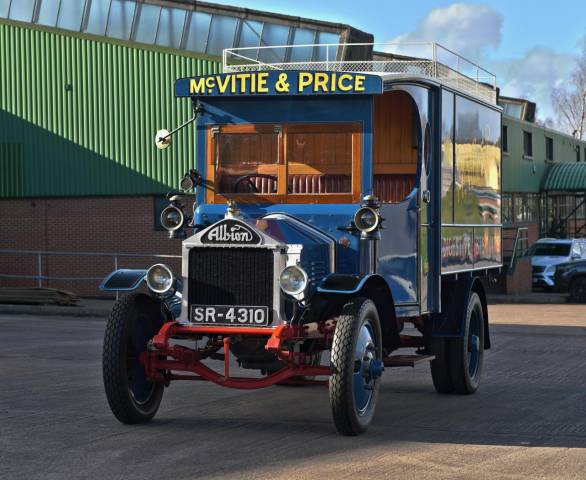
1924 | Albion Type 24

Create search alert
Let yourself be notified as soon as a listing is published that matches your search filters.
History of Albion and Its Automotive Relevance
The name Albion has deep historical roots, traditionally used as an alternative designation for Great Britain. While rarely seen as a vehicle manufacturer name today, Albion invokes a direct link to the island’s heritage. Historically, the use of Albion reflects pride in national identity and echoes through various Celtic languages and poetic references. In the context of classic vehicles, Albion is thus strongly associated with British motoring tradition and early 20th-century references.
Model History of Albion
On the current classic car market, Albion's presence is concentrated on the Type 24 model. There are no records of different model series, successors, or predecessors in the available listings. This makes the Type 24 not only the brand’s representative but also a unique artifact in the Albion lineage, considerably limiting the scope for comparison or progression within the marque.
Highlights of Albion Vehicles
The unique selling point for Albion cars, particularly the Type 24, is their exclusive link to British history. Their market footprint is niche – every supply and demand listing for Albion within classic markets pertains solely to the Type 24. This exclusivity underlines their specialist appeal.
Technical Data
Special Editions and Collectible Models
There is no current evidence of officially released special editions or particularly collectible sub-models within the classic Albion range. The entire collectible value of Albion centres on the standard Type 24.
Weak Spots and Common Issues
No specific maintenance or weak spot information is available for Albion models, reflecting their rarity and the scarcity of preserved technical documentation. For any potential buyer or restorer, a careful, individual inspection and consultation with British car specialists is recommended.
Engine and Performance, Transmission and Handling
Performance insights on Albion vehicles, including detailed engine and transmission data, are currently lacking. Typically, vehicles tied so strongly to a single historical reference often feature mechanical layouts and handling characteristics reflective of their production era—simple, robust engines and chassis designed for utility rather than speed. Interested enthusiasts should review vehicle-specific documentation when considering purchase. - Type 24: The only currently listed model, representing 100% of market presence for Albion. Further data on displacement, power, or drivetrain is not presently documented.
Interior, Comfort, Exterior and Design
With Albion's link to traditional British identity and heritage, design elements are expected to reflect period-specific craftsmanship and materiality. While there are no known records of special editions, paint schemes, or accessory options, surviving vehicles would likely showcase early 20th-century British vehicle characteristics—solid materials, functional interiors, and straightforward exterior lines. Without further documented evidence, specifics remain limited.
Other Features
Given the limited data and single-model listing, no other features or innovations can be ascribed to Albion classic vehicles at this time.
Summary
Albion’s representation in the classic car market is focused entirely on the Type 24, making it a rare sight for collectors seeking uniquely British history. With 100% of both demand and supply centring on this model, enthusiasts can expect exclusivity but should also be prepared for research and diligence due to limited historical information and technical data.