Aero Minor classic cars for sale
The Aero Minor is a post-war Czechoslovakian car with a story tied to both innovative engineering and post-occupation resourcefulness. With its distinctive two-stroke engine, front-wheel drive layout and practical saloon and station wagon variants, it offers a unique snapshot of mid-century Eastern European automotive design.
Resultados de la búsqueda
Actualmente no hay anuncios que coincidan con su búsqueda.
Create search alert
Let yourself be notified as soon as a listing is published that matches your search filters.
Create listing
Do you have a Aero Minor that you want to sell? Then create a listing now.
Create listingAero Minor listing references from Classic Trader
Below you will find listings related to your search that are no longer available on Classic Trader. Use this information to gain insight into availability, value trends, and current pricing for a "Aero Minor" to make a more informed purchasing decision.
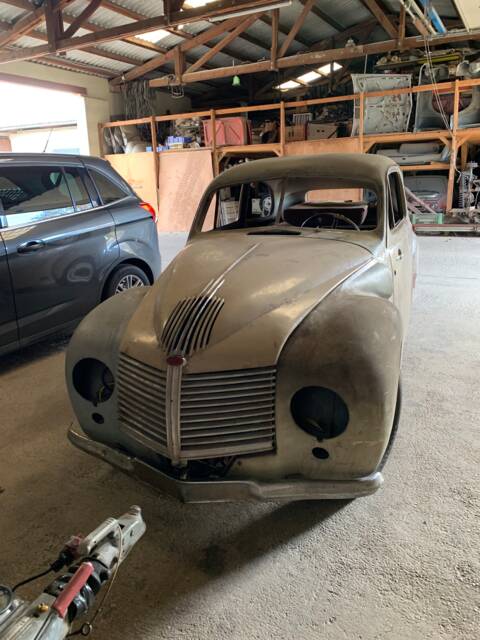
1948 | Aero Minor II
Aero Minor
Create search alert
Let yourself be notified as soon as a listing is published that matches your search filters.
Create listing
Do you have a Aero Minor that you want to sell? Then create a listing now.
Create listingHistory of the Aero Minor
The Aero Minor emerged from the shadows of World War II as a triumph of covert engineering. Developed in secret by Jawa Motors engineers during the German occupation, the car leveraged the legacy of the Jawa Minor but introduced fresh design choices to the Aero brand. Production began in 1946, at a time when Czechoslovakia was rebuilding its industrial base, and continued until 1952. It quickly established itself on local roads as a symbol of resilience and technical ingenuity.
Model range and development
The Aero Minor was derived directly from the pre-war Jawa Minor, with improvements fitted to suit post-war realities. It was offered in both saloon and station wagon body styles, reflecting the need for versatility in personal and family transport. The evolution from the Jawa Minor included tweaks to both chassis and engine, and while its production concluded in 1952, the Minor left a mark as Aero’s final automotive chapter.
Highlights and Distinctive Features
Fundamental to the Aero Minor's appeal is its compact two-cylinder, two-stroke engine with 615 cc capacity, paired with front-wheel drive—an exceptional combination for its era. The Minor stood out for its frugal 8 L/100 km fuel consumption and relatively agile handling. Reflecting the data in our database, 100% of Aero listings and views within the Classic Trader platform pertain to the Minor, underlining its unique status and market presence among Aero automobiles.
Technical Data
Special Editions and Collectible Models
No official limited editions or unique collector models of the Aero Minor are documented. However, the distinction between saloon and station wagon variants is noteworthy, with the latter being sought after by those who value practicality and classic estate car design.
Engine, Transmission, and Driving Dynamics
Propelled by a lively 20 hp two-stroke engine, the Aero Minor combines modest power with a lightweight structure, allowing a reasonable 90 km/h top speed for its time. Its front-wheel drive layout was unusual in the context of 1940s and early 1950s European cars, offering superior traction in wet or slippery conditions and a characteristically different handling balance compared to rear-driven contemporaries. The two-stroke engine requires attentive maintenance, particularly regarding lubrication and timing. Both the standard saloon and the practical station wagon stand out, as each represents the total Aero Minor output. The wagon variant, with increased boot capacity, is especially valued for utilitarian appeal while retaining all core mechanical features.
Interior, Comfort, Exterior and Design
The Aero Minor’s design blends utilitarian simplicity with local post-war character. The body lines are functional but accented by thoughtful Czech styling cues of the period. Interiors are minimal, using straightforward materials with an emphasis on clarity and durability, appropriate to resource-constrained times. Special equipment options were rare, but some versions featured subtle period accessories—such as unique luggage racks or bespoke paint finishes—depending on local market supply and customer request. Factory paint palette tended toward subdued post-war tones; bright colours are the result of later restorations.
Other Noteworthy Features
Few Minors survive outside Central and Eastern Europe, making them a rare sight in Western collections. The station wagon version’s adaptability made it a favourite among families and business owners in Czechoslovakia during the reconstruction era.
Summary
The Aero Minor offers a distinctive window into Czechoslovakian automotive heritage, showcasing the ingenuity born of postwar necessity. Its unique technical configuration, combined with a fully Aero-specific customer base, makes every surviving Minor an individual piece of motoring history.