Aero Aero 50 classic car for sale
The Aero 50 represents an extraordinary chapter in automotive history, embodying pre-war Czech engineering at its finest. This classic is particularly prized for its innovative construction and advanced technology of the 1930s, offering a unique driving experience today.
Search results
Currently, there are no matching listings for your search.
Create search alert
Let yourself be notified as soon as a listing is published that matches your search filters.
Create listing
Do you have a Aero Aero 50 that you want to sell? Then create a listing now.
Create listingAero Aero 50 listing references from Classic Trader
Below you will find listings related to your search that are no longer available on Classic Trader. Use this information to gain insight into availability, value trends, and current pricing for a "Aero Aero 50" to make a more informed purchasing decision.
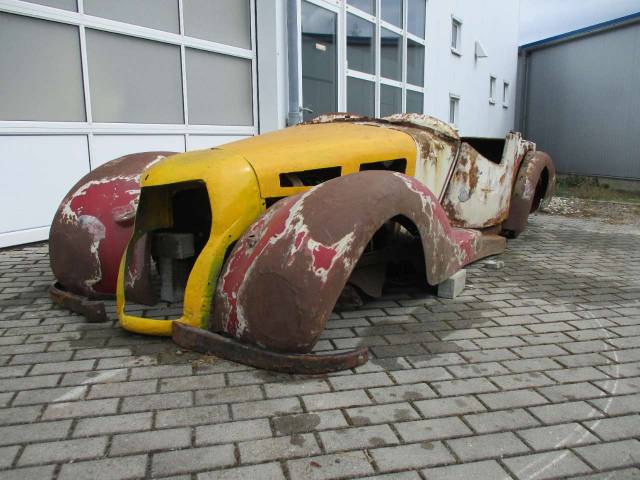
1938 | Aero Aero 50
Oldtimer Tatra Aero 30 Karosse

Create search alert
Let yourself be notified as soon as a listing is published that matches your search filters.
Create listing
Do you have a Aero Aero 50 that you want to sell? Then create a listing now.
Create listingAero Aero 50 Classic Cars: Prices & Market Values
History of the Aero 50
The Aero 50 debuted in Czechoslovakia in the late 1930s, developed by the manufacturer Aero, initially renowned for aircraft production. This heritage influenced the car's aerodynamic design and lightweight bodywork, setting it apart from many contemporaries. The Aero 50 was positioned as a sophisticated, technically advanced model in Aero’s portfolio, introduced at a time of significant development in the European car industry. Its production reflected a focus on both performance and practicality—a rare combination in the pre-war market.
Model history
Production of the Aero 50 spanned from 1936 to 1942. It was introduced as Aero's flagship model, succeeding the successful Aero 30. The Aero 50 marked the peak of Aero's automobile manufacturing, as the brand would not return to producing cars after World War II. Key features included a streamlined saloon and convertible body styles, targeting a growing demand for sophistication and modern aesthetics before the war. There was no direct successor after the war as Aero dedicated itself again solely to aircraft and industrial production.
Highlights of the Aero 50
The Aero 50 set itself apart with a remarkable front-wheel drive layout, unusual for its era, and a V-shaped windscreen, reflecting its aviation lineage. The build quality and lightweight frame were further enhanced by all-independent suspension—rarely found outside luxury brands of the time. The combination of engineering leant the Aero 50 an edge in dynamic performance and comfort for its class, even at higher speeds.
Technical data
Special Editions and Collectible Models
Some Aero 50s were produced as coupés and custom convertible bodies by coachbuilders, featuring unique trim and interior details. Such coachbuilt versions are particularly rare, prized among enthusiasts for their bespoke craftsmanship and even greater exclusivity.
Weak Spots and Common Issues
There is currently little documented public information about known technical weak spots or recurring issues specific to the Aero 50. Given the car’s age and technical sophistication for its time, common areas to inspect are the suspension components, front-wheel drive system, and body integrity, especially in convertible models.
Engine and Performance, Transmission and Handling
The Aero 50’s 1.9-litre four-cylinder engine was designed to provide reliable cruising at contemporary highway speeds, with smooth power delivery and notable refinement. The front-wheel-drive layout gave it exceptional handling stability and agility compared to rear-driven rivals in the segment. The hydraulic drum brakes and independent suspension provided a comfortable yet controlled ride, and drivers praised the car's relative silence and ease of operation even during long journeys. Both the standard saloon and the convertible versions are notable, with the latter especially valued among collectors due to its rarity and stylish appearance, all benefiting from the advanced chassis and drivetrain.
Interior, Comfort, Exterior and Design
Stylistically, the Aero 50 stands out with streamlined body contours and a distinctive V-shaped grille, nodding to the brand’s aircraft history. Interiors were often trimmed in quality fabrics, with a dashboard layout focusing on clarity and easy operation. Convertibles featured folding roofs with robust mechanisms. Colour choices varied, but light pastels and deep reds were popular among original buyers. Extra chrome accents and period-correct accessories like fog lamps and spare tyre covers added to the car’s visual presence.
Other relevant features
The Aero 50 was one of the very few Eastern European cars before the war to offer such modern features in a mid-sized package. It became a symbol of sophisticated, progressive Czech design. Surviving examples are almost exclusively found in enthusiast ownership or automotive museums.
Summary
The Aero 50 distinguishes itself as a forward-thinking pre-war vehicle, merging Czech engineering creativity with progressive design. Its unique technical solutions, rarity, and cultural relevance make it a compelling choice for collectors passionate about European automotive history.