Acoma Mini Comtesse classic cars for sale
The Acoma Mini Comtesse is a classic example of French ingenuity in lightweight, minimalistic automobile design, offering a unique driving experience and historical significance as a microcar.
Search results
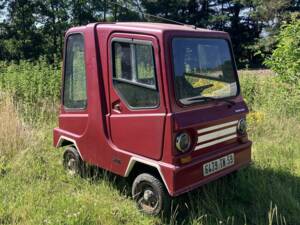
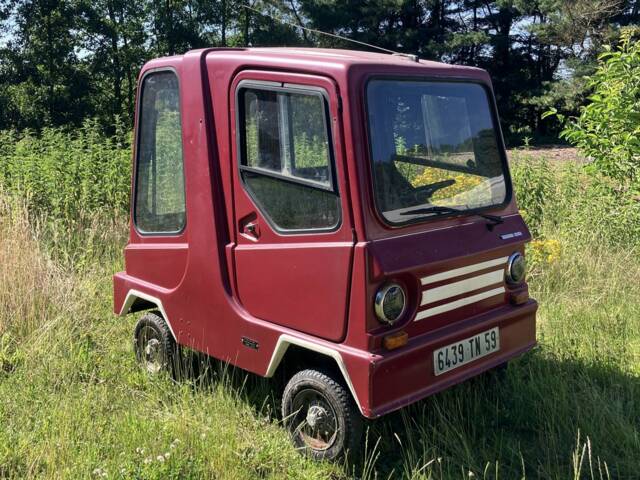
1979 | Acoma Comtesse Type 790
Acoma Comtesse Break Type 790 microcar | 1979 | Route 66 Auctions - For sale by auction. Estimate 1500 EUR

Acoma Mini Comtesse listing references from Classic Trader
Below you will find listings related to your search that are no longer available on Classic Trader. Use this information to gain insight into availability, value trends, and current pricing for a "Acoma Mini Comtesse" to make a more informed purchasing decision.
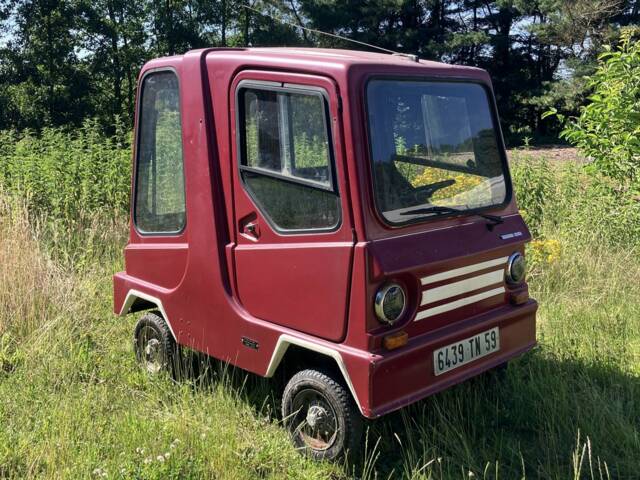
1979 | Acoma Comtesse Type 790
Acoma Comtesse Break Type 790 microcar | 1979 | Route 66 Auctions - For sale by auction. Estimate 1500 EUR
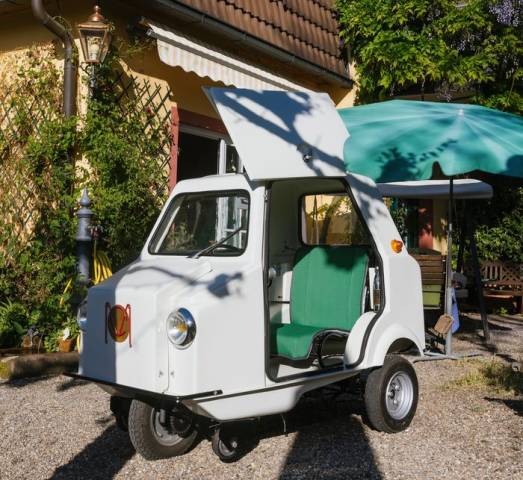
1972 | Acoma Mini Comtesse
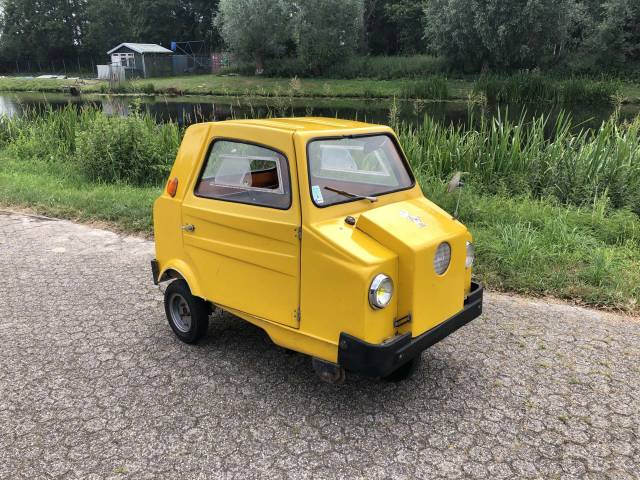
1976 | Acoma Mini Comtesse
Acoma Mini Comtesse Classic Cars: Prices & Market Values
History of the Acoma Mini Comtesse
The Acoma Mini Comtesse was born out of post-oil crisis France, where compact, fuel-efficient microcars found fertile ground. Manufactured by Acoma, the Mini Comtesse made its debut in the 1970s as one of the smallest cars ever produced. With its scooter-like profile and three or four wheel configurations (depending on version), the vehicle was aimed at urban dwellers and those looking for affordable, minimal-licence mobility. The French microcar scene offered a practical alternative to conventional automobiles, and Acoma’s Mini Comtesse stood out for its distinctive, compact format and ease of use.
Model history
Production of the Mini Comtesse series started in the early 1970s and spanned most of the decade, with different body options including both three- and four-wheeled variants. Acoma didn’t offer a direct predecessor prior to the Mini Comtesse, and successors came in the form of other small Acoma vehicles as the microcar trend evolved. The Mini Comtesse positioned itself among licence-free vehicles ('voitures sans permis'), which made it accessible to a broad segment of the population in France.
Highlights and unique features
The Acoma Mini Comtesse distinguishes itself through its exceptionally compact dimensions and minimalistic, function-driven engineering. The car’s light weight and simple mechanicals enable urban use and parking in tight spaces where conventional cars cannot fit. With a simple interior and straightforward controls, it’s easy to handle for all ages. This microcar is also notable for often not requiring a full driving license in its home country at the time, which broadened its appeal.
Technical data
Special Editions and Collectible Models
Specific limited editions or special versions of the Acoma Mini Comtesse are not widely documented. Most surviving vehicles are comb-shaped by unique variations made by owners or occasional production tweaks, such as colour choices or minor updates.
Weak Spots and Common Issues
Common challenges for the Acoma Mini Comtesse relate to the maintenance of its small-displacement, moped-type engines, which can be vulnerable to poor fuel or infrequent use. Finding replacement parts may be a challenge, as components are not as readily available as those for more mass-produced vehicles. Simple electrical systems and basic suspension may also require periodic attention, especially if the vehicle has not been regularly maintained over the decades.
Engine and Performance, Transmission and Handling
Performance remains strictly utilitarian. Most Mini Comtesse vehicles are powered by air-cooled, single-cylinder engines of around 49cc, with outputs between 2 and 4 horsepower. Maximum speeds rarely exceed 45 km/h, reflecting their original urban intent. Acceleration is modest, but the car’s ultra-light weight lends it a nimble character at city speeds, and the simple automatic or centrifugal clutch transmission keeps operation straightforward. There are no significant sub-models within the Mini Comtesse range, as most units were produced to a similar straightforward technical specification.
Interior, Comfort, Exterior and design
The Mini Comtesse has a distinct, angular, almost cartoon-like exterior, often finished in bright colours. Interiors are minimal—typically a single bench seat, basic instrumentation, plastic trim, and utilitarian switchgear. Body panels are usually made of fibreglass or simple pressed metal, and the overall footprint is extremely compact. Accessories or special options were limited, reinforcing the car’s primary mission: maximum simplicity and degenerate weight for easy manoeuvrability.
Other relevant features
A unique selling point of the Acoma Mini Comtesse was its accessibility to those without a full driving license in its home market. This aspect made it a symbol of inclusive mobility in 1970s and 1980s France. Today, these microcars are often considered curiosities in automotive history, standing testament to a period of creative solutions to new legislative and economic challenges.
Summary
The Acoma Mini Comtesse represents a unique and clever response to practical and legislative demands in post-oil crisis France. With its lightweight engineering, compact design, and accessible concept, it remains an interesting chapter in the story of urban mobility. Perfect for collectors interested in microcars or those fascinated by inventive automotive solutions of the 20th century.