- Car
- Abarth-Simca (0 offers)
Abarth-Simca classic cars for sale
Abarth-Simca vehicles stand out as unique collaborations between Italian and French engineering in the world of classic sports cars. Distinguished by their participation in motorsport and rare presence on the market, these classics appeal to enthusiasts who value authenticity and racing pedigree.
Search results
Currently, there are no matching listings for your search.
Create search alert
Let yourself be notified as soon as a listing is published that matches your search filters.
Create listing
Do you have a Abarth-Simca that you want to sell? Then create a listing now.
Create listingAbarth-Simca listing references from Classic Trader
Below you will find listings related to your search that are no longer available on Classic Trader. Use this information to gain insight into availability, value trends, and current pricing for a "Abarth-Simca" to make a more informed purchasing decision.
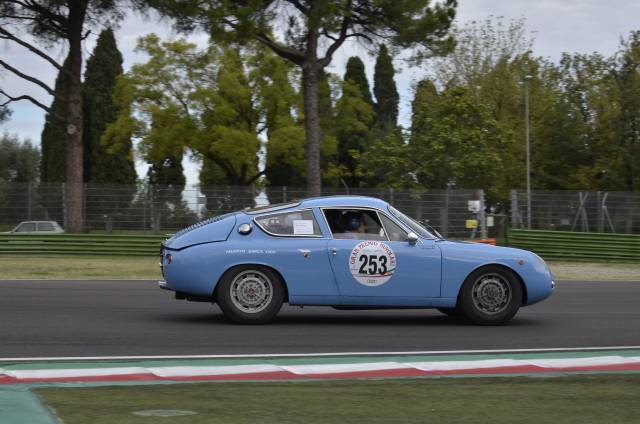
1962 | Abarth-Simca 1300

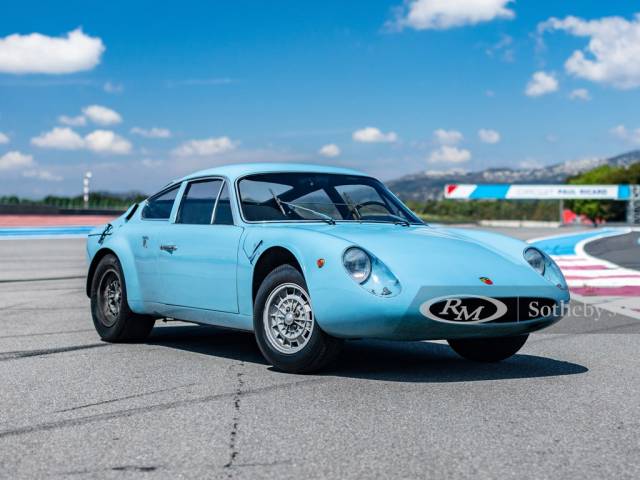
1963 | Abarth-Simca 1300
1963 Abarth-Simca 1300 GT Coupé by Sabona & Basano

Create search alert
Let yourself be notified as soon as a listing is published that matches your search filters.
Create listing
Do you have a Abarth-Simca that you want to sell? Then create a listing now.
Create listingHistory of Abarth-Simca
The Abarth-Simca partnership was born from Carlo Abarth's ambition to create high-performance vehicles by combining Italian racing know-how with French engineering expertise. In the early 1960s, this collaboration produced compact sports cars that leveraged the lightweight Simca chassis and Abarth’s renowned engine tuning capabilities. The cars rapidly established a reputation in motorsports, securing numerous victories in European touring events.
Model history
The most recognised model from the Abarth-Simca partnership is the 1300, which debuted in 1962. Based on the Simca 1000 platform, Abarth overhauled the engine, suspension and bodywork to meet their rigorous performance standards. After the initial success of the 1300, further variants like the 1150 and 2000 were also developed, each targeting success in specific racing classes or capacity brackets. Successor models largely reverted to either Abarth-only or Simca-only production as the joint venture concluded towards the late 1960s.
Highlights
Abarth-Simca vehicles are defined by their strong motorsport background and rarity. The streamlined bodywork, paired with powerful, high-revving engines built by Abarth on the Simca base, made for truly competitive machines in their day. Features such as lightweight aluminium panels and extensive testing on the track filtered directly into the construction of these cars, ensuring a pure, race-focused driving experience.
Technical data
Special Editions and Collectible Models
Due to limited production runs and racing homologation requirements, every Abarth-Simca can be considered a collectible. Some cars featured even more advanced engine tuning or bodywork adapted for specific races, though the 1300 model as a whole holds special status for its sporting credentials and exclusivity.
Weak Spots and Common Issues
Owning and maintaining an Abarth-Simca requires careful inspection of the engine and chassis. Due to hard use in motorsport and the bespoke nature of many components, sourcing original parts can be challenging. Corrosion of lightweight alloy body panels and chassis elements is also worth close attention, as is regular maintenance of tuned engine parts which are subject to higher stress levels.
Engine and Performance, Transmission and Handling
The Abarth-tuned Simca powerplant delivered impressive output for its displacement, typically featuring twin-carburettor setups or even DOHC heads in the most powerful variants. These engines were coupled to close-ratio manual gearboxes, optimised for circuit racing or hill climbs. The result was lively acceleration, rapid throttle response and nimble handling thanks to the lightweight construction. Owners should expect a raw, connected driving feel, rewarding those who appreciate precise, analogue controls. The Abarth-Simca 1300 stands as the most significant and popular production model from this collaboration, regularly featured in both period motorsport and today’s historic racing events.
Interior, Comfort, Exterior and Design
Externally, Abarth-Simca models are characterised by their low-slung, functional silhouettes and minimalistic detailing — a form that follows their motorsport intent. Interiors were typically stripped back, focusing on essential instruments and controls for racing. Special attention was paid to lightweight construction, with aluminium or fibre-reinforced plastics used for various panels and trim pieces. Period-appropriate liveries and colour options echo the 1960s motorsport scene, and some vehicles featured bespoke accessories such as additional gauges or racing harnesses.
Other notable features
Beyond their motorsport success, Abarth-Simca vehicles embody an important chapter in Italian-French automotive collaboration. Enthusiasts value these cars for their rarity, engineering integrity and significant racing pedigree.
Summary
Abarth-Simca classic cars offer a rare blend of Italian performance tuning and French engineering, with every example on the market today representing the pinnacle of their collaboration. Focused around the celebrated 1300 model, these vehicles attract connoisseurs seeking distinctive driving experiences, motorsport history, and technical innovation.