Triumph Dolomite Classic Cars for Sale
The Triumph Dolomite offered a blend of British engineering, innovative technology, and everyday usability between 1972 and 1980. Its hallmark is the Sprint version, known for pioneering mass-produced 16-valve cylinder head design and its sporty yet practical four-door execution.
Résultats de la recherche
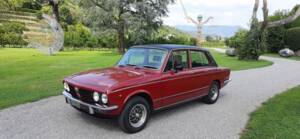
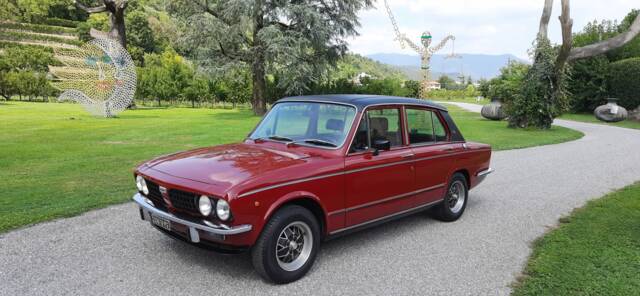
1977 | Triumph Dolomite Sprint
NON CHIAMATELA DOLLY
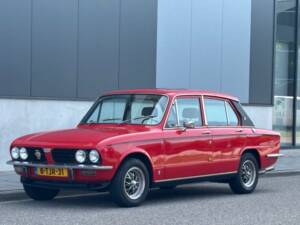
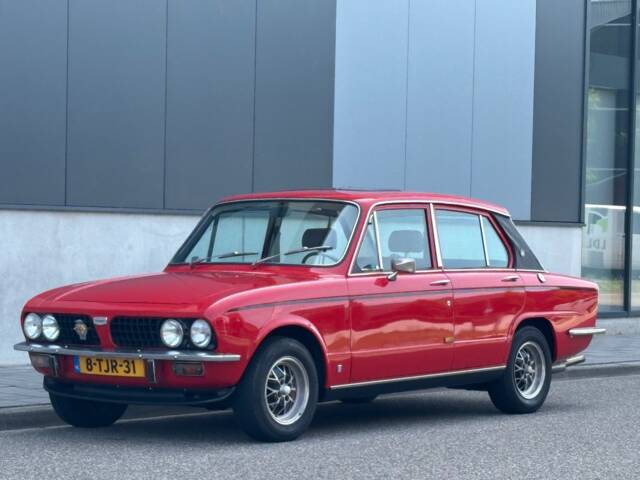
Auctions ending soon

Loading…
Loading…
Loading…
Loading…
Triumph Dolomite listing references from Classic Trader
Below you will find listings related to your search that are no longer available on Classic Trader. Use this information to gain insight into availability, value trends, and current pricing for a "Triumph Dolomite" to make a more informed purchasing decision.
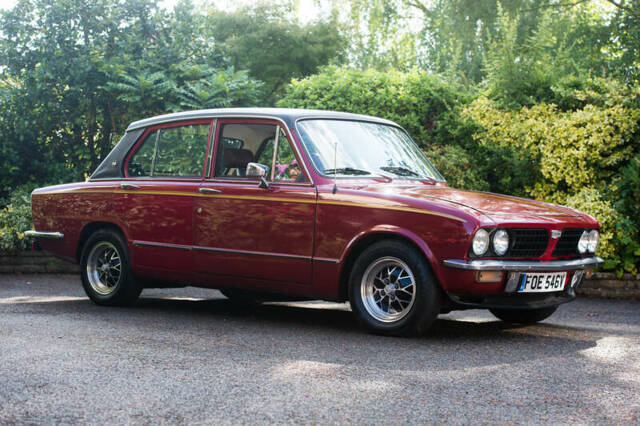
1980 | Triumph Dolomite Sprint
1980 Triumph Dolomite Sprint
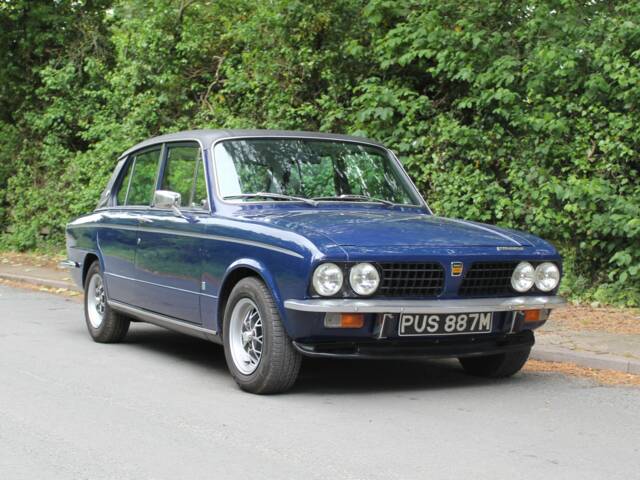
1974 | Triumph Dolomite Sprint
1974 Triumph Dolomite Sprint
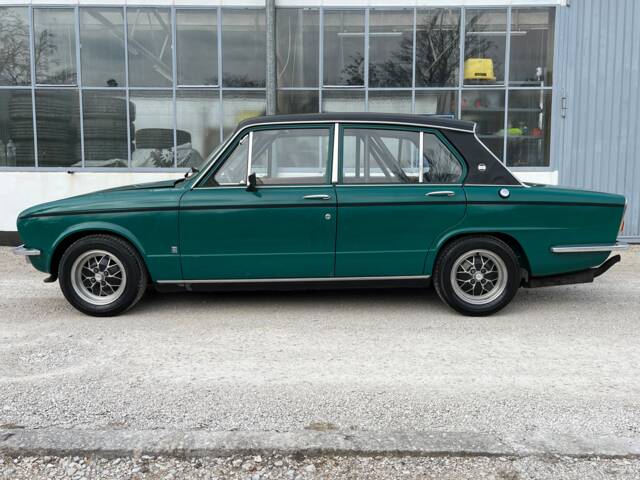
1974 | Triumph Dolomite Sprint
Rennwagen
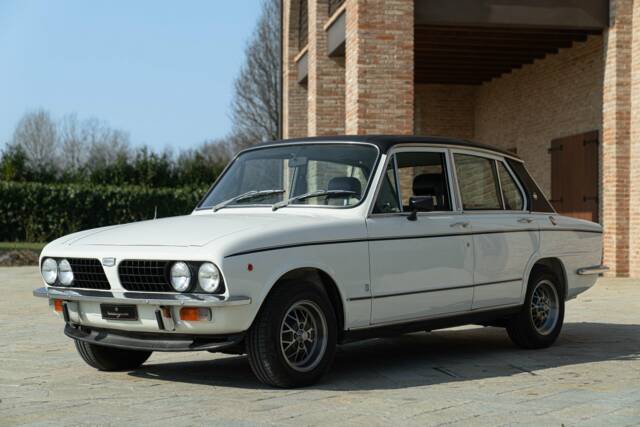
1979 | Triumph Dolomite Sprint
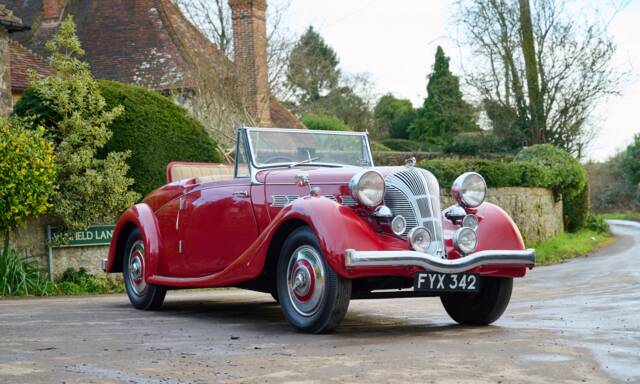
1940 | Triumph Dolomite 14/60
1940 Triumph Dolomite 14/65 Roadster
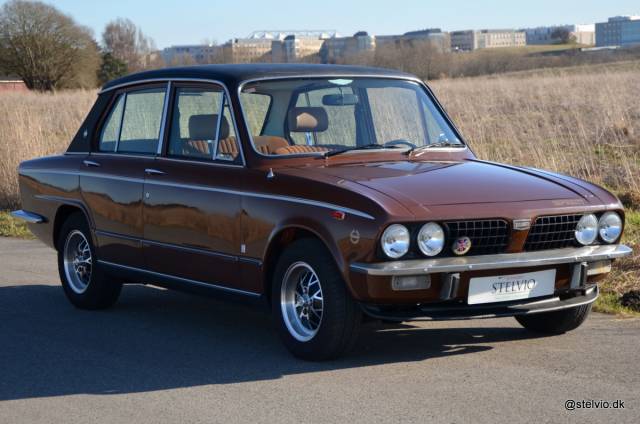
1980 | Triumph Dolomite Sprint
LHD very original and stunning looking
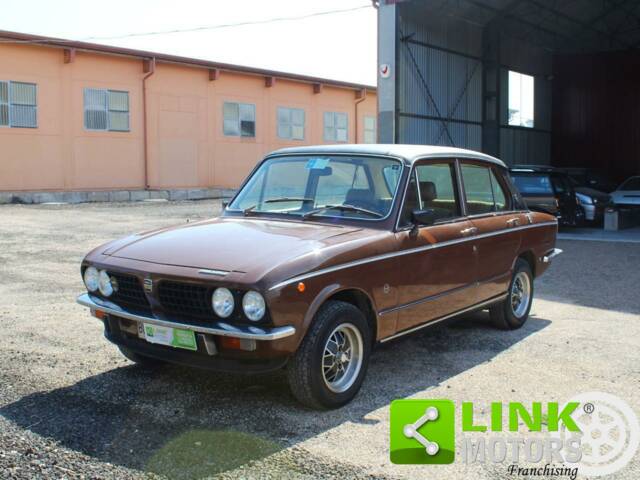
1990 | Triumph Dolomite Sprint
TRIUMPH Dolomite Sprint
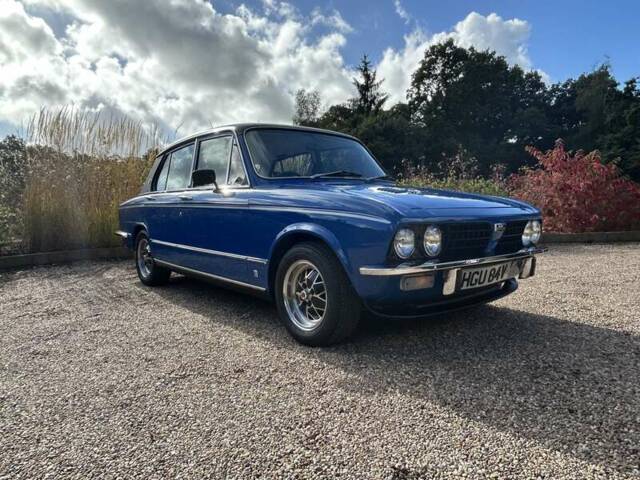
1978 | Triumph Dolomite Sprint
1978 Triumph Dolomite Sprint
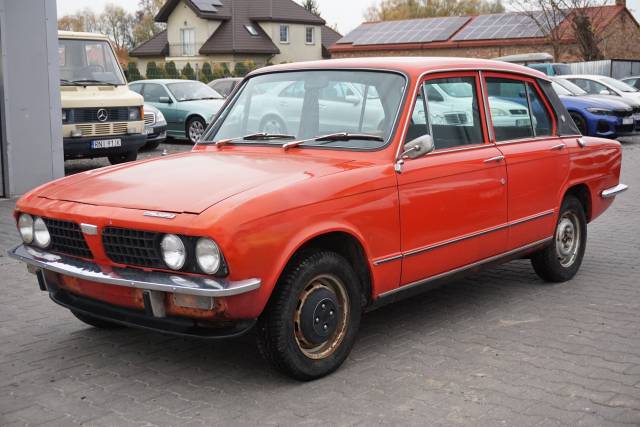
1975 | Triumph Dolomite
1850 TC
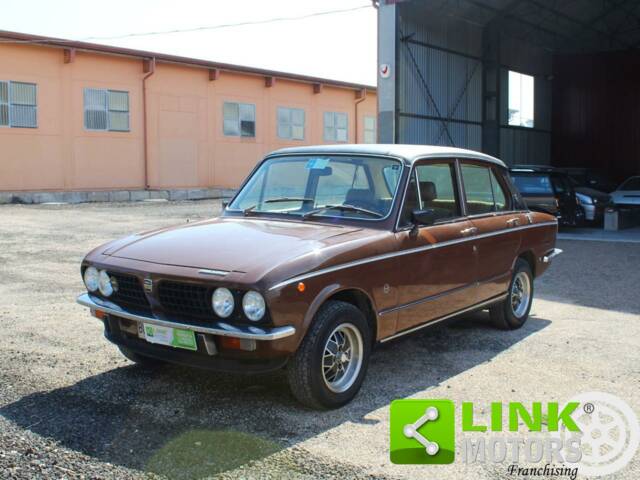
1990 | Triumph Dolomite Sprint
TRIUMPH Dolomite Sprint
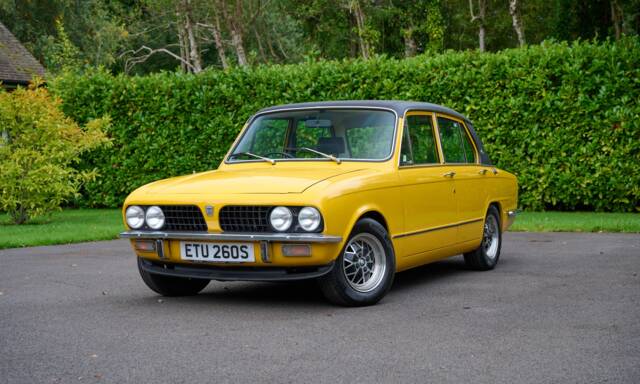
1978 | Triumph Dolomite Sprint
1978 Triumph Dolomite Sprint
History of the Triumph Dolomite
Introduced in 1972, the Triumph Dolomite evolved from the merger of the Toledo’s mechanicals and the 1500’s extended bodywork. It signified Triumph’s determined yet final effort to excel in the lower middle class segment. The car debuted at the 1971 London Motor Show, but industrial strike action delayed production till October 1972. Drawing on a name last used before WWII, the Dolomite re-established itself as an all-new saloon. Notable was its blend of drive layouts—rear-wheel drive running gear from the Toledo alongside the longer, more commodious 1500 shell. Throughout its life, the Dolomite competed fiercely in its segment, drawing comparison to contemporary rivals like the BMW 2002 and Ford Cortina GXL. Production ended in 1980, succeeded by the Triumph Acclaim.
Model History
The Dolomite replaced the Toledo, 1300, and 1500, aiming to rectify the lacklustre sales of its forerunners. The Sprint, introduced in 1973, was a technological leap, intended to counteract competition from BMW. This version pioneered the world’s first mass-production 16-valve engine with a single overhead camshaft. The Sprint motor, developed under Spen King, used a unique head design—eight cam lobes actuated all 16 valves via a combination of buckets and rockers, awarded by the British Design Council in 1974. Engine sizes ranged from 1.3 to 2.0 litres. The line included both base and performance variations, culminating with the luxury-focused, limited-run Dolomite SE in 1979, sporting exclusive black paint and silver striping. Production closed in 1980, making way for the Triumph Acclaim.
Highlights and Special Features
The Dolomite offered motorists striking technical innovation for its class: twin headlights, heated rear window, in-dash clock, extensive instrument cluster, optional overdrive, and automatic transmission. The interior fused British charm with practical materials, featuring velour upholstery, wood-trimmed dash, moquette carpets, and optional vinyl roof. The Sprint’s 16-valve engine, unique in its class, marked a milestone in mass-market engineering. Overdrive and automatic were available to suit diverse driver preferences.
Technical Data
Special Editions and Collectible Models
The standout is the Dolomite Sprint (1973–early 1980s), developed to contend with the BMW 2002. Its 2.0L SOHC 16V engine, exclusive diamond cut alloy wheels, and sportier suspension distinguished it from other variants. The Dolomite SE, introduced in 1979 as a limited edition, featured black paint, silver striping, velour seats, and all cars left the factory in identical livery for collectors seeking exclusivity.
Engine and Performance, Transmission and Handling
Standard Dolomites offered brisk acceleration for their era, with the 0–100 km/h dash around 11 seconds and top speeds near 170 km/h. The Sprint, however, delivered improved figures: 0–60 mph in 8.4 seconds, topping at 119 mph (191 km/h). Overdrive equipped Sprints were especially adept at high-speed cruising with reduced engine wear. Suspension was tuned for agility, inspired by sports saloons of the time. The car’s sporting appeal catered to drivers demanding more than everyday practicality. Notable is the Sprint model for its technical achievements. It combined a 127 PS engine with four-door practicality, making it a highly specified saloon compared to rivals.
Interior, Comfort, Exterior and Design
Styled by Giovanni Michelotti, the Dolomite displays a classic British saloon silhouette, complemented by distinctive twin headlamps and a refined profile. Inside, owners enjoyed plush velour or moquette upholstery, a moody wood dashboard—often either walnut or teak veneer—and a generous array of chrome-trimmed instruments. Special variants offered factory accessories like period radios, power windows, and vinyl roofs. Popular colour choices included Inca Yellow, Sapphire Blue, Pageant Blue, and Carmine Red. Upscale design touches such as 'diamond cut' alloys and extensive wood accents embody 1970s British sports saloon aesthetics.
Other Relevant Features
Luxury details, such as the inclusion of an electrically heated rear window and a full suite of dashboard instruments, provided day-to-day practicality. The rear-wheel drive layout and generous passenger space made the Dolomite comfortable for four to five adults—exceptional among compact saloons. Replacement parts supply today is reportedly good, thanks to active enthusiast networks.
Summary
The Triumph Dolomite distinguishes itself as the mainstay Triumph classic saloon, offering technical innovations like the world’s first production 16-valve engine, refined British finish, and rarity reflected by its 100% presence among Triumph classics on the market. For enthusiasts seeking a blend of historic engineering, unique British design, and a sporting drive in a practical four-door shell, the Dolomite remains an attractive proposition.