SEAT 600 classic cars for sale
The SEAT 600, produced from 1957 to 1973, stands as a cultural and technical milestone in Spanish automotive history. This rear-engined, compact four-seater transformed everyday mobility and catalysed mass motorisation on the Iberian Peninsula.
Search results
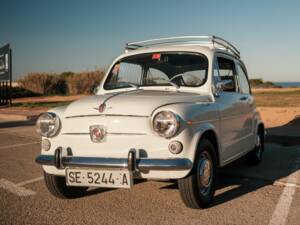
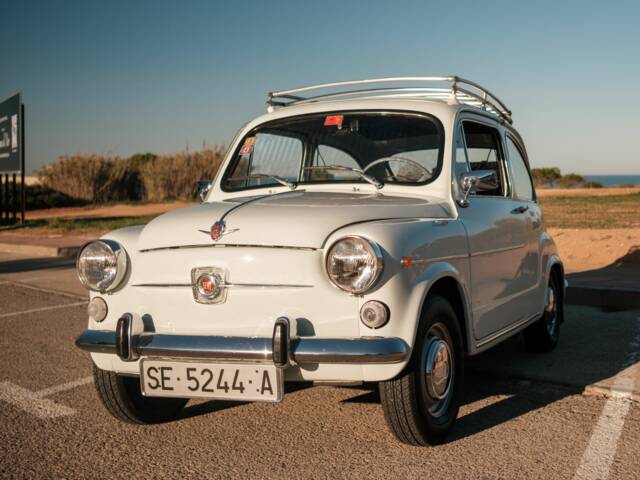
1972 | SEAT 600 E
SEAT 600 E | 1972 | Route 66 Auctions - For sale by auction. Estimate 5500 EUR

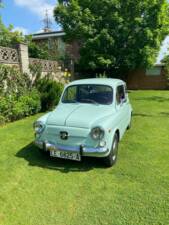
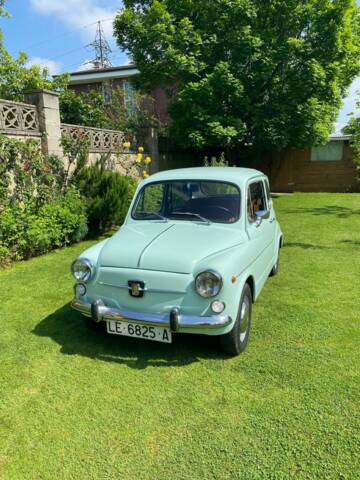
1972 | SEAT 600 L
SEAT 600 L Especial

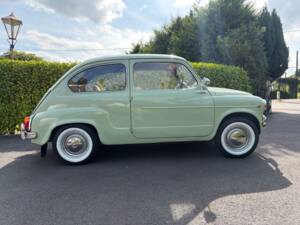
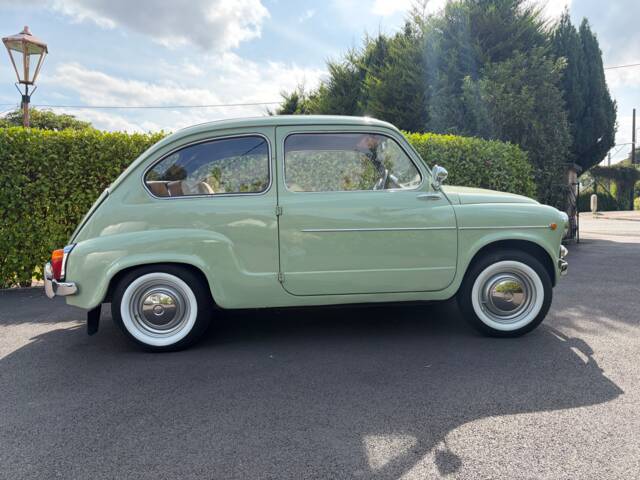
1966 | SEAT 600 D
Refurbished, Excellent Condition

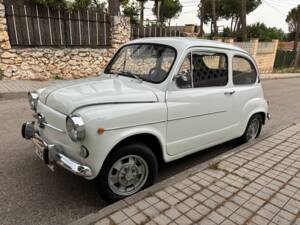
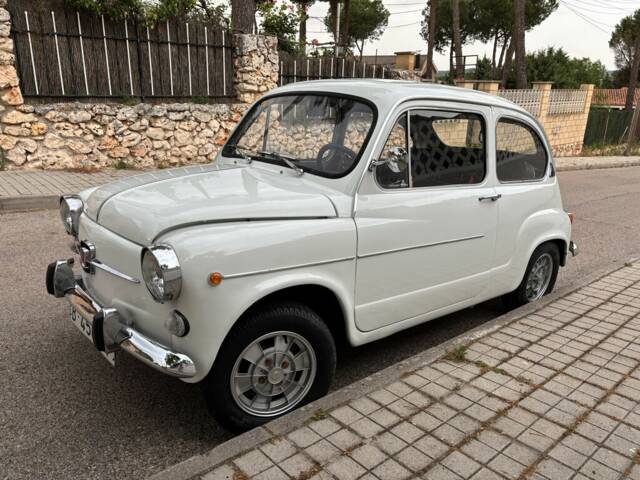
1973 | SEAT 600 L
Seat 600L | 1973 | Route 66 Auctions - For sale by auction. Estimate 4500 EUR
Newsletter
The best SEAT listings, straight to your inbox
Get hand-picked SEAT listings, plus the best of cars, motorbikes, and auctions on Classic Trader — all in one place.
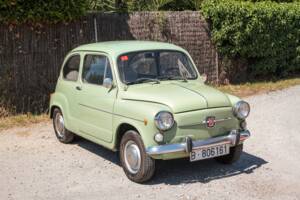
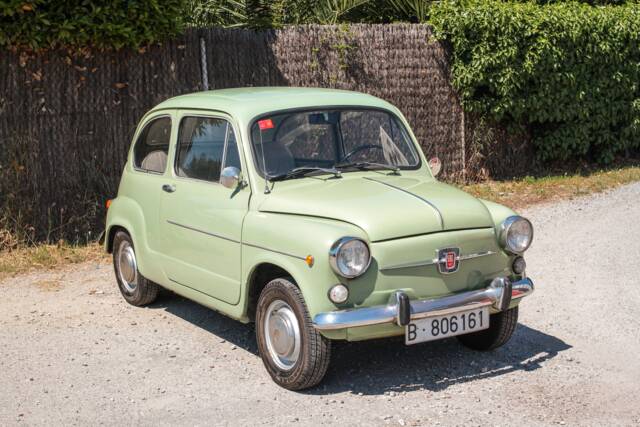
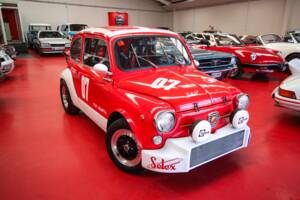
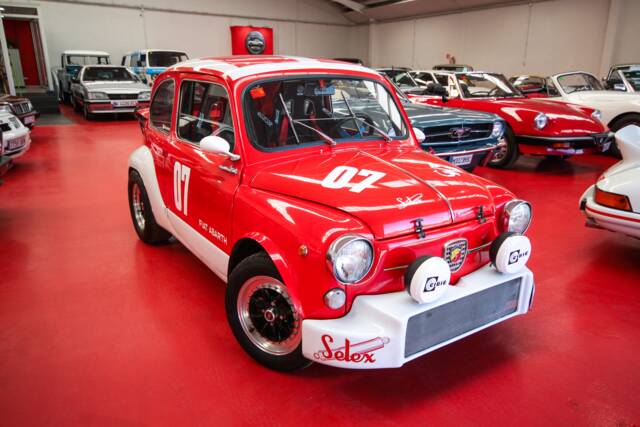
1968 | SEAT 600 D
SEAT 600 ABARTH
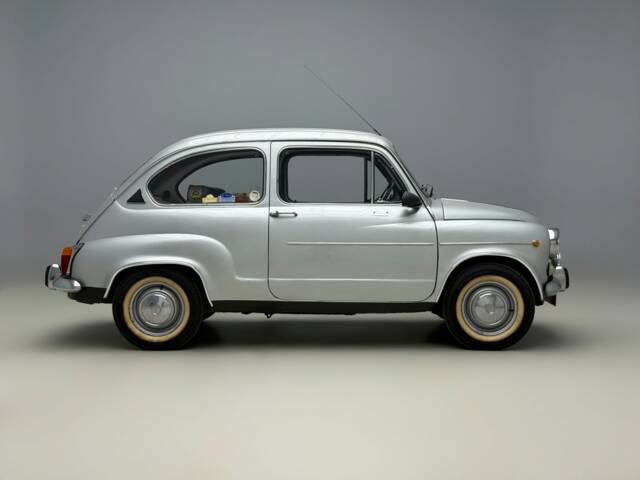
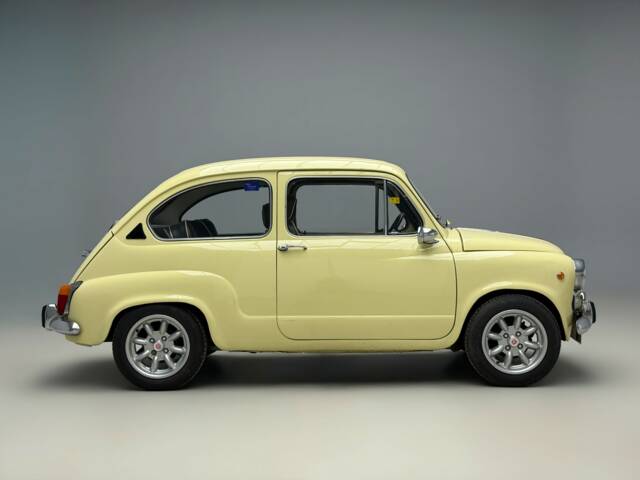
1973 | SEAT 600 E
SEAT 600 L
SEAT 600 listing references from Classic Trader
Below you will find listings related to your search that are no longer available on Classic Trader. Use this information to gain insight into availability, value trends, and current pricing for a "SEAT 600" to make a more informed purchasing decision.
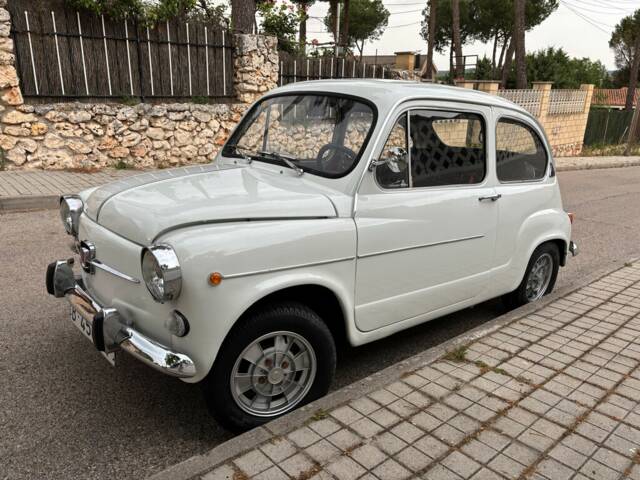
1973 | SEAT 600 D
Seat 600L | 1973 | Route 66 Auctions - For sale by auction. Estimate 4500 EUR
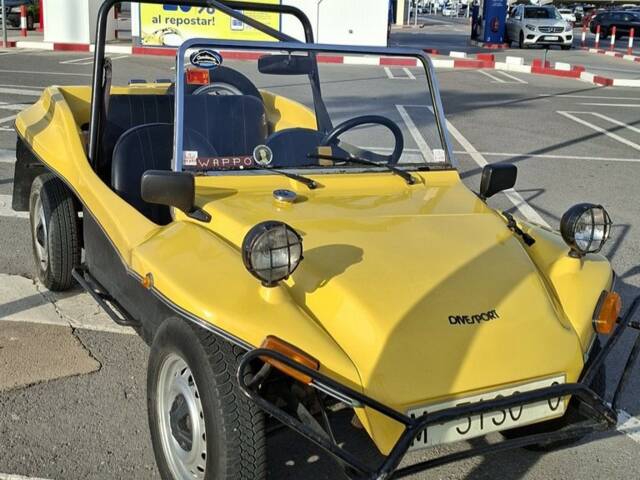
1973 | SEAT 600 Savio Jungla
Seat 600 Buggy Divesport | 1973 | Route 66 Auctions - For sale by auction. Estimate 4500 EUR
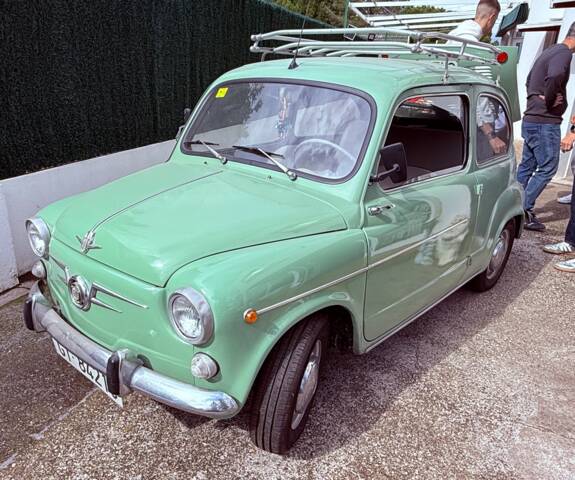
1968 | SEAT 600 D
SEAT 600 L – Clásico español muy original – Matrícula Girona – ITV 2026
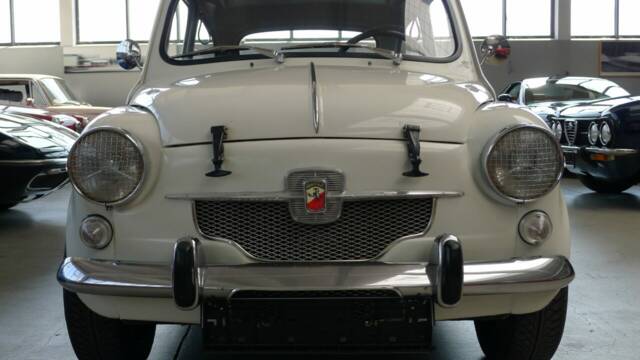
1972 | SEAT 600 D

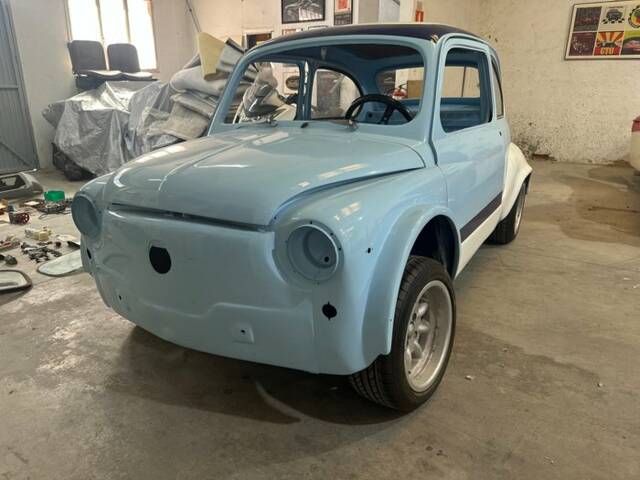
1970 | SEAT 600 D
Seat - 600 Abarth Replica - 1970
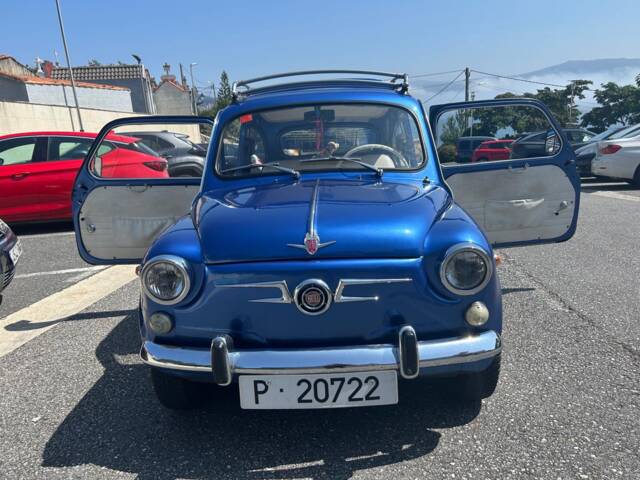
1969 | SEAT 600 D
EN PERFECTAS CONDICIONES
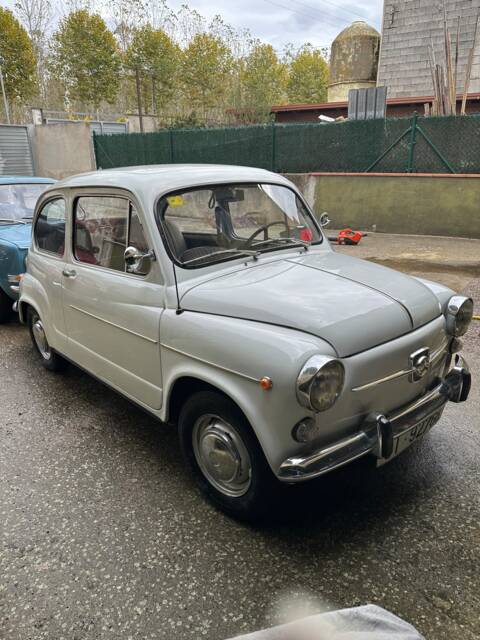
1970 | SEAT 600 E
SEAT 600 E BEIGE
SEAT 600 Classic Cars: Prices & Market Values
History of the SEAT 600
The SEAT 600 debuted in 1957 as a result of SEAT licensing the Fiat 600, itself a 1955 product of Italian automotive ingenuity designed by Dante Giacosa. It provided the Spanish market with an affordable, robust city car at a time when personal cars were rare luxuries. Thanks to this model, widespread car ownership became attainable in Spain, earning the SEAT 600 recognition as a symbol of the Spanish economic upswing. The car’s production in SEAT’s Zona Franca factory lasted until 1973, with more than 783,000 units built in several evolutionary steps. Besides the standard saloon, commercial van versions (Furgoneta Comercial) and open roof cabrios were also offered, matching the diverse needs of families, businesses, and even taxi drivers. Its legacy lives on as a defining vehicle of its era.
Model history
Initially launched as the SEAT 600 N, the model quickly expanded into further developed variants: the 600 D (1963–1973) with more power and enhanced usability, followed by the 600 E (from late 1969 to 1973) which offered improved safety and greater comfort, including front-hinged doors. The SEAT 800, derived from the 600 platform with four doors and longer wheelbase, was positioned as a family or taxi vehicle. After 1973, the 600’s lineage transitioned to successors such as the SEAT 850 and the SEAT 127, cars continuing SEAT’s focus on affordable, practical motoring for Spanish households.
Highlights of the SEAT 600
The SEAT 600’s technical core was a water-cooled inline four with displacements ranging from 600 to 767 cc, giving outputs between 22 and 32 PS depending on version. Noteworthy is its rear engine, rear-wheel drive configuration, an unusual layout for its size and class at the time. The 600 E brought key updates such as safer, front-hinged doors and more modern interiors, while all versions shared a compact footprint and surprisingly roomy cabin, serving four adults. Factory models featured practical details like a large front boot and options for commercial conversions. Distinct elements, like side-mounted indicators (unlike the Fiat’s wing-top units), signalled its Spanish roots.
Technical data
Special Editions and Collectible Models
The SEAT 600 D Descapotable was a cabriolet variant created for open-air driving. The longer-wheelbase, four-door SEAT 800 family car is another unique intricacy of the Spanish market, not seen with its Italian counterpart. Numerous aftermarket cabriolet conversions exist, and many surviving cars have been individualised with era accessories such as radios and period wheel embellishments.
Weak Spots and Common Issues
No specific weaknesses reported in current market summaries and documentation. Preservation and restoration are generally straightforward due to a strong aftermarket for parts and documentation. Nonetheless, potential buyers should assess body condition, as corrosion can be a risk, and inspect for oil leaks or gearbox synchro wear typical of classic vehicles of this type and era.
Engine and Performance, Transmission and Handling
The SEAT 600’s engine, especially in later D and E versions, delivers up to 32 PS from a 767 cc displacement, allowing for top speeds between 95 and 108 km/h. Its 4-speed gearbox (with synchronisation on the upper three gears in most versions) channels power to the rear wheels, while a low weight and compact size guarantee agile manoeuvrability – ideal for urban streets of mid-20th-century Spain. The ride is notably soft due to independent front suspension, but the car remains stable at the speeds it was designed for. Braking relies on hydraulic drums all round, adequate by period standards but requiring regular adjustment in ongoing use. - SEAT 600 N: 600 cc, 22 PS, early distinctive details like 'suicide doors.'
- SEAT 600 D: 767 cc, 32 PS, increased performance, first appearance of cabriolet and family models.
- SEAT 600 E: Improvements in safety, comfort, and equipment for urban use.
Interior, Comfort, Exterior and Design
Designed originally by Dante Giacosa for Fiat, the SEAT 600 features egg-shaped curves, compact proportions, and a consistent emphasis on maximising interior room within a tiny footprint. Blinker lights unique to the Spanish variant are set into the front wings. Distinguishing features include variations in door hinges (rear-hinged to 1969, then front-hinged), different dashboard trims, and, in the E model, flat metallic hubcaps and improved seat padding. Many cars sport evolutions such as metallic grey hubcaps, rectangular front grilles with SEAT logos, or custom accessories like period radios, chrome embellishments, and bespoke upholstery.
Other relevant features
With its legacy as a practical family transporter, city runabout, and workhorse for taxis or small businesses, the SEAT 600 was adapted for numerous uses. The steady supply of spare parts and documentation, together with historical recognition, make restoration projects accessible and rewarding for enthusiasts. Spanish registration offers potential for historic vehicle taxation advantages.
Summary
The SEAT 600 established itself as a transformative vehicle in Spanish society, blending affordable running costs, pragmatic engineering, and durable construction. Figures from Classic Trader show that SEAT 600s represent the totality of SEAT classic market interest, underlining their ongoing relevance in the collector and enthusiast scene. Practical to own, easy to restore, and rich in technical detail, the SEAT 600 continues to fascinate generations of car enthusiasts.