|

Mercedes-Benz 250 Classic Cars for Sale

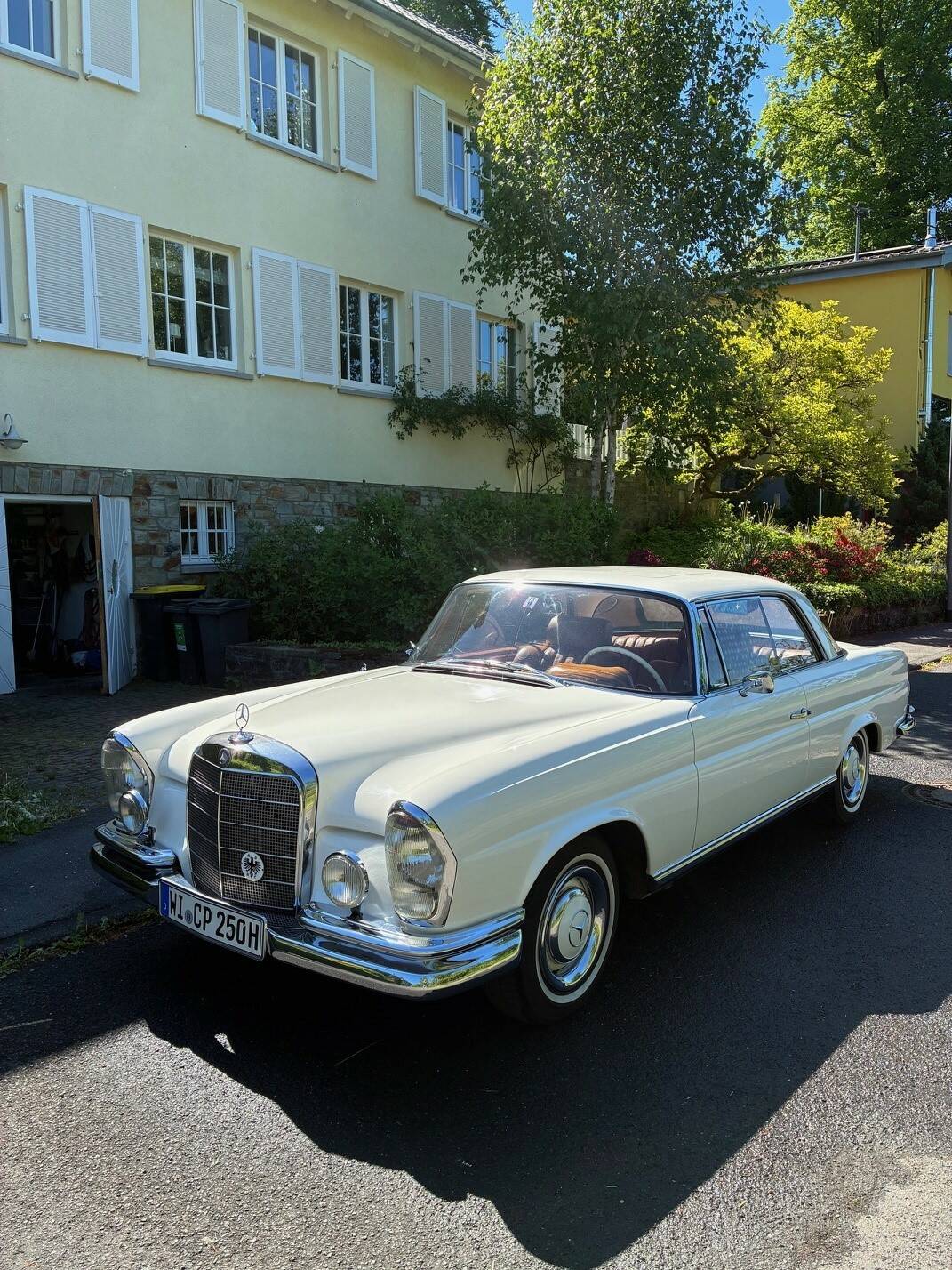
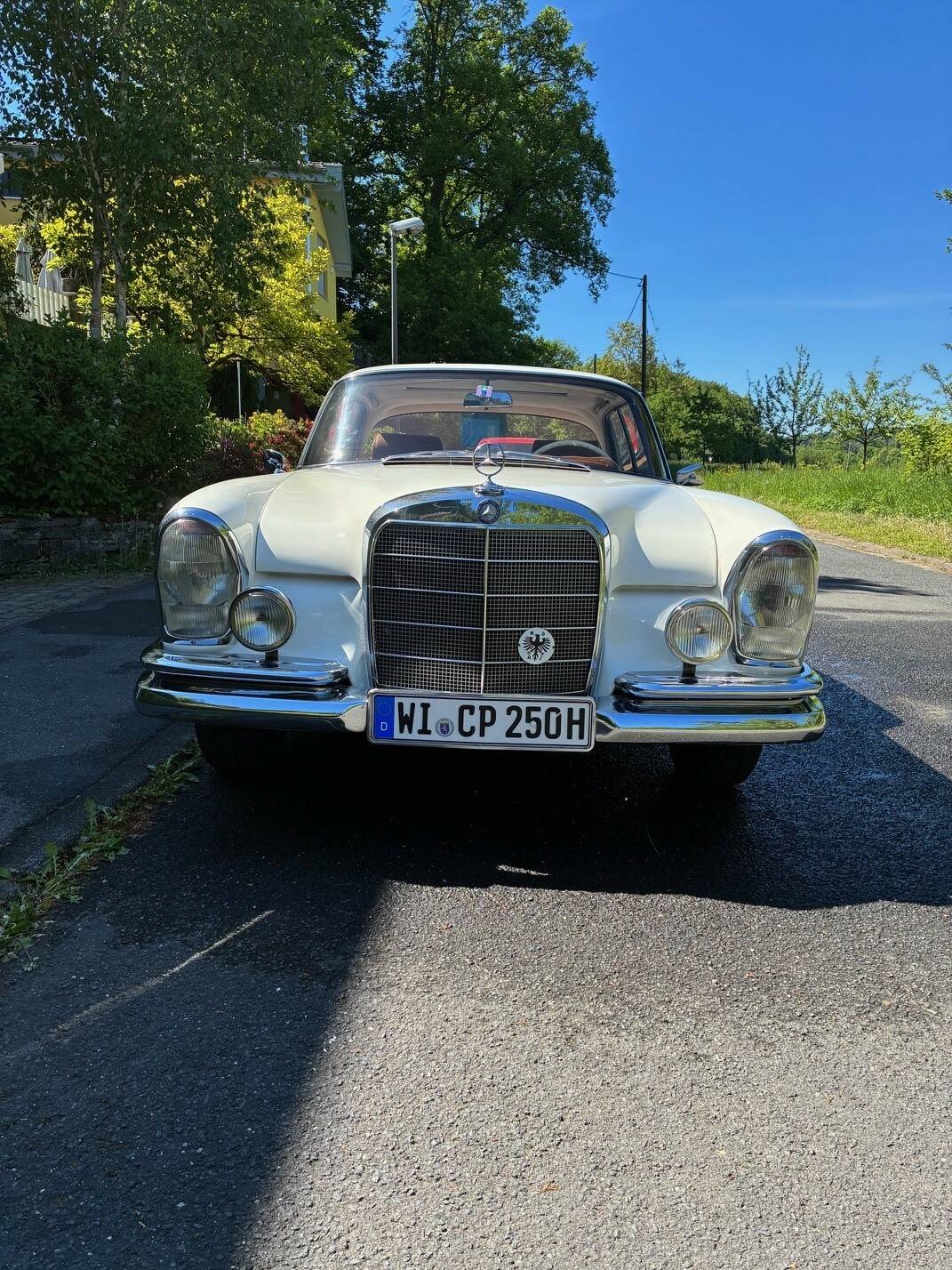
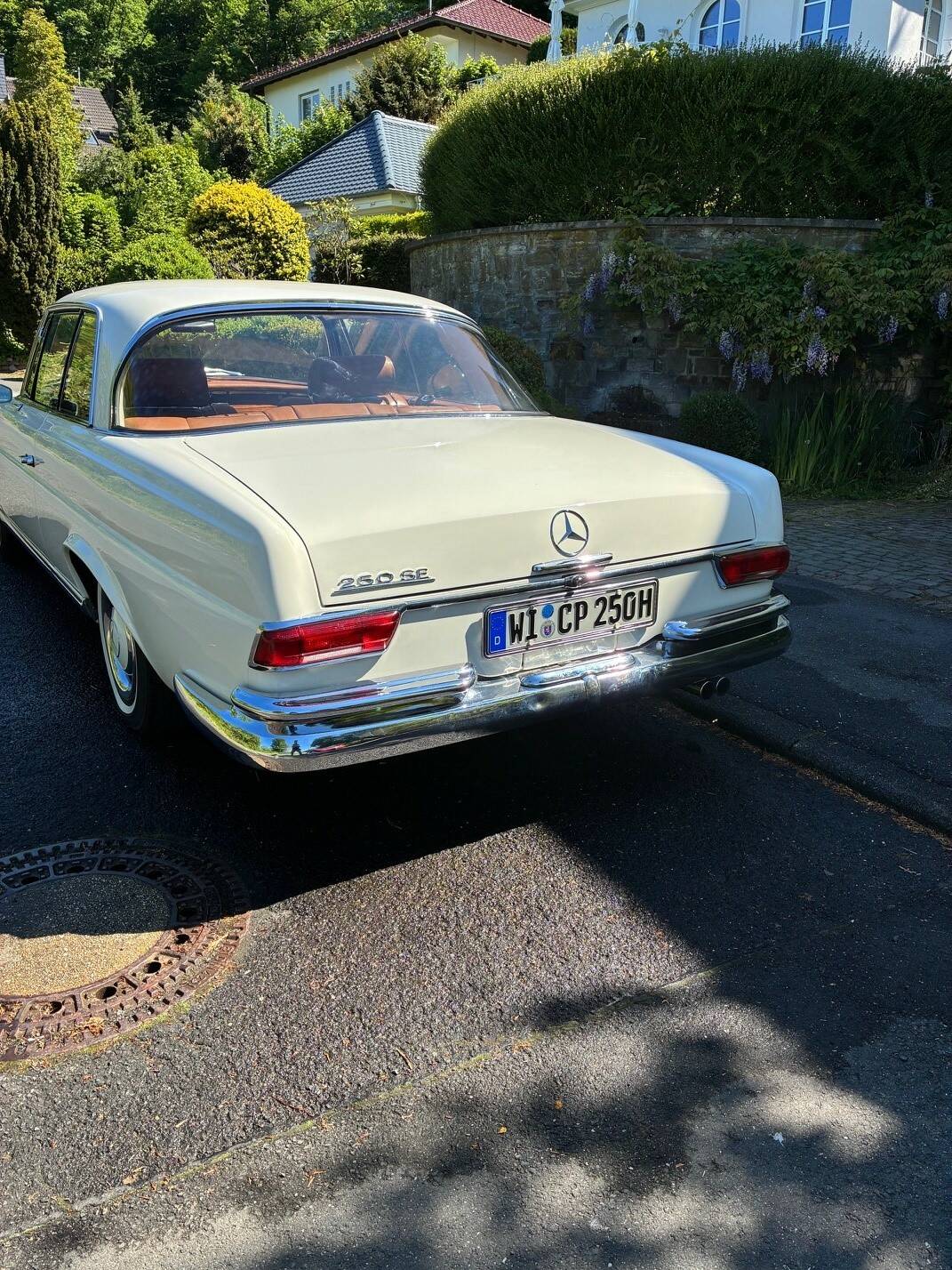
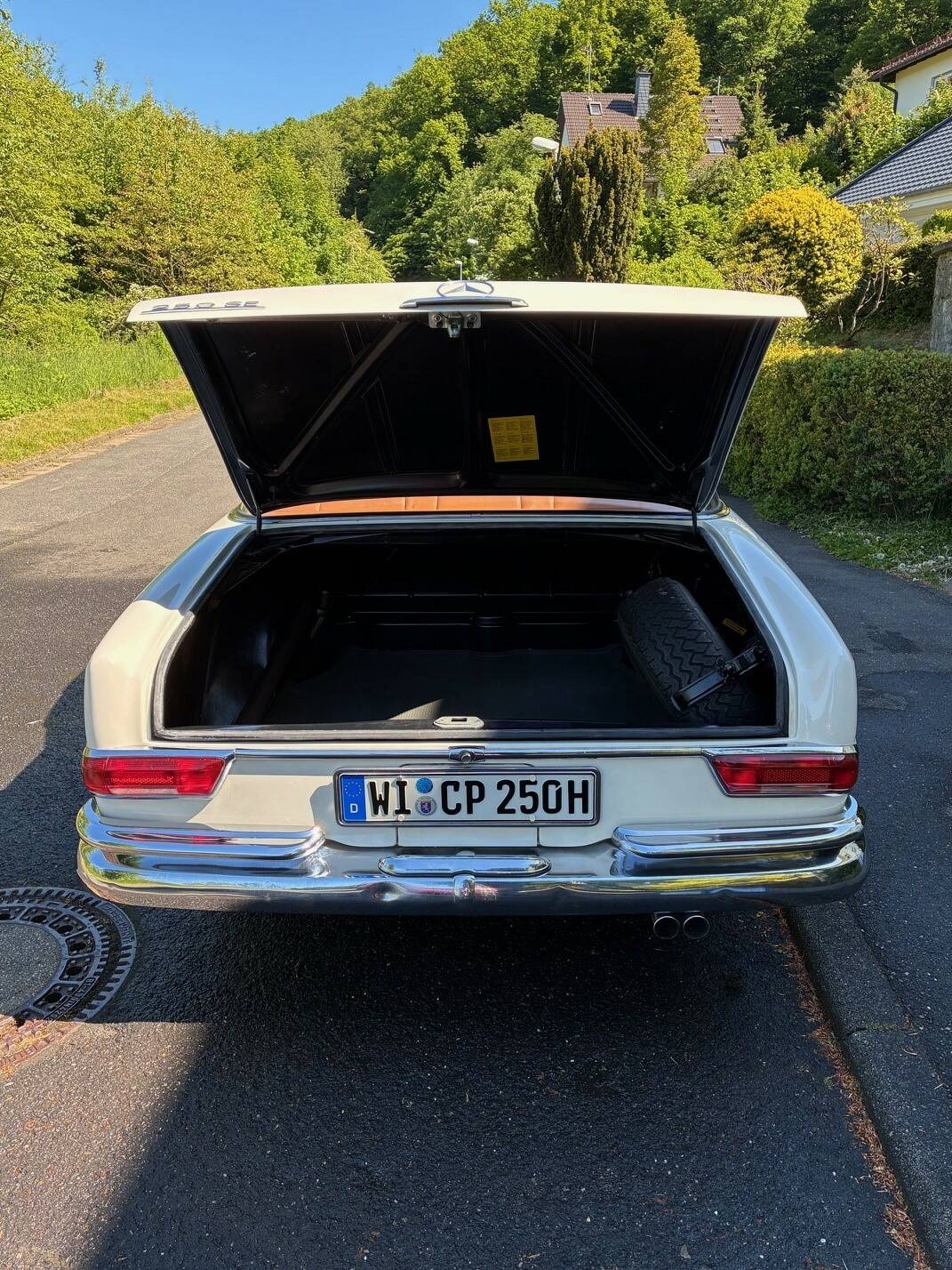
The Mercedes-Benz 250 model series comprises saloons, coupés, and cabriolets built between 1965 and 1972, rooted in the groundbreaking W108 and W111 chassis. Famed for robust six-cylinder engines, signature oval headlamps, and advanced safety features such as four-wheel disc brakes, the 250s set new benchmarks for luxury and engineering in their day. Whether as a classically styled saloon, hand-built coupé, or rare cabriolet, these vehicles live up to their reputation as exceptionally well-constructed and refined German classics.

Read more

Search results

Auction01:13:14
Image 1/50 of Mercedes-Benz 250 SE (1967)
1 / 51
Classic Auction

1967 | Mercedes-Benz 250 SE

Authentic Classic In Excellent Condition

🇪🇸
Auction
0 comments
23 bids
29 watchers
Show vehicle
Image 1/29 of Mercedes-Benz 250 S (1967)
1 / 30
£12,122
🇩🇪
Dealer
Show vehicle
Image 1/17 of Mercedes-Benz 250 SE (1966)
1 / 17

1966 | Mercedes-Benz 250 SE

CH-Auslieferung - Originalzustand - MFK 2021 Veteran!

£18,544
🇨🇭
Dealer
Show vehicle
Image 1/36 of Mercedes-Benz 250 SE (1966)
1 / 36

1966 | Mercedes-Benz 250 SE

Mercedes Benz 250SE handgeschakeld schuifdak Coupe

£42,719
🇳🇱
Dealer
Show vehicle
Image 1/19 of Mercedes-Benz 250 S (1968)
1 / 19

1968 | Mercedes-Benz 250 S

Mercedes-Benz 250 S – 1968 W108 Blauw.

£11,738
🇳🇱
Dealer
Show vehicle
Image 1/50 of Mercedes-Benz 250 SE (1966)
1 / 50

1966 | Mercedes-Benz 250 SE

Mercedes-Benz 250  SE Cabrio

£86,834
🇩🇪
Dealer
Show vehicle
Image 1/32 of Mercedes-Benz 250 SE (1967)
1 / 32

1967 | Mercedes-Benz 250 SE

Mercedes-Benz 250 SE Coupé (W111)

£77,670
🇩🇪
Dealer
Show vehicle
Image 1/12 of Mercedes-Benz 250 SE (1967)
1 / 12
Report

1967 | Mercedes-Benz 250 SE

Beautifully maintained classic Mercedes 250 SE in dark blue

£34,821
🇩🇪
Private seller
Show vehicle
Image 1/50 of Mercedes-Benz 250 SE (1966)
1 / 50

1966 | Mercedes-Benz 250 SE

Mercedes-Benz 250 SE Coupé

£30,457
🇳🇱
Dealer
Show vehicle
Image 1/45 of Mercedes-Benz 250 SE (1967)
1 / 45
£155,777
🇩🇪
Dealer
Show vehicle
Image 1/9 of Mercedes-Benz 250 SE (1966)
1 / 9
£37,182
🇨🇭
Dealer
Show vehicle
Image 1/99 of Mercedes-Benz 250 SE (1967)
1 / 99

1967 | Mercedes-Benz 250 SE

W111 - Très bel état - Garantie 12 mois

£25,745

VAT is reclaimable

🇫🇷
Dealer
Show vehicle
Image 1/17 of Mercedes-Benz 250 SE (1967)
1 / 17
Report

1967 | Mercedes-Benz 250 SE

*German vehicle*from family ownership*

£121,305
🇩🇪
Dealer
Show vehicle
Image 1/41 of Mercedes-Benz 250 SE (1967)
1 / 41

1967 | Mercedes-Benz 250 SE

Mercedes Benz W111 250 SE Cabriolet 5.0-V8 // dunkelolivgrün - Leder Cognac // State-of-Art

Price on request
🇩🇪
Dealer
Show vehicle
Image 1/20 of Mercedes-Benz 250 SE (1965)
1 / 21

1965 | Mercedes-Benz 250 SE

Mercedes-Benz 250 SE Coupe 5.6 V8 with automatic transmission - the powerhouse in a tailor-made suit!

£104,724
🇩🇪
Dealer
Show vehicle

History of the Mercedes-Benz 250 Series

The Mercedes-Benz 250 nameplate signified a leap in engineering and luxury during the mid-1960s. Launched in 1965, the 250 S and 250 SE saloons of the W108 series filled the gap between the outgoing 'Heckflosse' models and the newly evolving luxury class that would become the S-Class. The W108 marked a turning point with its more restrained, elegant design and technical innovations. Simultaneously, the W111 Coupé and Cabriolet received the 250 SE badge, blending advanced technology with generous hand-crafted attention to detail. Mercedes also briefly introduced the 250 SL in the W113 'Pagode' line, underlining the performance edge of the 2.5-litre inline-six engine. Collectively, these models established core benchmarks for comfort, handling, and advanced features within the European executive and luxury vehicle sectors.

Model History

The 250 S and 250 SE debuted within the W108 range from 1965, continuing until 1968 before being succeeded by the 280 S/SE. Utilizing the M108 (carburettor, 130 PS) and M129 (injection, 150 PS) engines, they replaced the earlier 220 S/SE. Meanwhile, the W111 Coupé and Cabriolet incorporated the same drivetrain but were limited in production, handmade, and carried over the pillarless design language. In 1967, the 250 SL 'Pagode' succeeded the 230 SL for just over one year, becoming a sought-after variant due to the short production span (5,196 units). The 250/8 and W114 models (1968-1972) rounded out the series, extending the application of the 2.5-litre engine through Mercedes' mid-range platform. By 1972, the W116 S-Class replaced the upper-class 250s, but many elements—comfort, engineering quality, safety—were seeded by these 250s.

Highlights of the Mercedes-Benz 250 Series

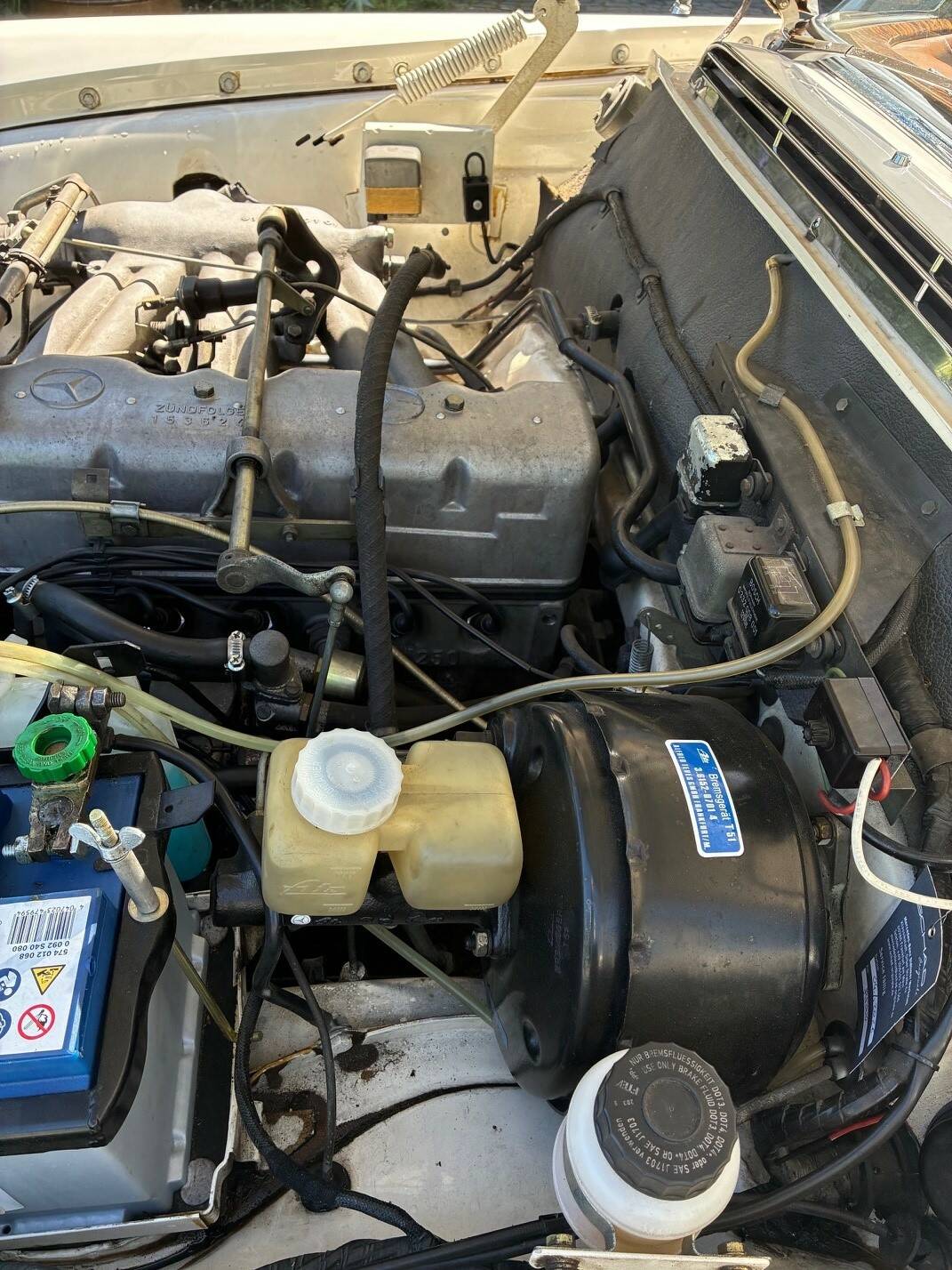
Mercedes-Benz 250 models introduced a mix of advanced engineering and upmarket features for the time. Four-wheel disc brakes were standard—rare among contemporaries. The mechanical Bosch fuel injection made the 250 SE remarkably lively, delivering 150 PS, while the saloons could also be ordered with carburettor engines. Design-wise, the shift from twin stacked headlamps to the oval upright units remains a signature. Optional long-wheelbase saloons and features like power steering, electric windows, and sunroofs pushed market expectations for luxury. The 250 Coupé and Cabriolet's handmade construction stands out, while all versions boasted generous chrome accents, fine woodwork, and genuine leather or MB-Tex interiors. With notable statistics, the W111 Coupé/Cabriolet represents 52.5% of 250 listings and attracts nearly 70% of listing views, underlining their gravity among collectors and enthusiasts. By contrast, the W108 250 saloon holds 47.5% of supply and about 30% of demand share, illustrating healthy appreciation for both body styles in the classic car market.

Technical Data

Special Editions and Collectible Models

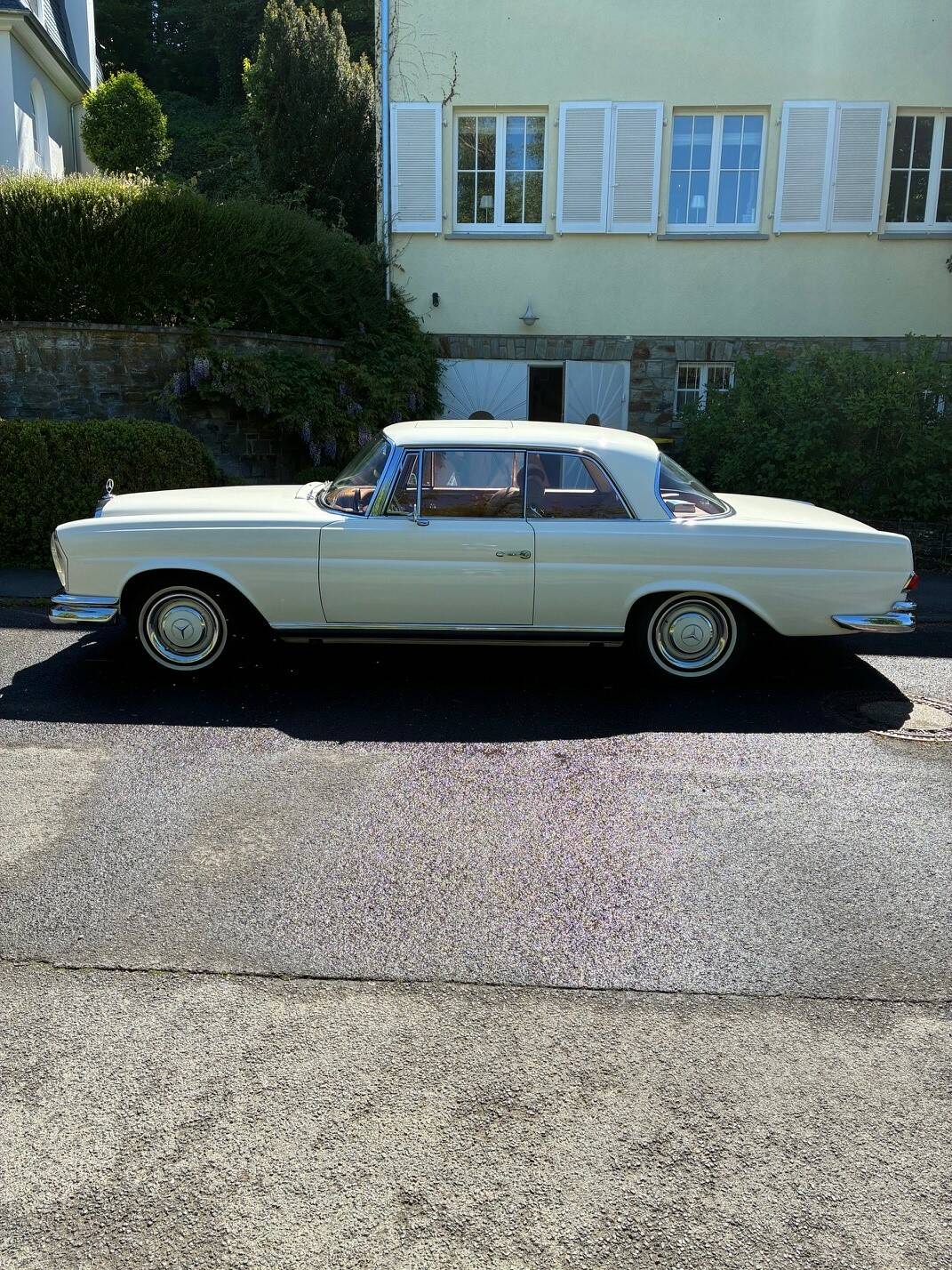
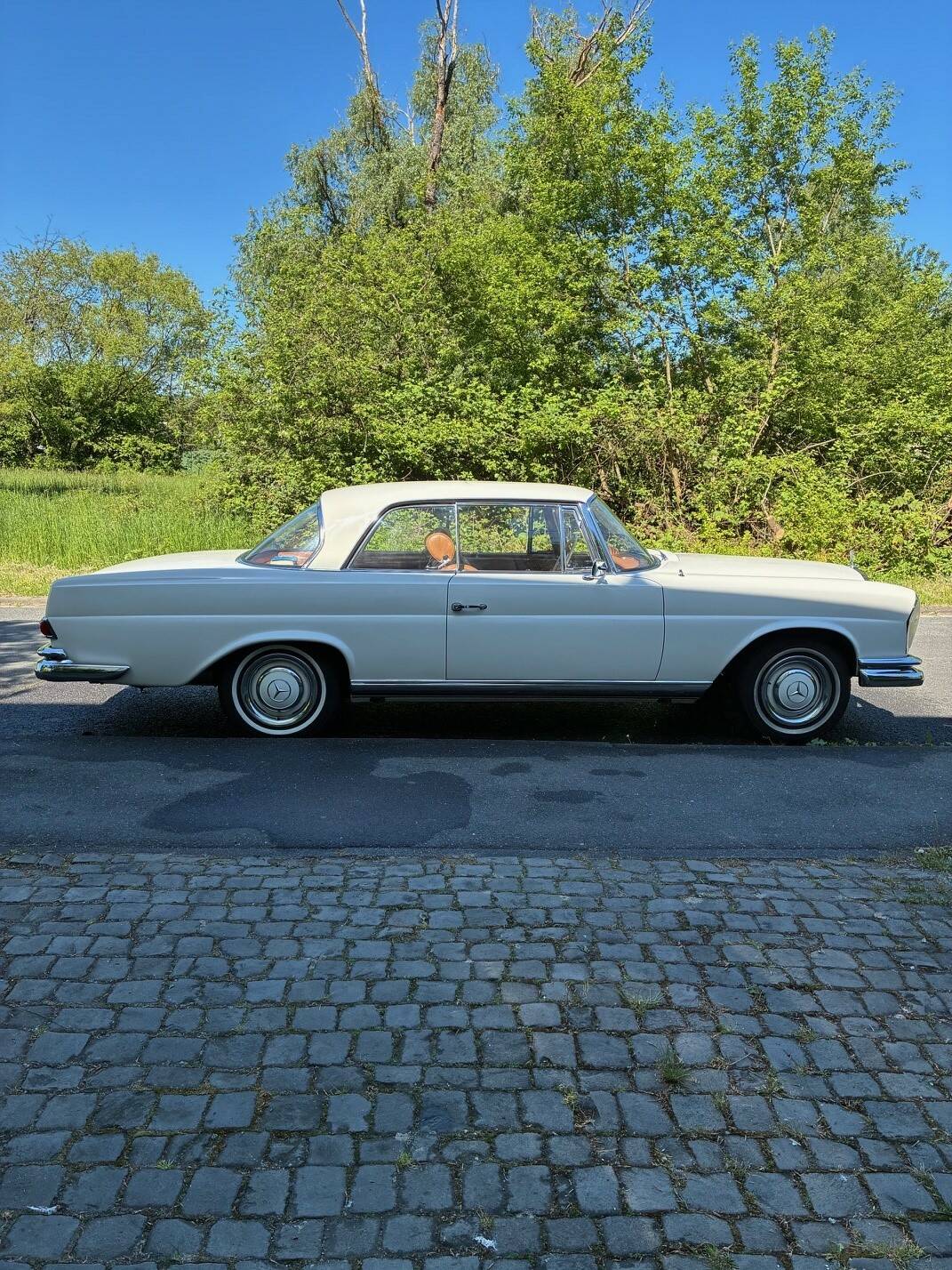
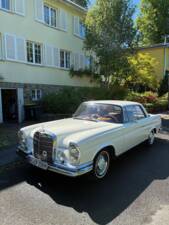
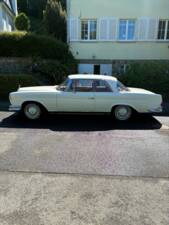
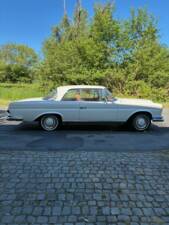
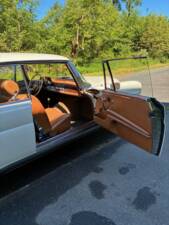
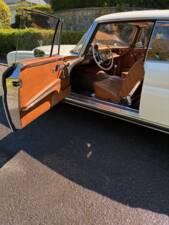
Most notable are the 250 SE Coupé and Cabriolet of the W111 series. Only 5,259 coupés and a mere 954 cabriolets were produced, making especially the Cabriolet among the rarest Mercedes classics of this era. The 250 SL 'Pagode' is also highly recognised, with just 5,196 units built—the shortest-lived of the W113 generation. These editions are distinguished by their hand-built construction, high-quality materials, and unique bodywork, including pillarless doors and, for the SL, the distinctive concave roof design that gave it its nickname.

Engine, Transmission and Driving Characteristics

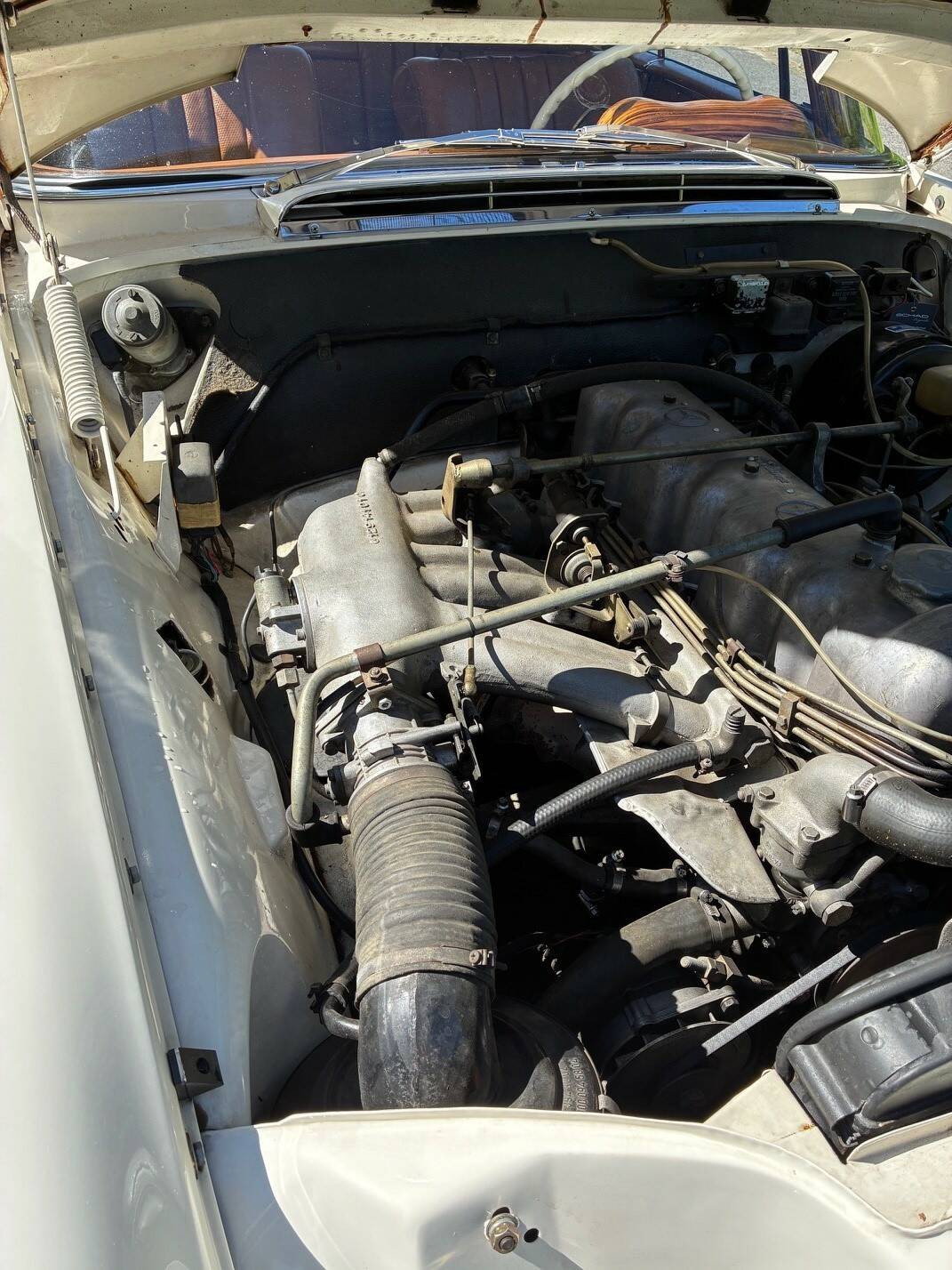
The Mercedes 250 series equipped with the 2.5-litre inline-six offers a refined blend of flexibility and performance. In the 250 SE and 250 SL, the injection system helps achieve lively throttle response and smooth, near-quiet operation—0-100 km/h in around 11–12 seconds and a top speed close to 190 km/h (SE, SL). The robust transmission—be it four-speed manual with column or floor shift, or the optional four-speed automatic—accommodates both comfortable cruising and brisk acceleration. Rear-wheel drive, combined with sophisticated independent suspension front and rear, delivers a plush ride and sure-footed handling that matches the period’s top standards. Braking is assured thanks to disc brakes on all wheels—a major advance for the 1960s. - 250 SE Coupé/Cabriolet (W111): Hand-built, with mechanical injection, highly regarded for long-distance touring and collectibility.

  • 250 S/SE Saloon (W108): Spacious, rewarding road manners, good reliability.
  • 250 SL 'Pagode' (W113): Distinct performance/handling, signature design, and rarity.

Interior, Comfort, Exterior and Design

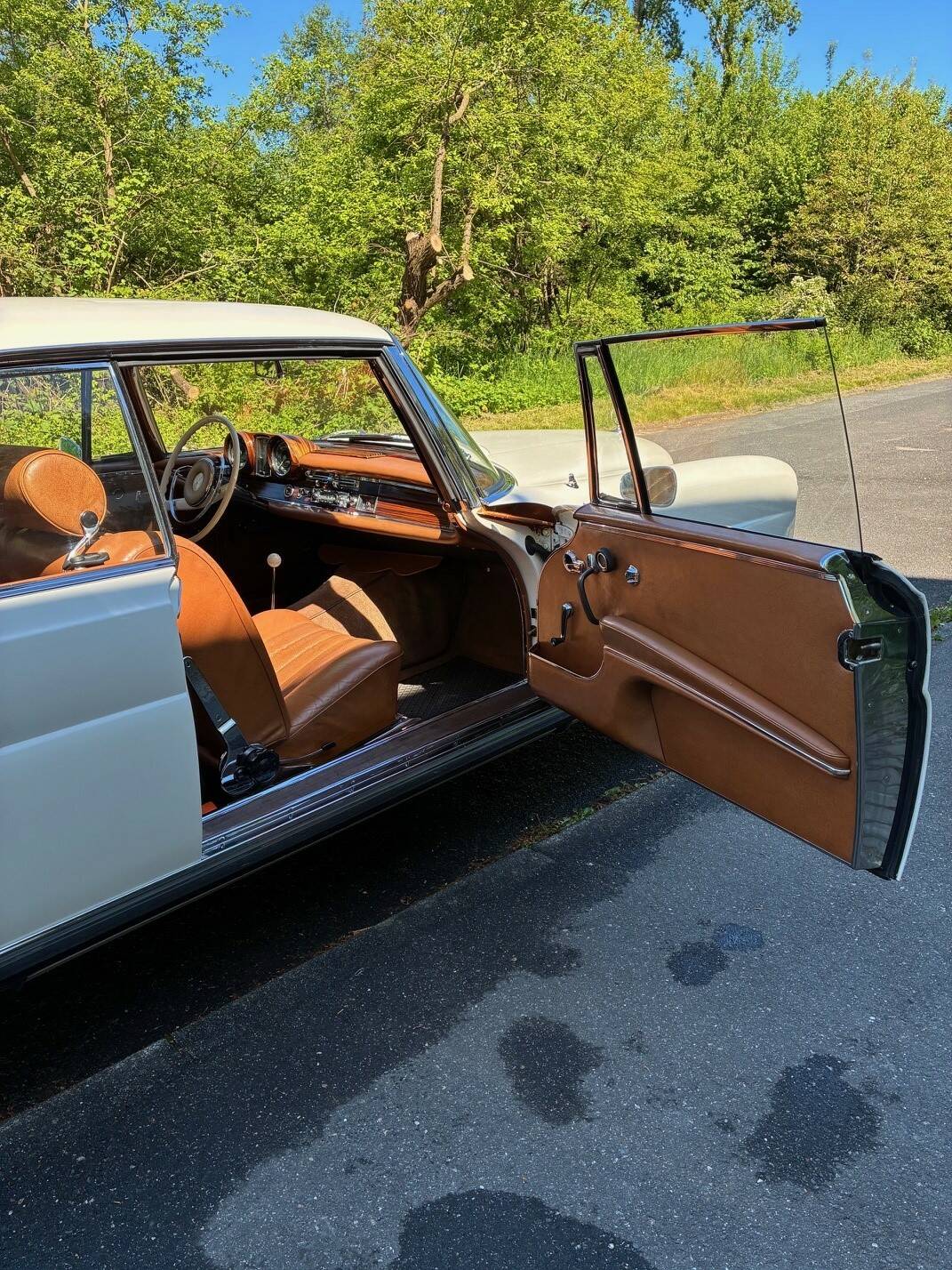
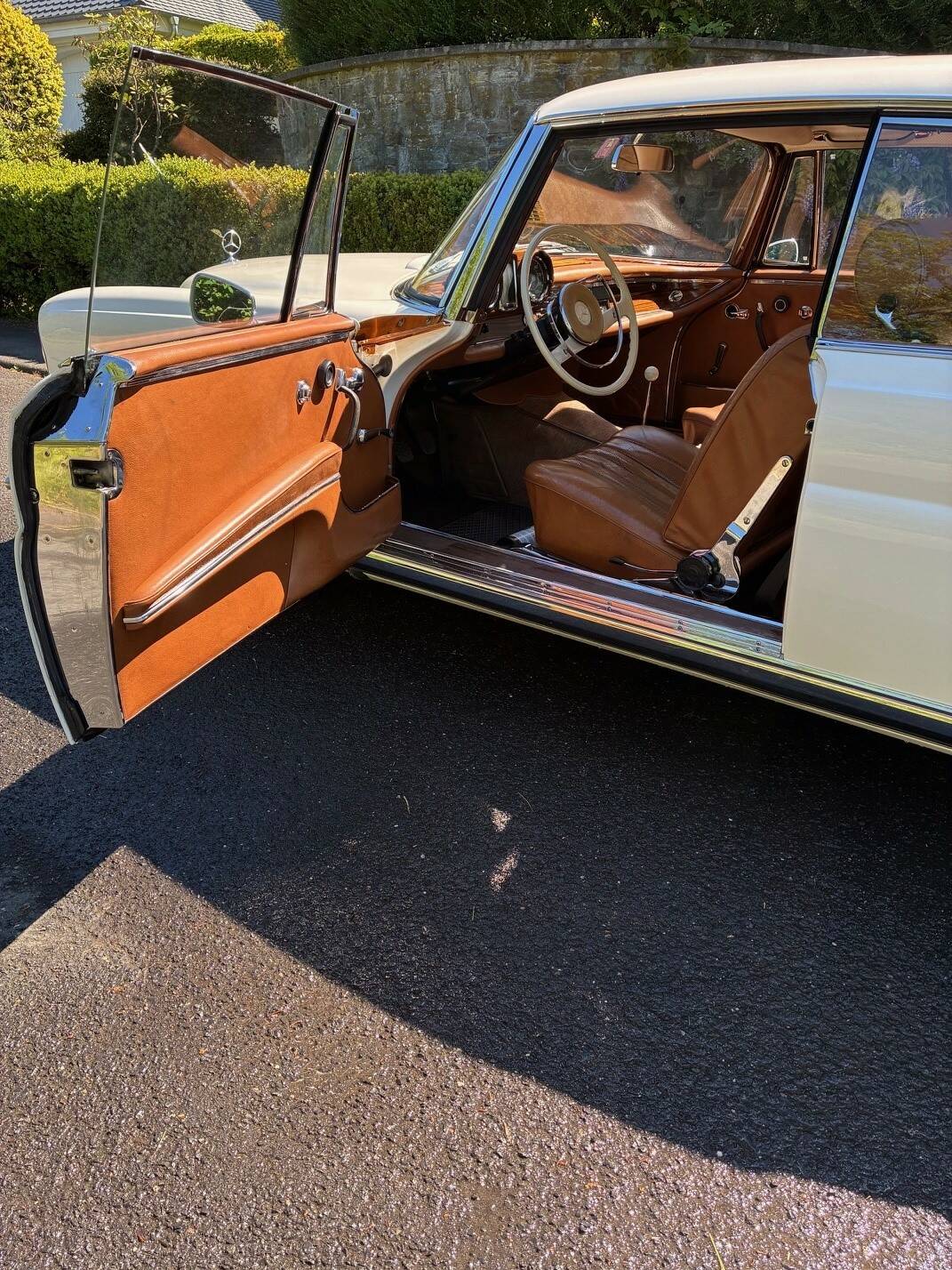
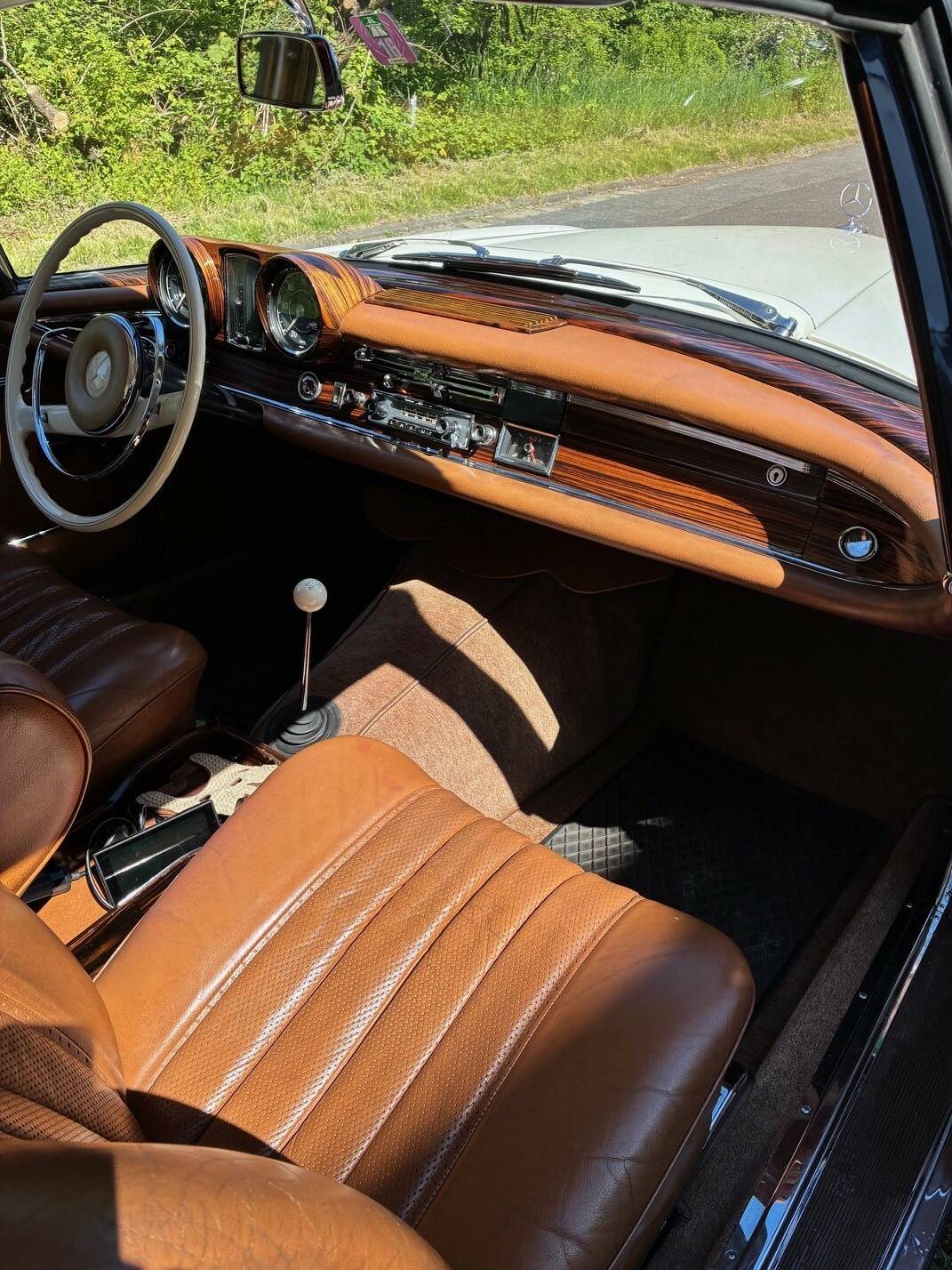
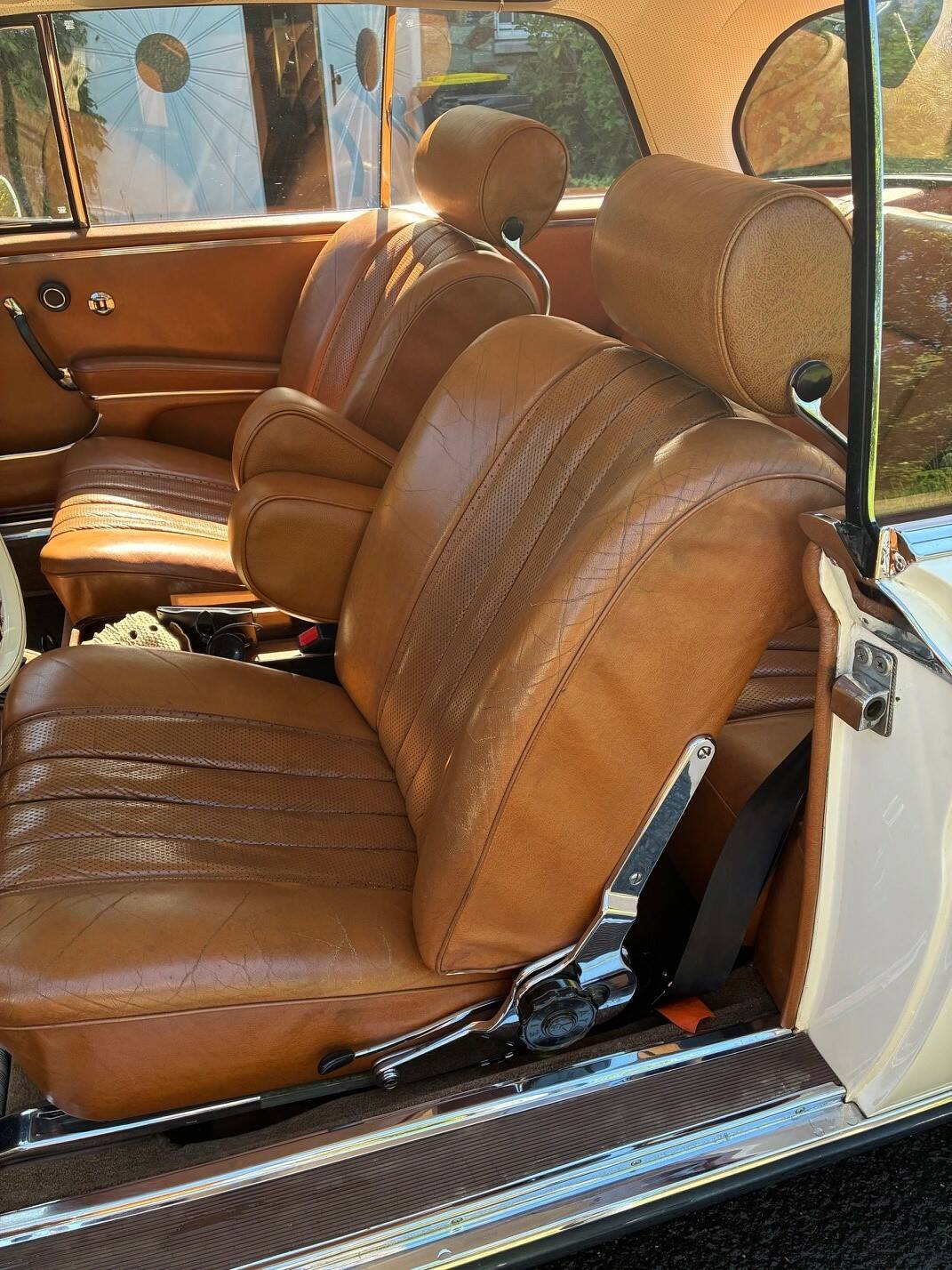
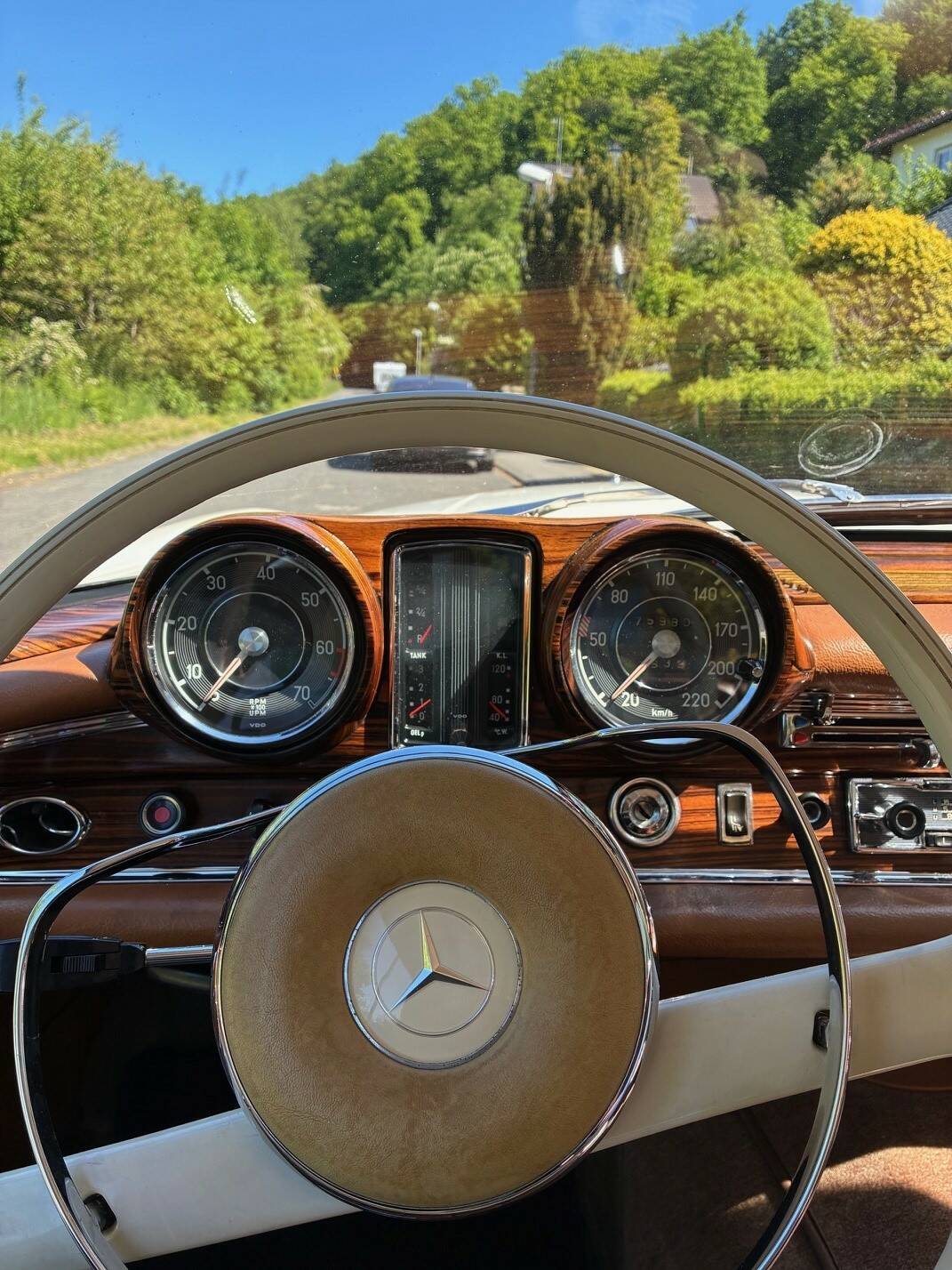
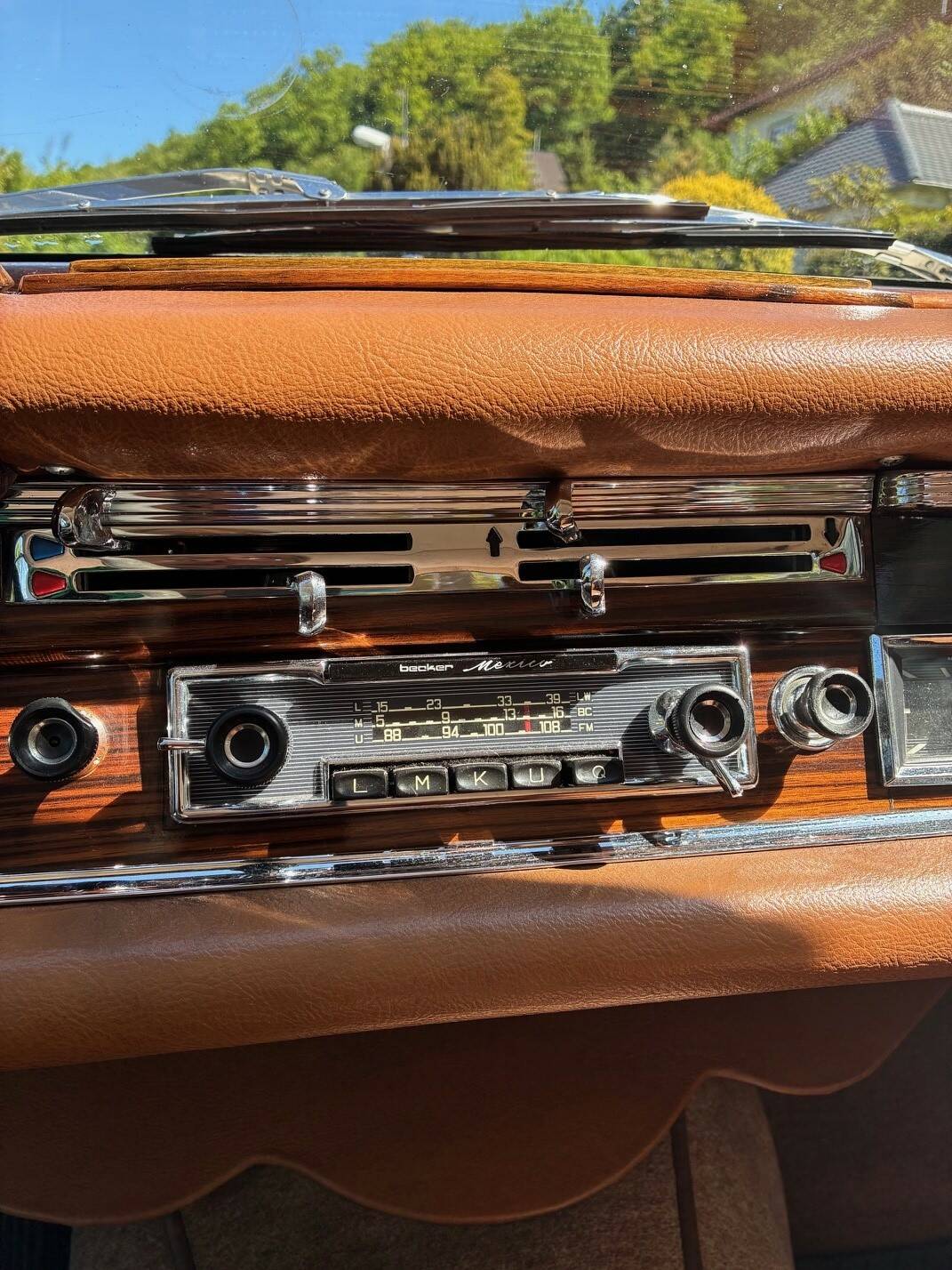
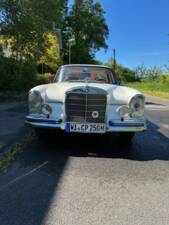
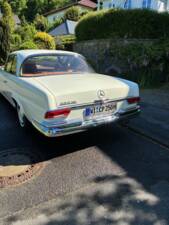
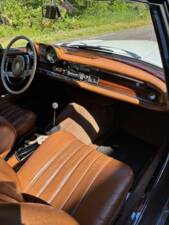
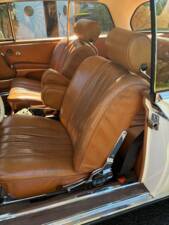
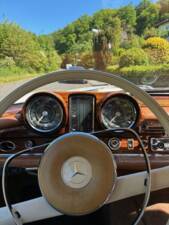
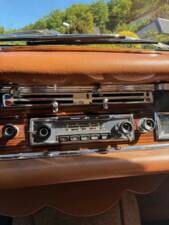
Distinct for their time, the 250's interiors featured high-grade leathers or MB-Tex, finely polished wood surfaces (often walnut or Zebrano), and period VDO instruments. The coupé and cabriolet models flaunt pillarless window designs and low, flowing rooflines, giving an air of exclusivity and openness. Saloons show a stately silhouette, integrated oval headlights, and a large, chrome-framed grille. Chrome embellishments, Mercedes star, and original brightwork complete the period look. Special equipment includes electric windows, sunroof, air conditioning (often optional), and Becker radios. Factory paint codes offered a broad palette—white, dark blue, green, grey, and several other shades. Cabriolets boast finely engineered folding hoods, while both coupé and cabriolet feature four proper seats, an unusual luxury in open-topped classics.

Other Notable Features

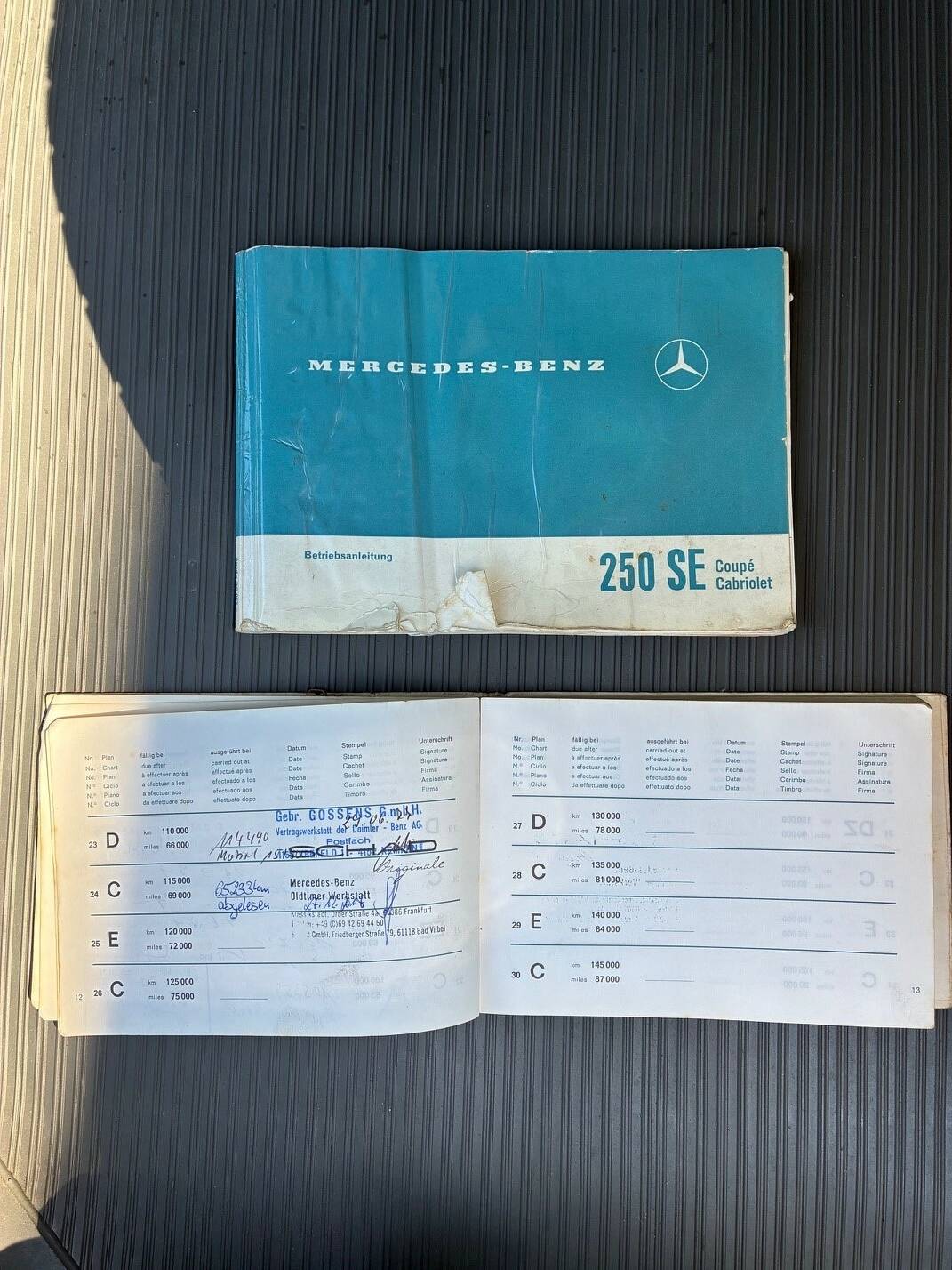
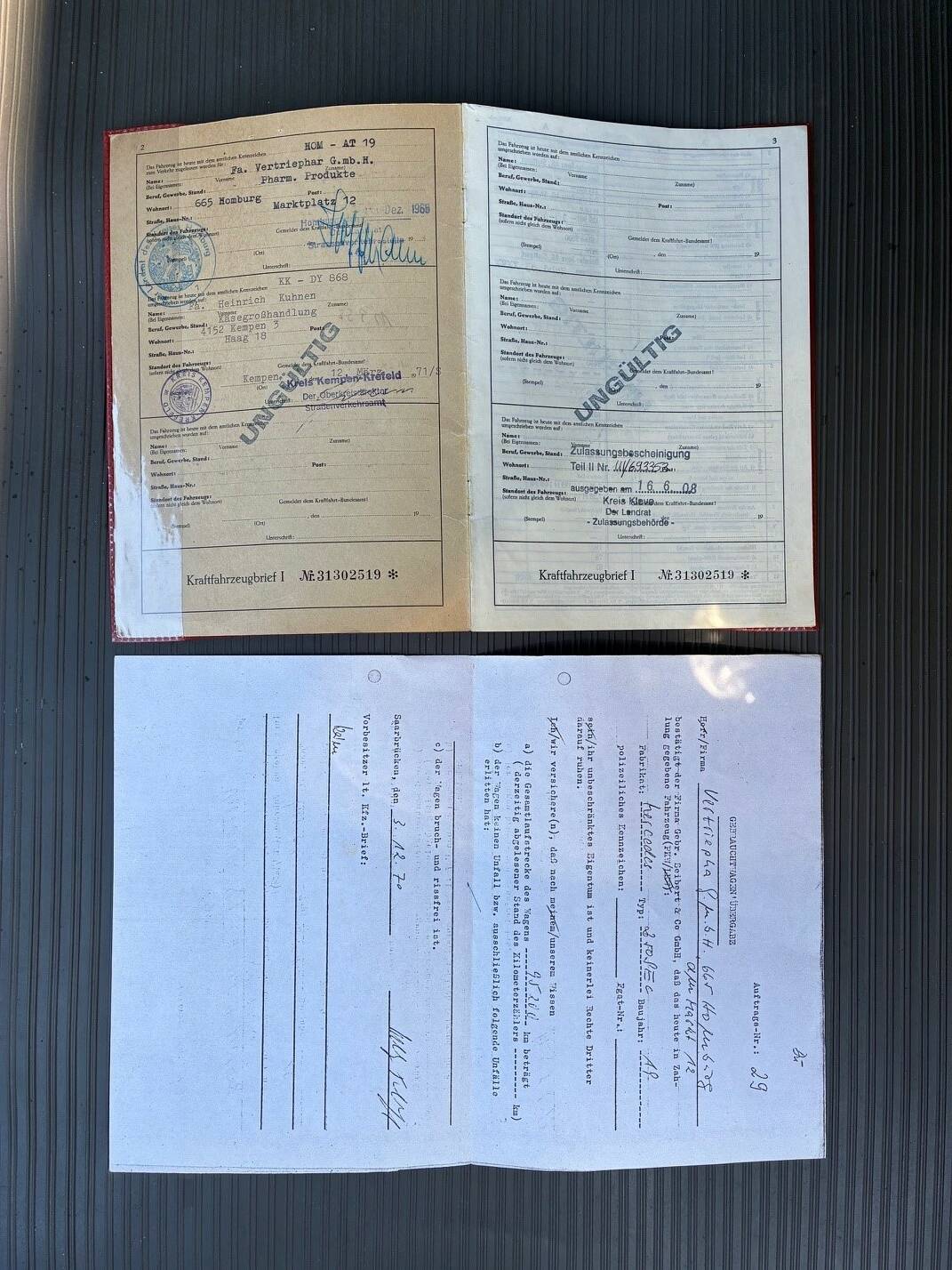
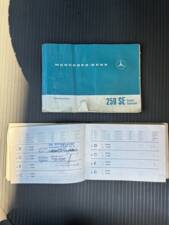
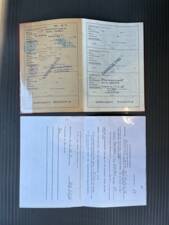
Many 250 models on the market come with their original documentation, period-correct radios, tool kits, and detailed service records. Nearly all variants are eligible for historic registration across Europe, reflecting their robust build and ongoing support from classic parts suppliers. The advanced passive and active safety concept—crumple zones, safety steering column, and extensive sound insulation—remains noteworthy within the segment. MB-Tex upholstery, noted for its durability, is found in many early specimens.

Summary

The Mercedes-Benz 250 series—whether as W108 saloons, hand-crafted W111 coupés/cabriolets, or the rare W113 SL—represents a pivotal era in Stuttgart engineering. They are defined by robustness, safety, quality of materials, and a quietly commanding presence on the road. With a broad supply and clearly focused demand—particularly for Coupé and Cabriolet—these models cater to classic car enthusiasts looking for technically meaningful, stylish, and comfortable classic Mercedes vehicles.