Chevron B9 classic cars for sale
The Chevron B9 stands as a pure Formula Three single-seater, developed specifically for racing in 1968. It boasts impressive heritage, being a championship-winning design powered by the agile Cosworth MAE engine.
Search results
Currently, there are no matching listings for your search.
Create search alert
Let yourself be notified as soon as a listing is published that matches your search filters.
Create listing
Do you have a Chevron B9 that you want to sell? Then create a listing now.
Create listingChevron B9 listing references from Classic Trader
Below you will find listings related to your search that are no longer available on Classic Trader. Use this information to gain insight into availability, value trends, and current pricing for a "Chevron B9" to make a more informed purchasing decision.
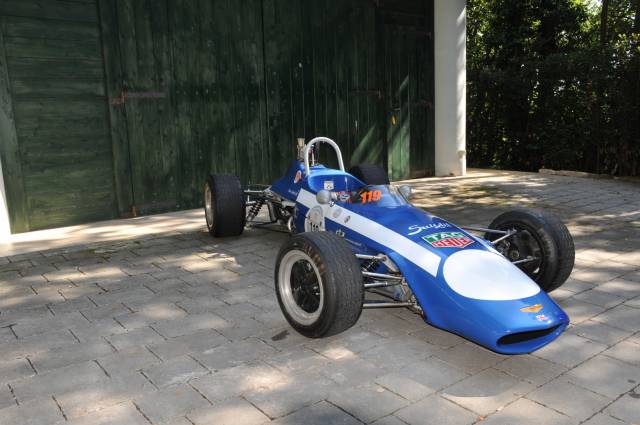
1968 | Chevron B9-F3
CHEVRON CARS B9 Formula 3 1968

Create search alert
Let yourself be notified as soon as a listing is published that matches your search filters.
Create listing
Do you have a Chevron B9 that you want to sell? Then create a listing now.
Create listingChevron B9 Classic Cars: Prices & Market Values
History of the Chevron B9
Unveiled in 1968, the Chevron B9 was designed by Derek Bennett's Chevron Cars to break into the highly competitive world of Formula Three racing. That year, the car made an instant impact by winning the British Formula Three Championship with driver Tim Schenken at the wheel. The B9 was Chevron’s dedicated effort in Formula Three, marking a key turning point in the small manufacturer’s growing motorsport reputation.
Model History of the Chevron B9
The B9’s arrival marked Chevron’s deeper commitment to the single-seater formula market, especially after earlier successes in sports cars. With its open-wheel configuration and lightweight chassis, the B9 set technical precedents for subsequent Chevron models. Direct successors included further iterative developments into models such as the B15, continually pushing performance boundaries in Formula Three and beyond.
Highlights of the Chevron B9
What differentiates the Chevron B9 is its immediate success on the racetrack, particularly clinching the British Formula Three Championship right after its launch. The precise chassis design and the pairing with the Cosworth MAE 997cc engine gave it an edge in agility and responsiveness. With only one model series and manufacturer code represented in the current listings, Chevron B9 comprises 100% of both supply and demand for the Chevron brand on Classic Trader.
Technical Data Chevron B9
Special Editions and Collectible Models
No specific special editions of the Chevron B9 were officially documented; it was built as a dedicated competition Formula Three car. However, surviving chassis with documented racing history, especially those linked to championship campaigns, are particularly valued by collectors and historic motorsport enthusiasts.
Weak Spots and Common Issues
No specific weak spots were documented for the Chevron B9 in the available information. As with all period single-seaters, buyers should be mindful of chassis integrity, drivetrain wear, and sourcing correct-period engine components (notably for the Cosworth MAE engine). Thorough inspection for race-related stress or historic crash repairs is recommended.
Engine and Performance, Transmission and Handling
The B9's performance is defined by its Cosworth MAE 997cc engine, revving freely to produce faithful power output for its class. Thanks to featherweight construction and an optimal centre of gravity, the B9 delivers precise and lively handling—characteristics vital for Formula Three circuits of the late 1960s. Its rigid spaceframe and responsive controls make it especially rewarding for experienced drivers seeking authentic historic racing dynamics. The B9 configuration (Cosworth MAE engine, open-wheel F3 spec) stands as Chevron’s most notable Formula Three entry of its era.
Interior, Comfort, Exterior and Design
The Chevron B9 focuses entirely on competition, with a stripped-back cockpit, minimalist controls, and no concessions for comfort—characteristic of late 1960s Formula Three cars. The single-seat tub is surrounded by sculpted aluminium bodywork draped over a steel tube frame. There are no luxury features, but the clarity and ergonomics of the control layout speak to its design intent: unfiltered feedback and maximum driver confidence. Special attention was paid to weight reduction and aerodynamic stability, with finishes typically reflecting sponsor or team colours rather than road-going palette choices.
Other features of interest
Period race-specific adaptations such as quick-release steering, auxiliary gauges, and competition harness mounting points were integrated as standard in the B9. Survivors today may feature additional upgrades or historic racing equipment depending on event eligibility or restoration philosophy.
Summary
The Chevron B9 is a notable specimen among classic racing cars, with a singular market presence and championship heritage. Classic Trader’s listings encompass the entirety of Chevron's classic market representation with the B9, making it an exclusive proposition for buyers seeking authentic Formula Three pedigree and a direct connection to late 1960s motorsport history.