Caterham Seven classic cars for sale
The Caterham Seven is a purist British sports car, famed for its featherweight chassis and unparalleled road feedback. Its origins date back to the Lotus Seven of the late 1950s. Since taking over the design rights in the 1970s, Caterham has continually refined the formula, offering both kit and factory-built examples with a wide range of technical and styling options.
Search results
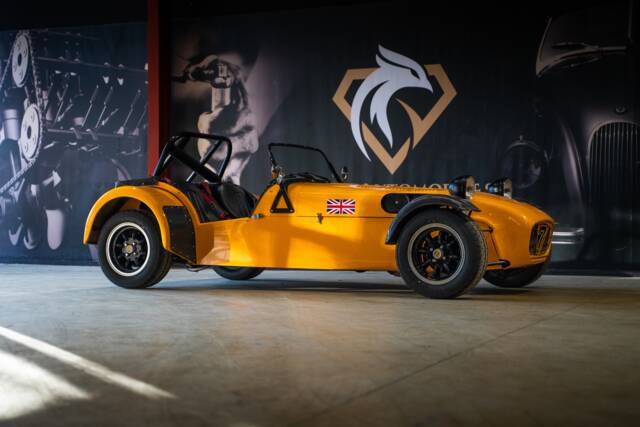
1995 | Caterham Seven HPC
CATERHAM SEVEN 2.0 ZETEC RACE LINE

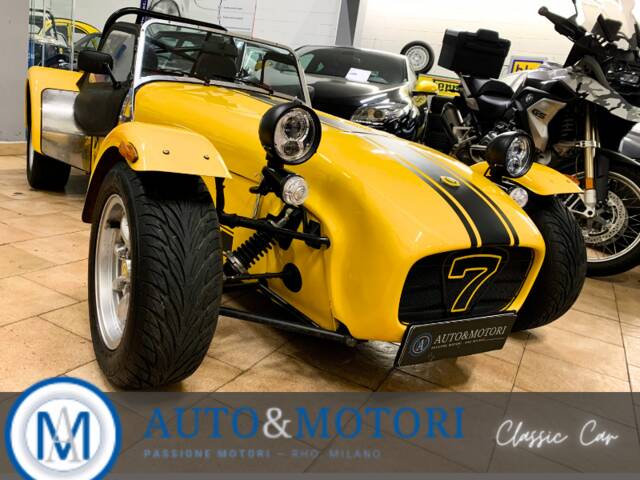
1999 | Caterham Seven 275 S
CATERHAM ROADSPORT 1.6 135cv

Auctions ending soon

Loading…
Loading…
Loading…
Loading…
Caterham Seven listing references from Classic Trader
Below you will find listings related to your search that are no longer available on Classic Trader. Use this information to gain insight into availability, value trends, and current pricing for a "Caterham Seven" to make a more informed purchasing decision.
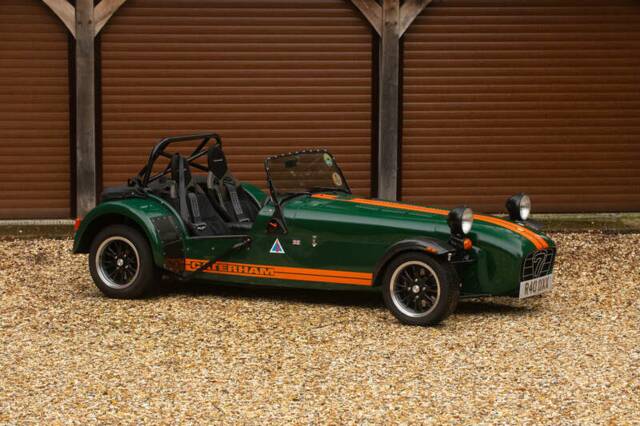
2004 | Caterham Seven Superlight R400
2004 Caterham Superlight R400SV

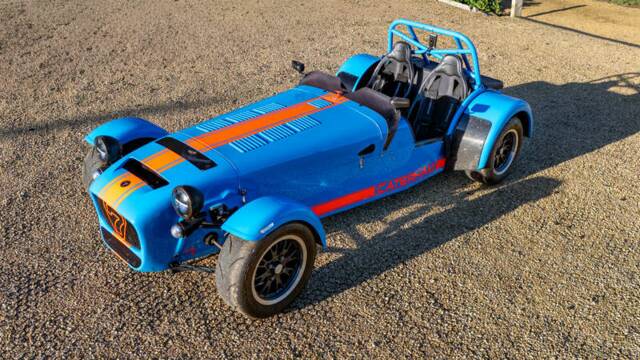
2017 | Caterham Seven 420 R
2017 Caterham Seven 420R
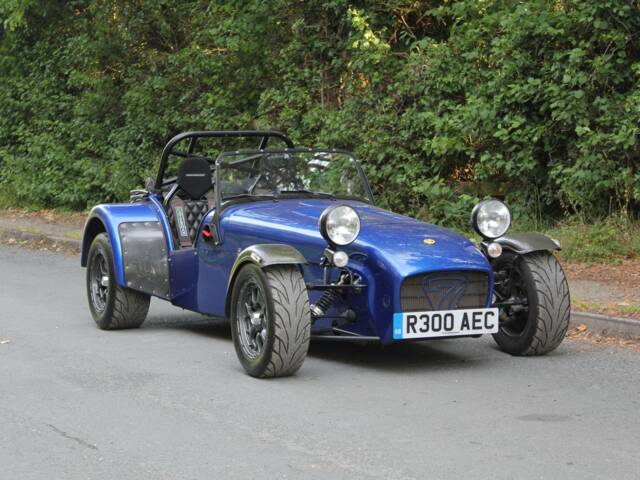
2005 | Caterham Seven Superlight R300
2005 Caterham Superlight R300
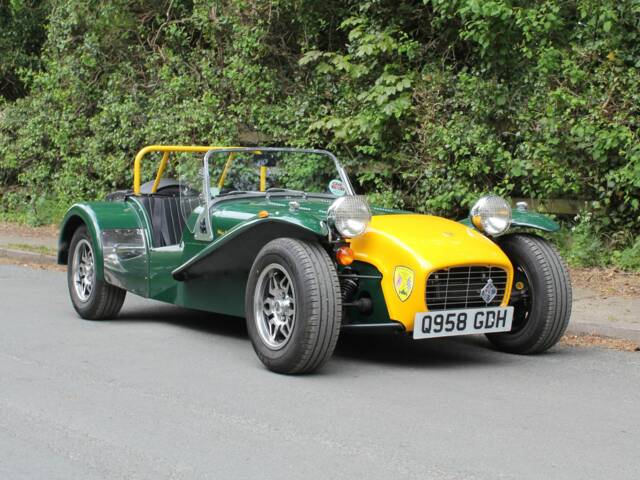
1991 | Caterham Seven HPC
1991 Caterham Super Seven Sprint
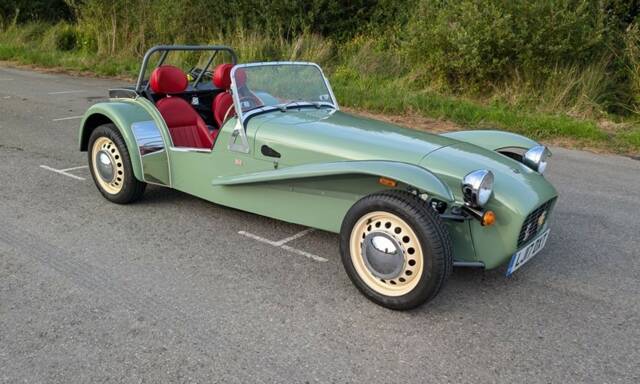
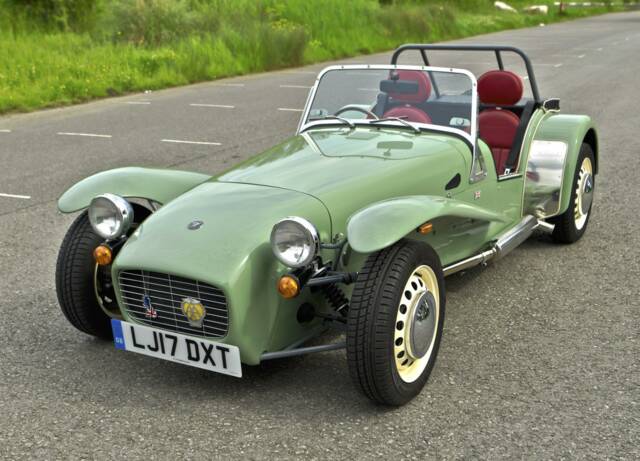
2017 | Caterham Seven Sprint
2017 Caterham Seven Sprint 60th Anniversary Edition
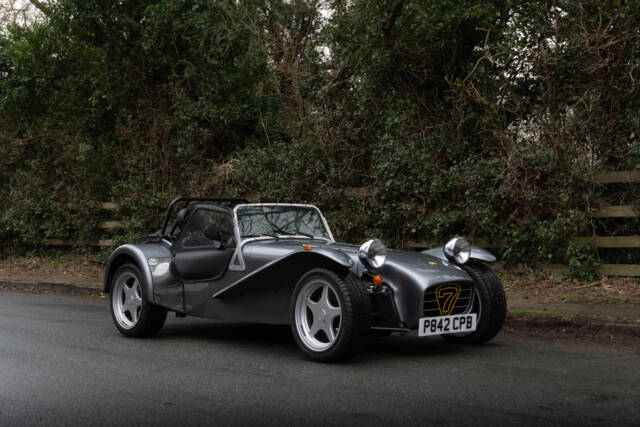
1996 | Caterham Seven HPC
1996 Caterham HPC Super 7 - 7000 miles from new
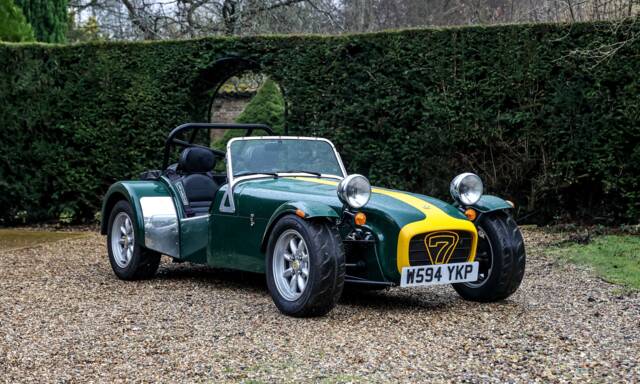
2000 | Caterham Super Seven
2000 Caterham Super Seven
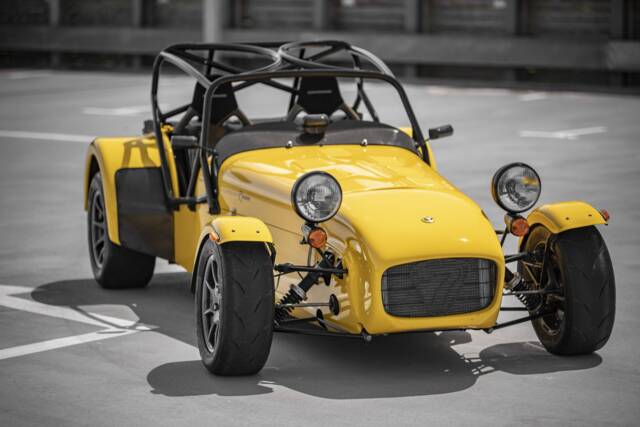
2000 | Caterham Seven Superlight R500
Rare and Desirable Weapon
2017 | Caterham Seven Sprint
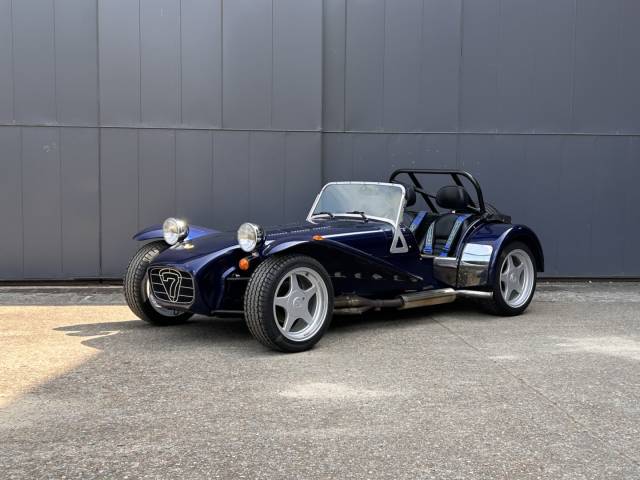
1997 | Caterham Seven HPC
Caterham HPC
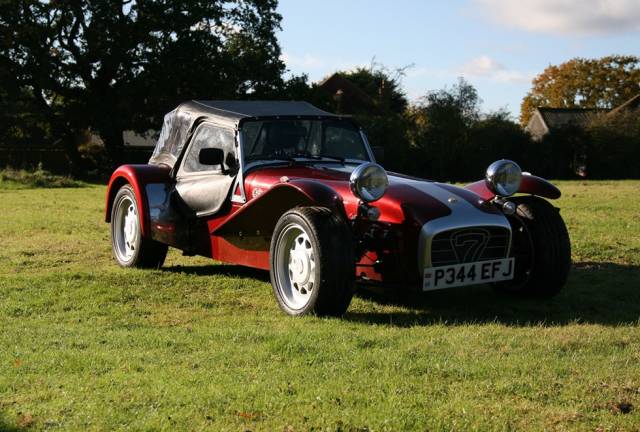
1997 | Caterham Seven 40th Anniversary
Caterham Super Seven 40th Anniversary Edition
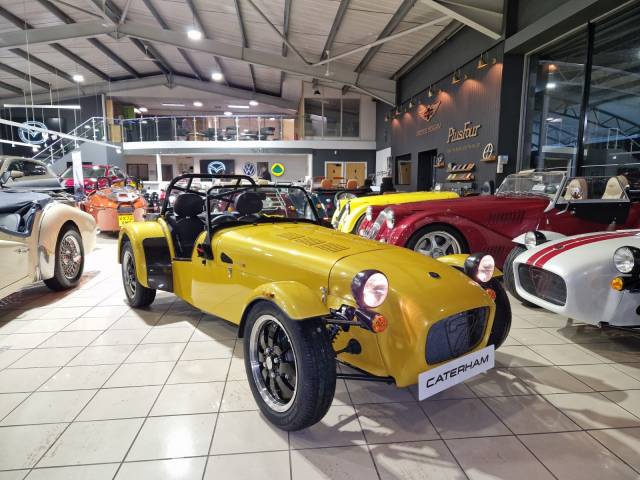
2023 | Caterham Seven 170 R
Caterham Seven Classic Cars: Prices & Market Values
The market value of Caterham Seven classic cars is primarily determined by technical condition, originality and mileage, as well as rarity, history and documentation. A well-maintained, largely original vehicle with low, verifiable mileage and complete history including appraisals and documentation typically achieves significantly higher prices than a comparable vehicle with deferred maintenance, many modifications or unclear provenance.
Caterham Seven: Market Prices & Value Trends
Based on sales data from the Classic Trader marketplace, the Caterham Seven market in the UK and wider Europe has remained broadly stable from January 2021 to December 2025, with pricing mostly driven by specification rather than simple year-to-year inflation. Across the dataset, most advertised values cluster in the mid-market at roughly £20,000–£40,000, covering popular road and track-focused variants such as the Seven Roadsport, 270 R/310 S and Super Seven (typically 2017–2021 cars). Entry-level pricing appears in the low teens (around £12,000–£18,000) for older or simpler examples, while the top end is defined by modern halo models like the 620 R/620 S and special editions, which can reach the mid-£50,000s; these higher figures should be read as performance-led outliers rather than the norm. For buyers, this points to a liquid, specification-sensitive market where well-kept, well-documented cars hold their money, helped by strong enthusiast demand, motorsport pedigree and a consistent supply of usable classics.
History of the Caterham Seven
The Caterham Seven began its journey as the Lotus Seven, designed by Colin Chapman and introduced at the 1957 London Motor Show. Chapman’s vision focused on minimalism for maximum driving pleasure—the mantra 'add lightness' perfectly encapsulated the Seven’s DNA. When Lotus announced the end of Seven production in 1972, Caterham acquired the manufacturing rights and continued building cars in the same spirit. In the decades since, Caterham has evolved the Seven yet stayed true to its pared-back philosophy, becoming a benchmark for lightweight British sports cars.
Model History
The Lotus Seven is the direct predecessor of the Caterham Seven, with the transition of production taking place in 1973. Since then, Caterham has produced various generations and model variants, distinguished by engine choice, chassis width (including SV Wide Body versions), transmissions, and specialist adaptations for motorsport and road use. Despite incremental refinements in materials and engineering, the core layout—front engine, rear-wheel drive, tubular space frame and aluminium panels—remains. Special attention has always been paid to keeping the weight extremely low, often under 600kg, ensuring agile performance across all versions. The K-Series models represent a significant chapter, offering a blend of modern DOHC technology with the Seven’s traditional attributes.
Highlights of the Caterham Seven
A key factor defining the Caterham Seven is its uncompromising approach to handling and feedback. The construction employs lightweight aluminium panels on a tubular space frame, with composite parts for details like the nose and wings. Key technical options have included double wishbone suspension, De-Dion rear axles, Bilstein dampers, ventilated disc brakes, and a variety of performance tyres (Michelin, Avon, Toyo). Interior equipment is focused on analog instrumentation, leather or lightweight sports seats, and optional equipment ranges from roll bars to racing harnesses. The car’s purity is accentuated by the frequent lack of electronic driver aids, placing the experience firmly in the driver’s hands.
Technical Data
Special Editions and Collectible Models
Notable special editions include:
- 40th Anniversary Edition: Numbered plaque, ruby pearl effect paint, silver stripe, production limited to 67 units, various engine options available.
- 60th Anniversary Sprint: Limited to 60 cars, uses 660cc Suzuki turbo, period-style design, built to celebrate the model's 60-year legacy.
- HPC models: Featured potent Vauxhall 2.0 16V engines, paired with the requirement to complete a high-performance driving course. All limited models are supplied with unique plaques and serial numbers.
Weak Spots and Common Issues
Although the Caterham Seven’s simplicity makes it robust and straightforward to maintain, prospective buyers should pay attention to chassis condition (especially for corrosion), the integrity of aluminium body panels, and proper maintenance of key mechanicals such as suspension joints and brakes. Due to its frequent use in motorsport and track days, inspect for accident repairs or non-standard modifications. Soft top and weather equipment, if present, should be checked for fit and completeness. Specialist parts availability is generally good in the UK but less so elsewhere.
Engine and Performance, Transmission and Handling
True to its heritage, the Caterham Seven delivers razor-sharp handling, immediate steering response, and a direct mechanical feeling unfiltered by modern assistance systems. Standard engine options have ranged from small-capacity, high-revving units to more torquey multis (e.g., Ford’s Crossflow, Sigma; Rover’s K-Series; Vauxhall 2.0 16V; Suzuki turbo triple). Gearboxes are typically short-throw 5-speed units; some performance variants offer a 6-speed. With a power-to-weight ratio unmatched by mainstream sports cars, Sevens regularly sprint from standstill to 100 km/h in less than 5 seconds, making them competitive on road and circuit alike. The kit's modularity allows owners to heavily modify or personalise their car’s performance. - Caterham Seven K-Series: Modern DOHC engines, blend of traditional feel and contemporary drivability.
- 40th Anniversary Edition: Celebrates a milestone with unique aesthetics and specification.
- Sprint 60th Anniversary: Distinctive vintage appeal, ultra-light with turbocharged Suzuki engine.
- HPC: Built for serious performance enthusiasts, equipped with the powerful Vauxhall twin-cam.
Interior, Comfort, Exterior and Design
The Caterham Seven cockpit is intentionally sparse, prioritising function and weight saving. Instrument clusters remain fully analog, with classic Smiths dials, and finishes in leather or composite are common across seats and steering wheels. Many cars are specified with sports buckets (light or leather) and quick-release racing wheels from major suppliers like Moto-Lita or Momo. Exterior cues include compact alloy or steel wheels (MiniLite, Prisoner-Style, Orcus), flared wings, and classic racing stripes. Anniversary and limited models feature special paintwork, stripes and plaques (e.g., Ruby effect of the 40th). Weather equipment—doors, removable tops, tonneau—varies by model and owner taste. Common accessories range from clear indicators, four-point harnesses, to chrome accents and competition-oriented details (roll bars, harnesses, battery kill switches, FIA gear, etc.).
Other features
Factory and aftermarket options for personalisation are vast—owners can choose from different suspension setups, diff types (with or without limited-slip), left- or right-hand drive, body widths, and even SV Wide Body chassis with deeper floors for comfort. The Seven’s modularity and the strength of the enthusiast community have yielded extensive specialist support for bespoke upgrades, from engine swaps to FIA race preparation.
Summary
The Caterham Seven is a touchstone for lightweight engineering and driver engagement, maintaining a near-continuous production line since the late 1950s. 97% of all Caterham listings and 98% of page views relate to the Seven series, reflecting overwhelming collector and enthusiast focus on this car. With immense customisation, a wide spectrum of technical variants, and strong support for both kit and factory builds, the Seven continues to attract those seeking pure, unfiltered motoring on road and track alike.