Bedford CF classic cars for sale
The Bedford CF stands as the quintessential British panel van from the late 1960s onwards, designed as a direct challenger to the Ford Transit. With roots grounded in practical use and a robust mechanical layout, the CF found favour among trades, small businesses, and private owners seeking reliability and versatility.
Search results
Currently, there are no matching listings for your search.
Create search alert
Let yourself be notified as soon as a listing is published that matches your search filters.
Create listing
Do you have a Bedford CF that you want to sell? Then create a listing now.
Create listingBedford CF listing references from Classic Trader
Below you will find listings related to your search that are no longer available on Classic Trader. Use this information to gain insight into availability, value trends, and current pricing for a "Bedford CF" to make a more informed purchasing decision.
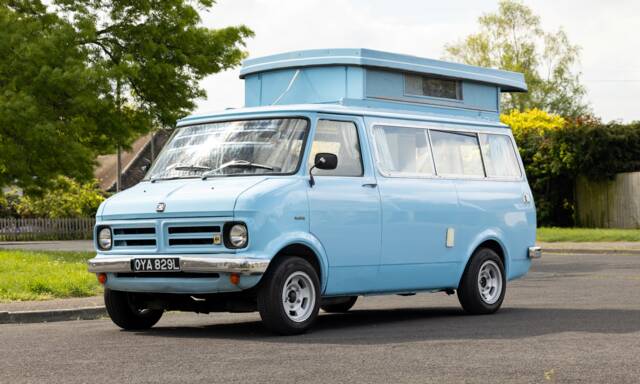
1973 | Bedford CF 250
1973 Bedford CF Motorhome


1983 | Bedford CF 250


1977 | Bedford CF 250
BEDFORD CF2 CF 250
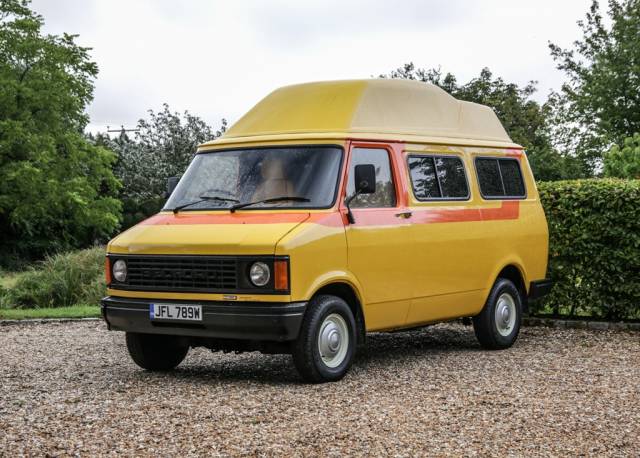
1981 | Bedford CF 250
Bedford CF 250 ‘Disco Bus’
Create search alert
Let yourself be notified as soon as a listing is published that matches your search filters.
Create listing
Do you have a Bedford CF that you want to sell? Then create a listing now.
Create listingBedford CF Classic Cars: Prices & Market Values
History of the Bedford CF
Bedford launched the CF in 1969 as the spiritual and functional successor to the CA panel van, responding directly to growing competition—especially from the Ford Transit. At the time, Britain's commercial vehicle sector was evolving fast, with increased expectations for comfort, capacity, and ease of maintenance. The CF established itself by matching those needs, borrowing some exterior cues from American cousin models, notably the Chevrolet Van, but with engineering and dimensions tailored specifically to European demands.
Model history
The CF’s debut in 1969 signified a shift for Bedford’s commercial line-up. The previous Bedford CA, known for its smaller size and modest technology, was outclassed by the CF’s broader body options, higher payloads, and modernised engineering. Production of the panel van spanned 1969-1986, during which the CF saw incremental updates, including facelifts and enhanced mechanical components. Its chief rival throughout production was the Ford Transit, which spurred both innovation and the introduction of derivative body types such as minibuses, campers, and flatbeds. No direct successor followed the CF after Bedford’s decline, making late-model CFs the last of their breed from Luton.
Highlights of the Bedford CF
The Bedford CF won recognition for its modular versatility—offered as short or long wheelbase, with panel van, minibus, and camper bodies available. Its rear-wheel-drive layout improved load-carrying performance, and its mechanical simplicity supported easy repairs—an important factor for commercial users in rural or remote areas. The link to the American Chevrolet Van meant certain mechanical parts and visual styling details—like the bluff nose and straightforward cabin layout—had transatlantic flavour.
Within Classic Trader's dataset, 50% of Bedford classic vehicle supply consists of the CF and its direct variants. More specifically, 50% is attributed to the CF1 sub-model. Demand data shows that vehicles listed as Bedford CF1 account for a striking 99.3% of all Bedford classic vehicle listing views, underlying particularly high interest in this specific sub-model.
Technical data
Special Editions and Collectible Models
Various CFs were converted by specialist firms into campervans or minibuses, making those conversions desirable for collectors who value period-correct interiors and factory coachwork. However, information on officially limited factory editions remains sparse; most variability arose from after-market conversions rather than factory options.
Engine and Performance, Transmission and Handling
Drivers appreciated the CF for its honest, utilitarian powertrains. The front disc/rear drum braking and leaf-sprung rear axle delivered dependable control even under heavy load, while the manual gearbox allowed straightforward access to the engine’s torque band. While never the fastest van in its segment, the CF prioritised durability and low running costs, suiting it for demanding delivery routes or rural use. - CF1 (most supplied and viewed variant): Strongest demand, especially as camper or converted minibus.
- Diesel and petrol models: Preference according to local market, with diesel-fitted CFs valued for longevity on high-mileage routes.
Interior, Comfort, Exterior and Design
Distinctive for its boxy, upright silhouette, the CF benefitted from clear sightlines and an airy cab. Interior layouts varied—from basic trade-oriented cabs to more plush minibus and camper specifications—often depending on the aftermarket converter. Exteriors were typically painted in commercial whites and blues, but some original buyers opted for bespoke liveries, particularly on camper vans. The simplicity of the dashboard and sturdy switchgear reflected its commercial ethos, while long-wheelbase models offered increased cabin comfort for passengers by 1980s standards.
Other relevant features
The Bedford CF’s modularity led to its widespread adoption as a basis for ambulances, police vans, and even ice-cream vans, making it a familiar sight on British roads from the 1970s through to the 1990s. This afterlife in specialist roles means spares and restoration parts—particularly for chassis and body panels—remain accessible through niche suppliers.
Summary
The Bedford CF’s story is one of British ingenuity and practical engineering responding to shifting commercial needs. Its half-century legacy as the van for every job, and its continued relevance among enthusiasts (as reflected by demand statistics), prove its worth as a classic with hard-earned, unique substance.