1958 | BMW Isetta 300
167 398 zł
1 / 22




1958 | BMW Isetta 300
167 398 zł
1958 | BMW Isetta 300
167 398 zł

Sprzedawca-dealer
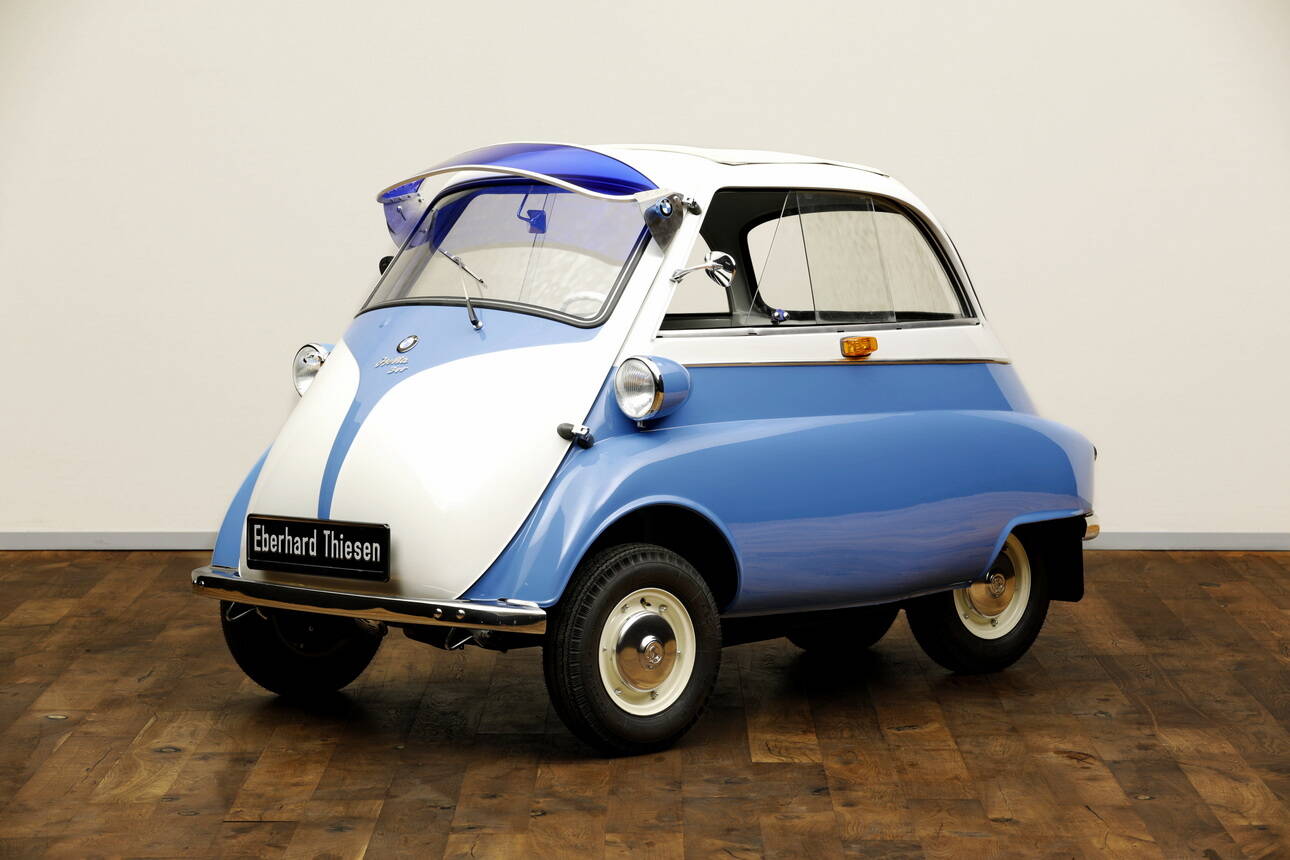
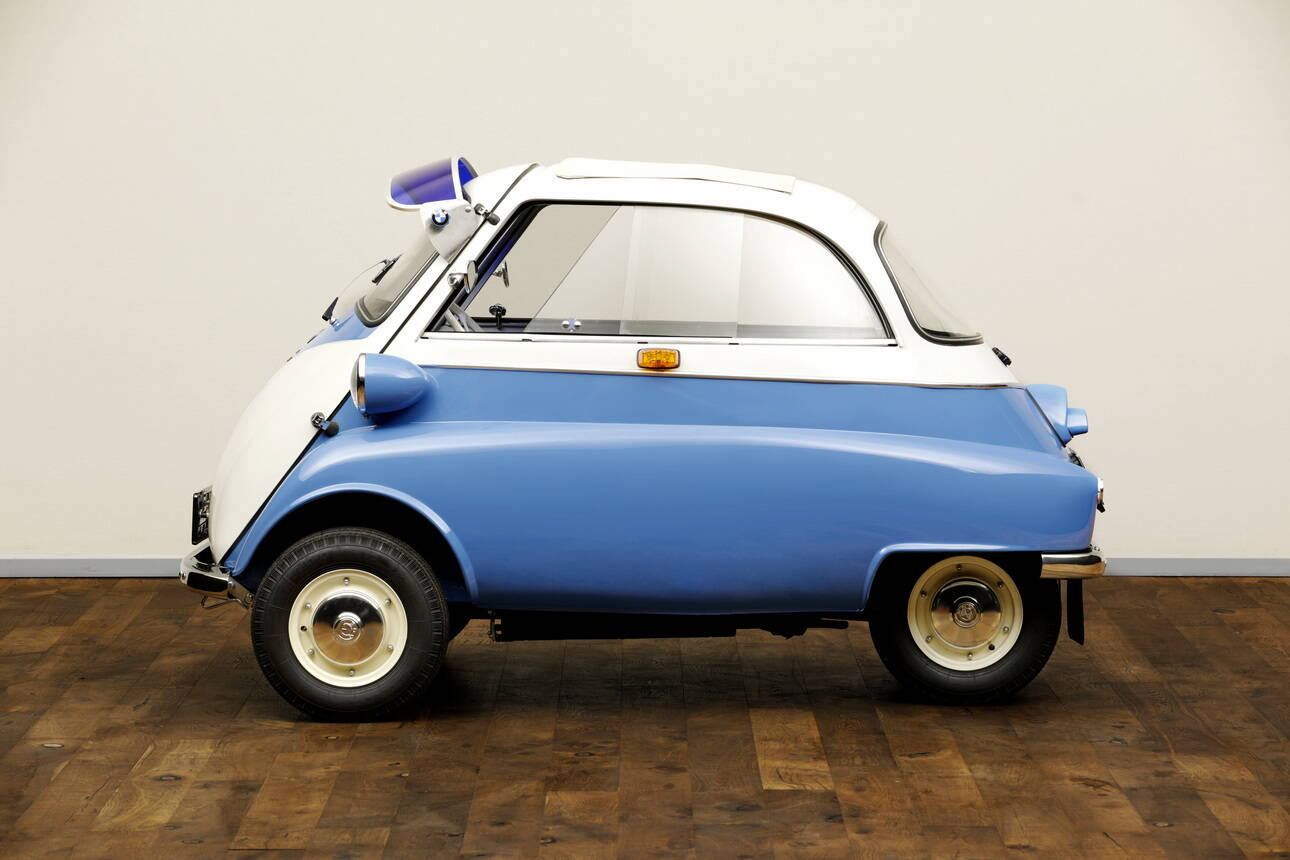
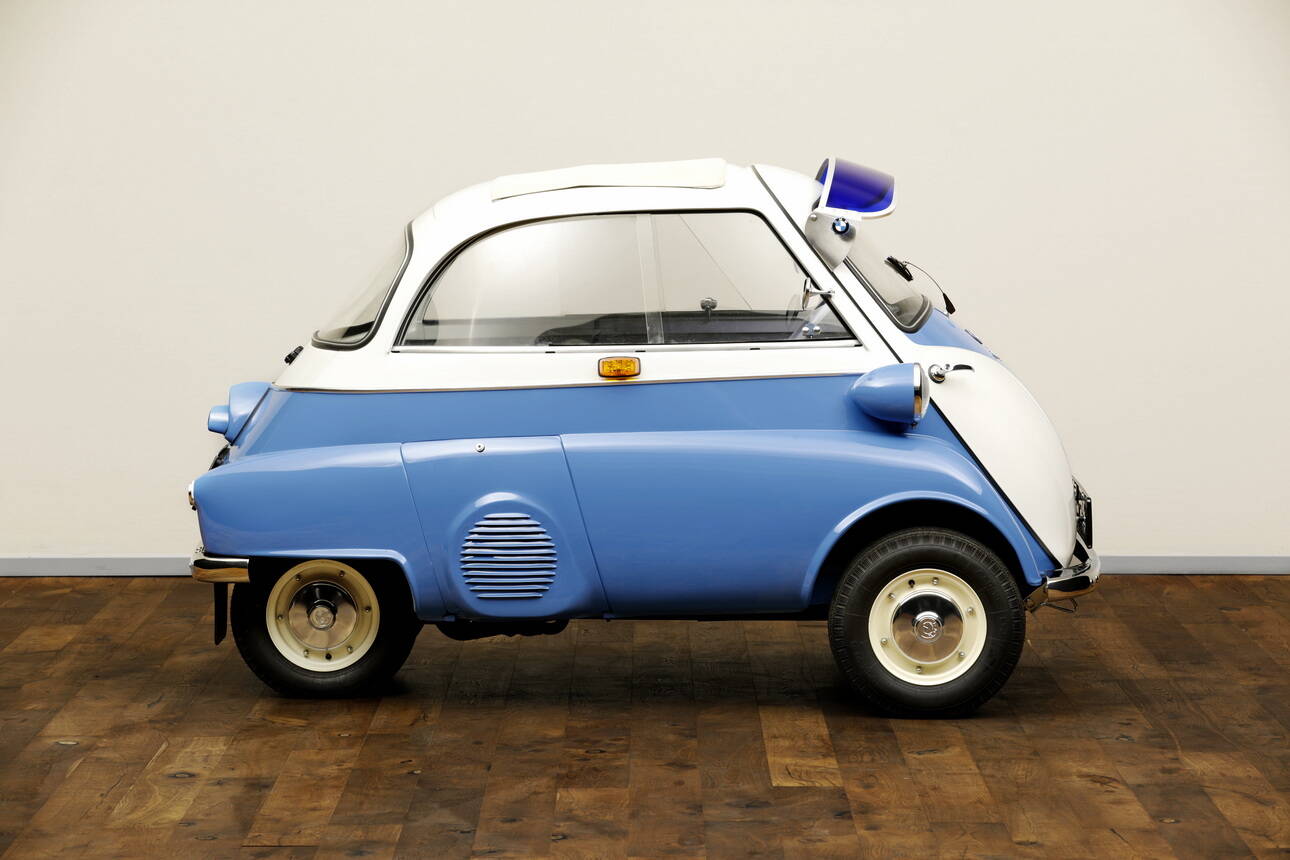
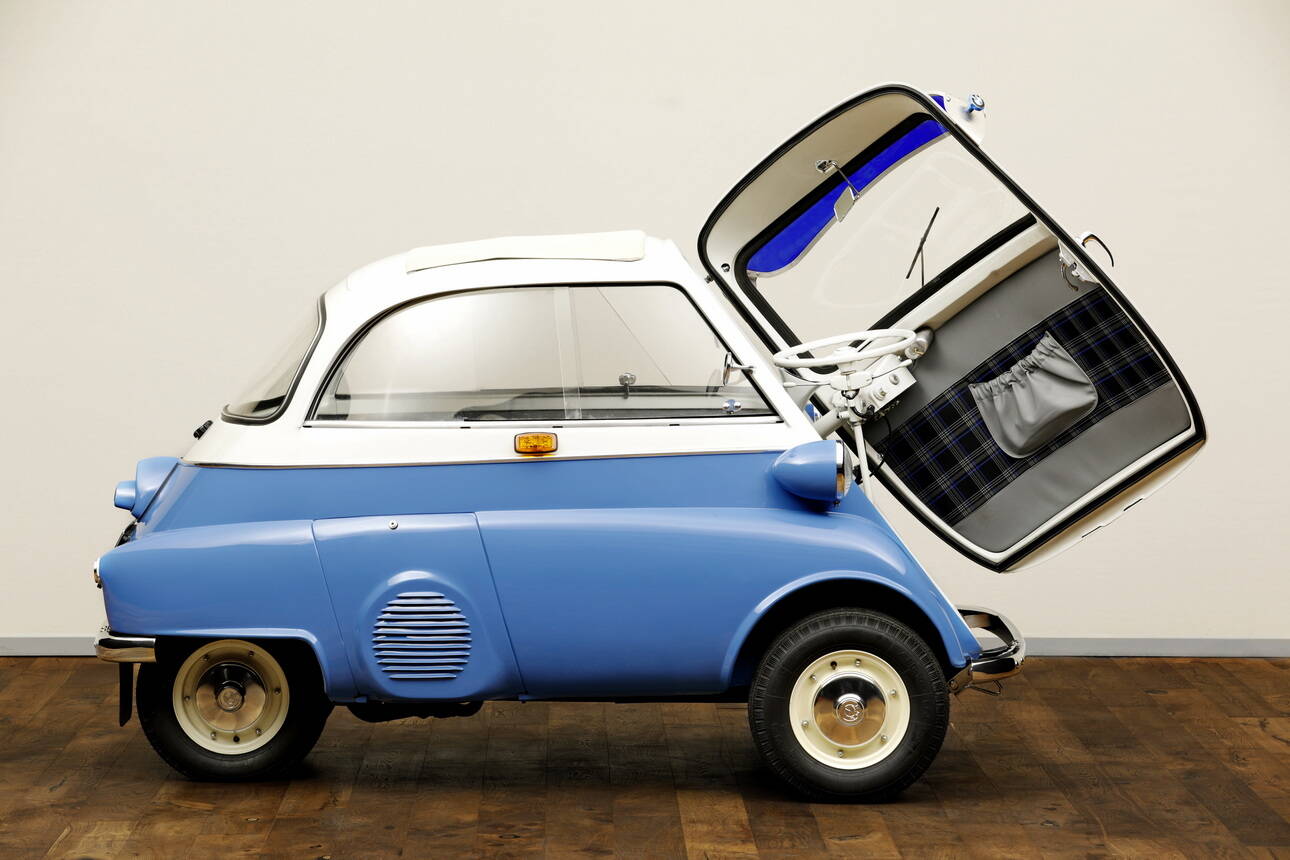
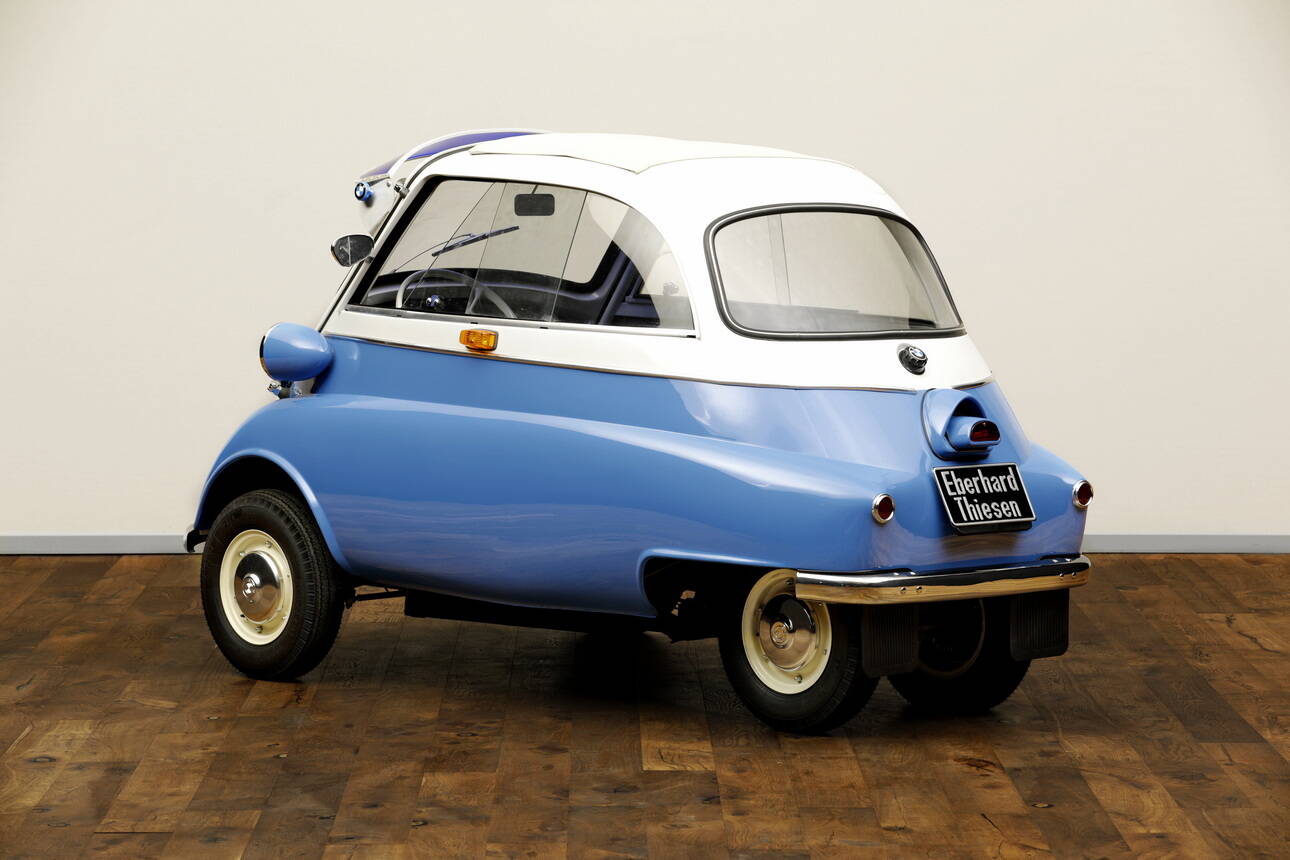
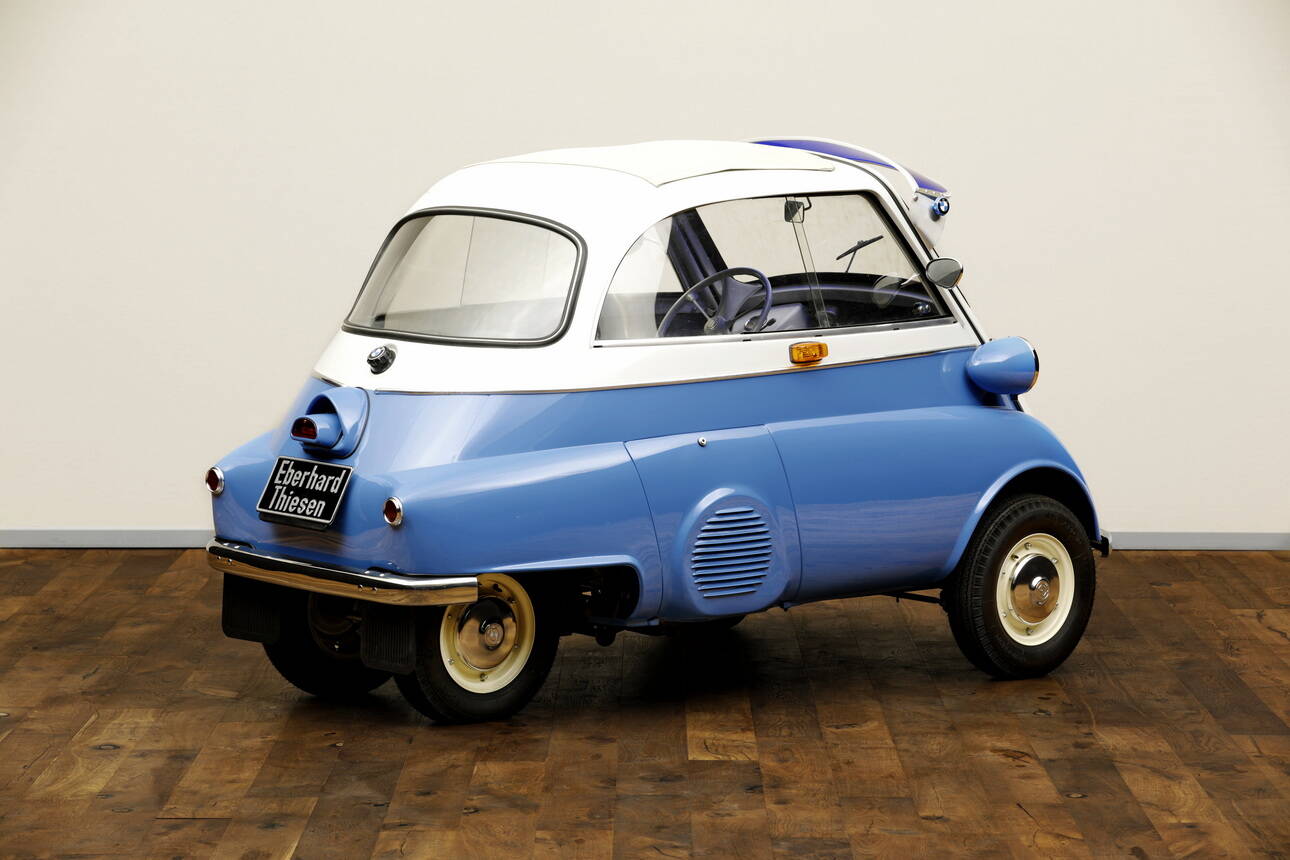
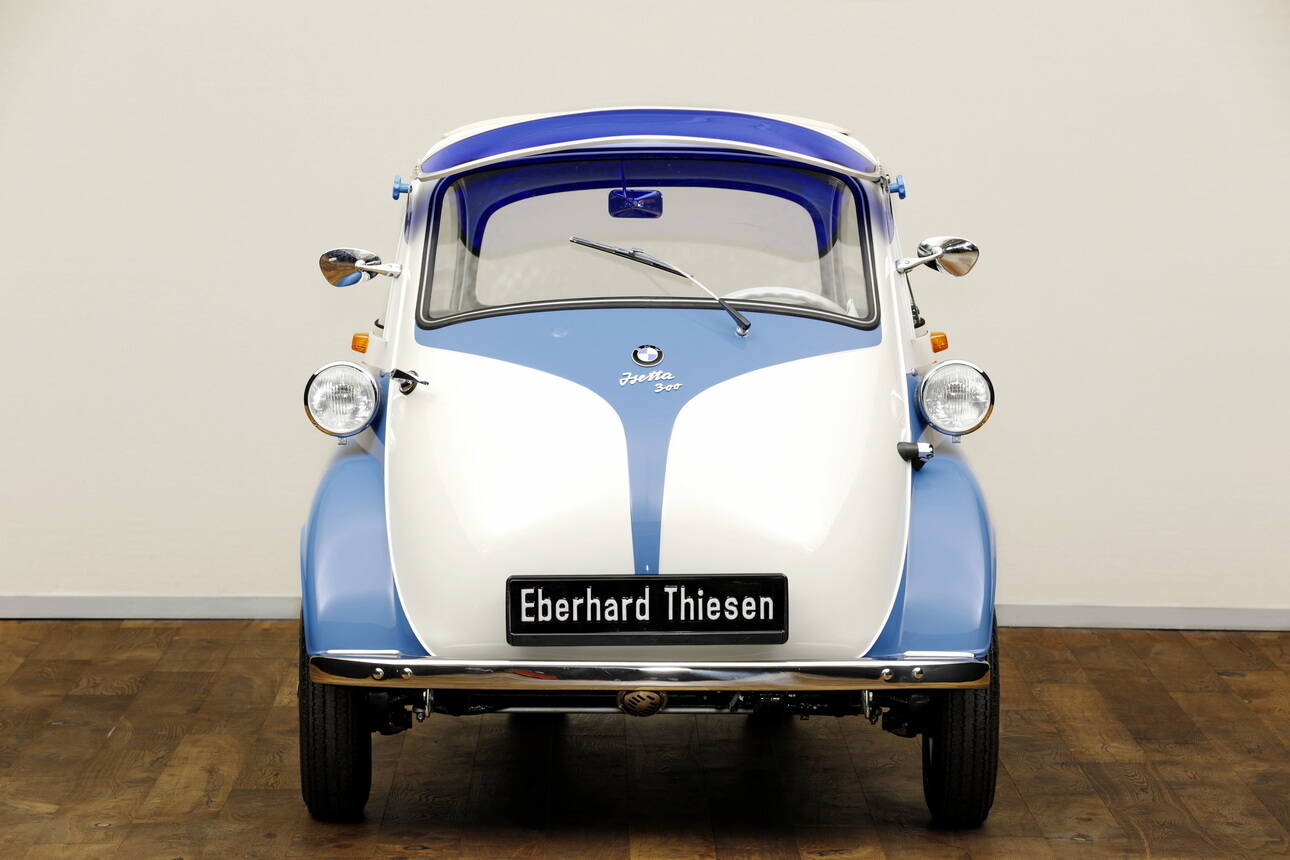
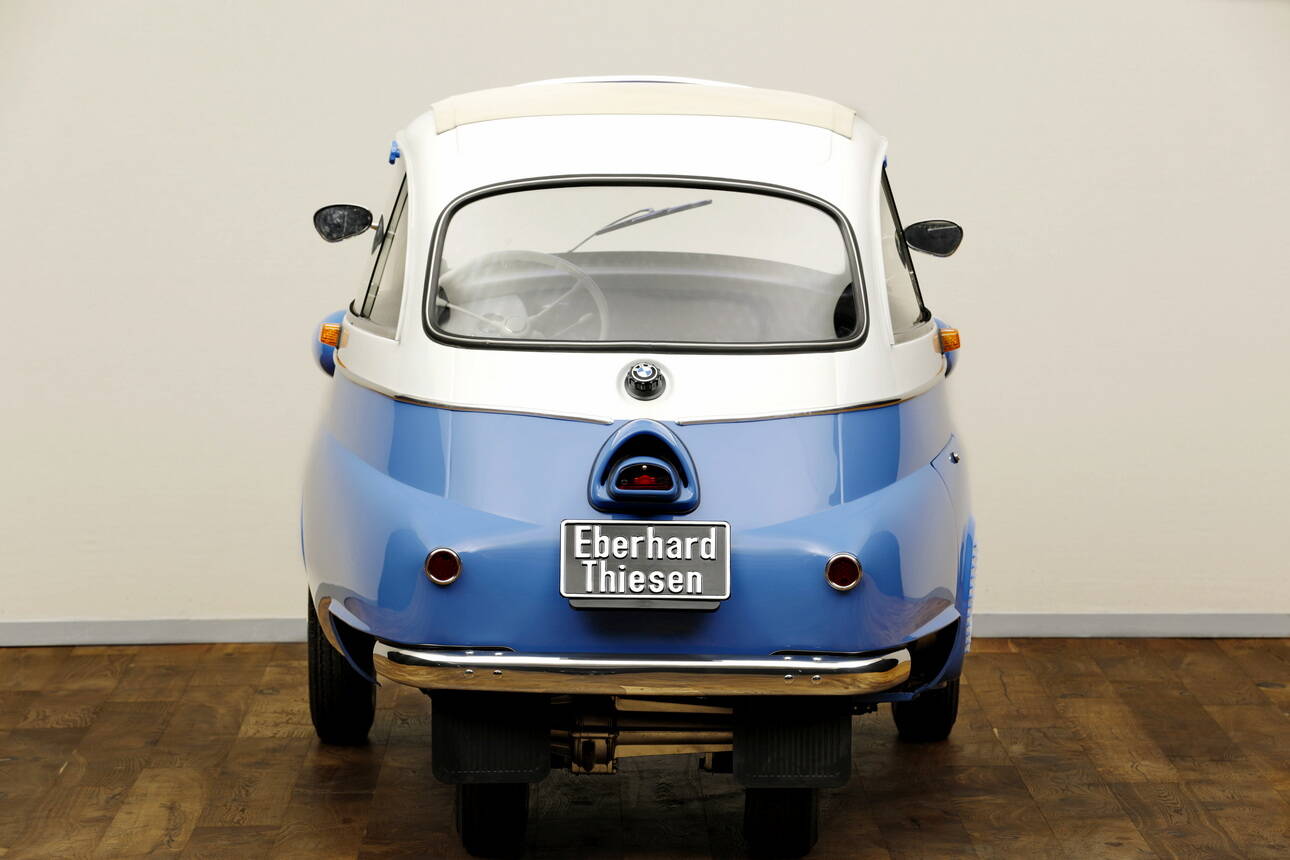
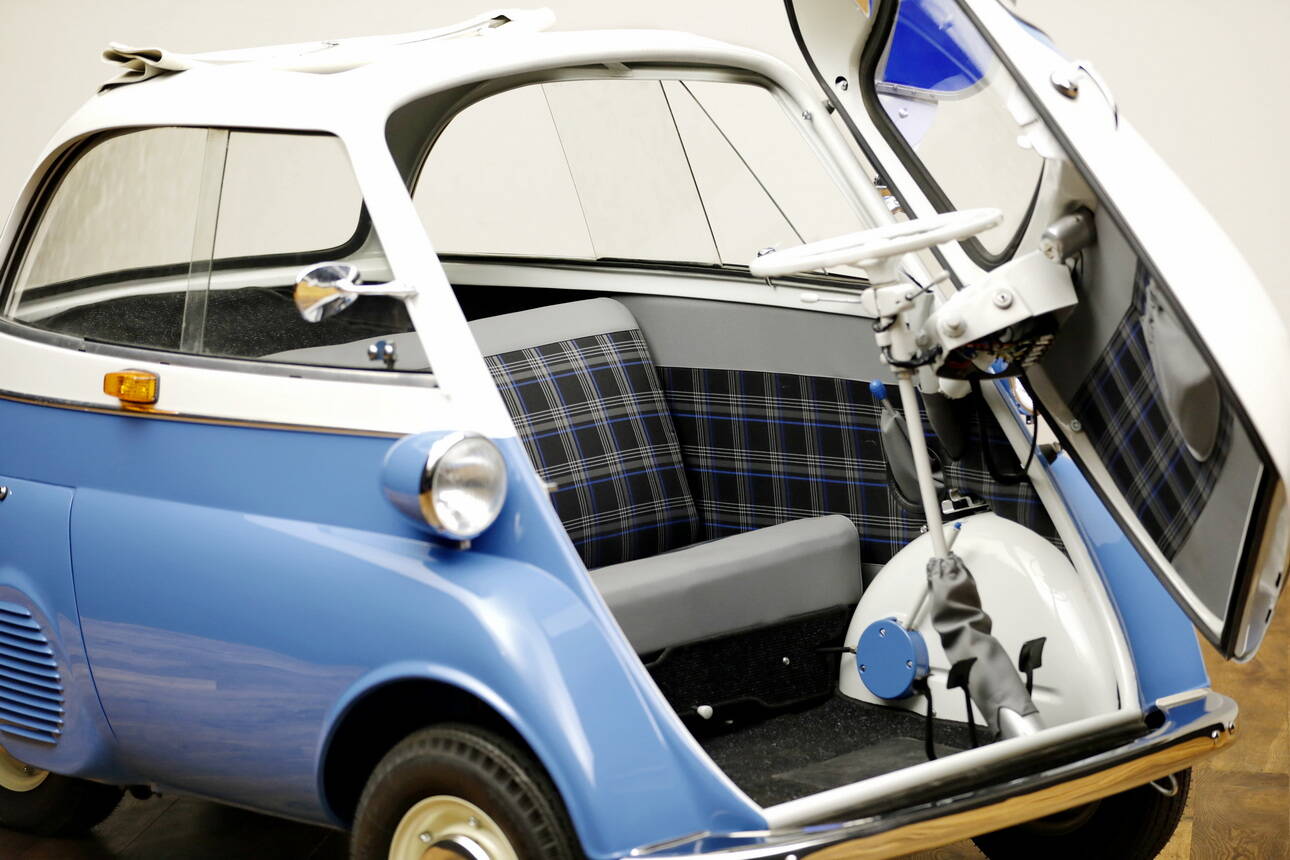
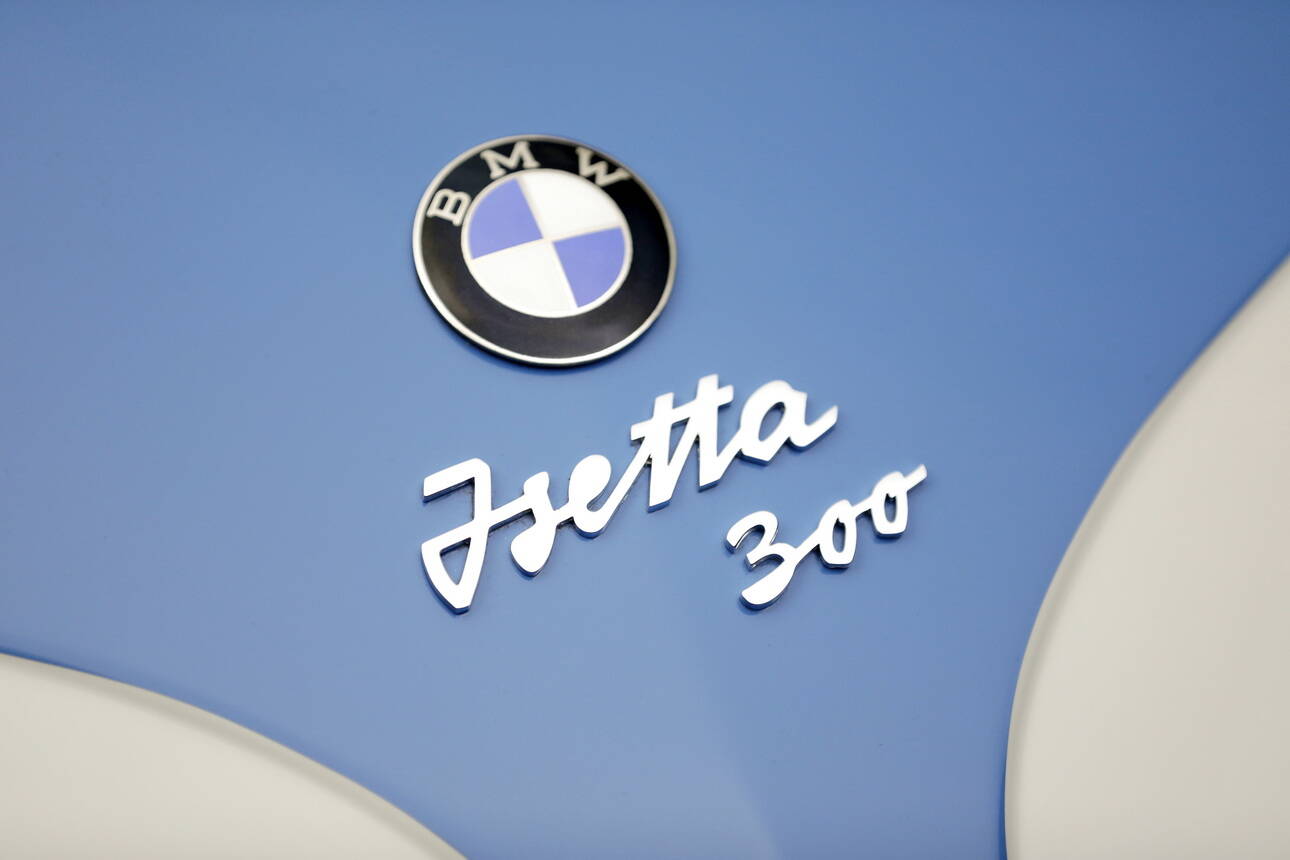
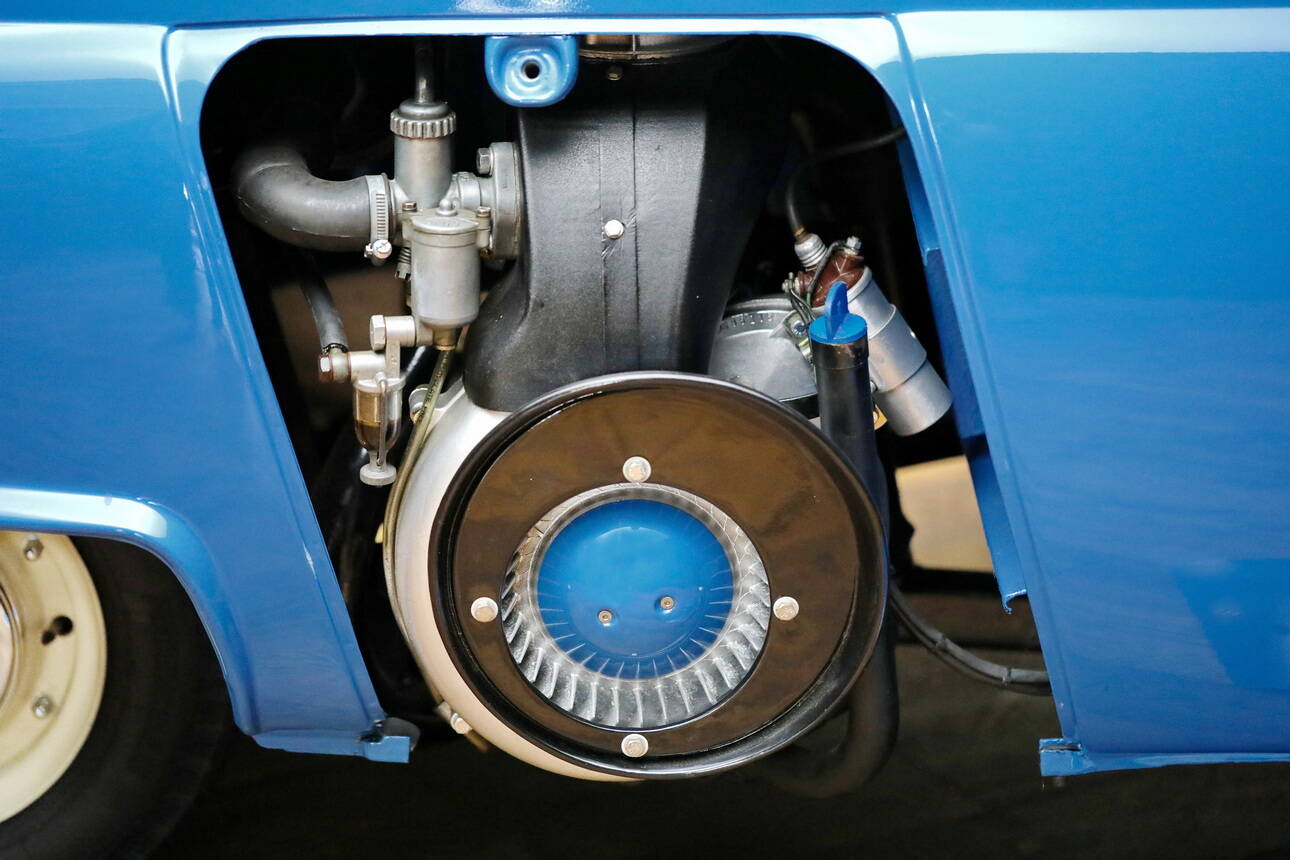
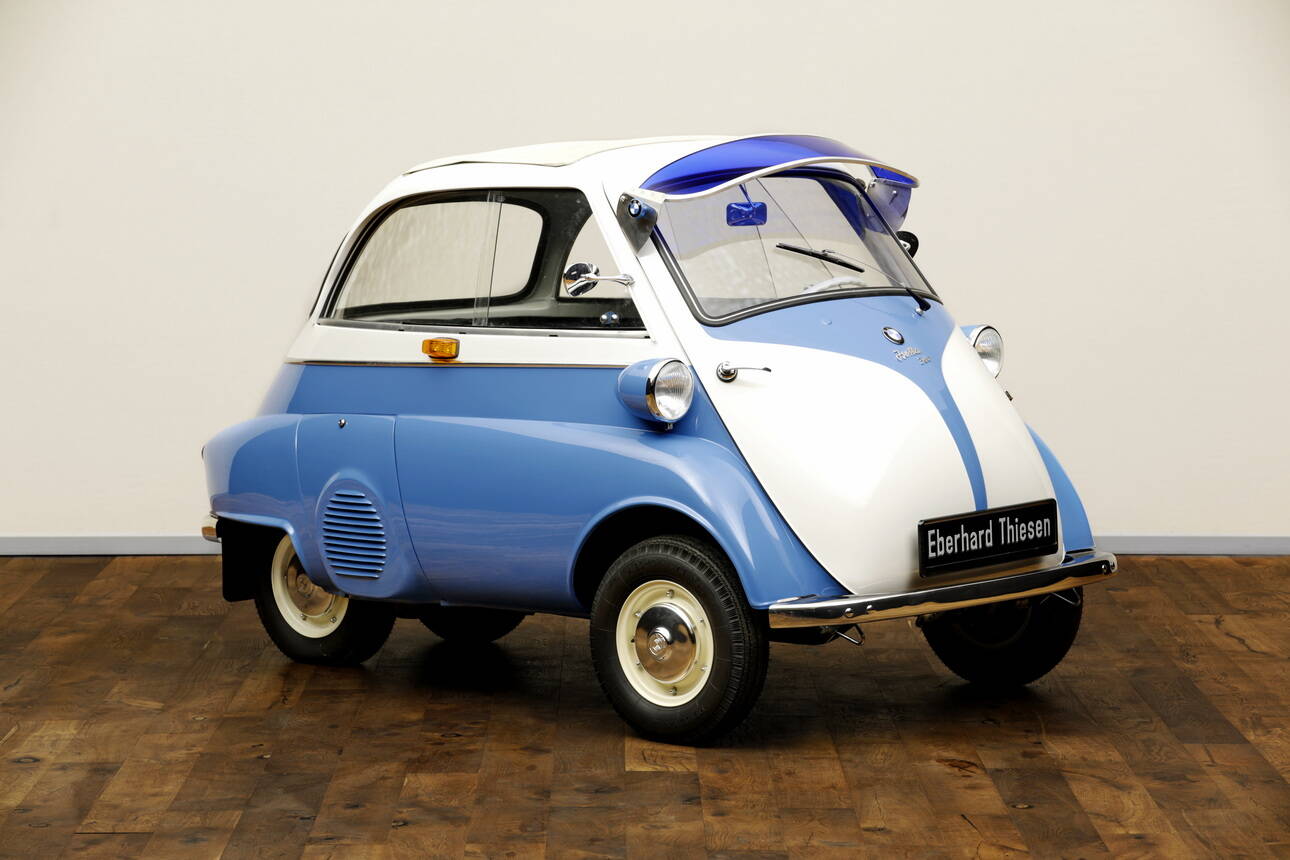
At the end of the Second World War, BMW found itself in a difficult economic situation. Its most important passenger car plant now belonged to the Soviet occupation zone, while the Munich plants had been used for aircraft engines and military motorbikes and were not directly available. The first car developed after the war, the 501 ‘Barockengel’, sold moderately well. The car was simply unaffordable for large parts of the population, and many did not even have a car driving licence. So-called scooters such as the Messerschmitt Kabinenroller or the Goggomobil dominated the market. BMW, on the other hand, only had motorbikes or the premium class in the form of the 501. And its poor sales prevented the budget for the development of a small car. Meanwhile, a few hundred kilometres further south, Renzo (Iso) Rivolta, until then a manufacturer of motorbikes and refrigerators, launched the Iso Isetta: a scooter interesting for German customers. A small “metal ball” on three wheels, powered by a two-stroke twin-piston motorbike engine. A vehicle so minimalist and compact that it didn't even have side doors. Instead, the entire front swung open thanks to a mechanism inspired by cargo gliders. BMW decided to build it under licence after seeing the small vehicle at the Turin Motor Show, but not without a few improvements. The BMW Isetta was given a second rear wheel (which was immediately dropped in some markets so as not to be considered a passenger car), an air-cooled four-stroke single-cylinder engine from the motorbike division (first 245, then 298 cc) and a reverse gear. With these improvements and a slightly refined design, the BMW Isetta was launched on the market in 1955. It became a power seller and made the ‘Knutschkugel’ from Munich not only the most successful of the various licensed models, but also a symbol of the German economic miracle. Less than a year after the Isetta 250 went on sale, it became the Isetta 300, with a displacement increased by 53 cc to 298 cc, bringing 1 hp and 4.5 additional Newton metres. In 1957, BMW also launched the BMW 600, inspired by the Isetta, in principle a 20cm longer Isetta with rear seats and side doors in addition to the front entrance. Production of the BMW Isetta ended in 1962 after 161,728 units, and if you include the ‘big Isetta’ (600), there were another 35,000 examples. The model still enjoys a large fan base today, and there are still licensed models, some of which are now electrified.

Zleć ekspertom inspekcję tego pojazdu!

Ładowanie…
Ładowanie…
Ładowanie…
Ładowanie…
Ładowanie…
Ładowanie…
Ładowanie…
Ładowanie…
Newsletter
Otrzymuj starannie wybrane kolekcje najciekawszych samochodów, motocykli i ogłoszeń aukcyjnych w Classic Trader — prosto do swojej skrzynki odbiorczej.