1949 | FIAT 1100 S
Gobbone - Restored - Mille Miglia eligible
364 950 €
1 / 69













1949 | FIAT 1100 S
Gobbone - Restored - Mille Miglia eligible
364 950 €
1949 | FIAT 1100 S
Gobbone - Restored - Mille Miglia eligible
364 950 €

Commerçant
Gobbone - Restored - Mille Miglia eligible
Gobbone - Restored - Mille Miglia eligible
A Gobbone That Never Went to Brescia
While most 1100 S cars were dispatched almost immediately to Italy and neighboring countries — usually with a single purpose: to run and win the Mille Miglia — this particular example was delivered new to Caracas. That fact alone sets it apart. Exporting a 1100 S for competition use outside Europe was rare; delivering one to Venezuela in 1949 was rarer still.
Contrary to what many would assume, this Gobbone never competed in the Mille Miglia. And that is precisely what defines it. It remained outside the European theatre of battle and wrote its story in a different setting altogether — post-war Venezuela.
Giacosa’s lightweight thoroughbred
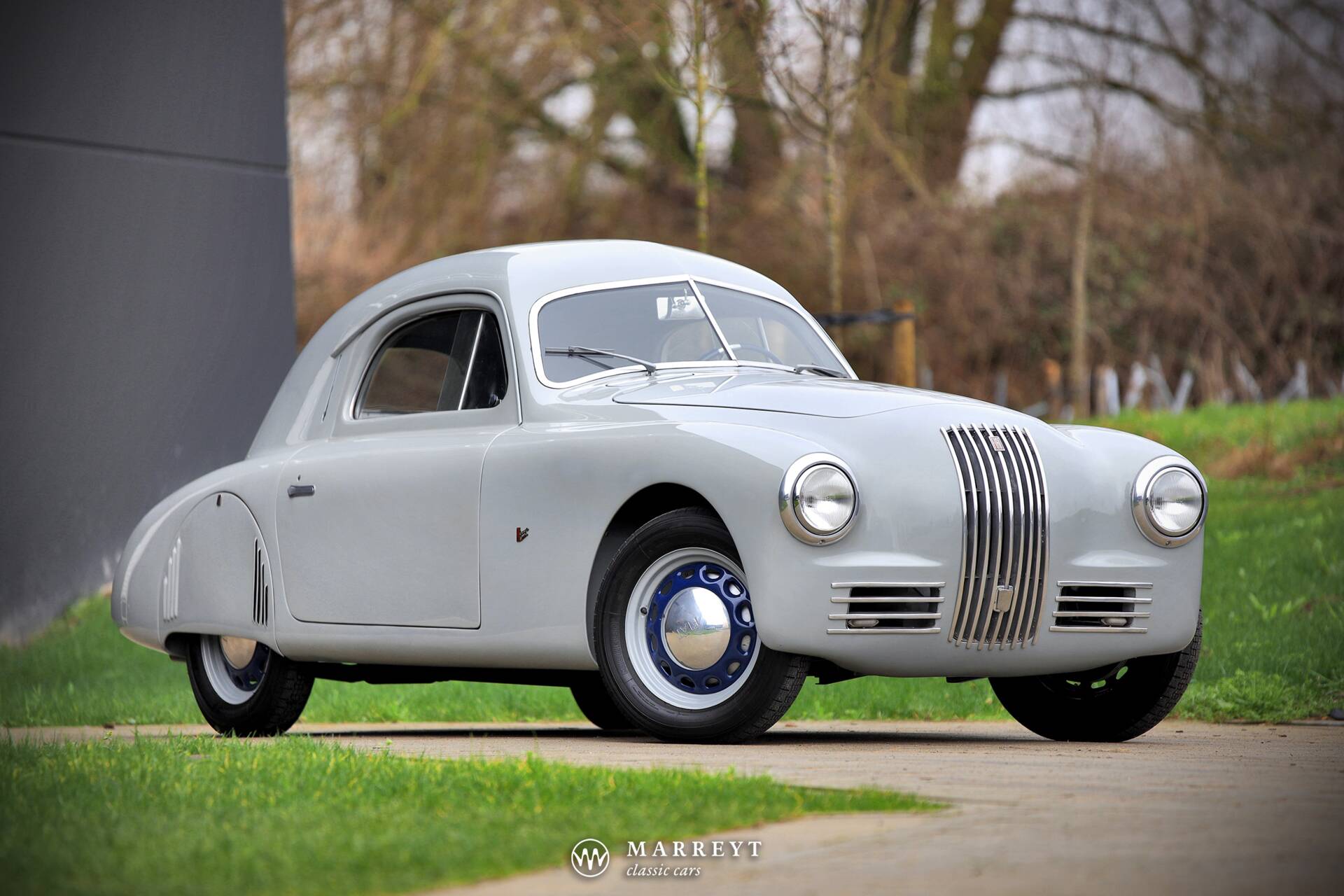
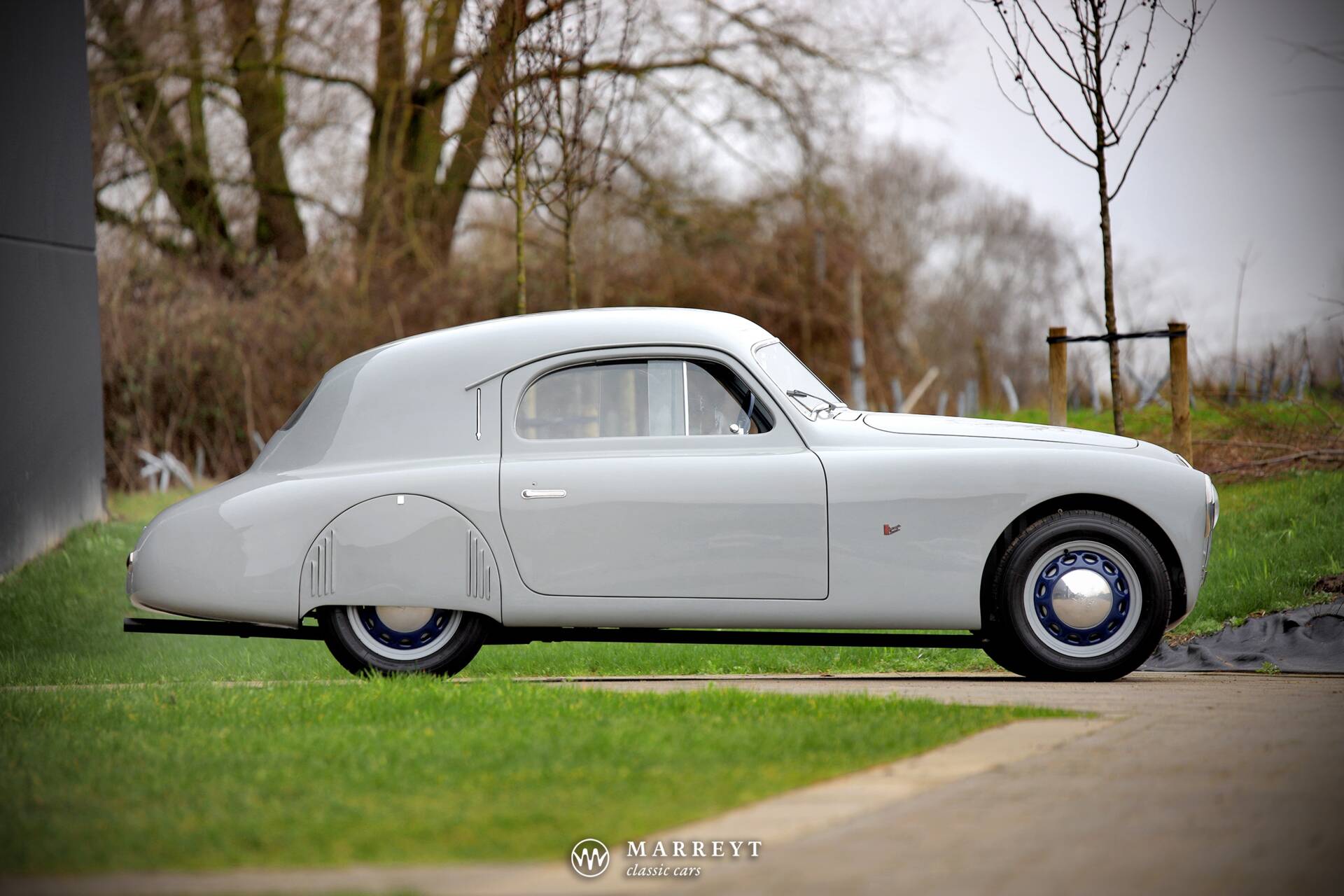
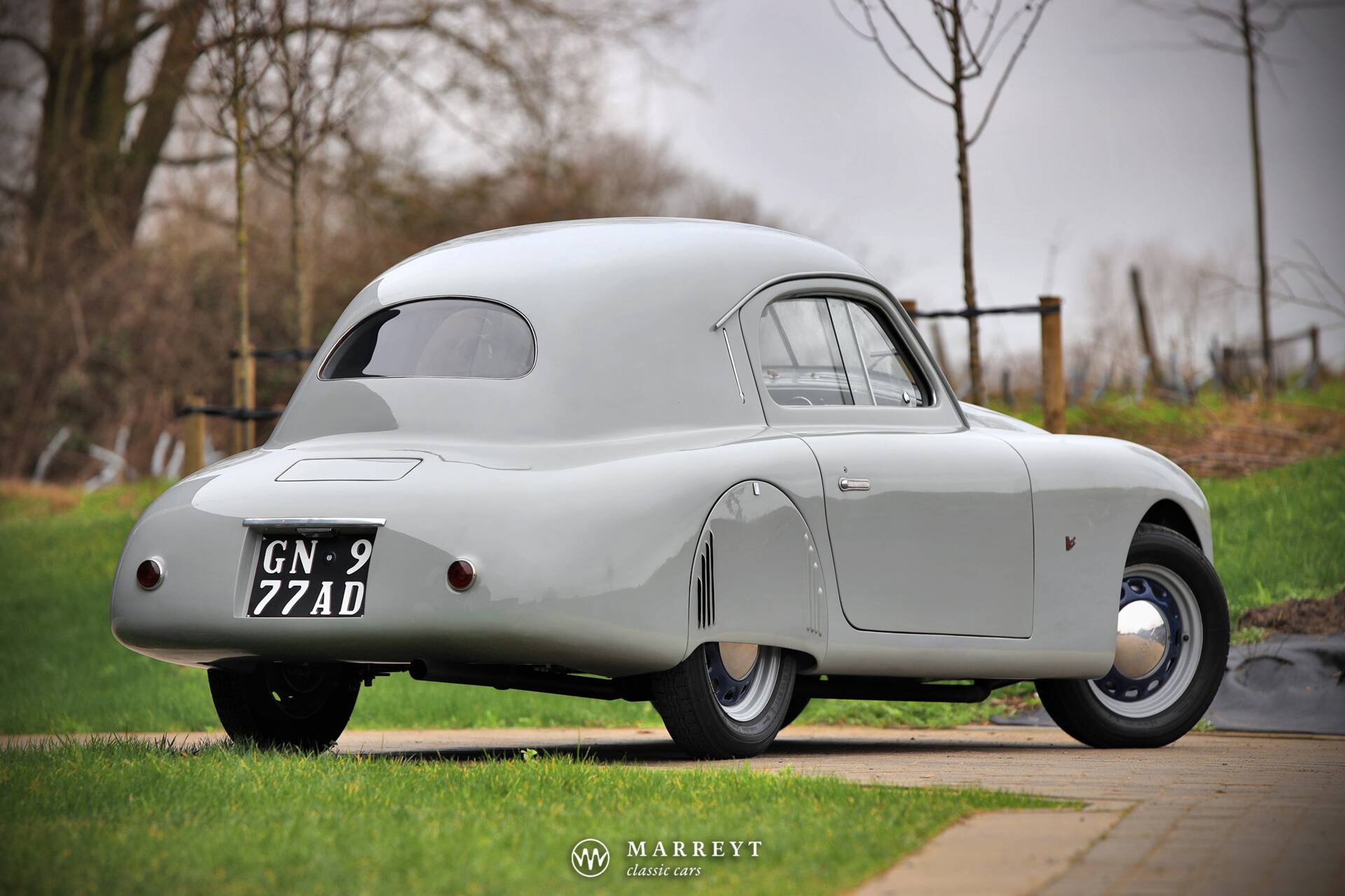
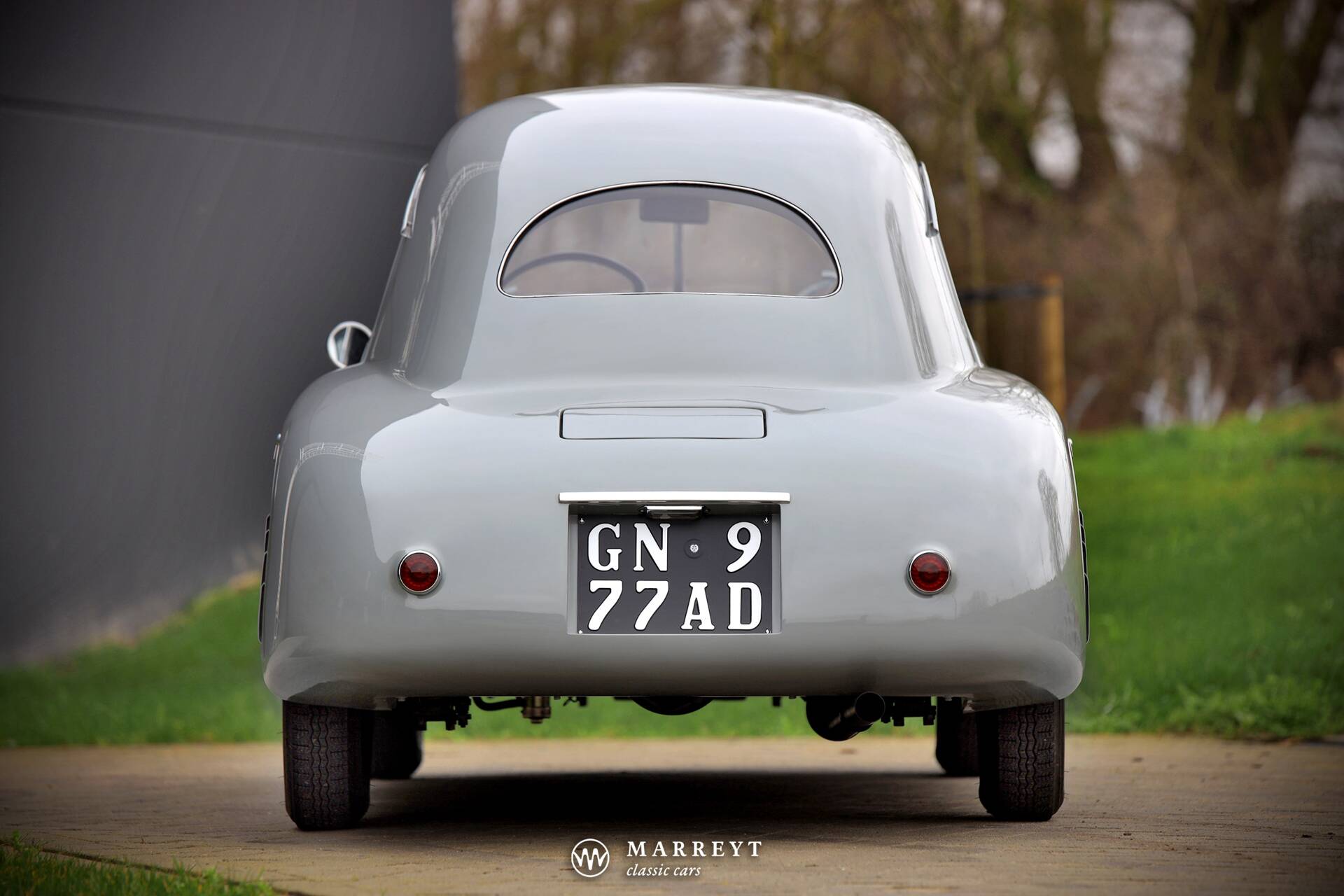
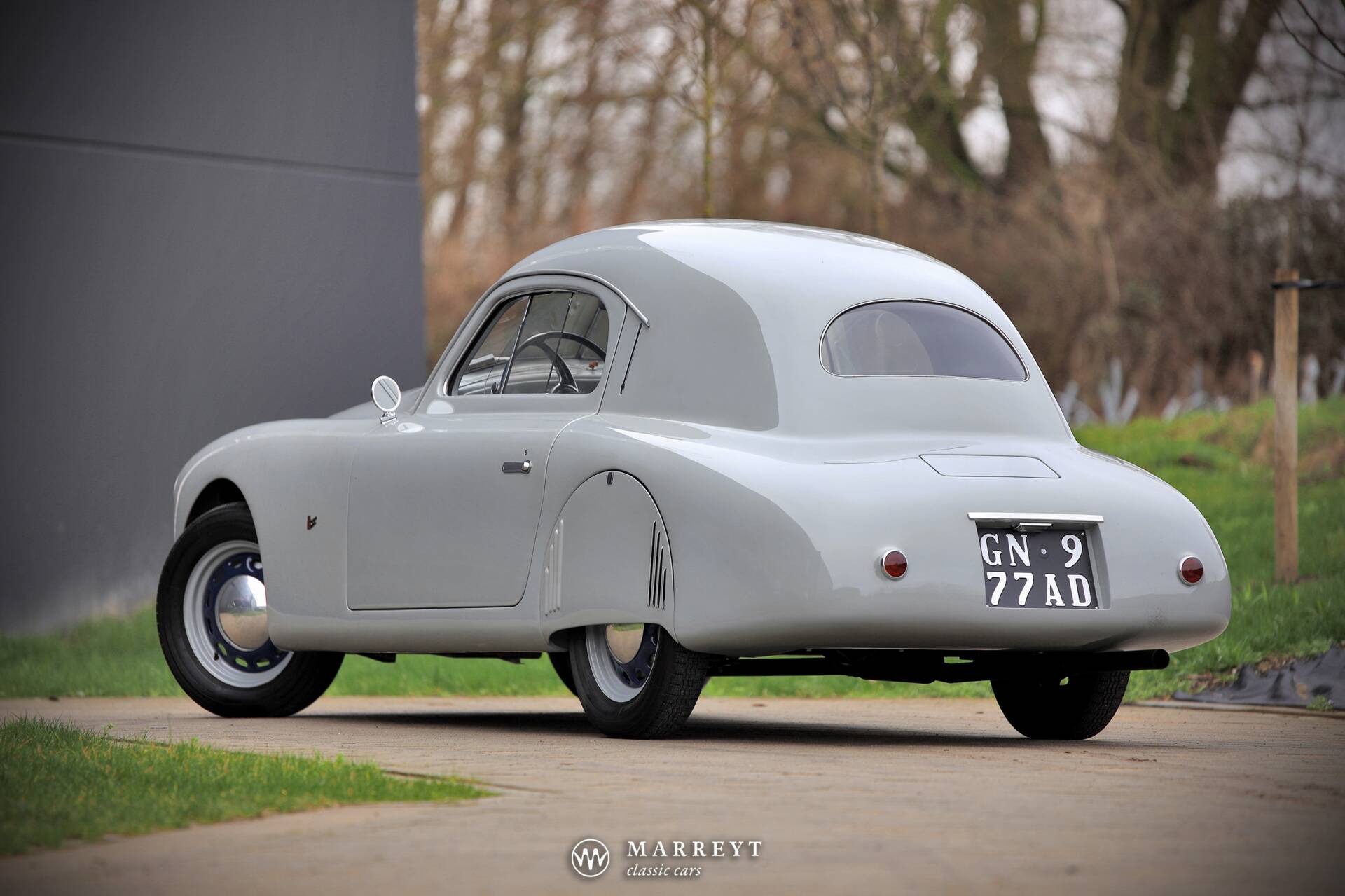
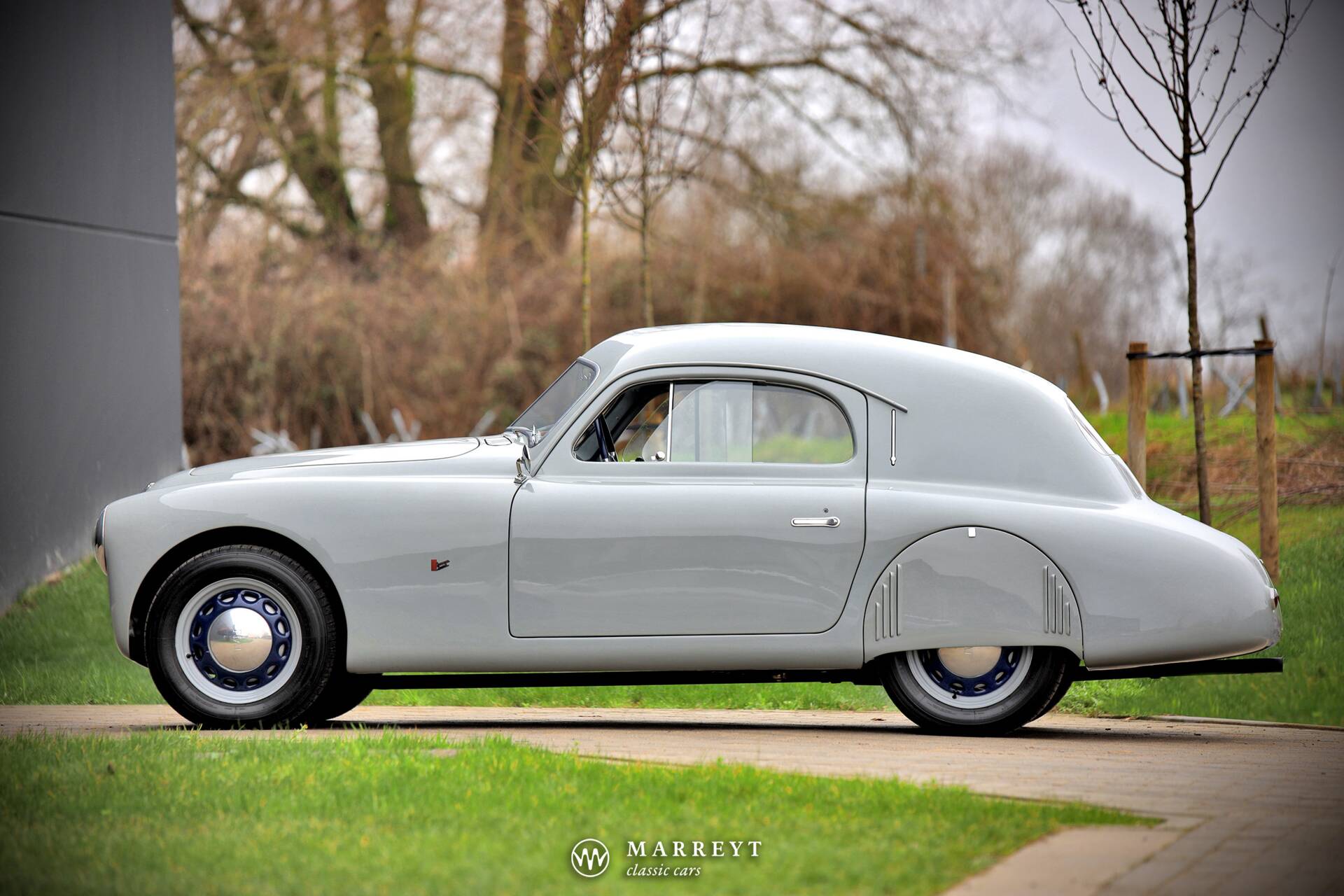
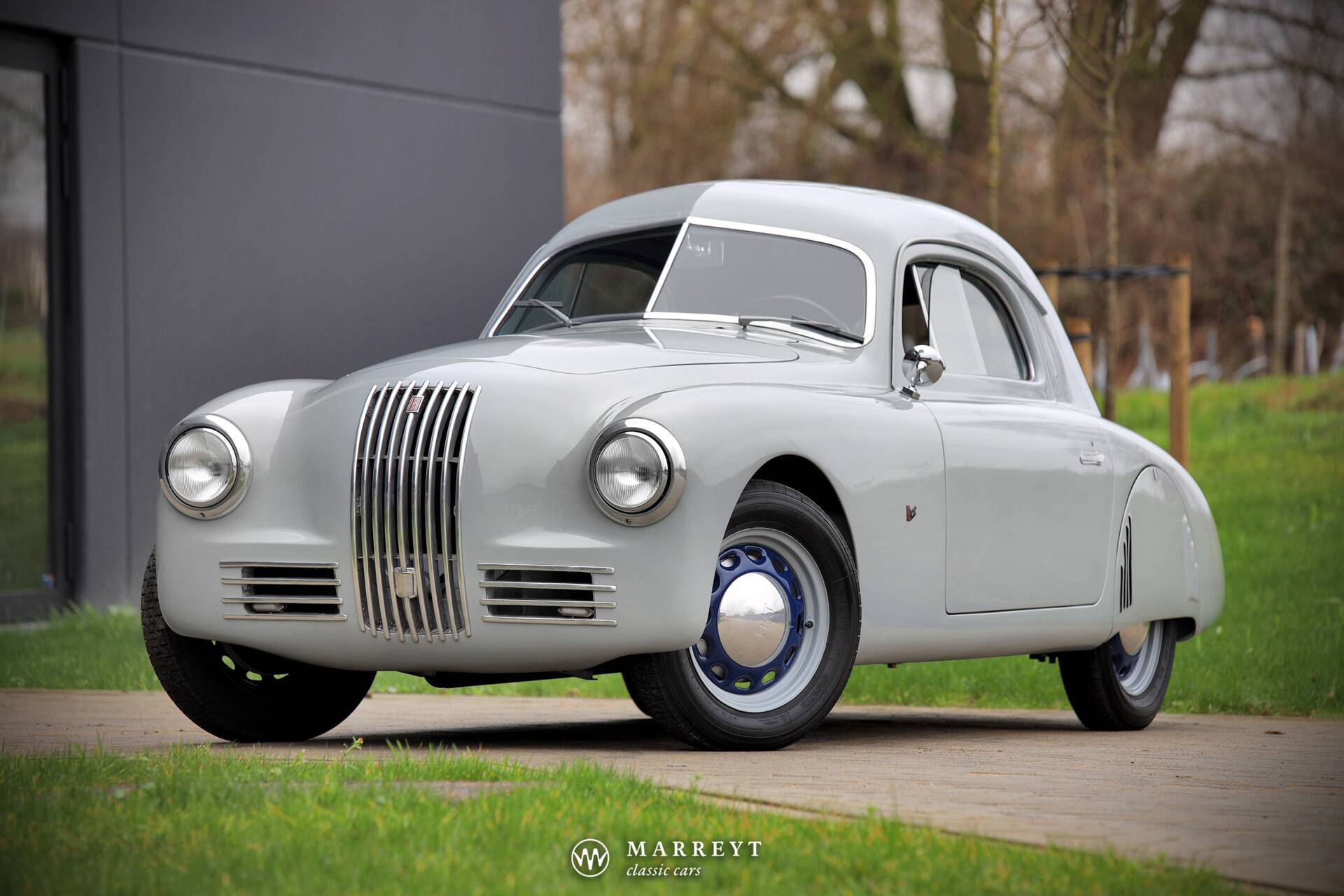
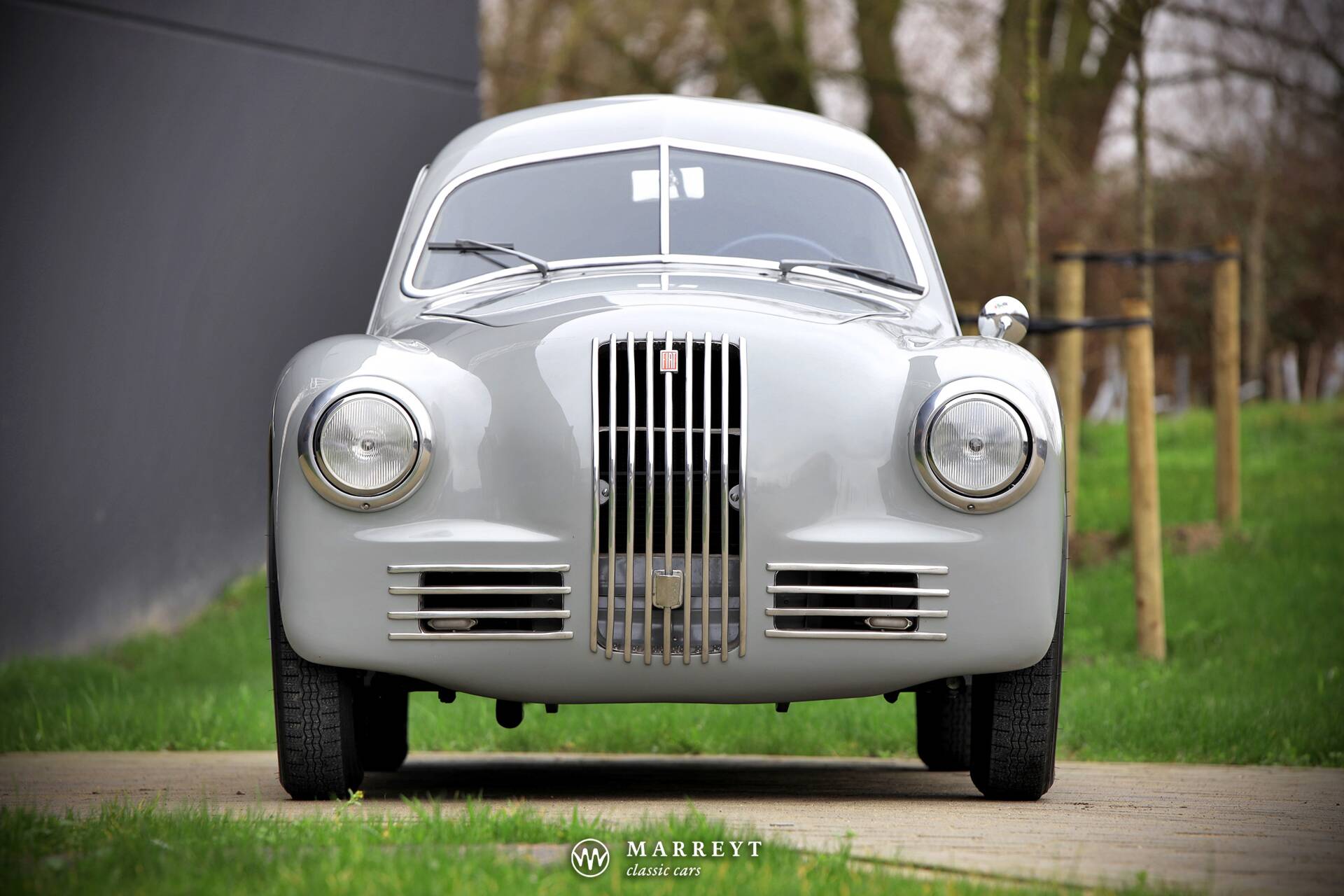
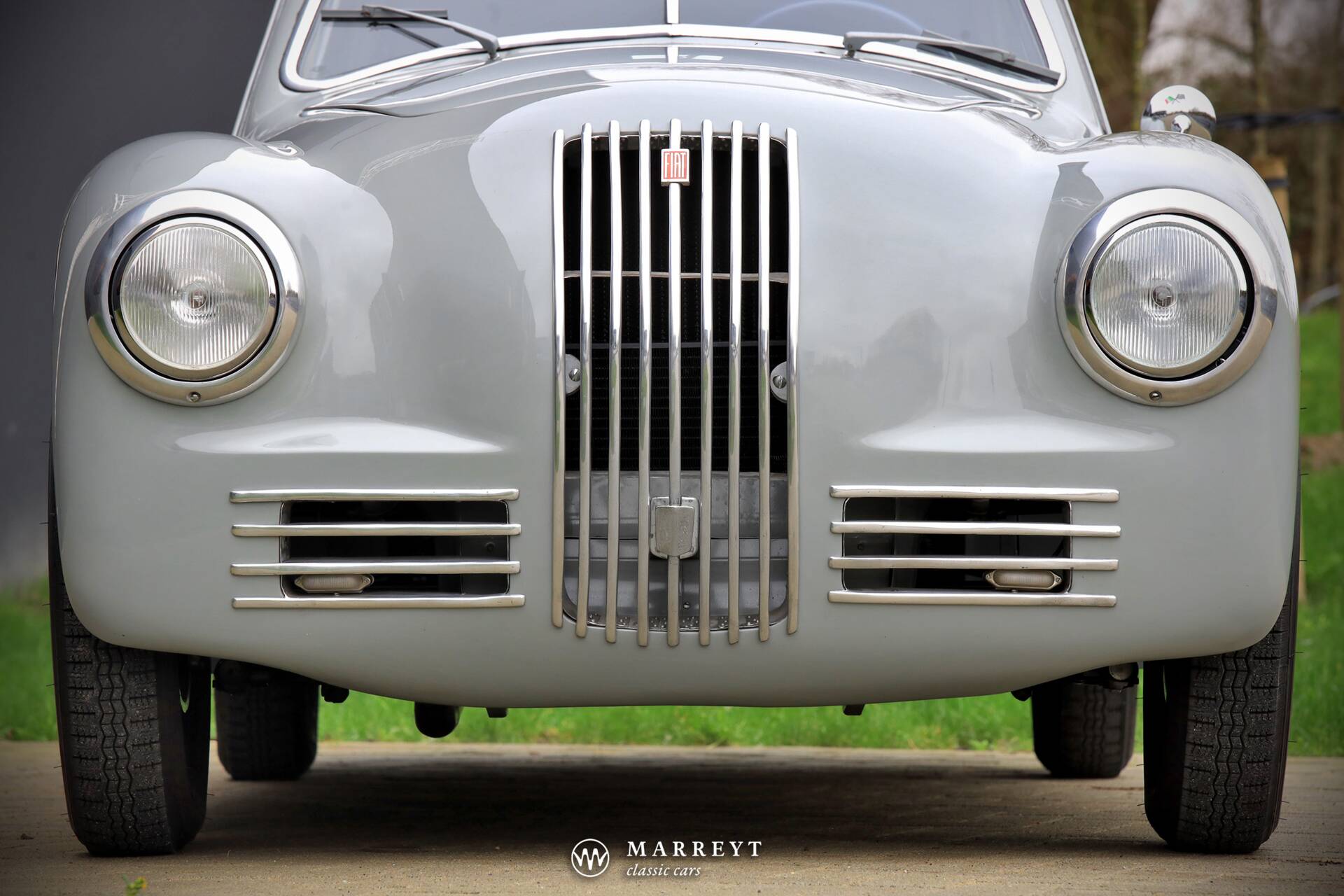
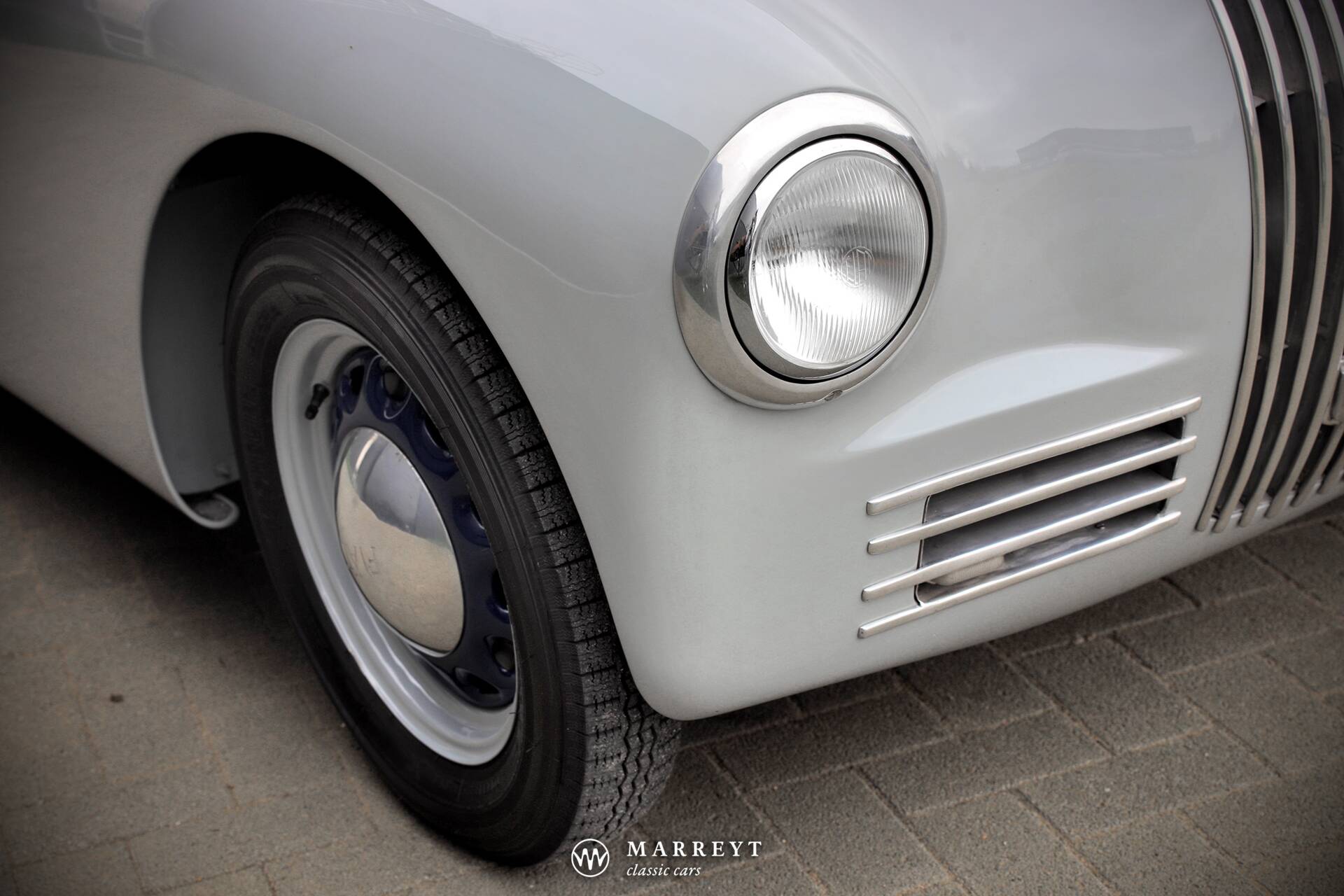
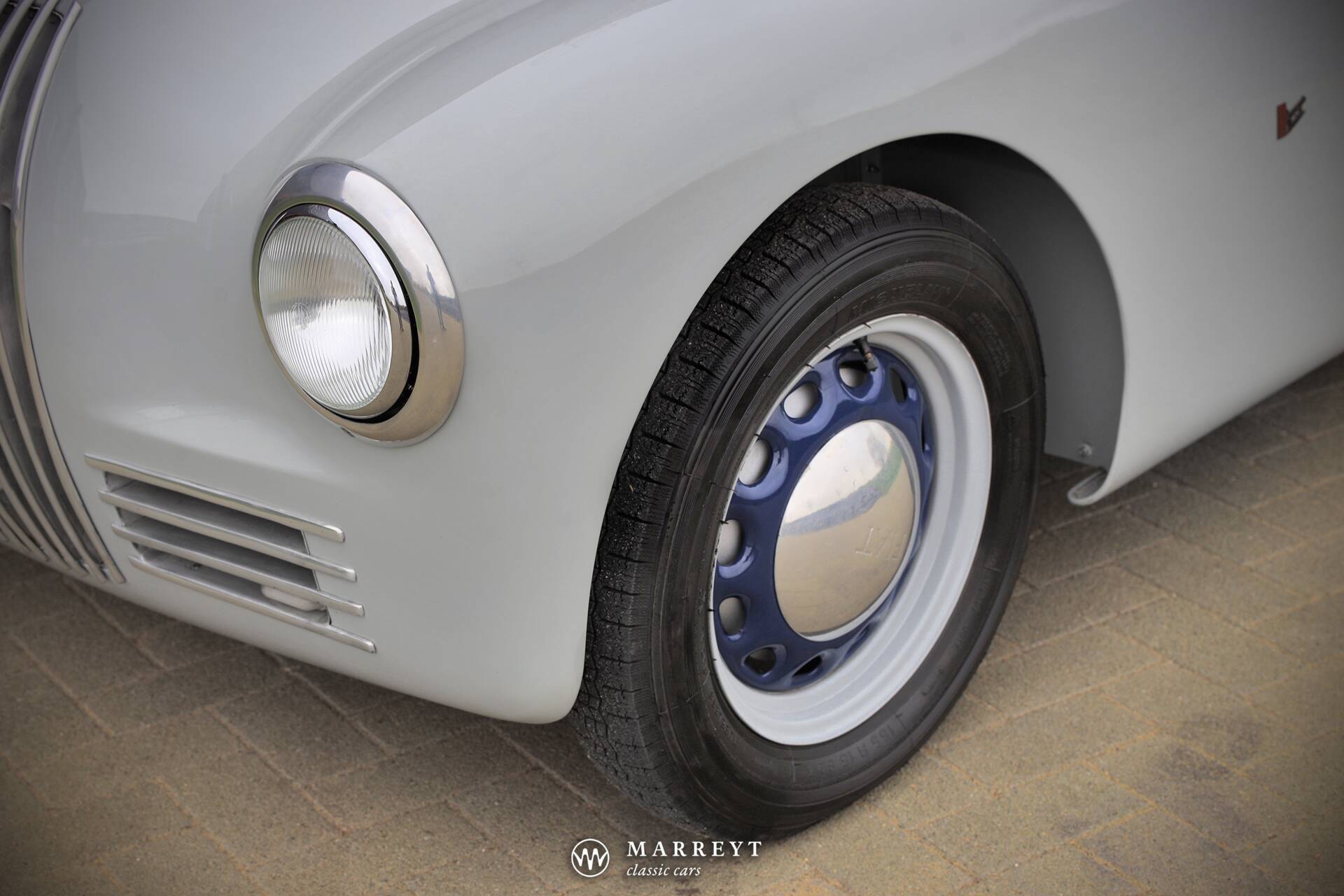
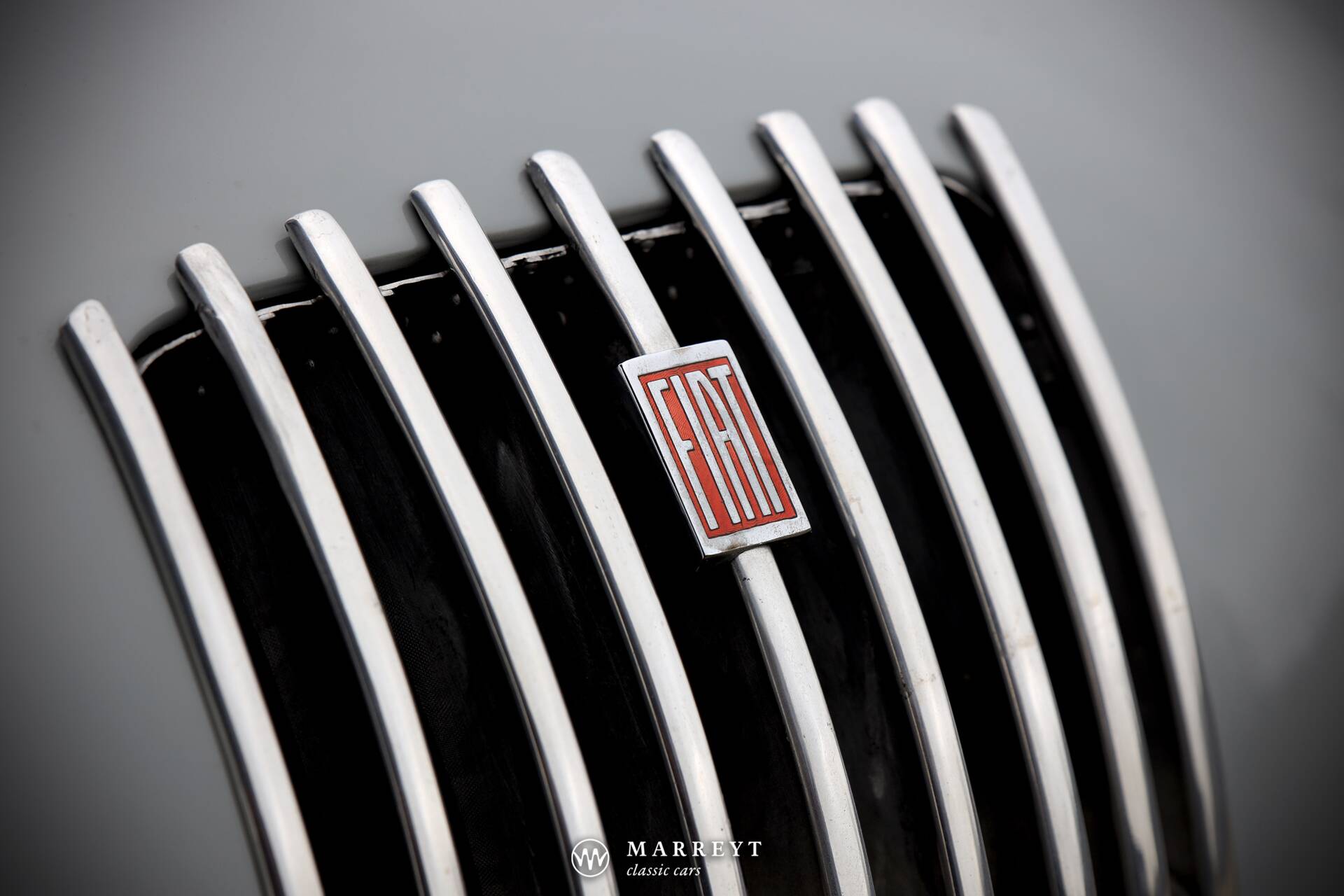
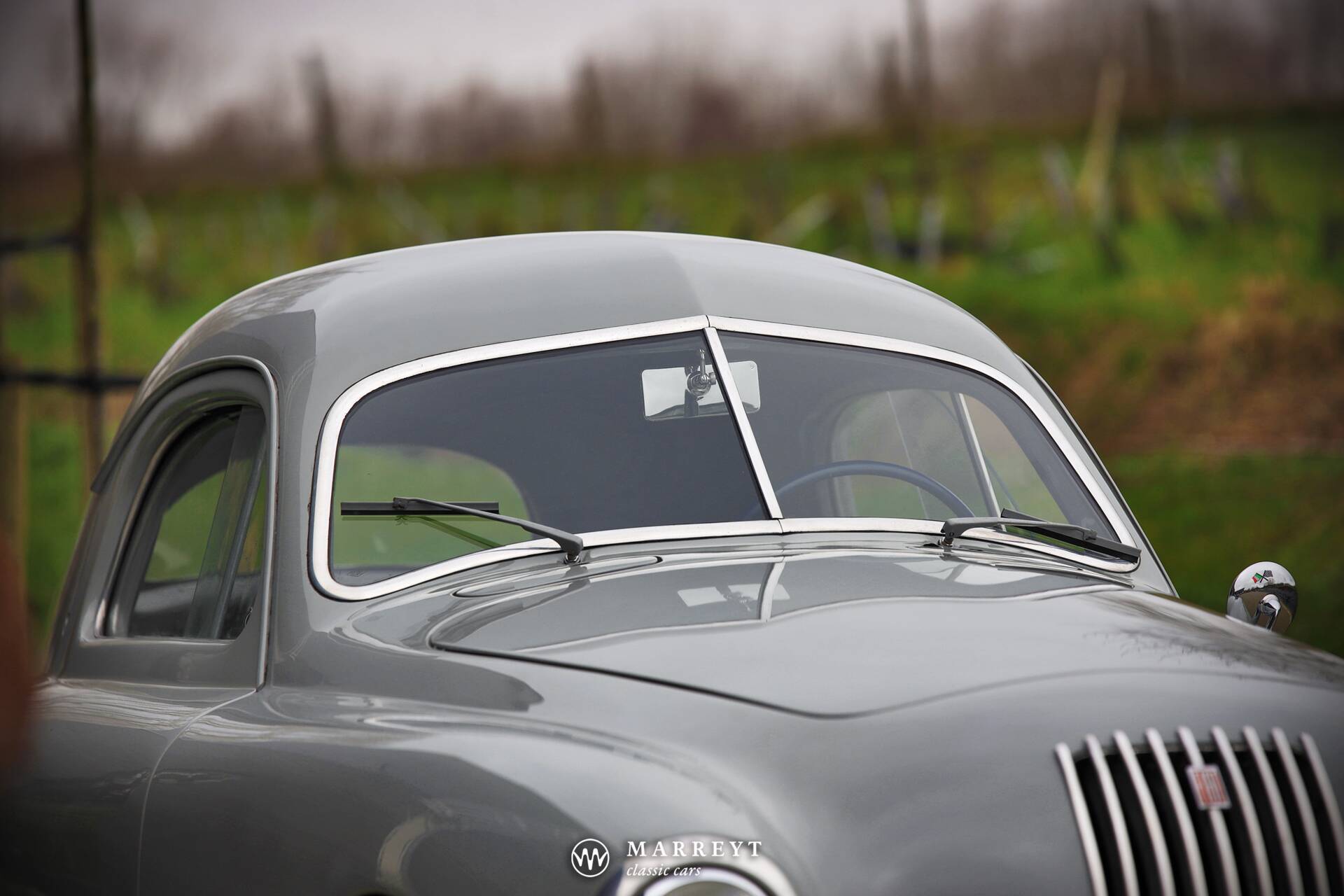
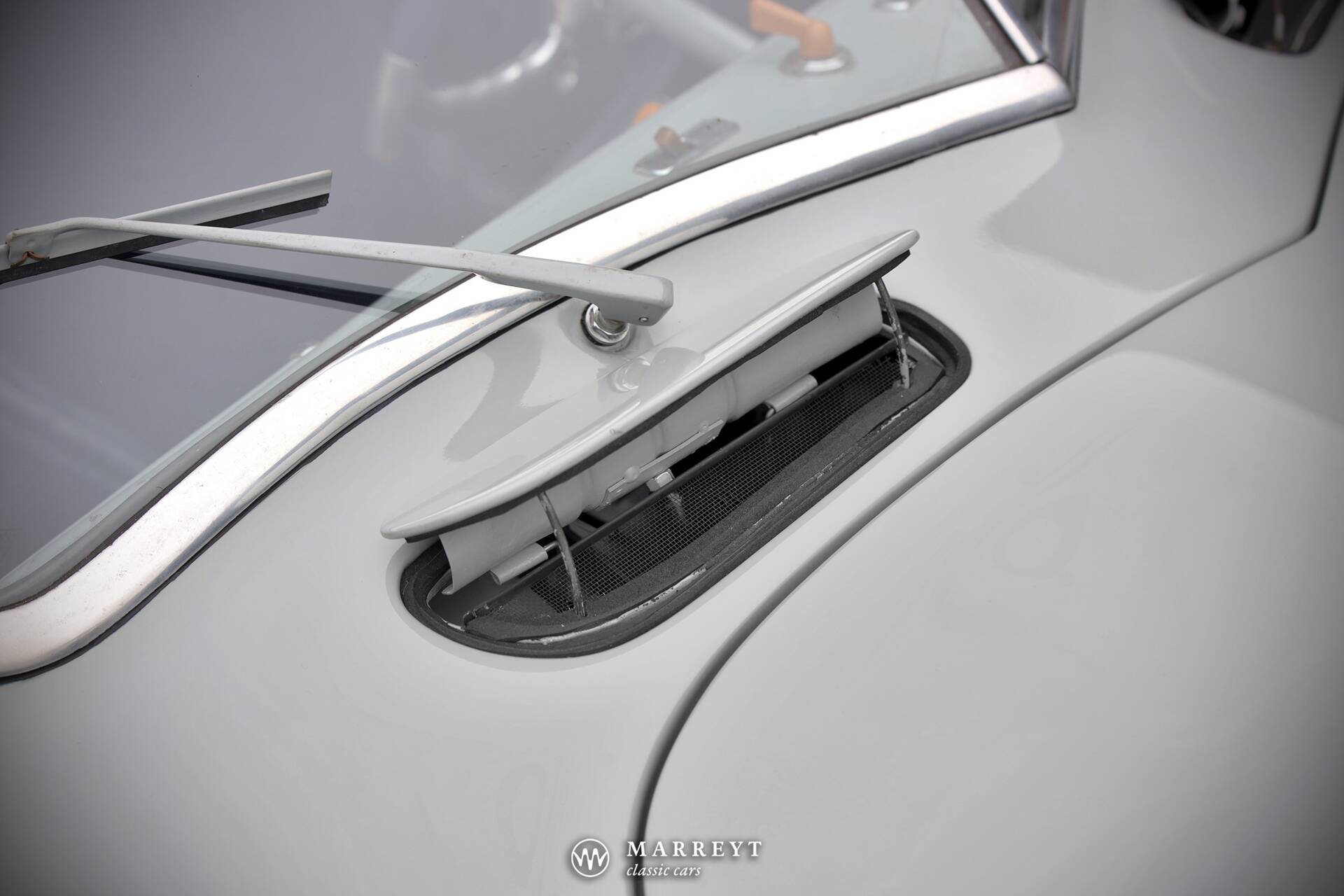
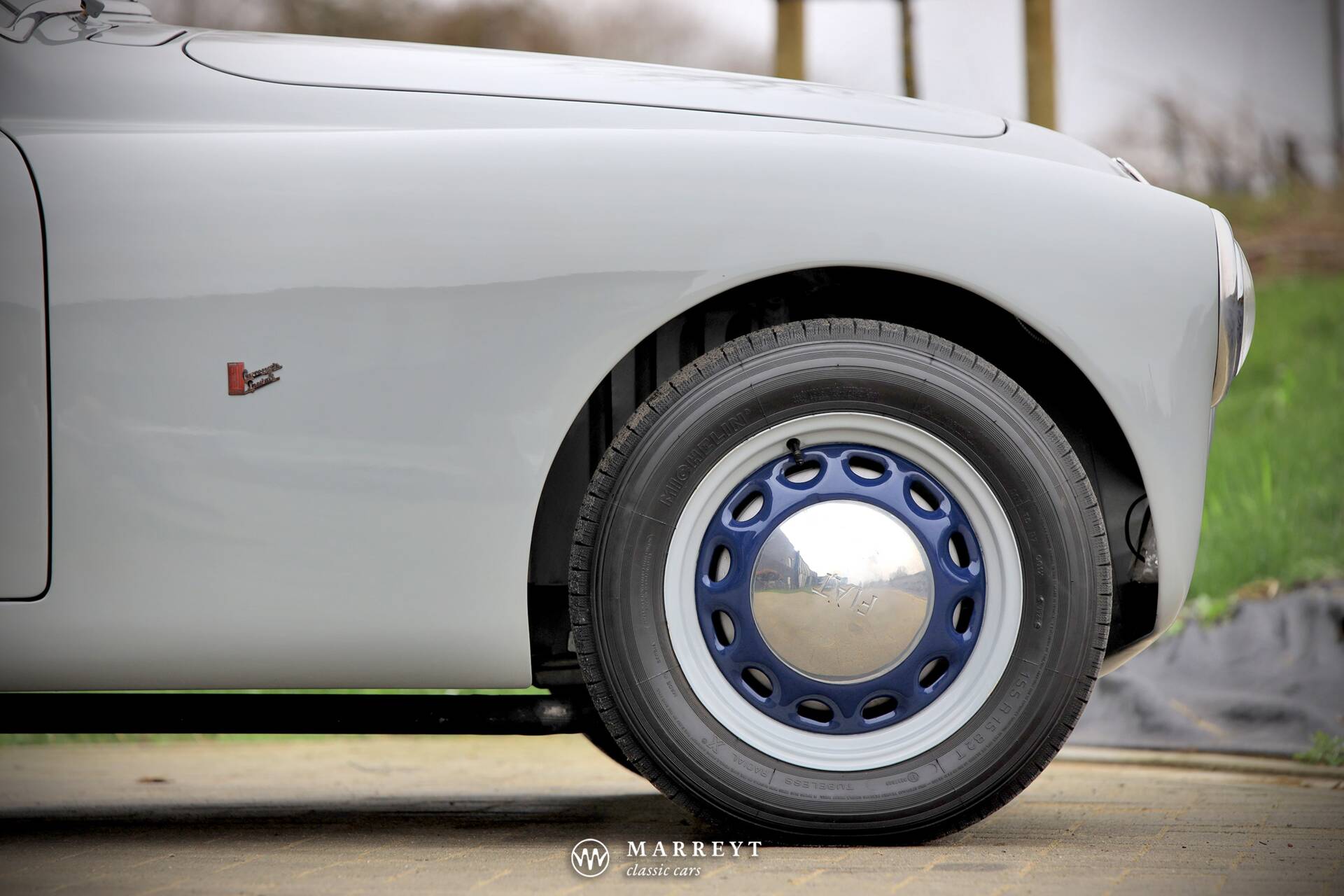
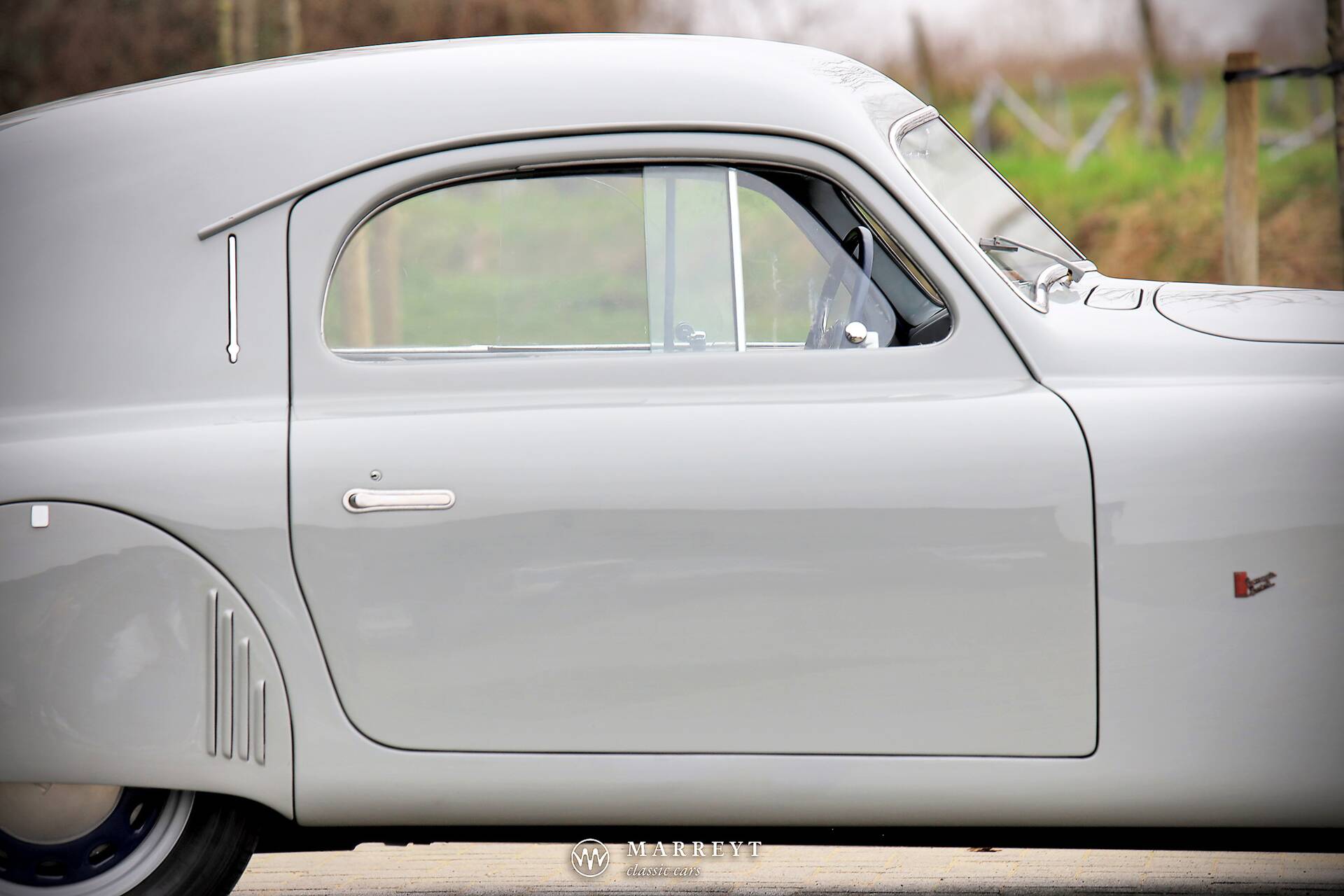
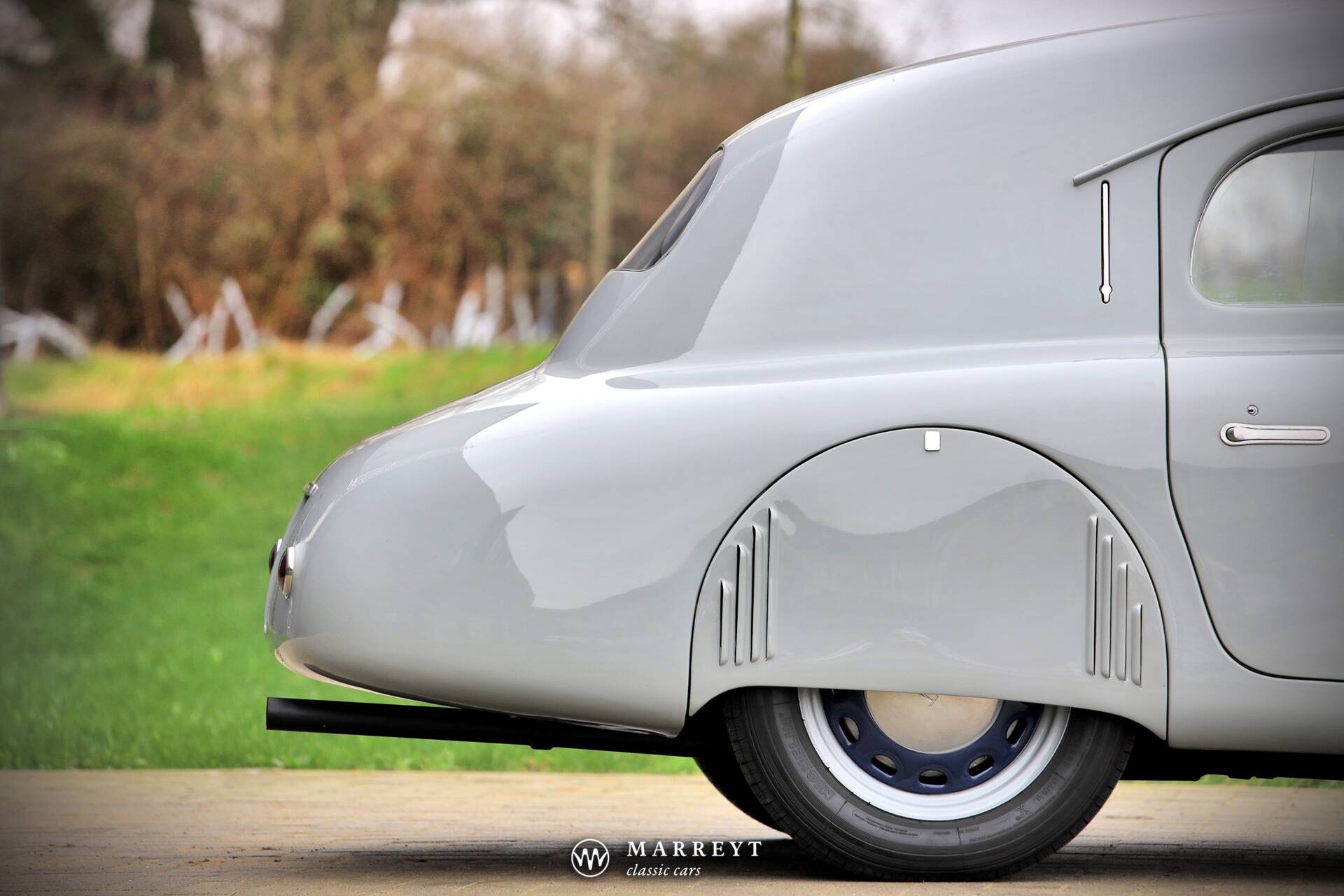
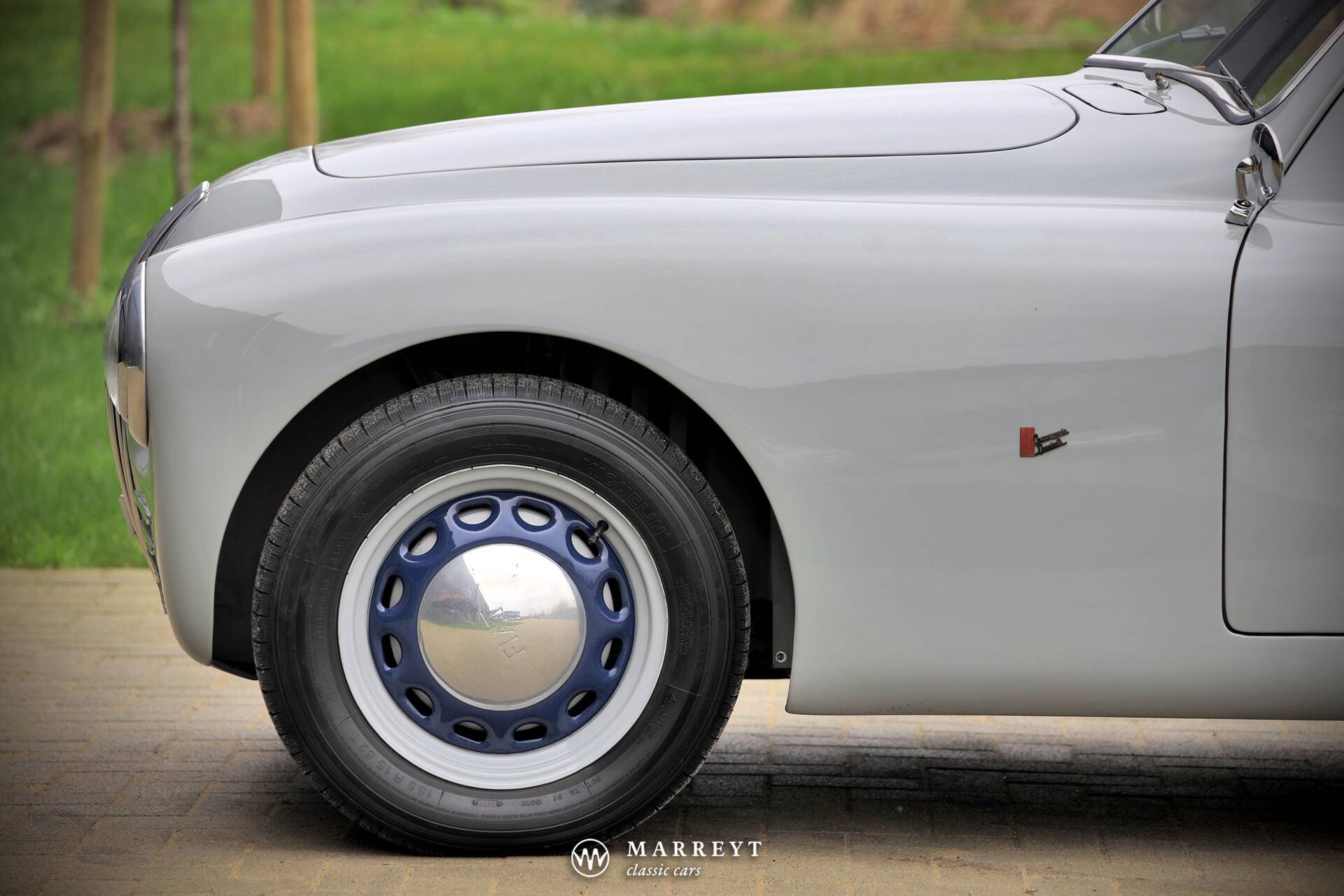
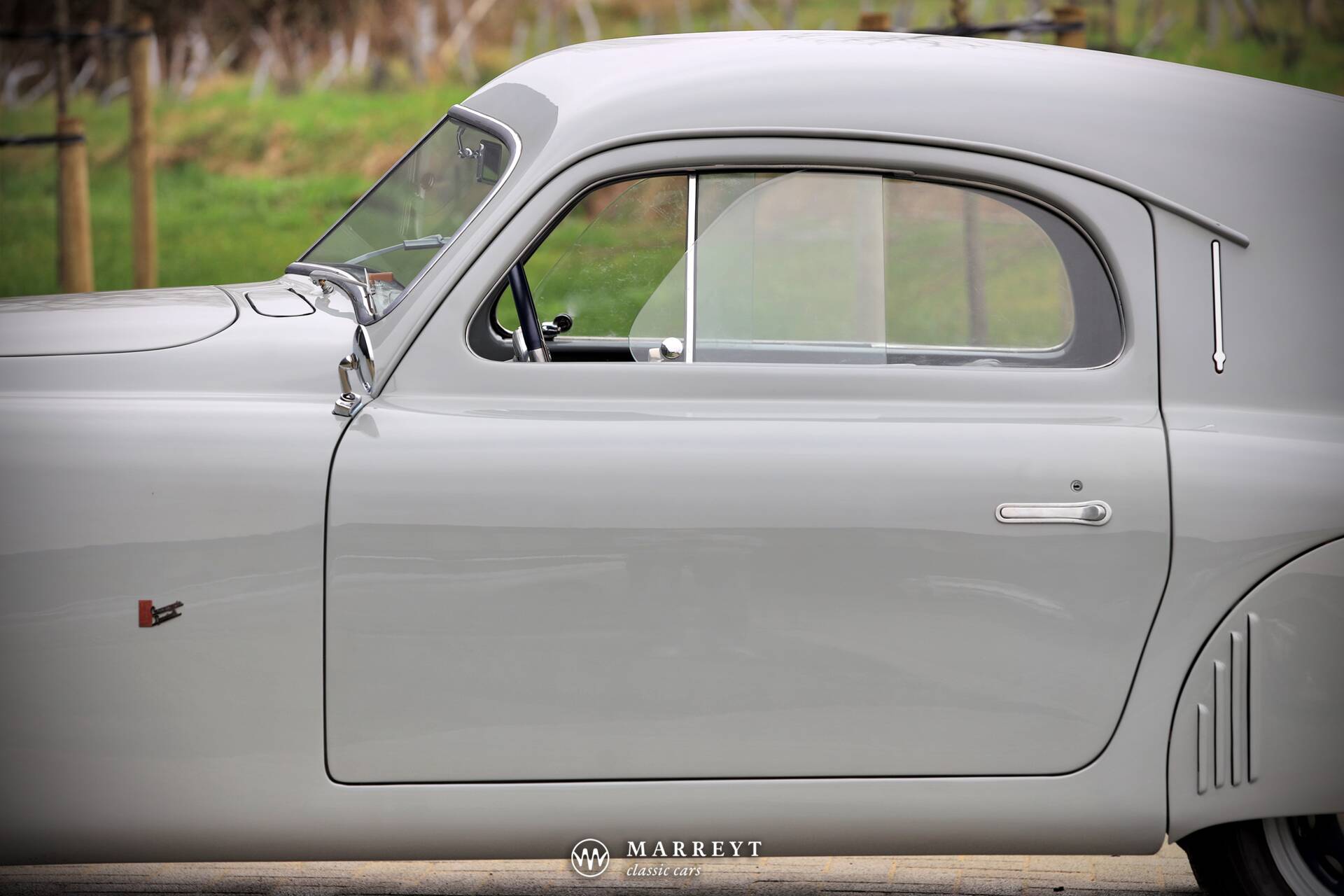
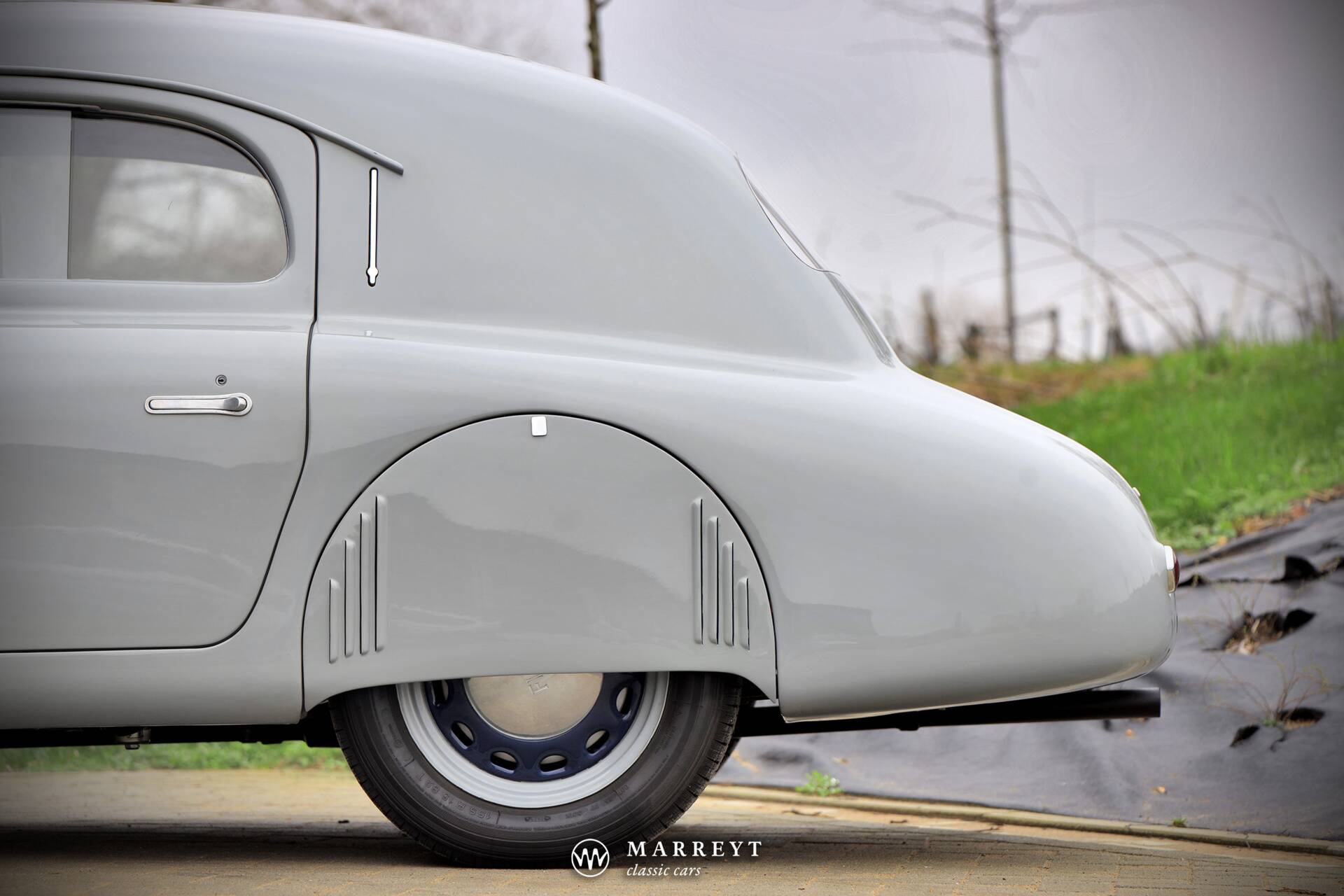
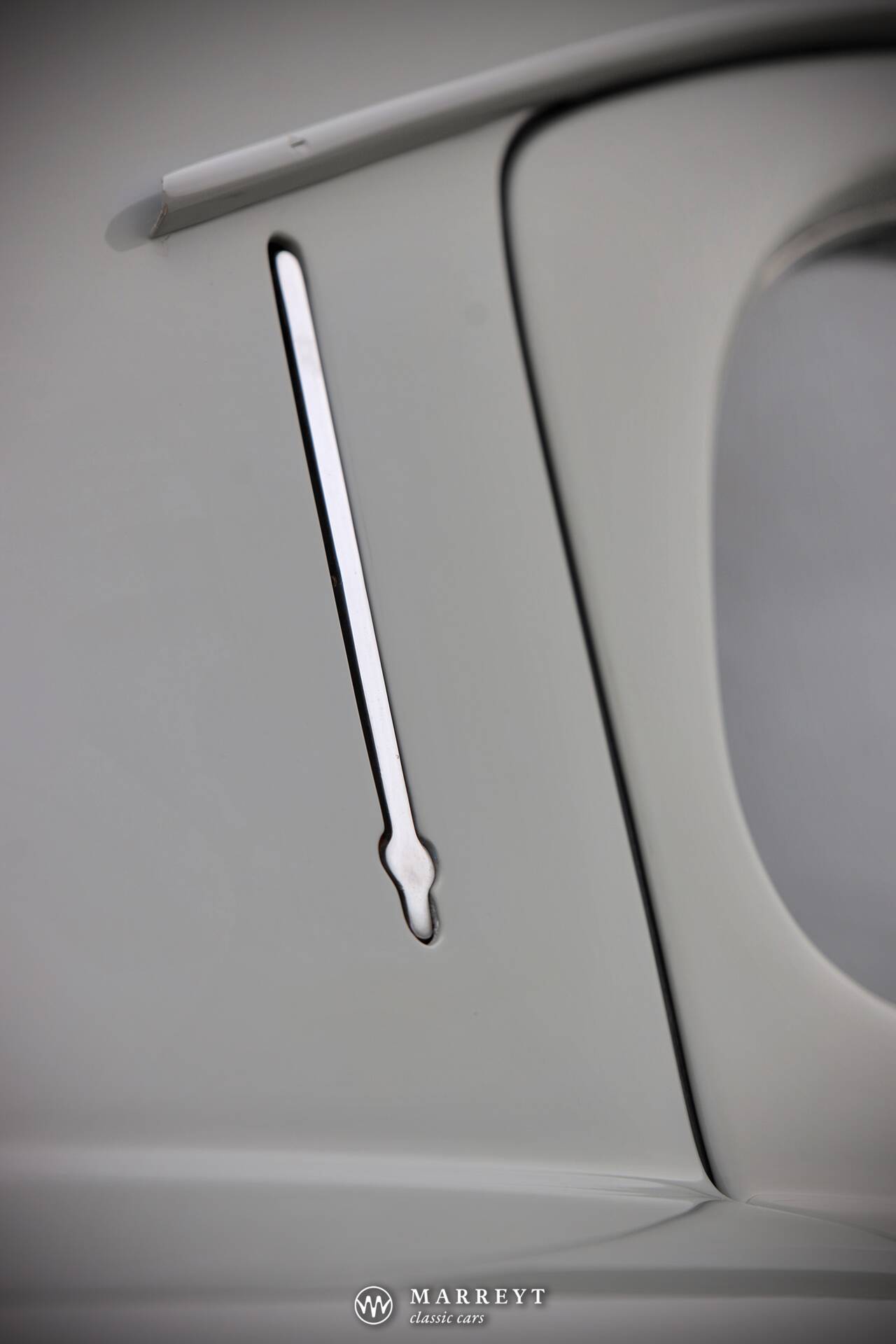
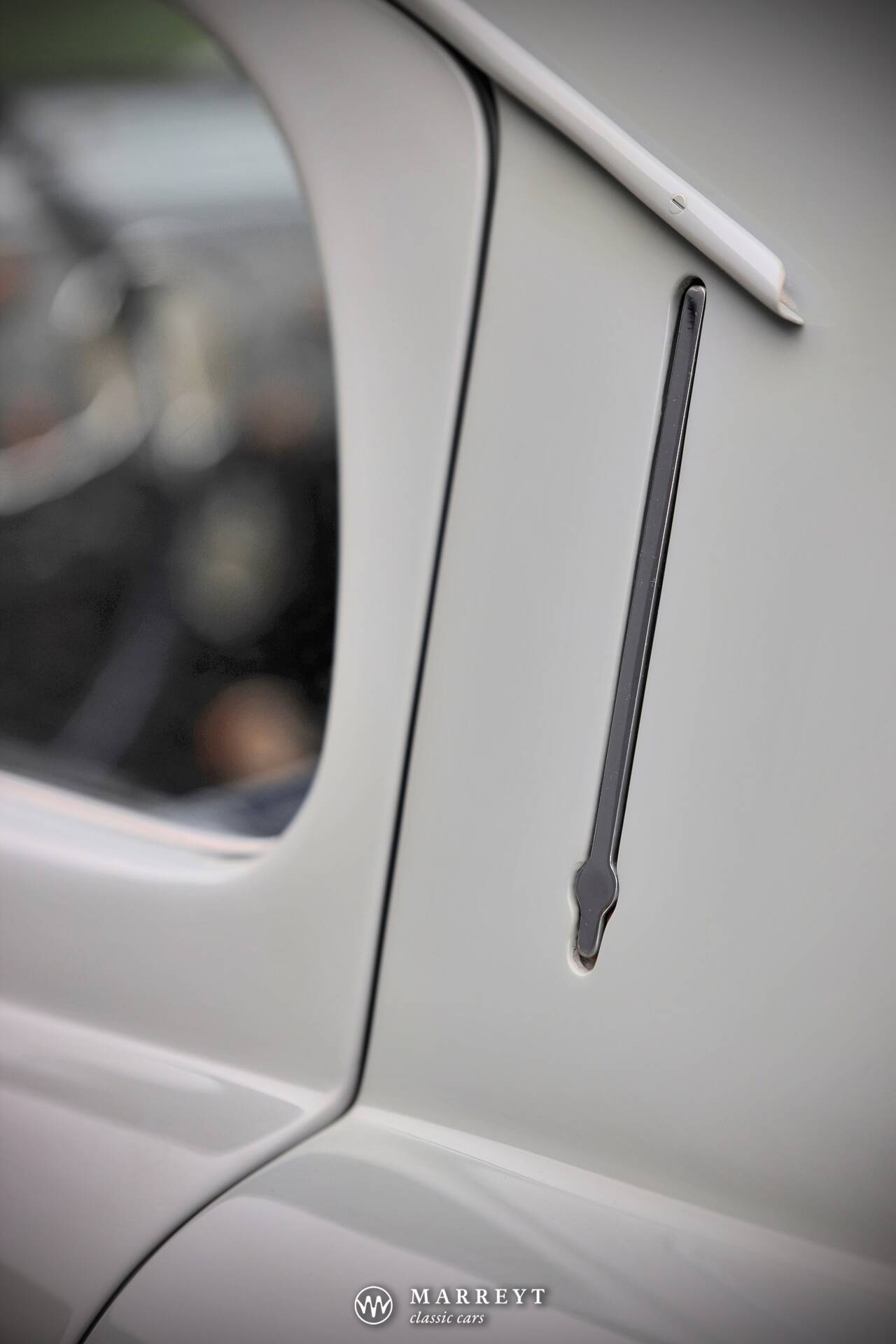
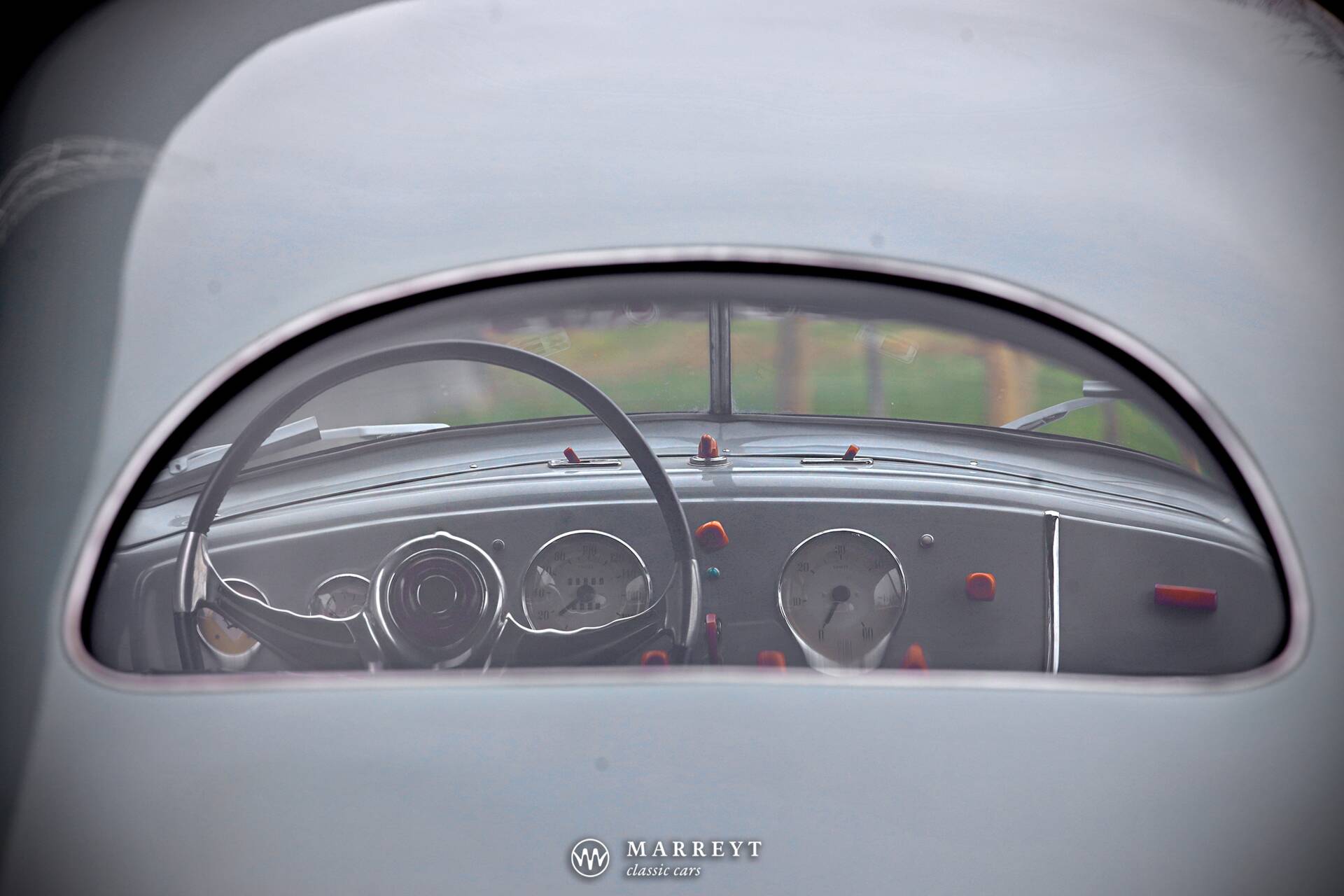
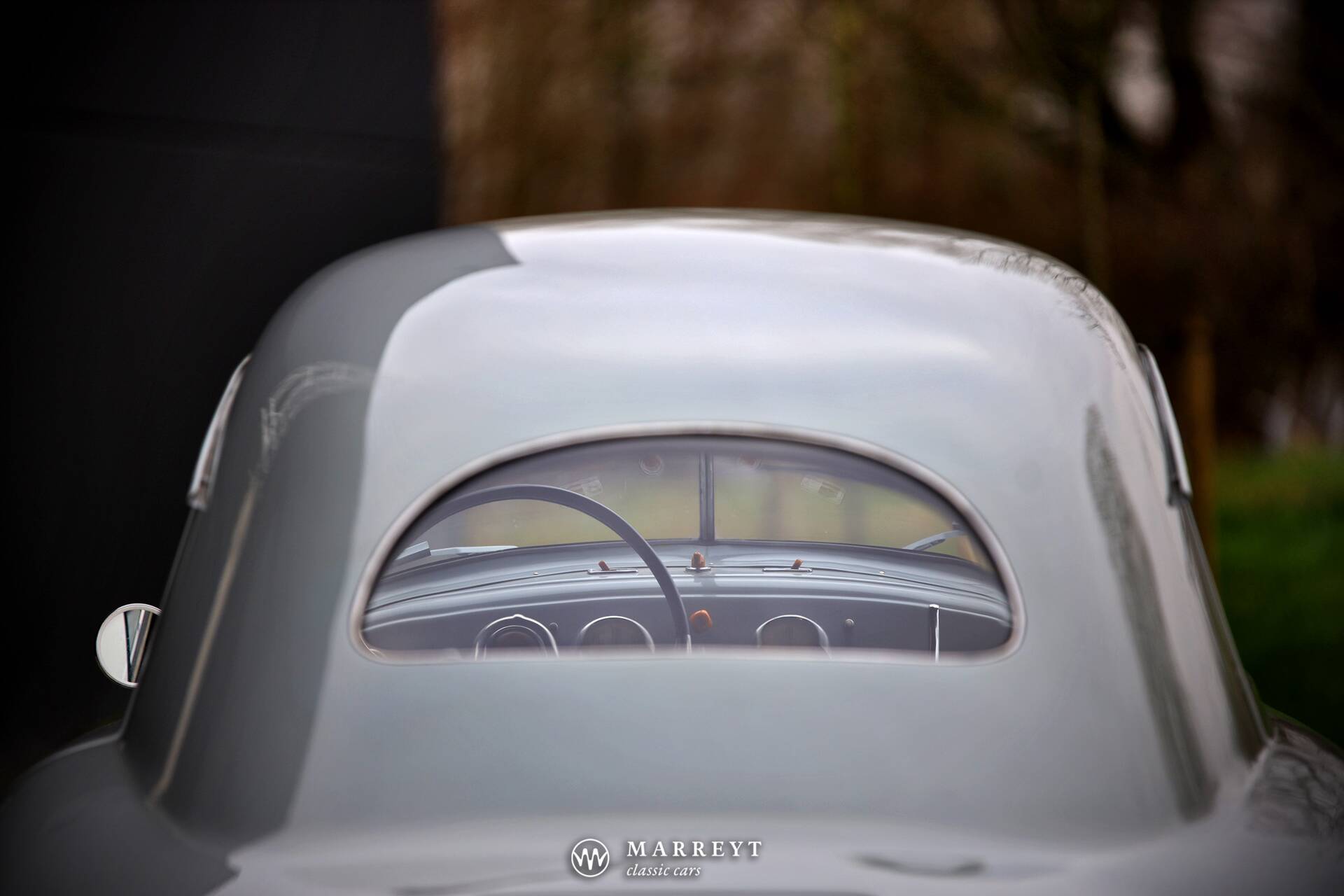
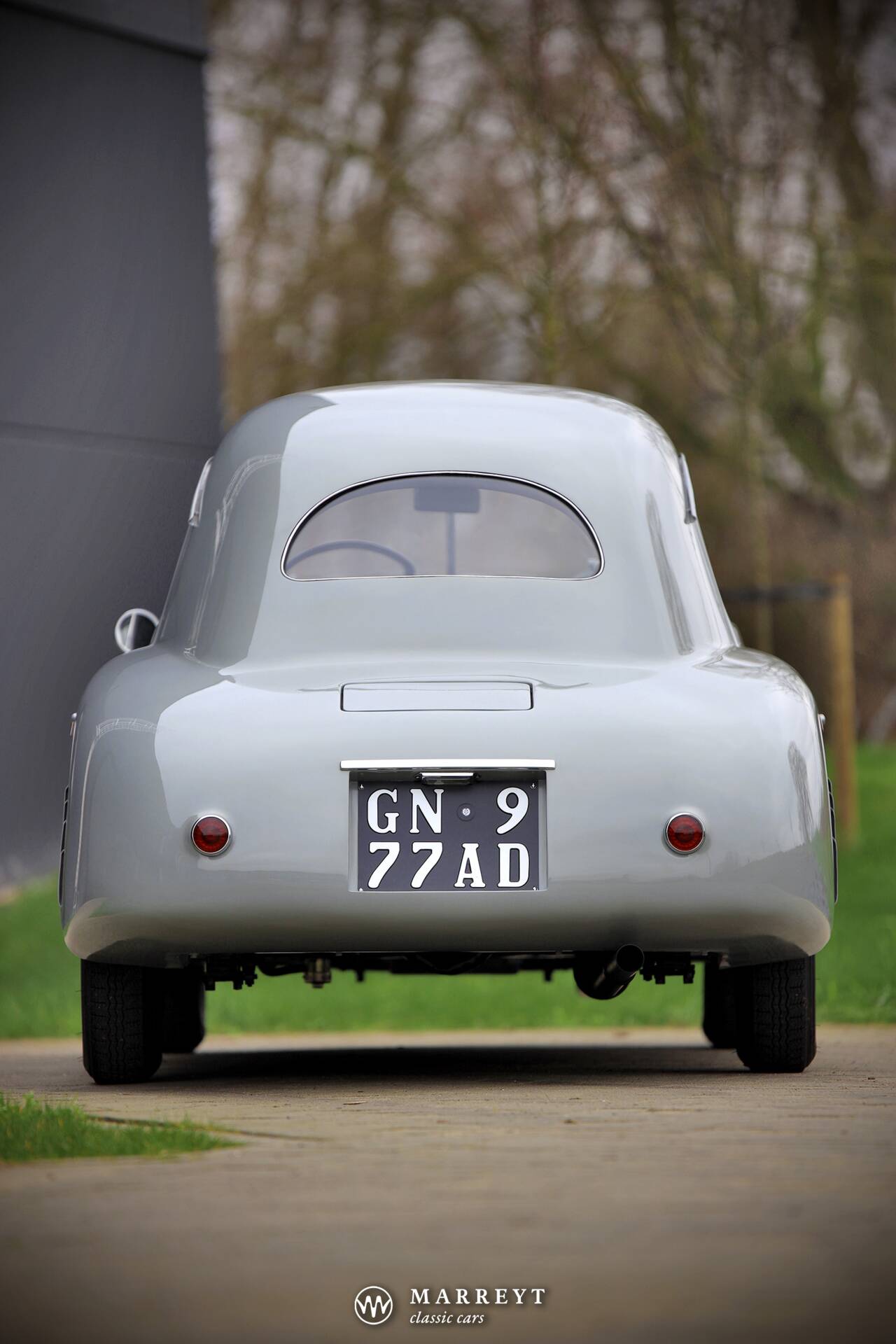
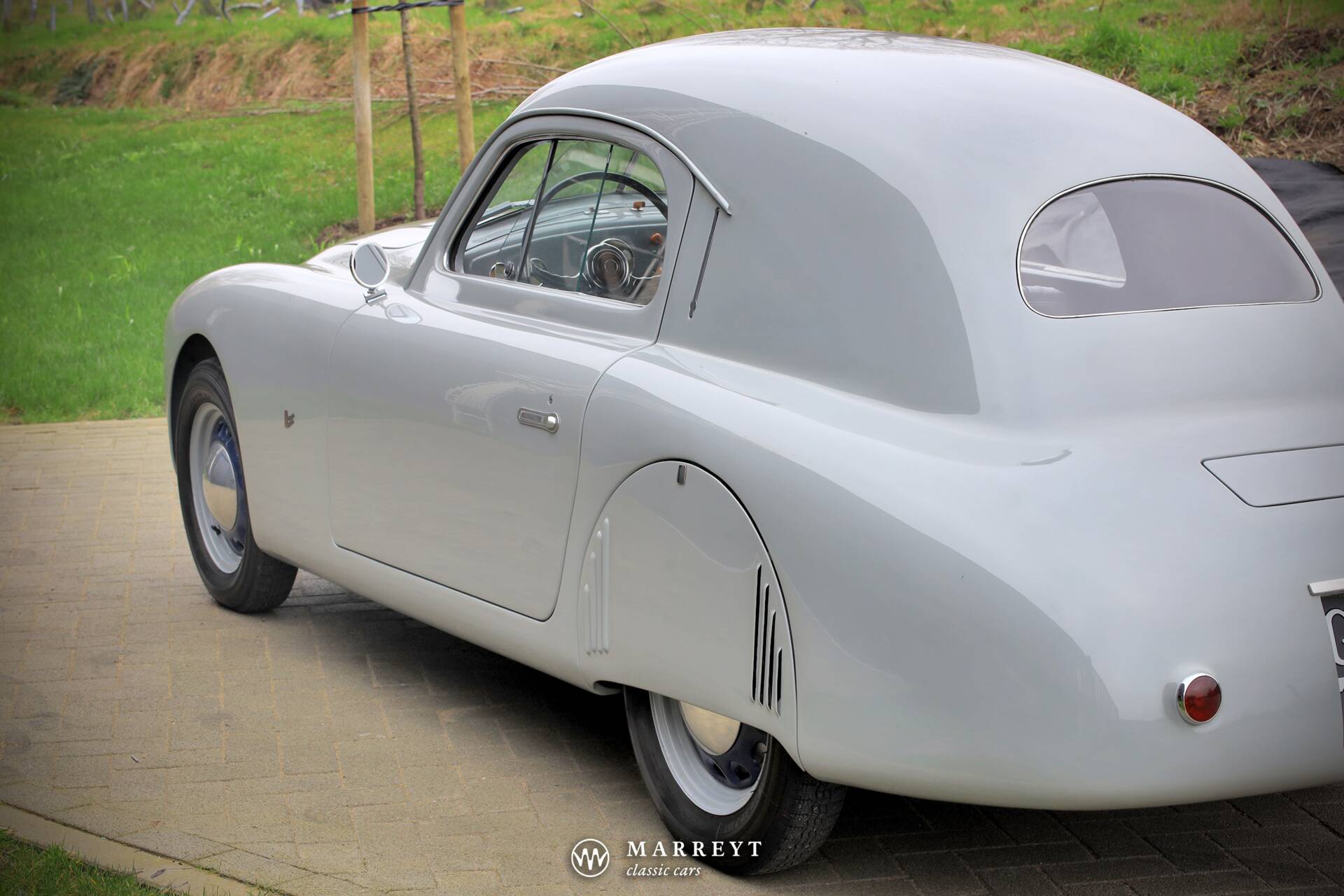
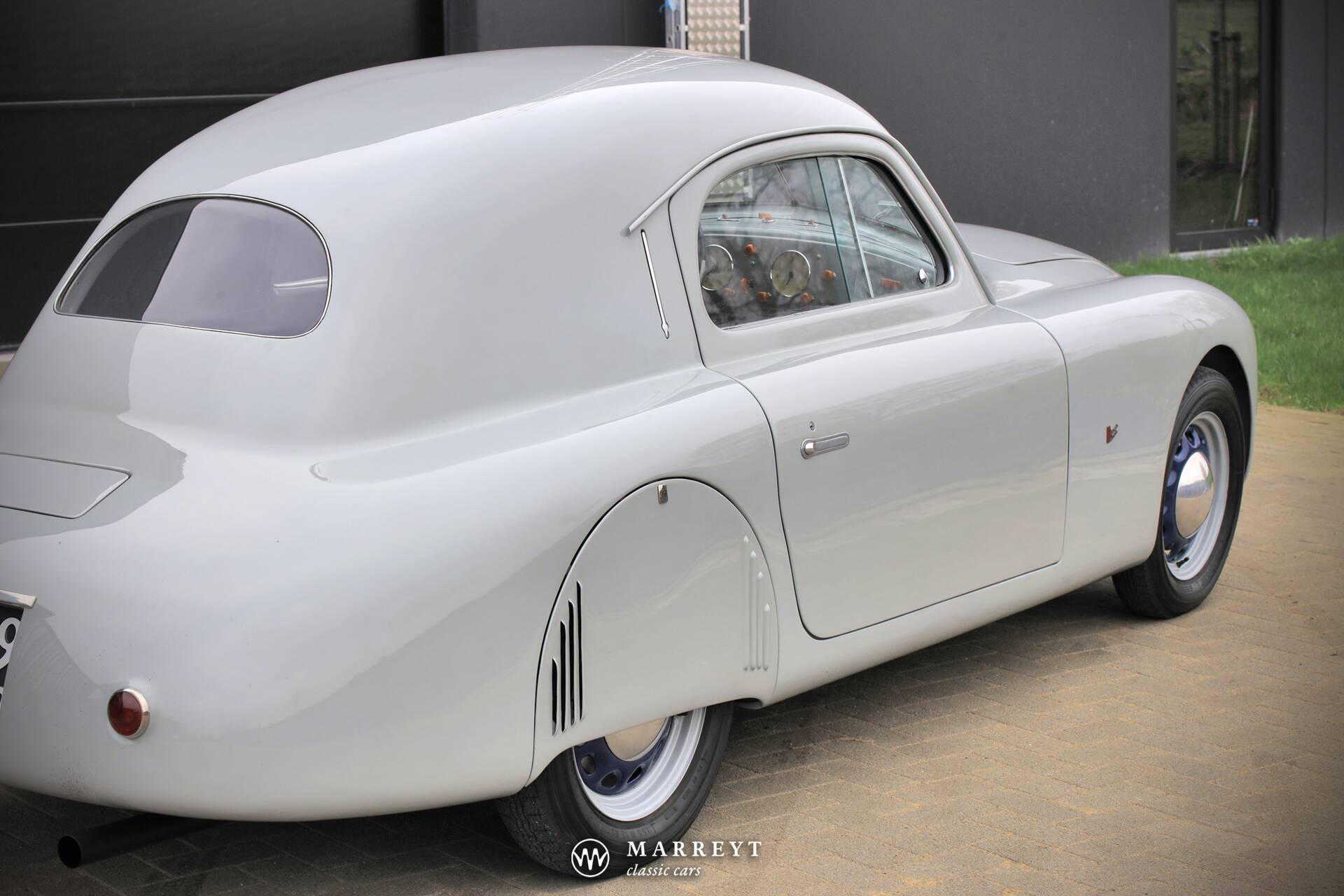
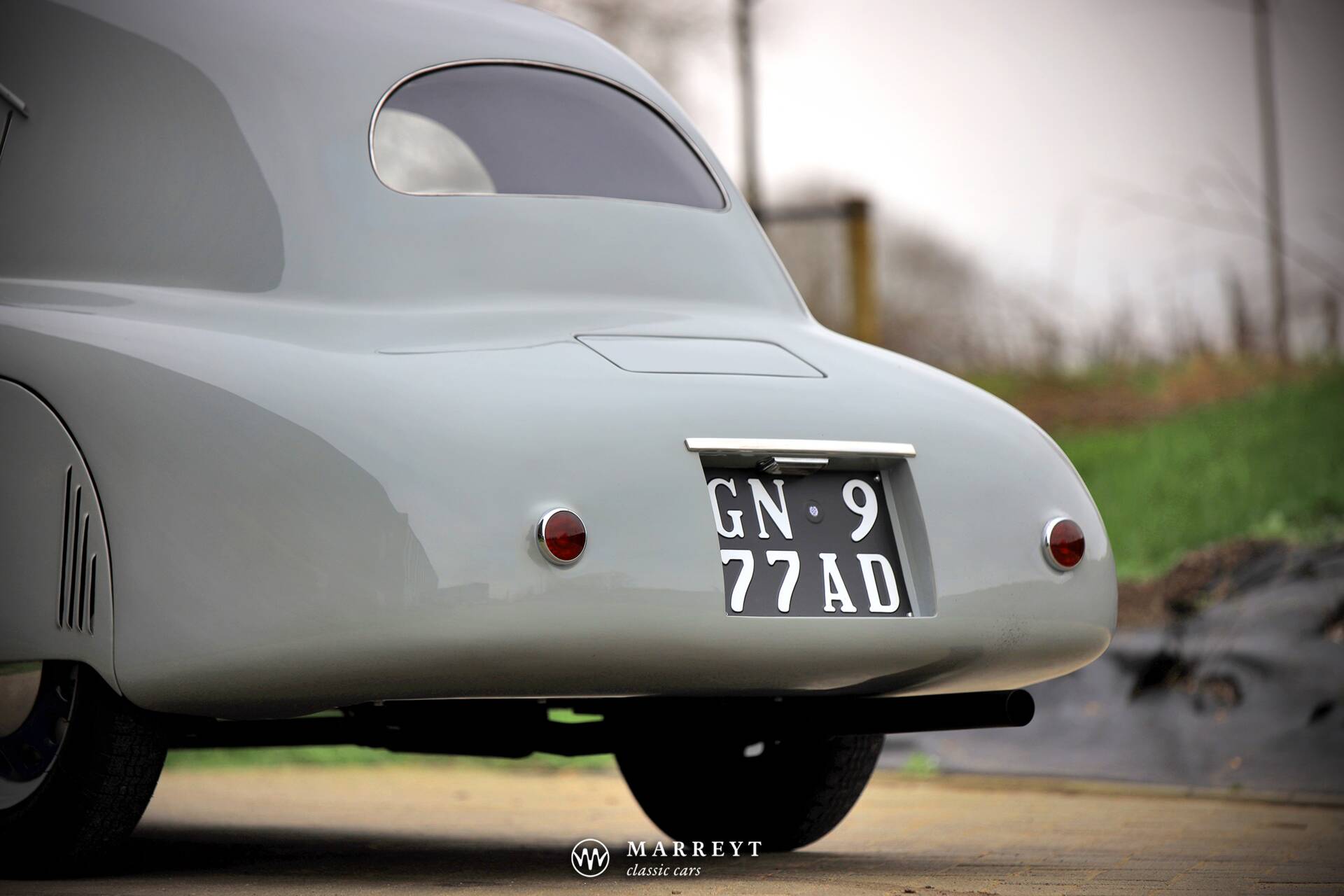
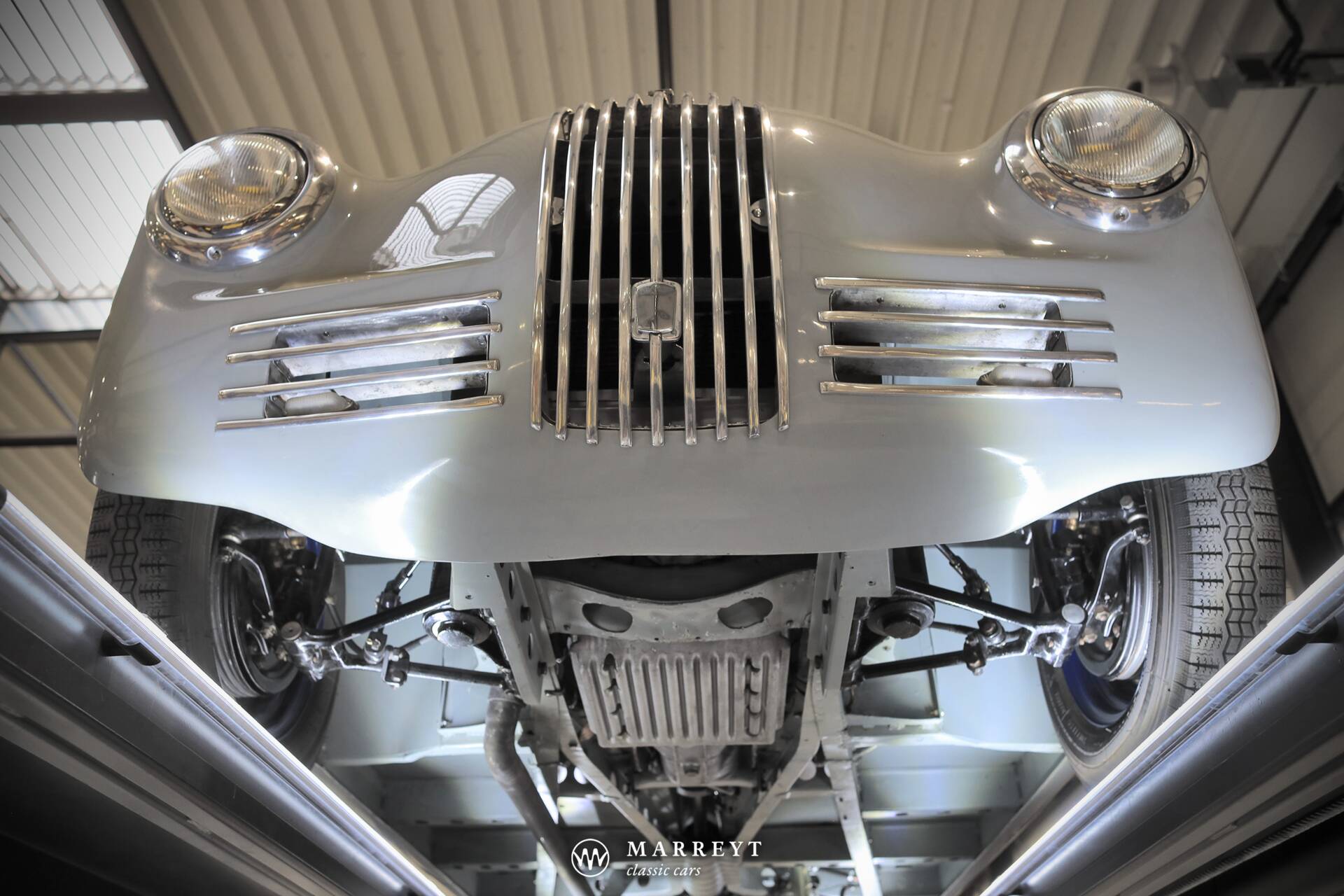
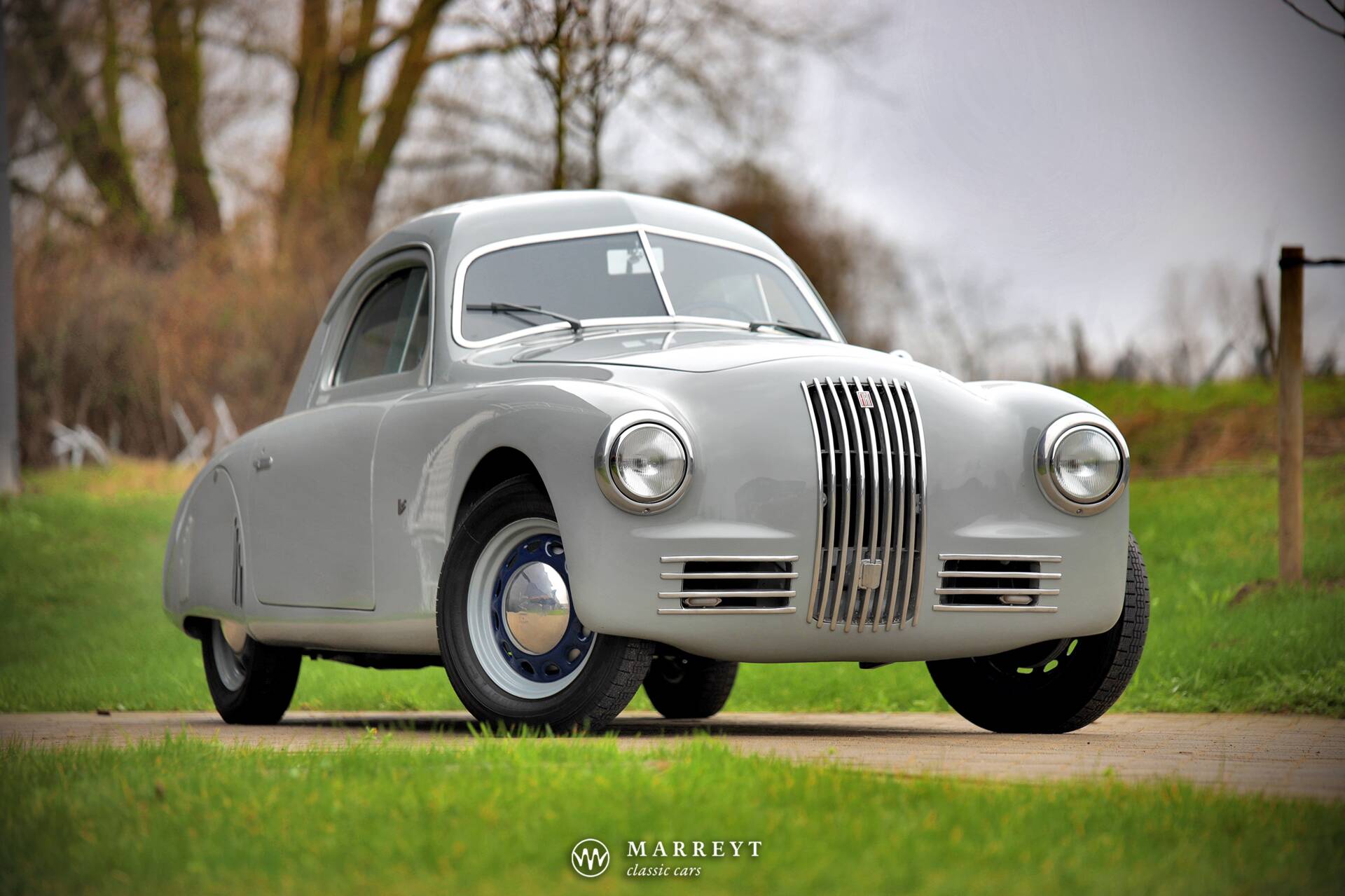
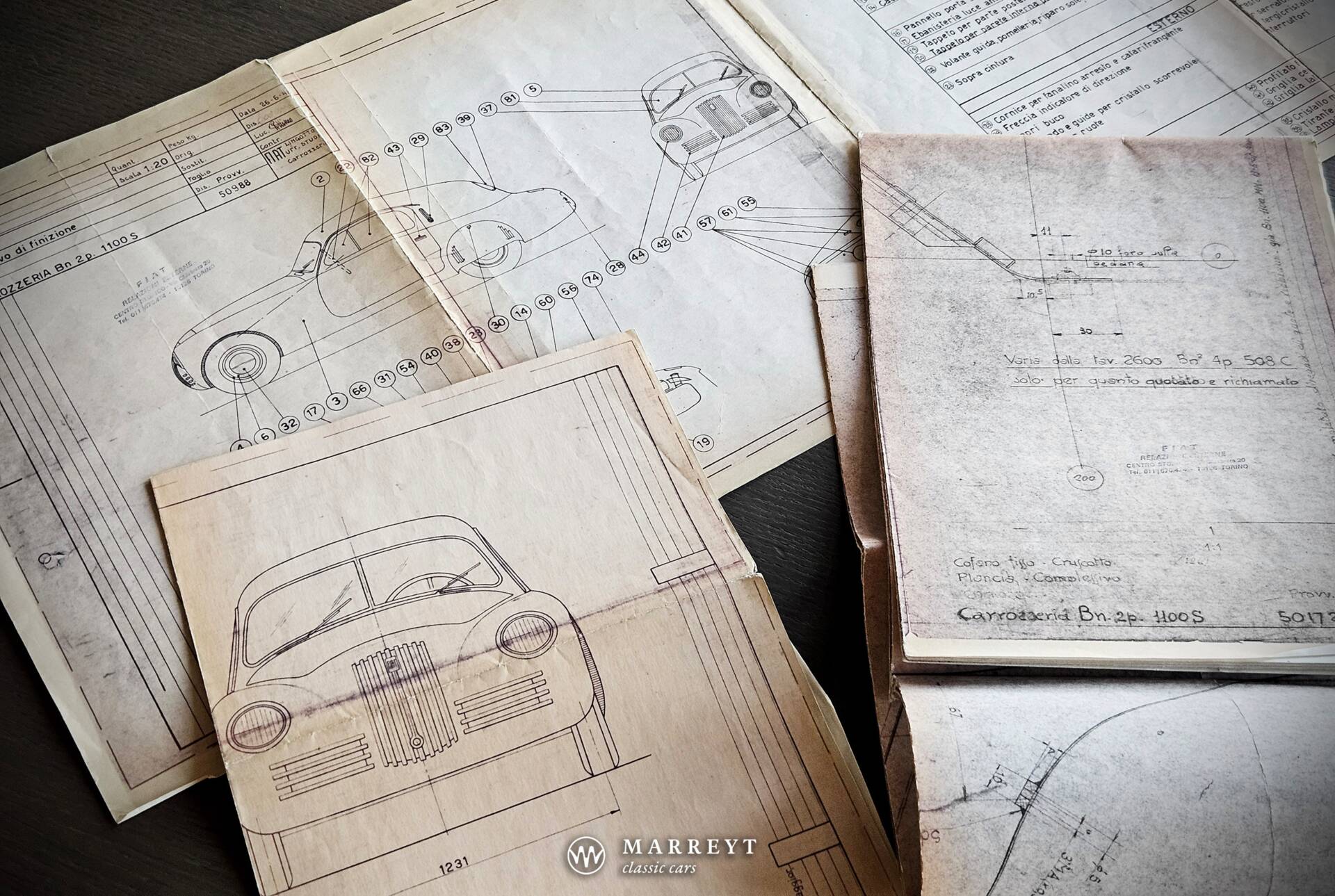
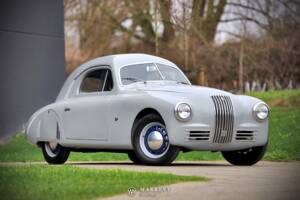
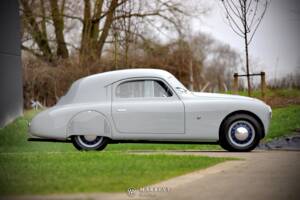
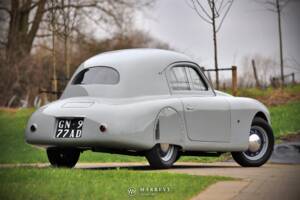
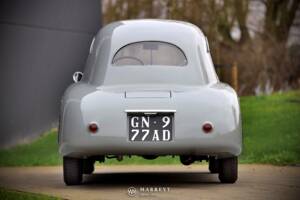
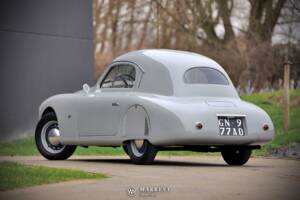
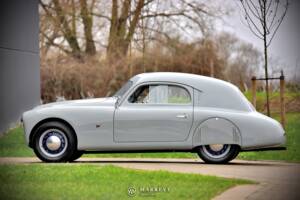
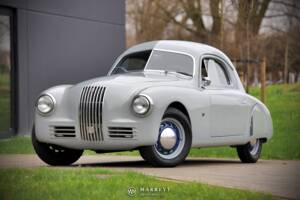
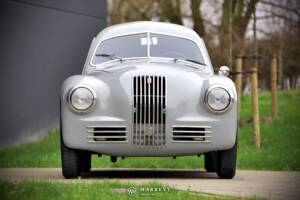
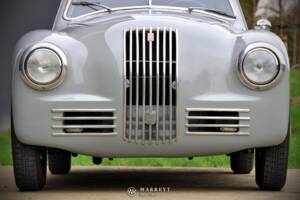
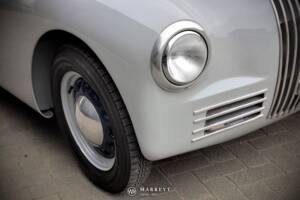
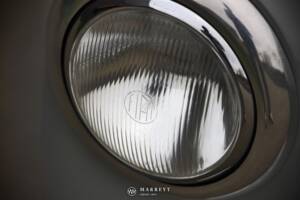
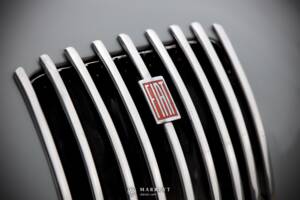
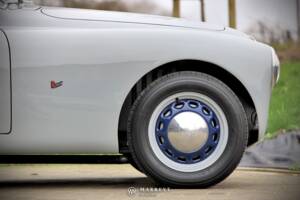
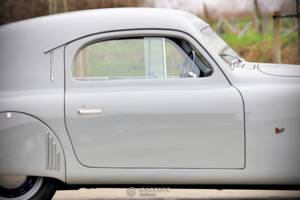
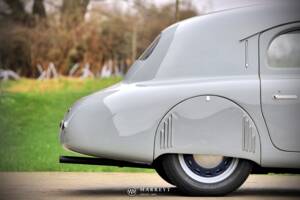
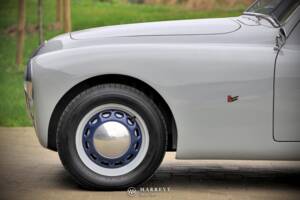
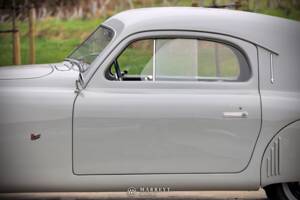
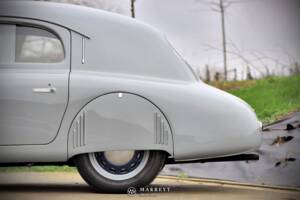
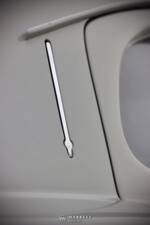
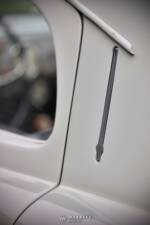
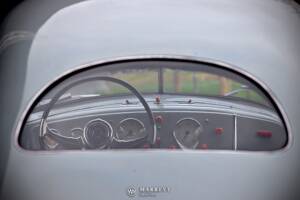
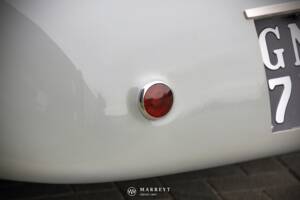
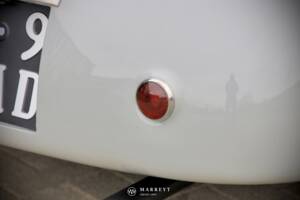
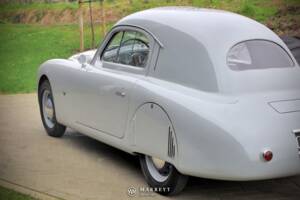
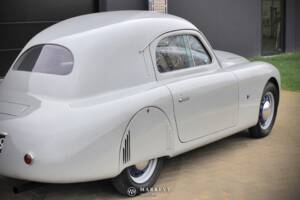
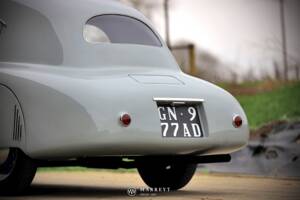
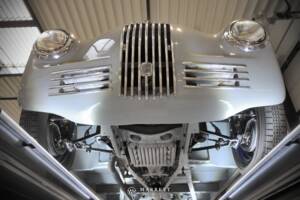
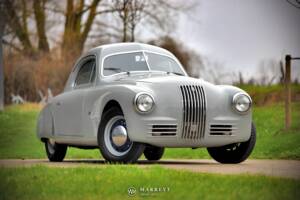
The Fiat 1100 S “Gobbone” was conceived in the immediate aftermath of the war under the direction of Dante Giacosa. Building on the technical foundation of the 508 C, he endowed the model with a purposeful, aerodynamic berlinetta body in aluminum — low-slung, enclosed, and devoid of unnecessary ornamentation. The nickname Gobbone (literally “hunchback”) refers to the car’s distinctive curved rear profile. Its triple-section grille, with horizontal bars flanking a vertical center, became a visual signature.
The figures are well known: 1089 cc, approximately 51 bhp at 5,200 rpm, a dry weight of around 825 kilograms, and a top speed close to 150 km/h. More important is what those numbers represented in 1947–1949: a light, dependable long-distance machine built to perform in Europe’s toughest open-road races. In the 1947 Mille Miglia, four 1100 S berlinettas finished in the overall top ten — a result that firmly established the model’s reputation.
Venezuela 1950: Italian hands, South American roads
Around 1950, Venezuela experienced a remarkable influx of Italian craftsmen. As Italy struggled through economic recovery, Venezuela was booming on the back of its oil industry. Government policy actively encouraged European immigration; engineers, mechanics, and coachbuilders found opportunity there. Within this environment, a vibrant motorsport culture emerged — one in which Italian engineering and ambition met long Andean stages and tropical heat.
This Fiat 1100 S — nicknamed La Pulga (“The Flea”) — was driven by Gino Tonelli, an Italian competing under the Venezuelan flag. In 1950 he entered the legendary Carrera Grancolombiana, a punishing 3,825-kilometre marathon from Quito via Bogotá to Caracas.
The stages speak for themselves: Quito–Pasto, Pasto–Cali, Cali–Medellín, across mountain passes to Manizales and Bogotá, then onward toward Cúcuta and beyond. Tonelli’s performances were more than respectable, achieving multiple top classifications in the early stages. The lightweight Fiat was embraced by the public as an underdog hero after winning a duel against a far more powerful MG. In a field where cubic capacity often dictated the outcome, the little Fiat earned praise for its stamina and sheer drivability.
Survival and rarity
Because the 1100 S cars were built for competition and used intensively as such, survival rates are low. It is estimated that fewer than ten well-preserved “Gobbone” examples exist today. That this chassis — retaining a correct S engine (no. 500227) and chassis 500238 — not only survived but preserved its identity and specification is significant in itself.
Restoration: four phases, specialists in their fields
Between 2014 and 2022, the car underwent a four-phase restoration, each entrusted to specialists.
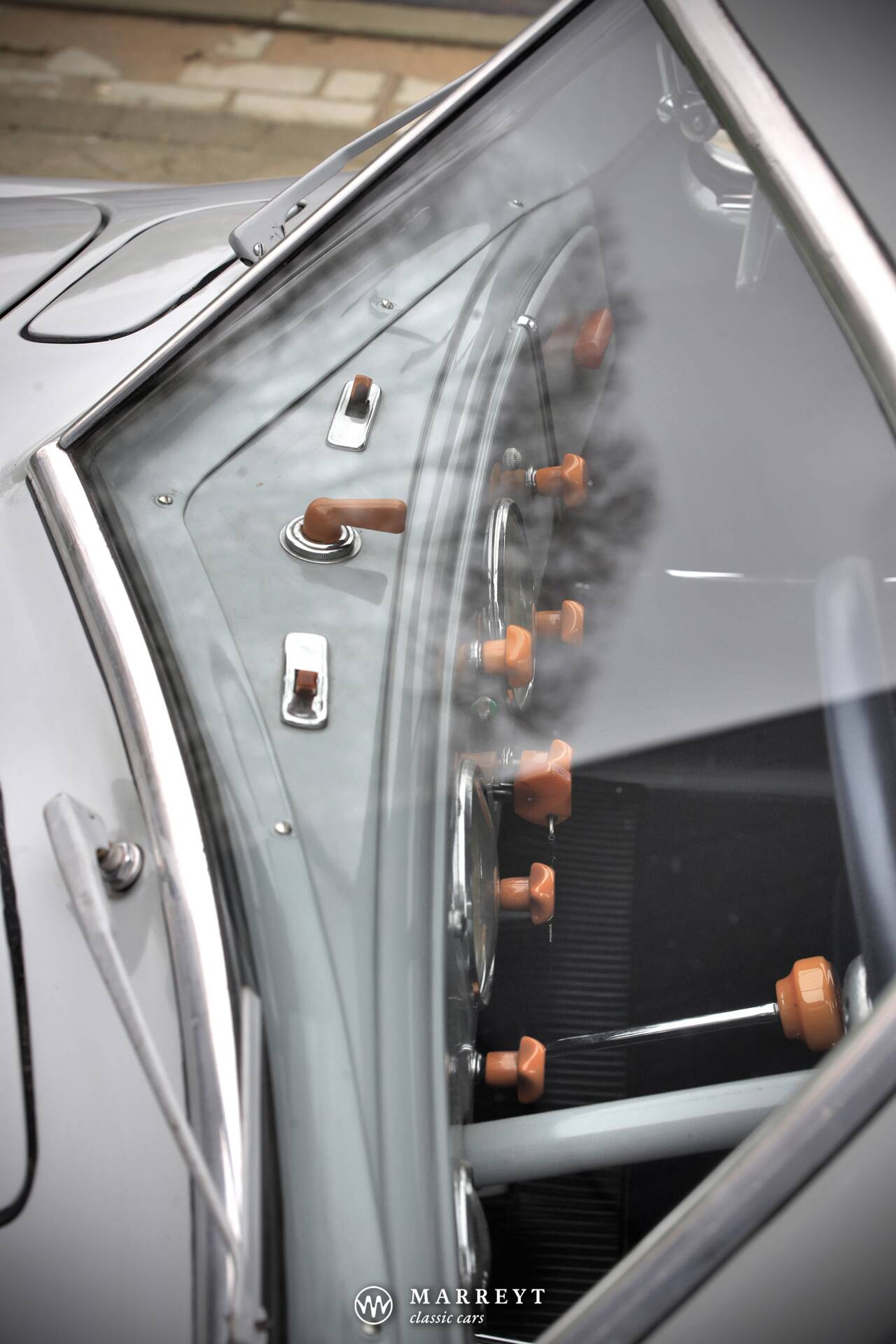
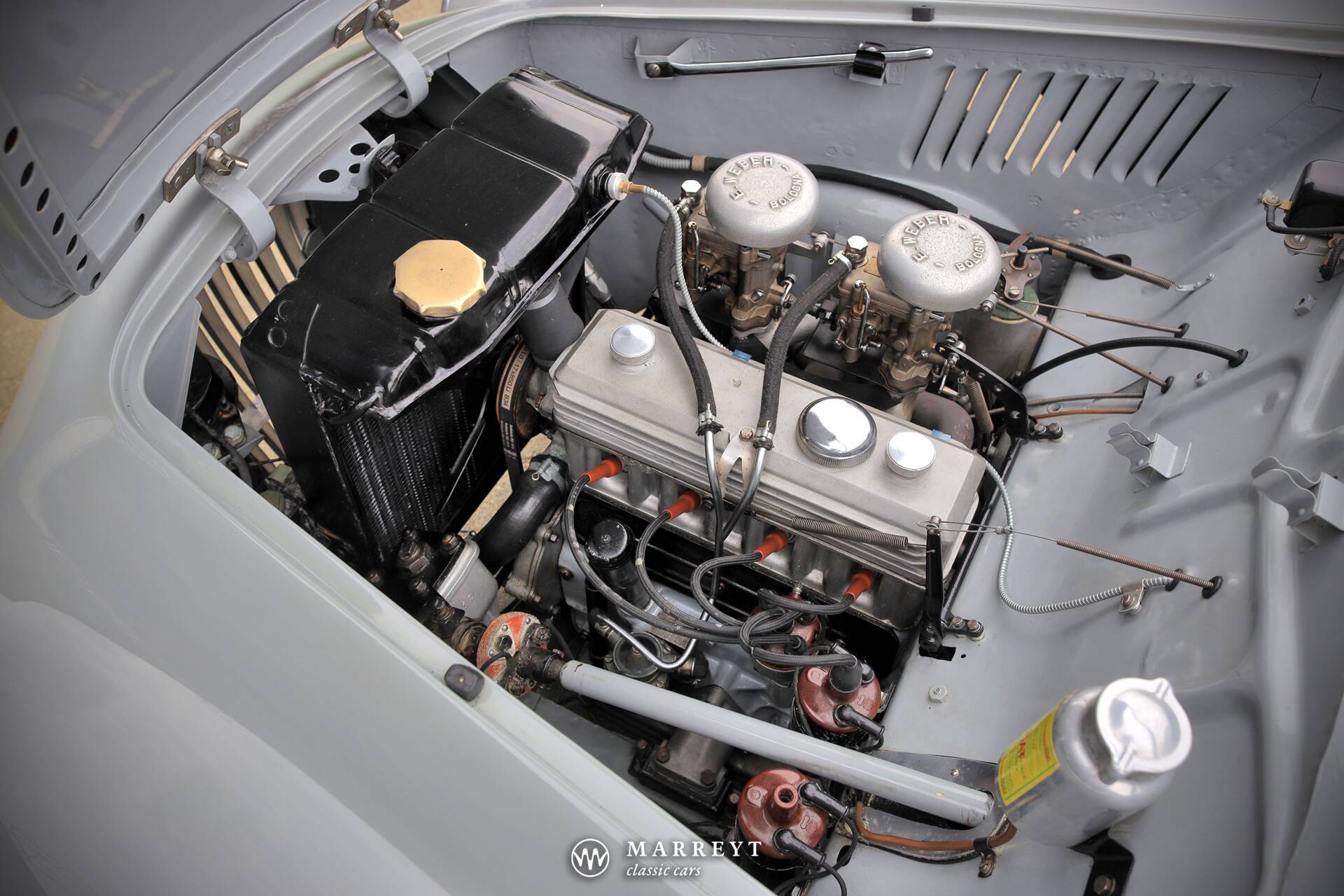
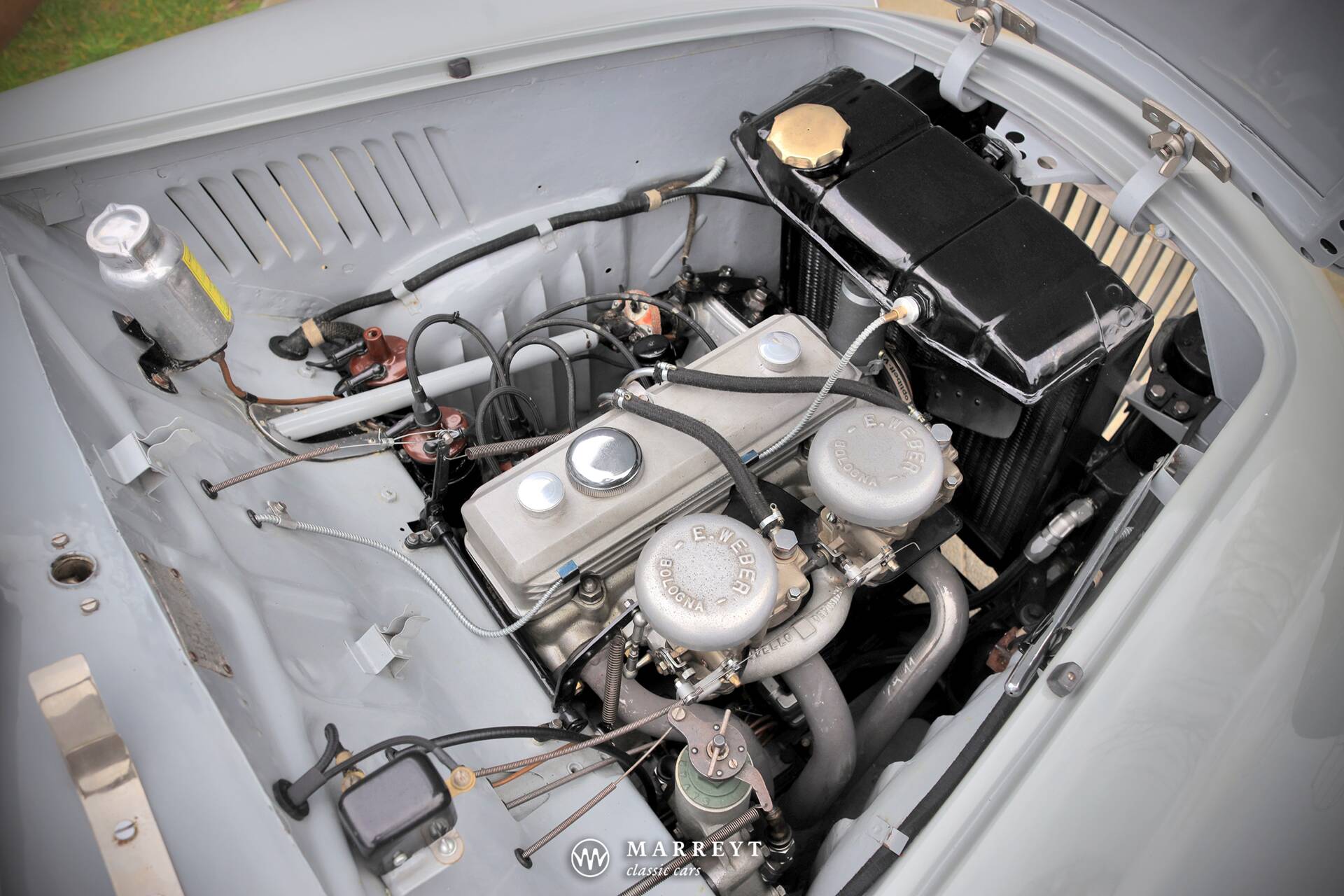
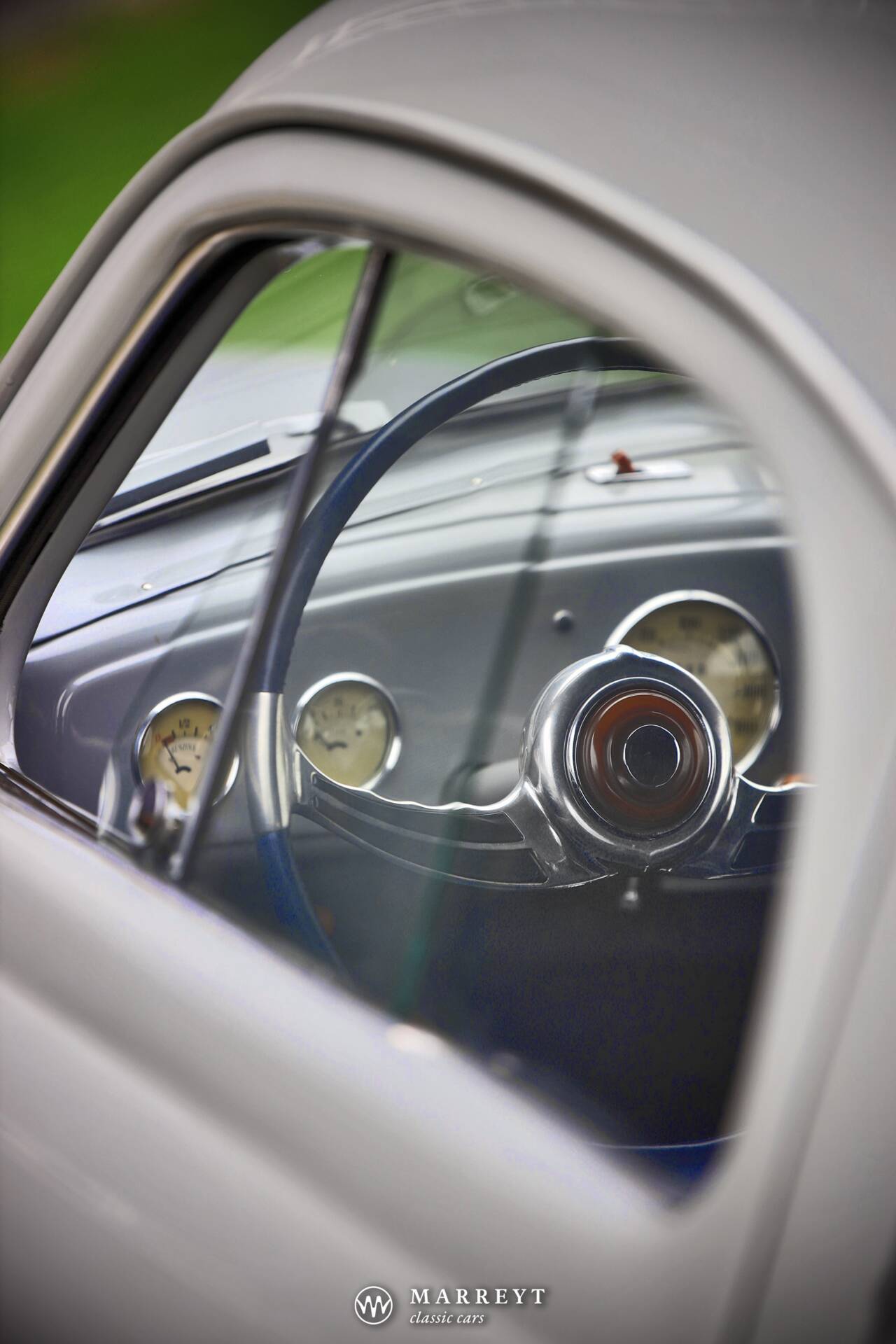
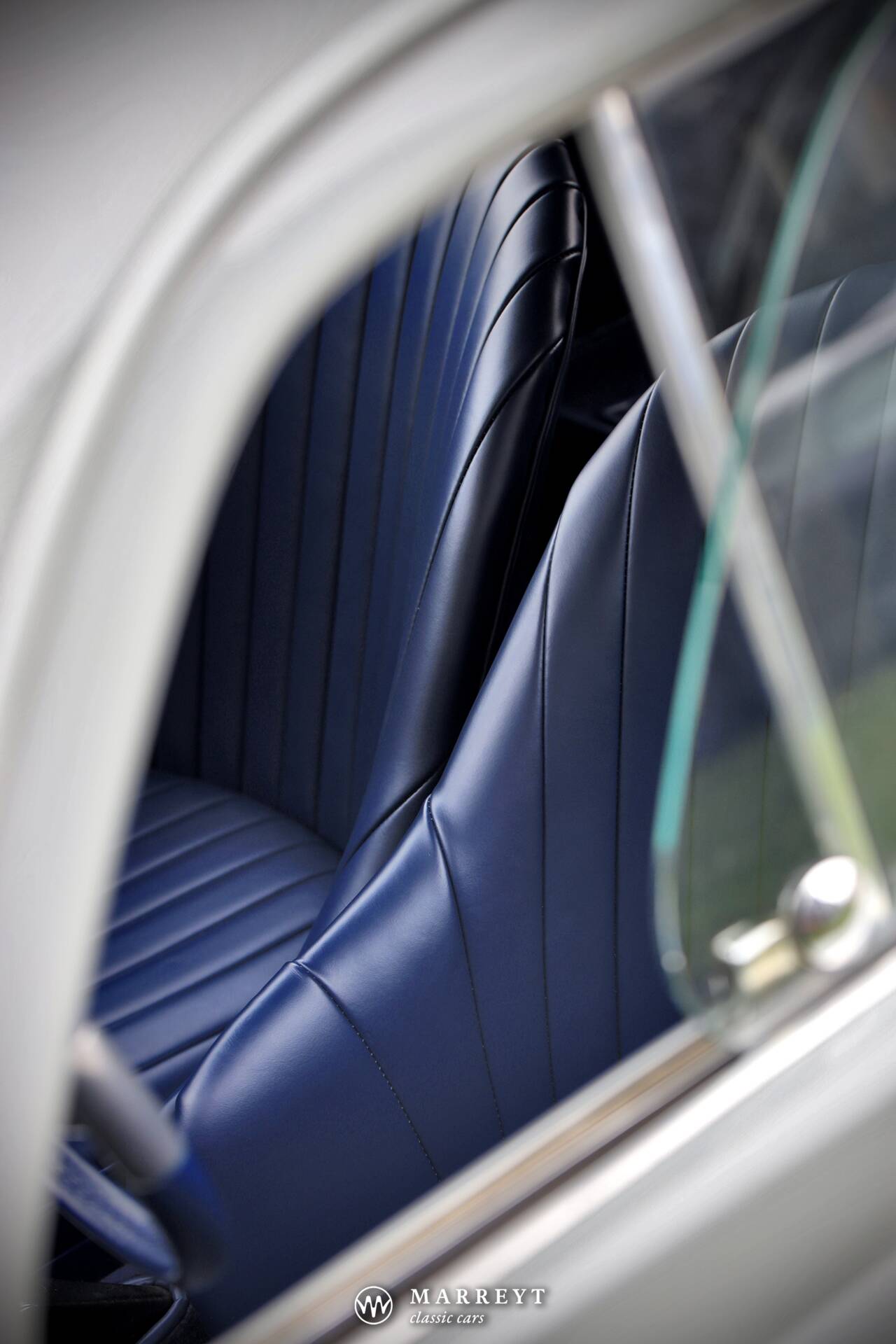
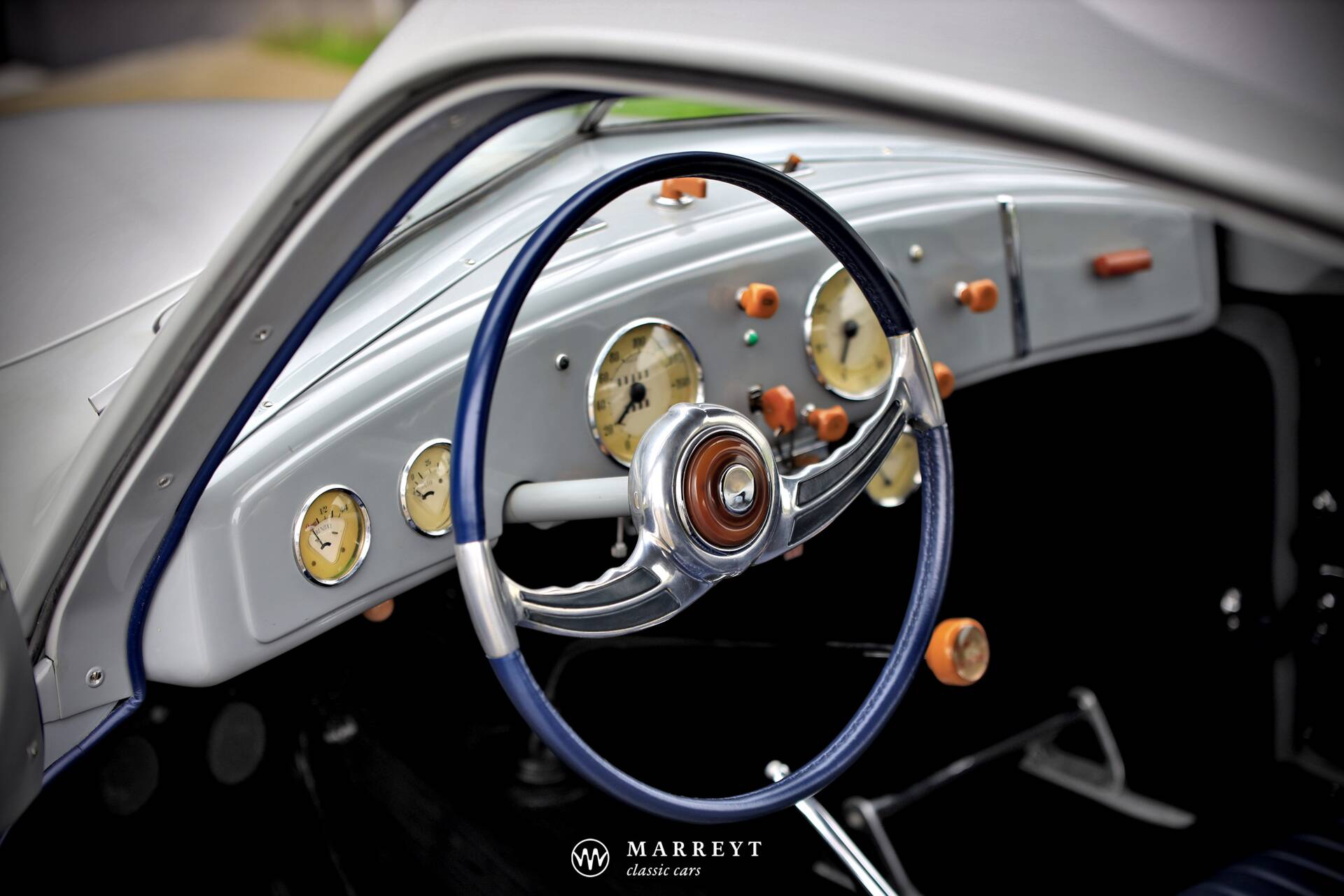
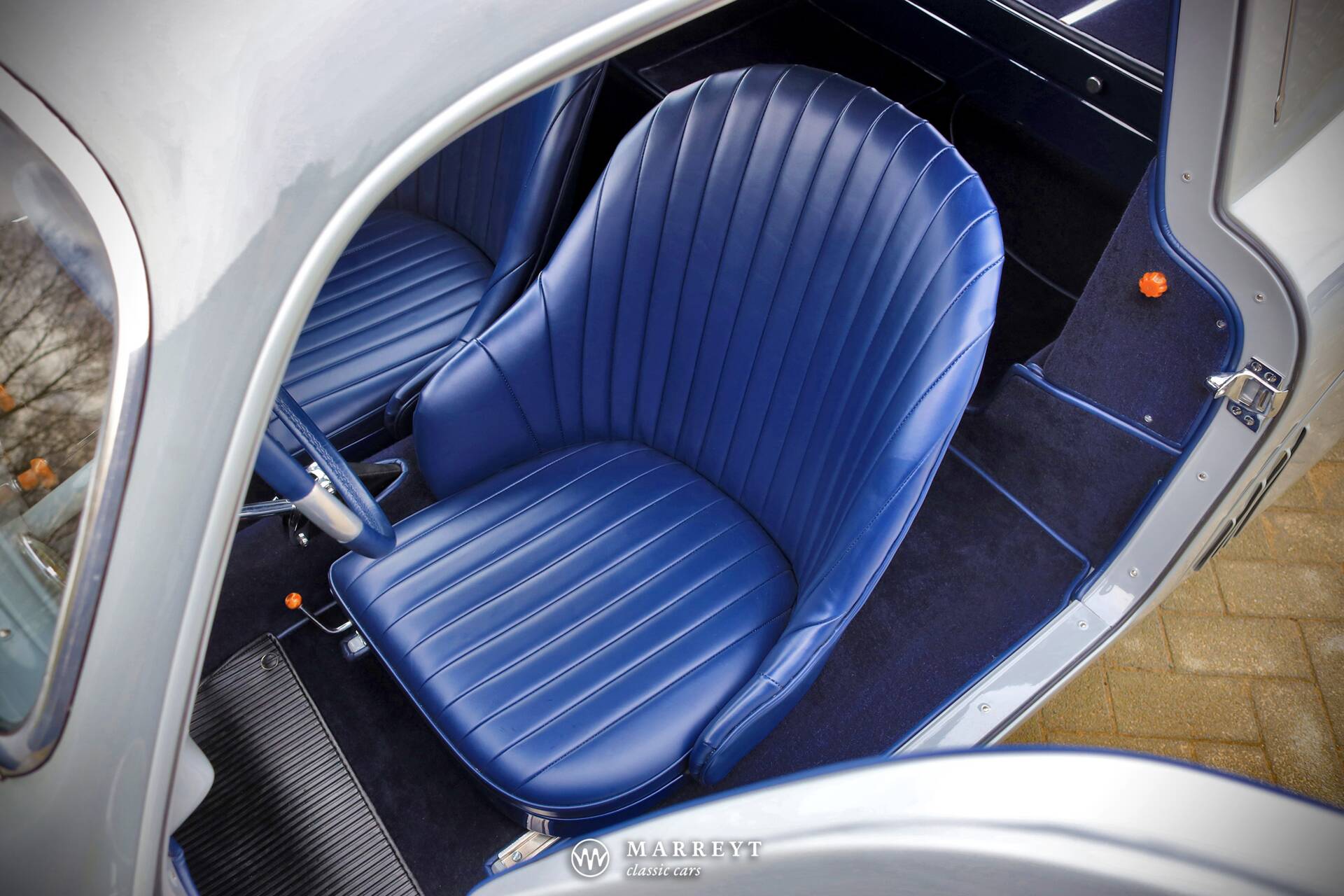
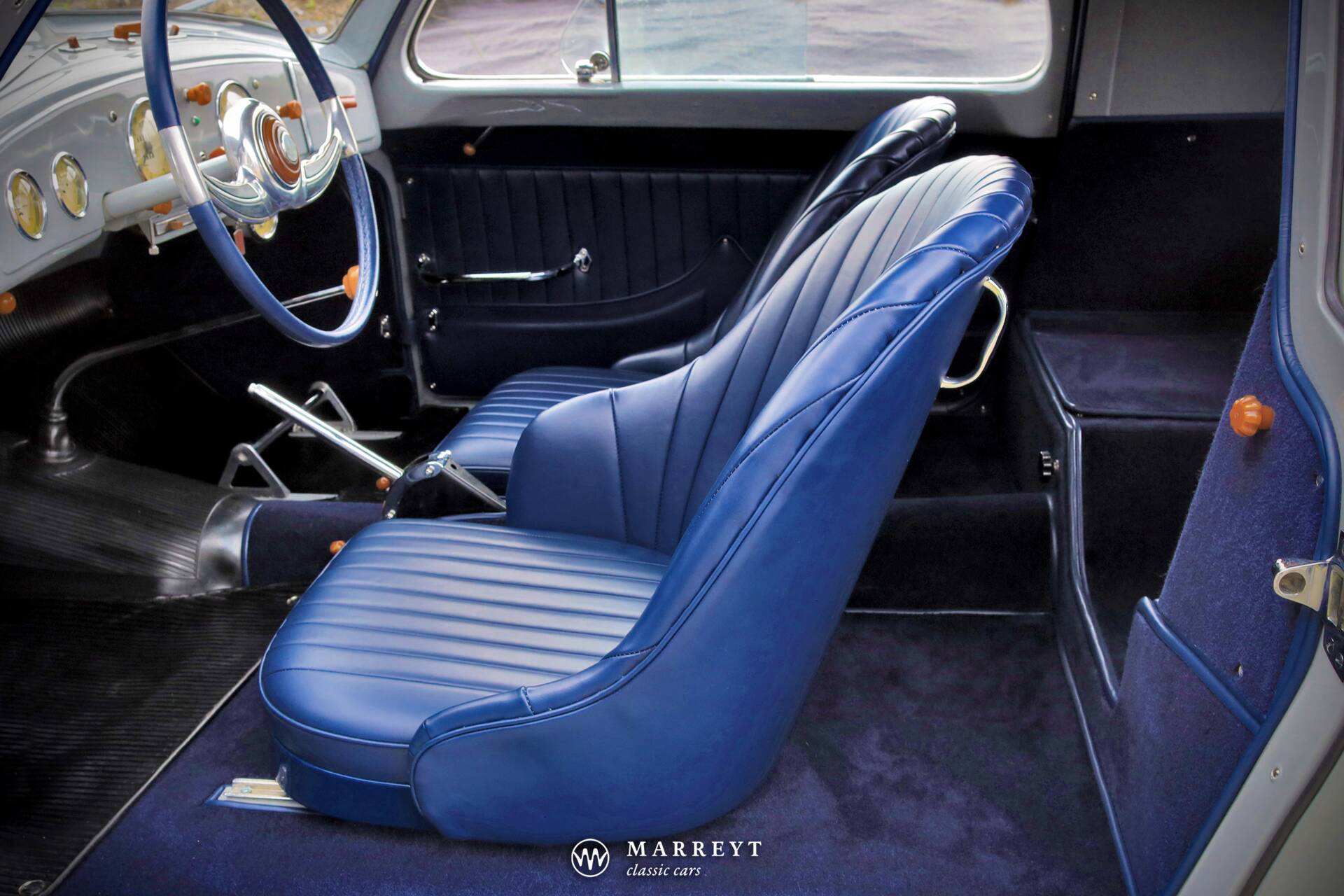
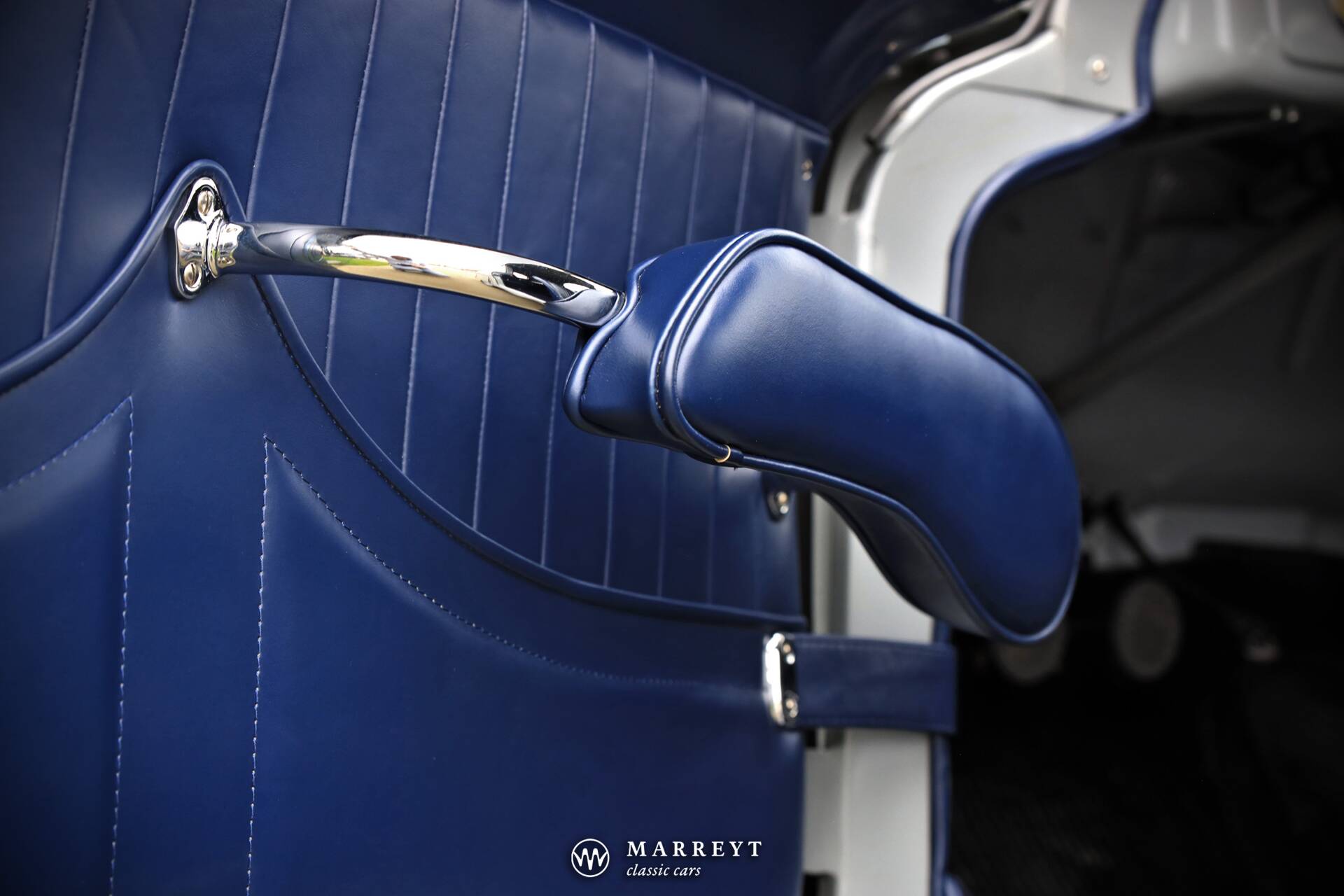
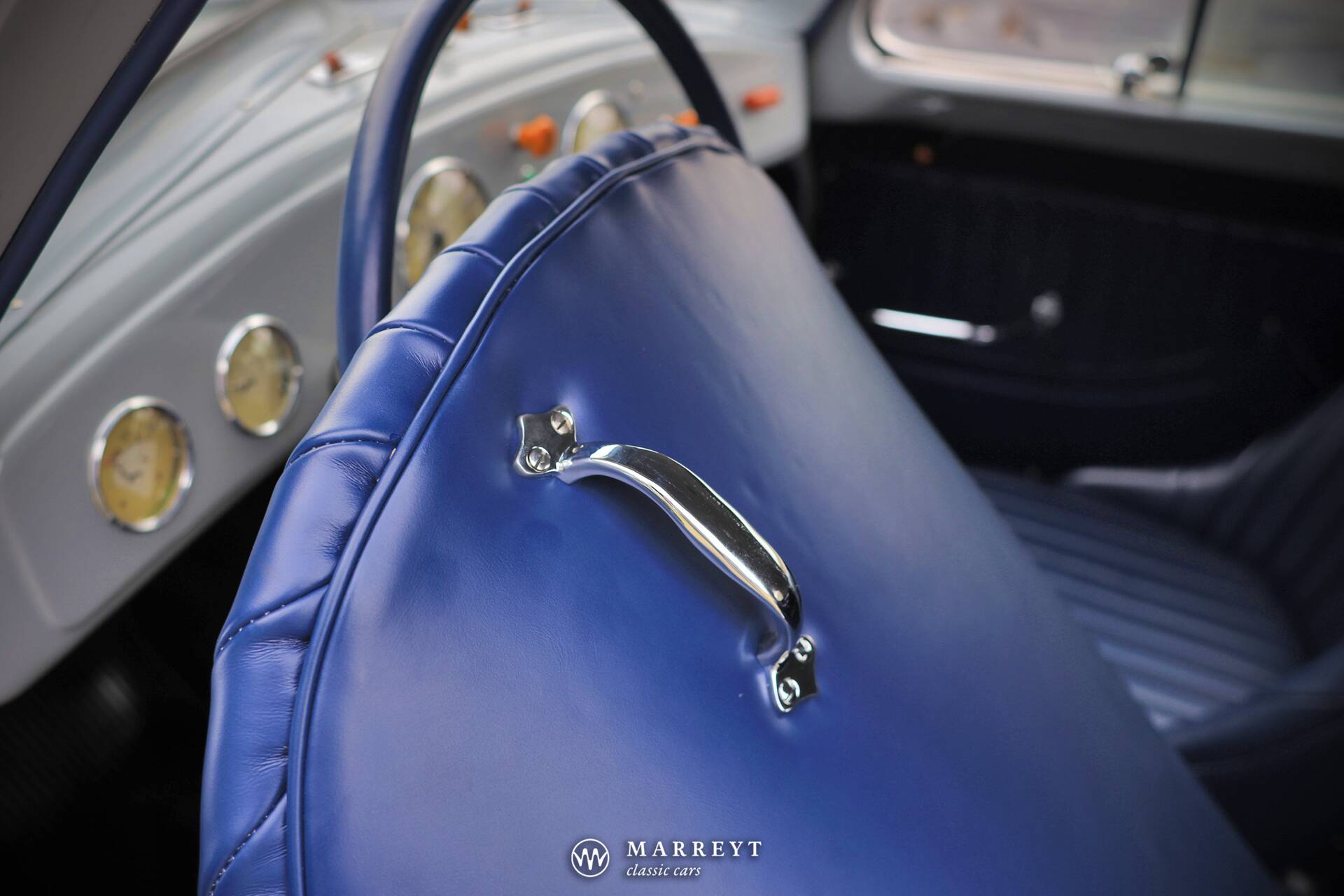
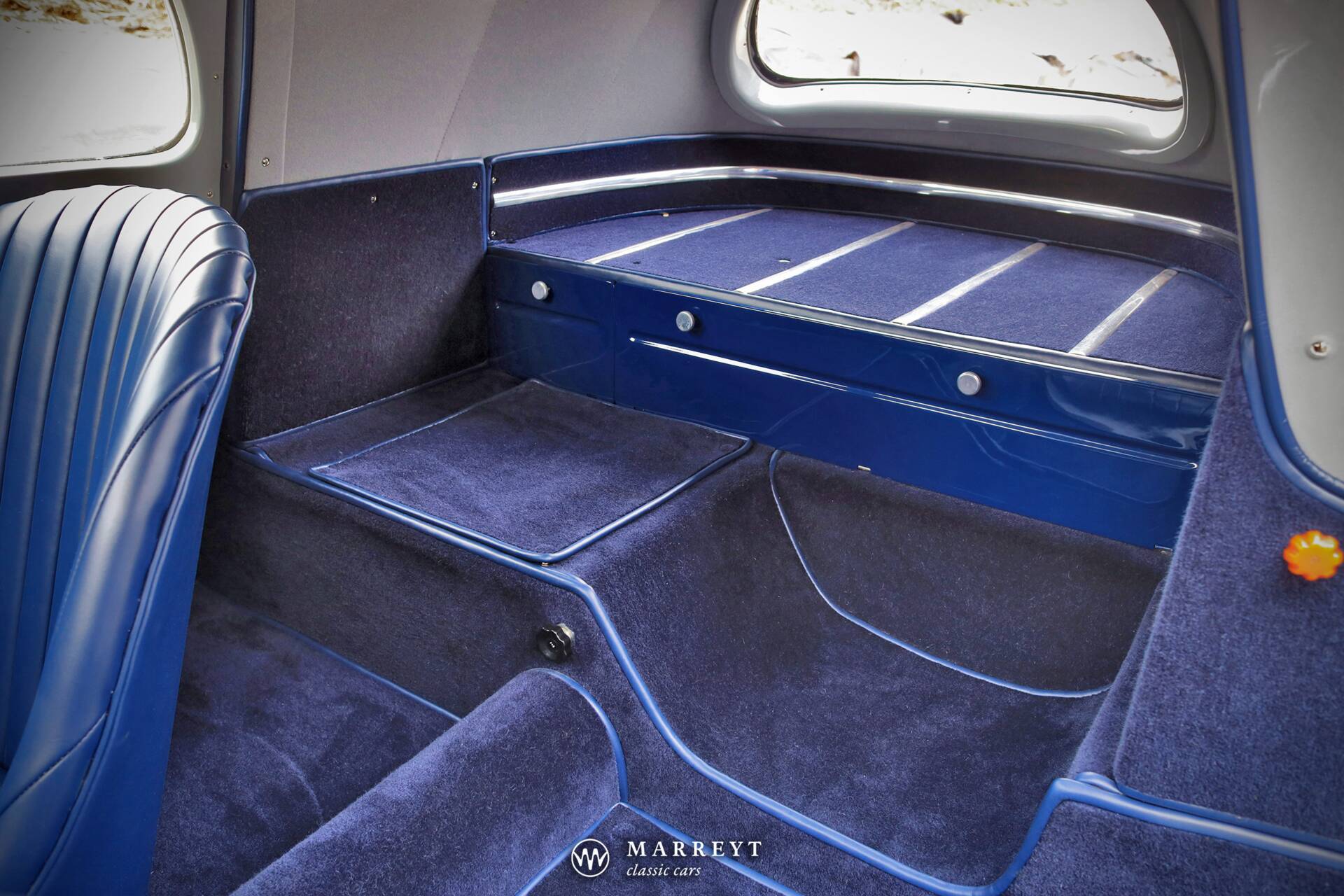
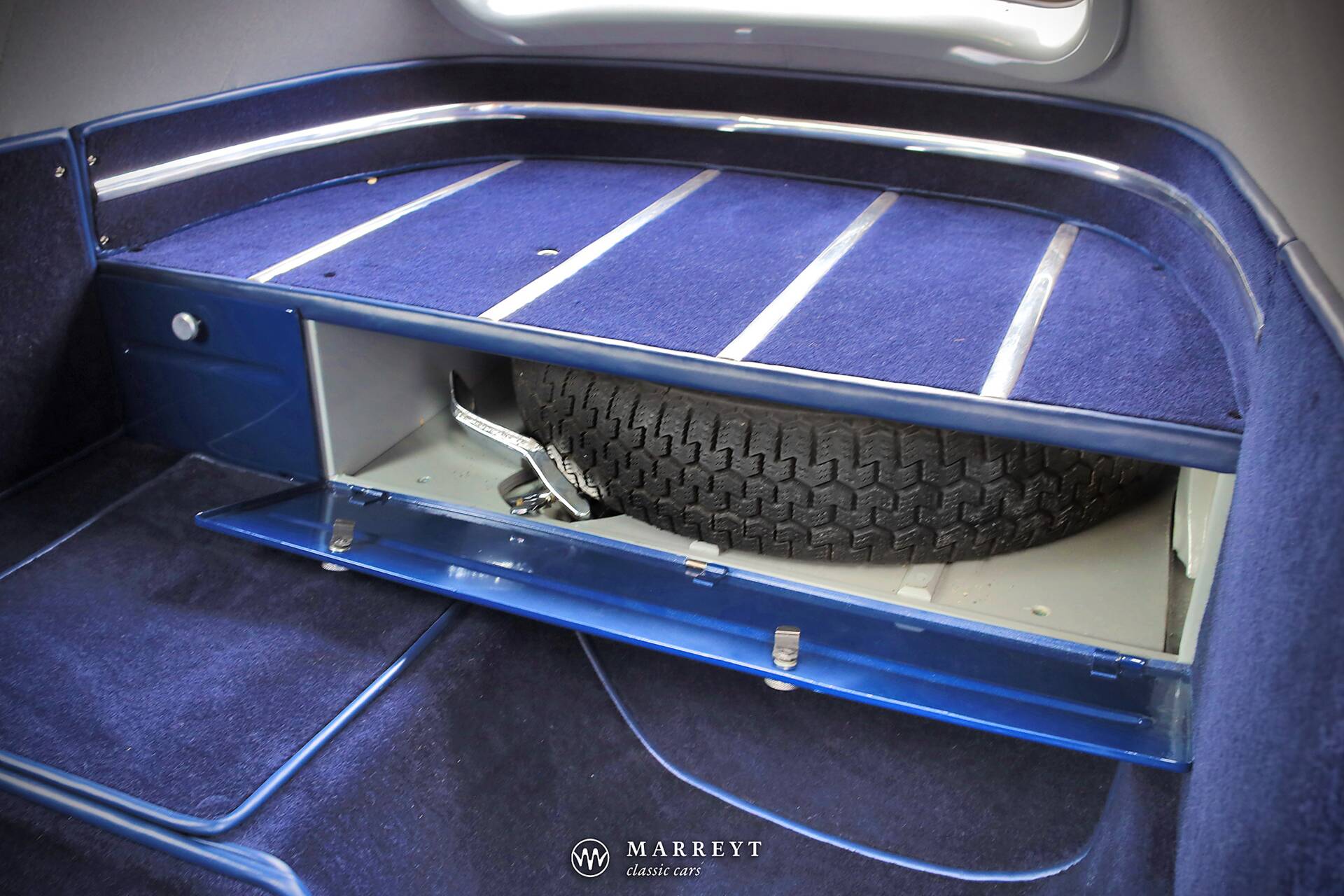
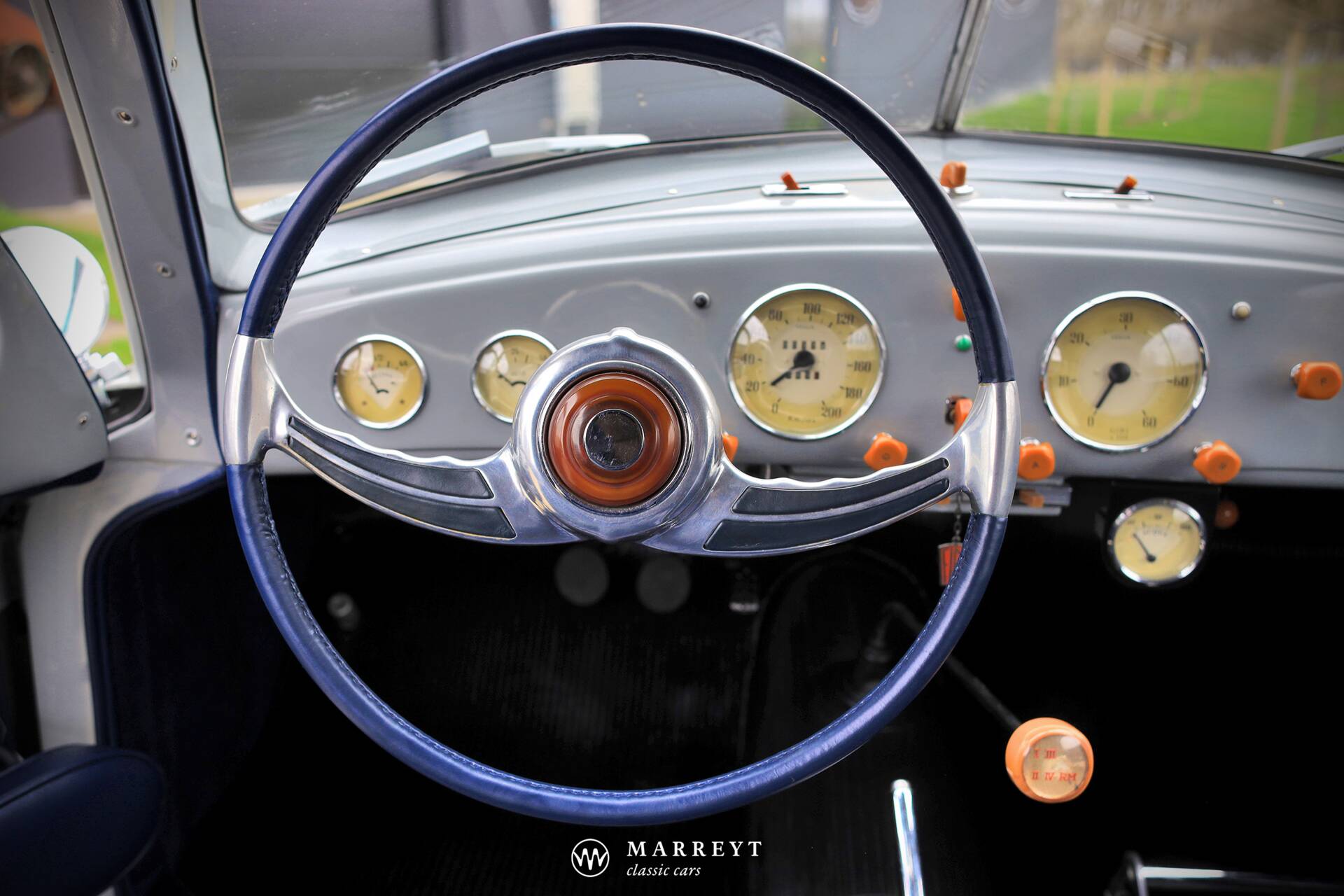
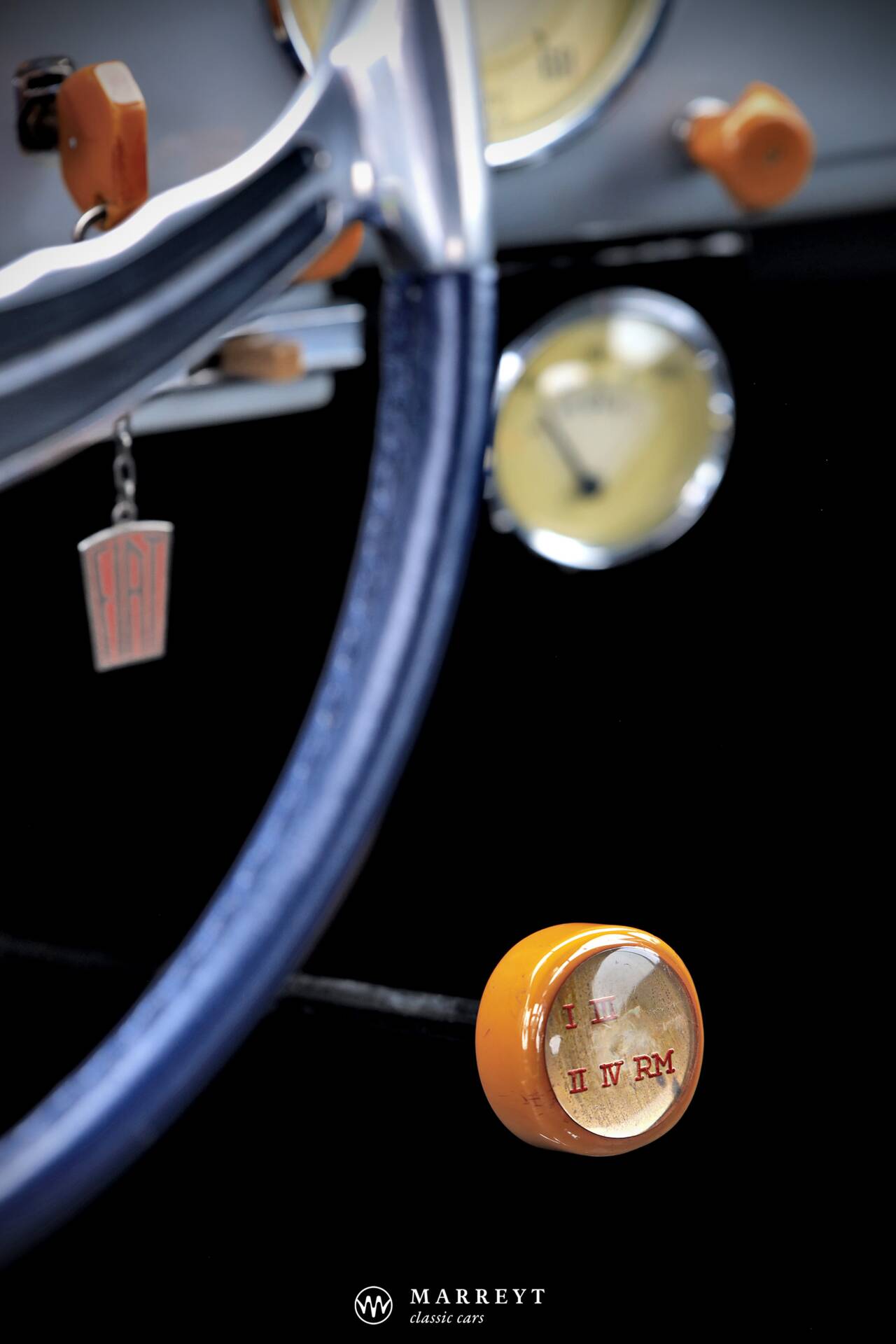
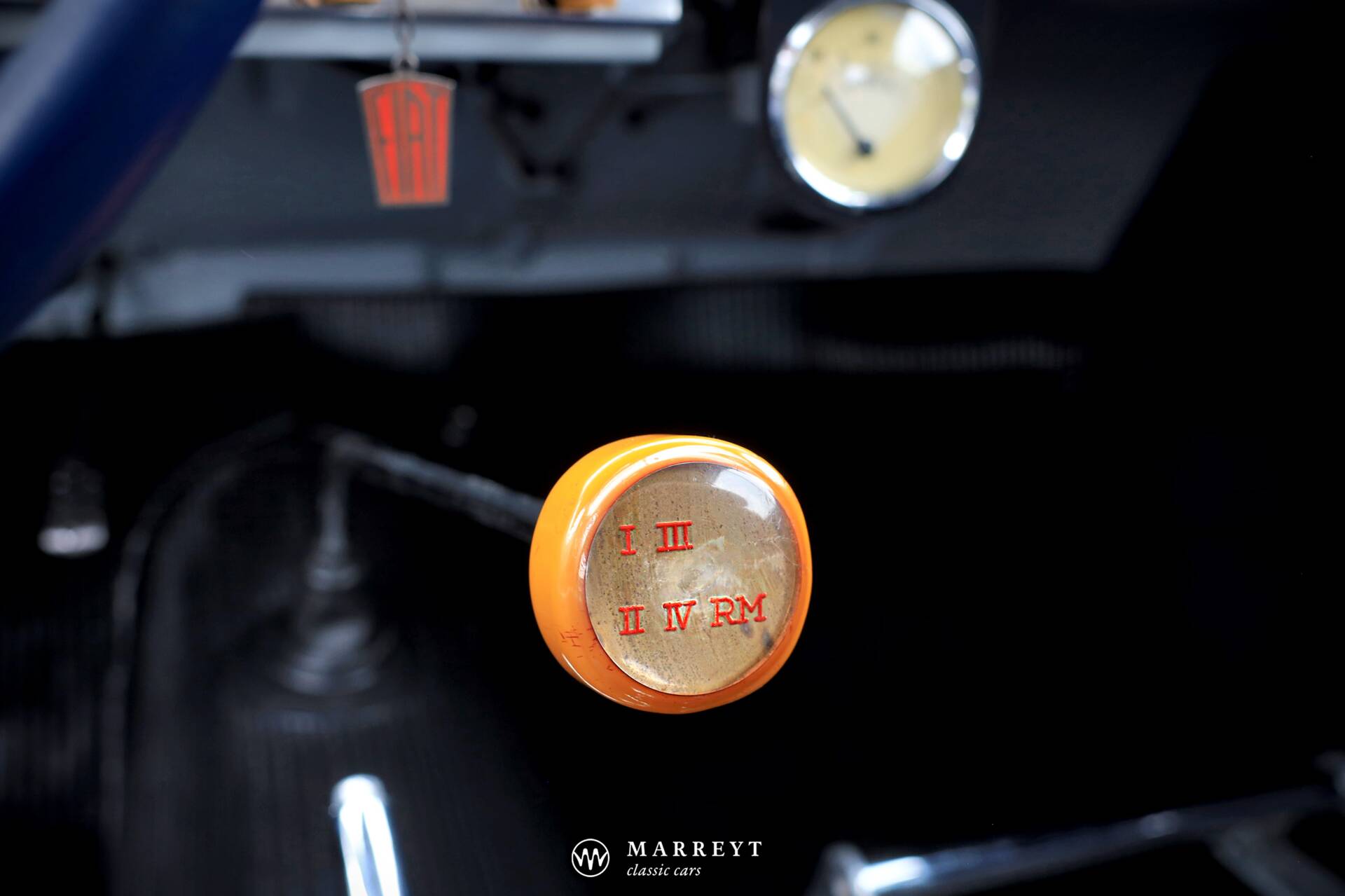
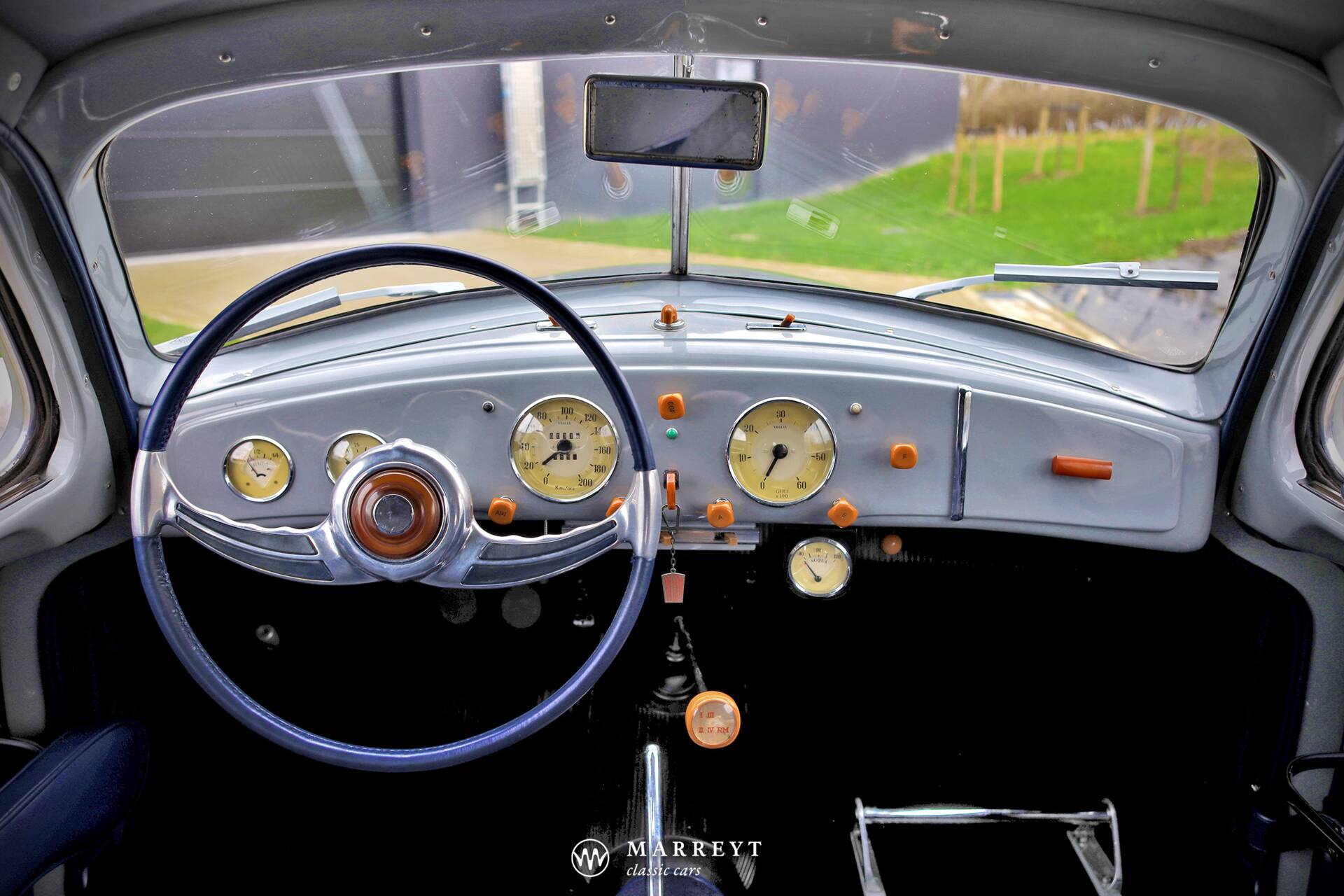
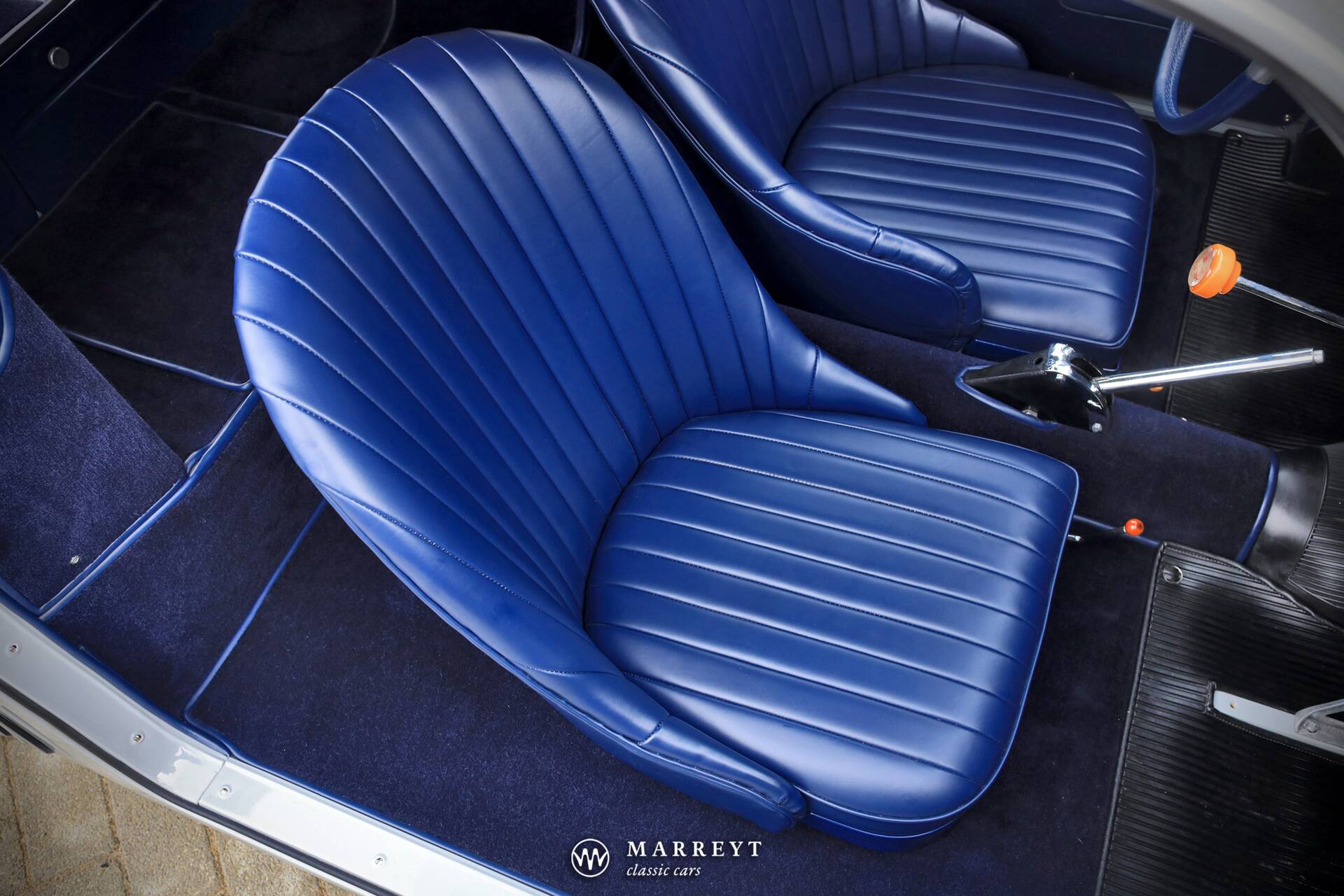
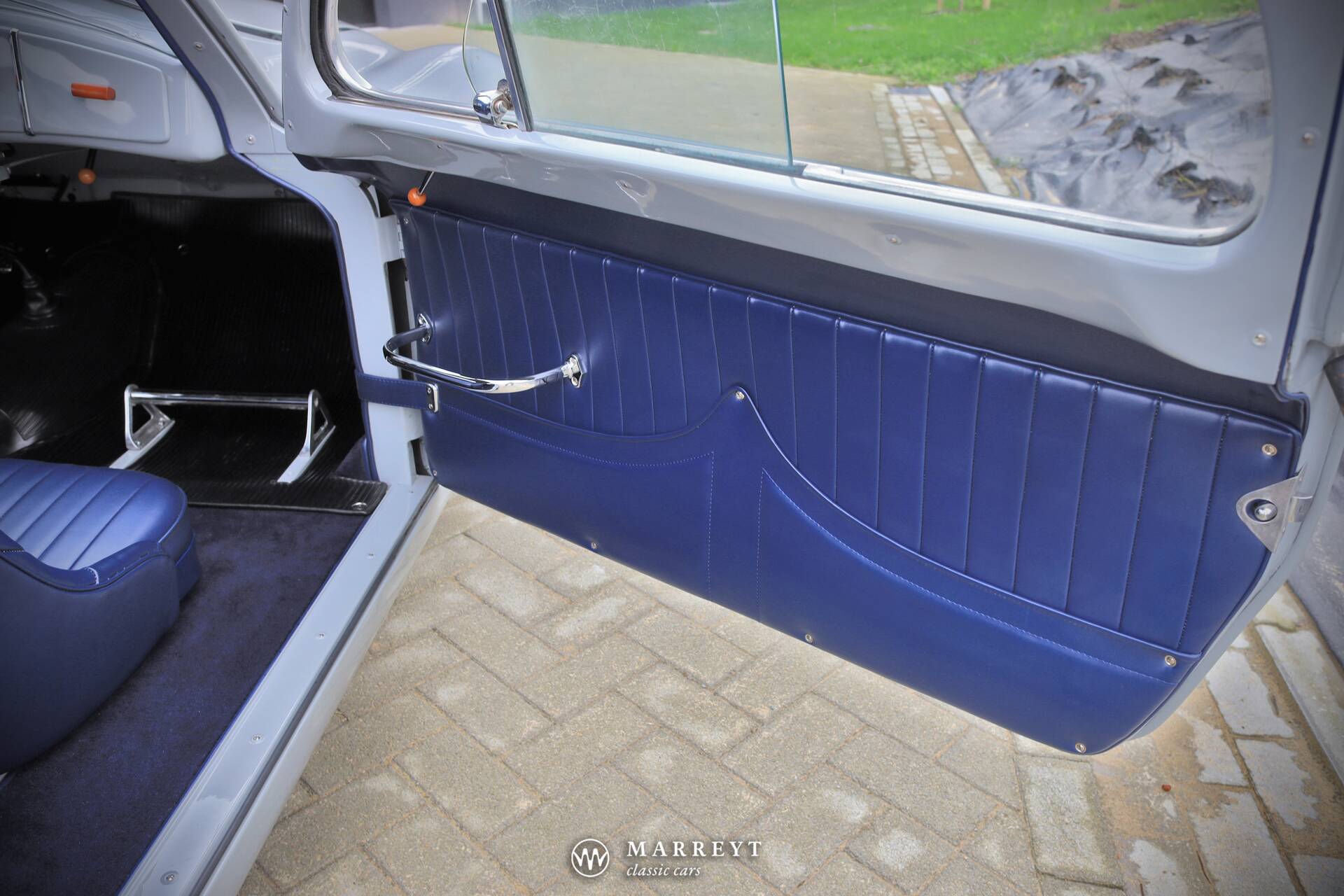
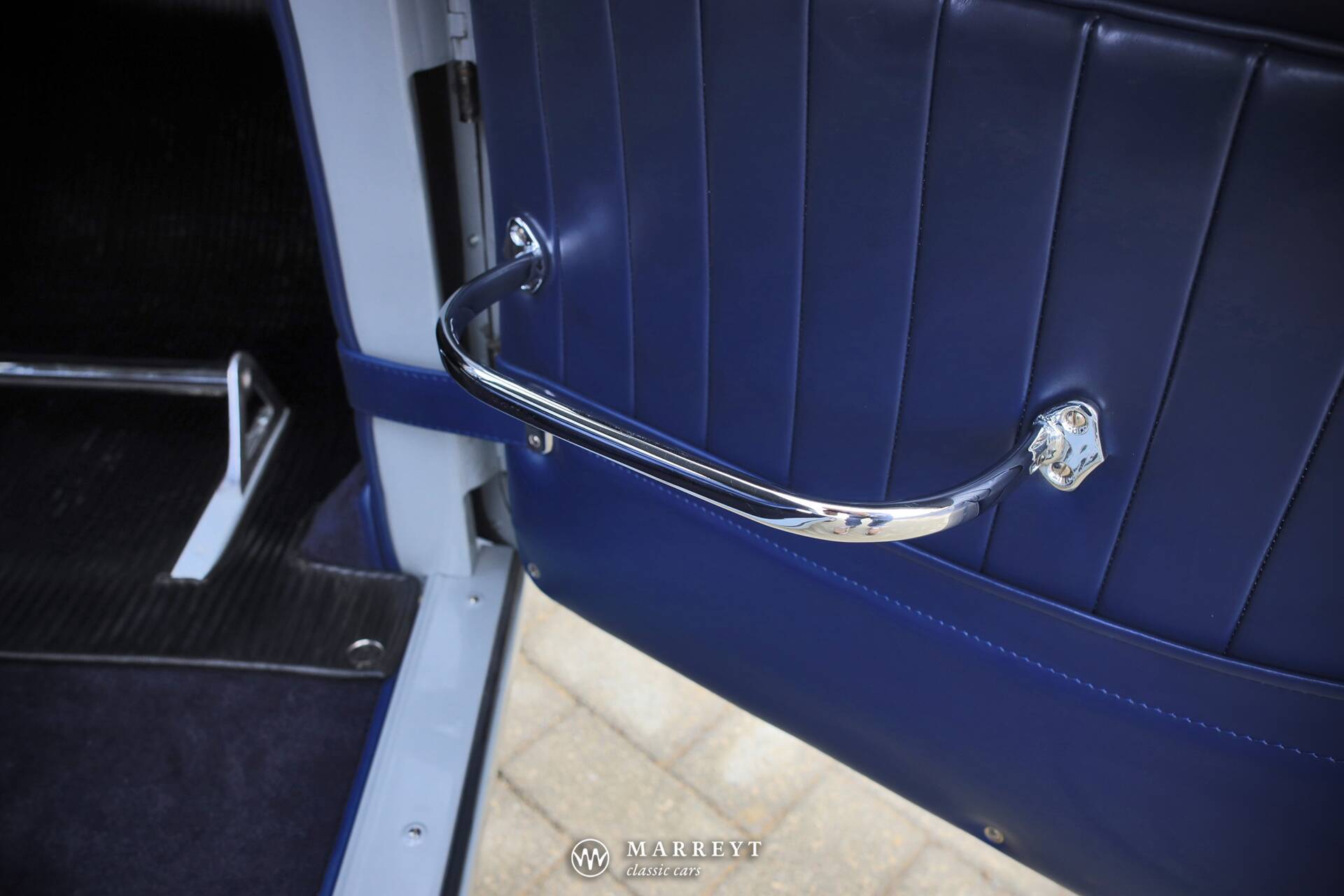
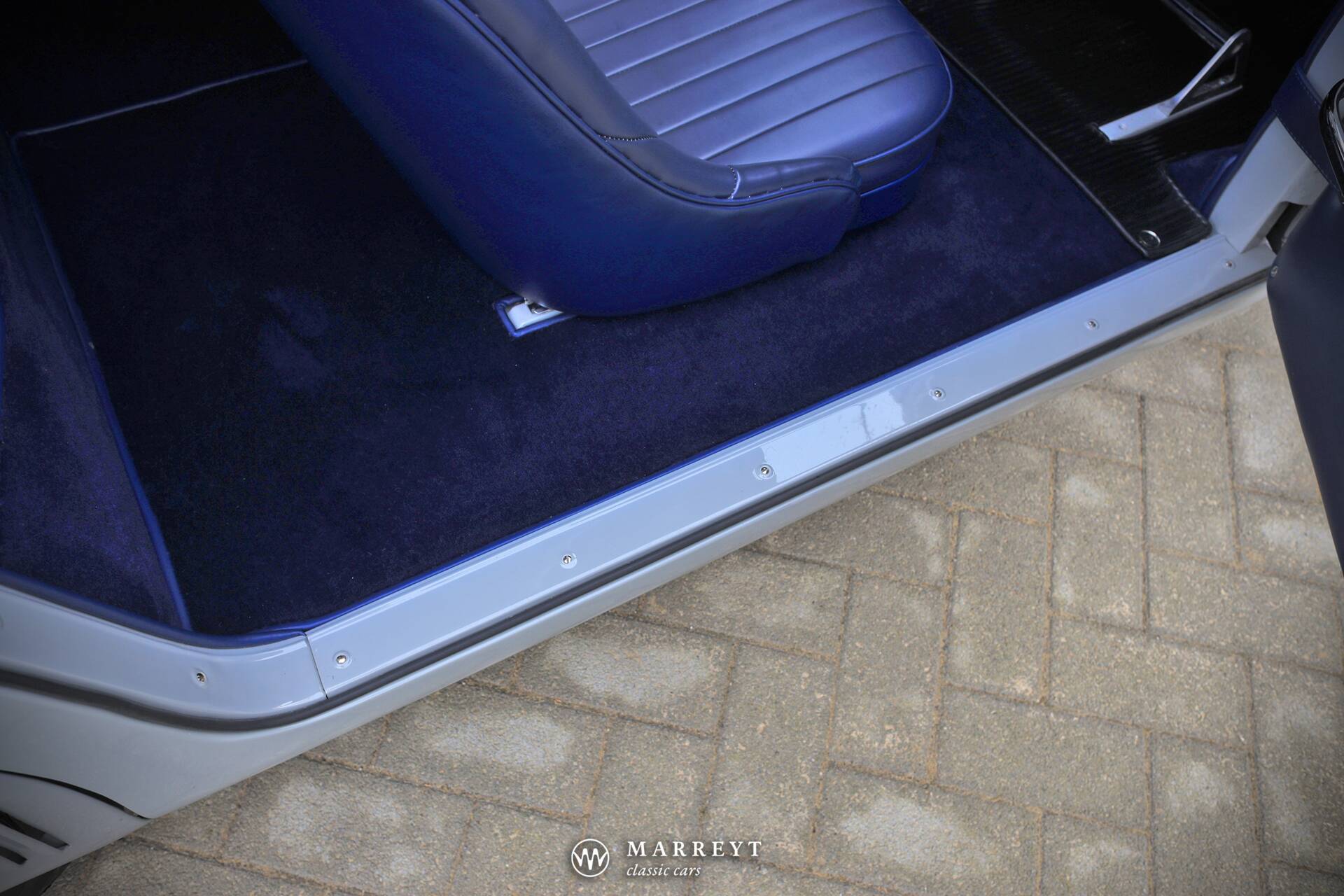
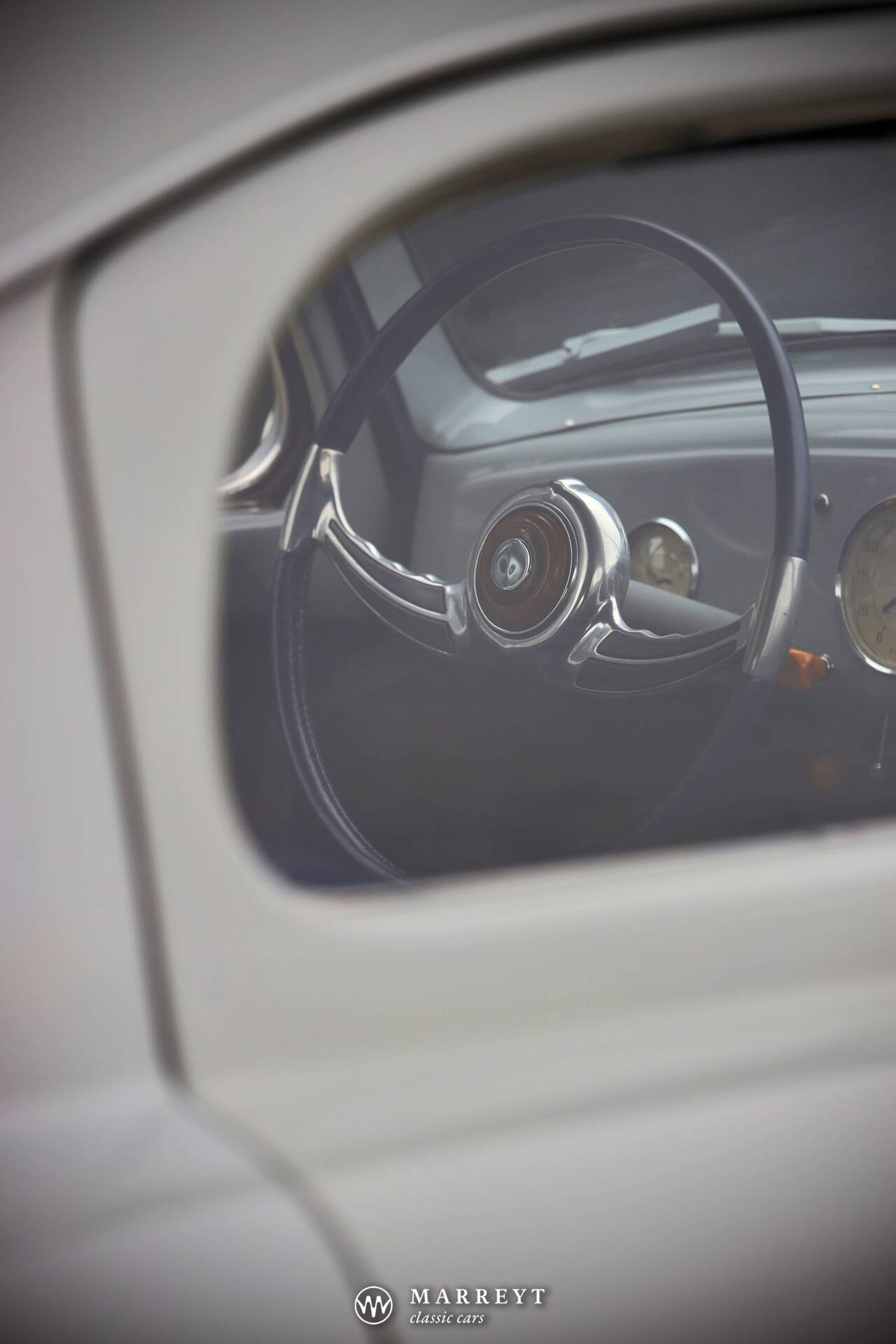
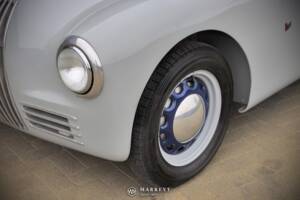
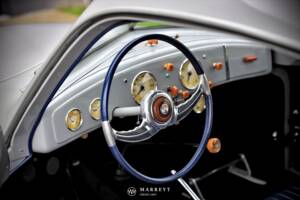
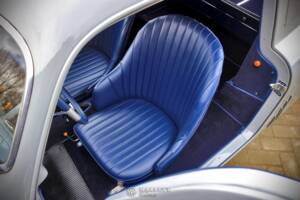
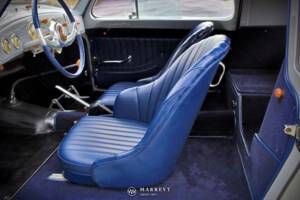
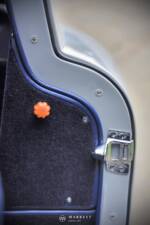
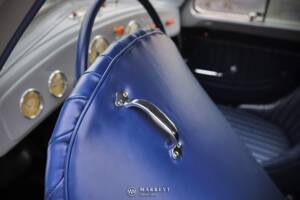
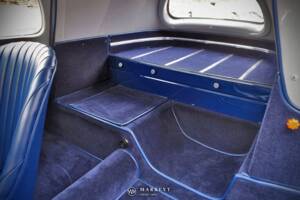
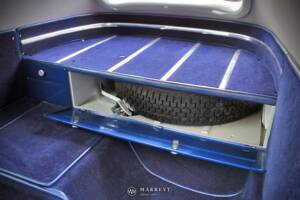
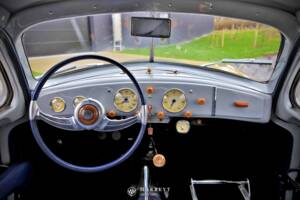
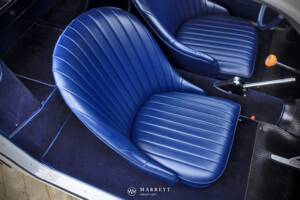
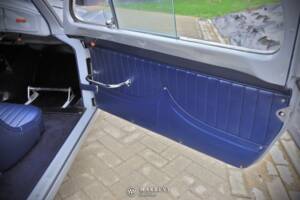
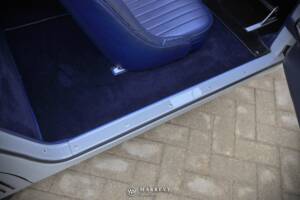
The bodywork was carried out by Giorgio Golfetto of Treviso, a craftsman associated with Cognolato and renowned for his artisanal aluminum work. Paint and final assembly were completed by Faralli Restauri (Vico Pisano), where precision and finish are paramount. Engine and mechanical components were rebuilt by Jolly Car (Fucecchio), specialists in historic competition cars with deep expertise in post-war Fiat engineering. The interior was entrusted to Paperino Autotappezzerie (Poggibonsi), executed with careful attention to materials and original detailing.
Dividing the restoration by discipline ensured a result that is not merely aesthetically convincing but mechanically coherent — undertaken with knowledge and integrity, without shortcuts.
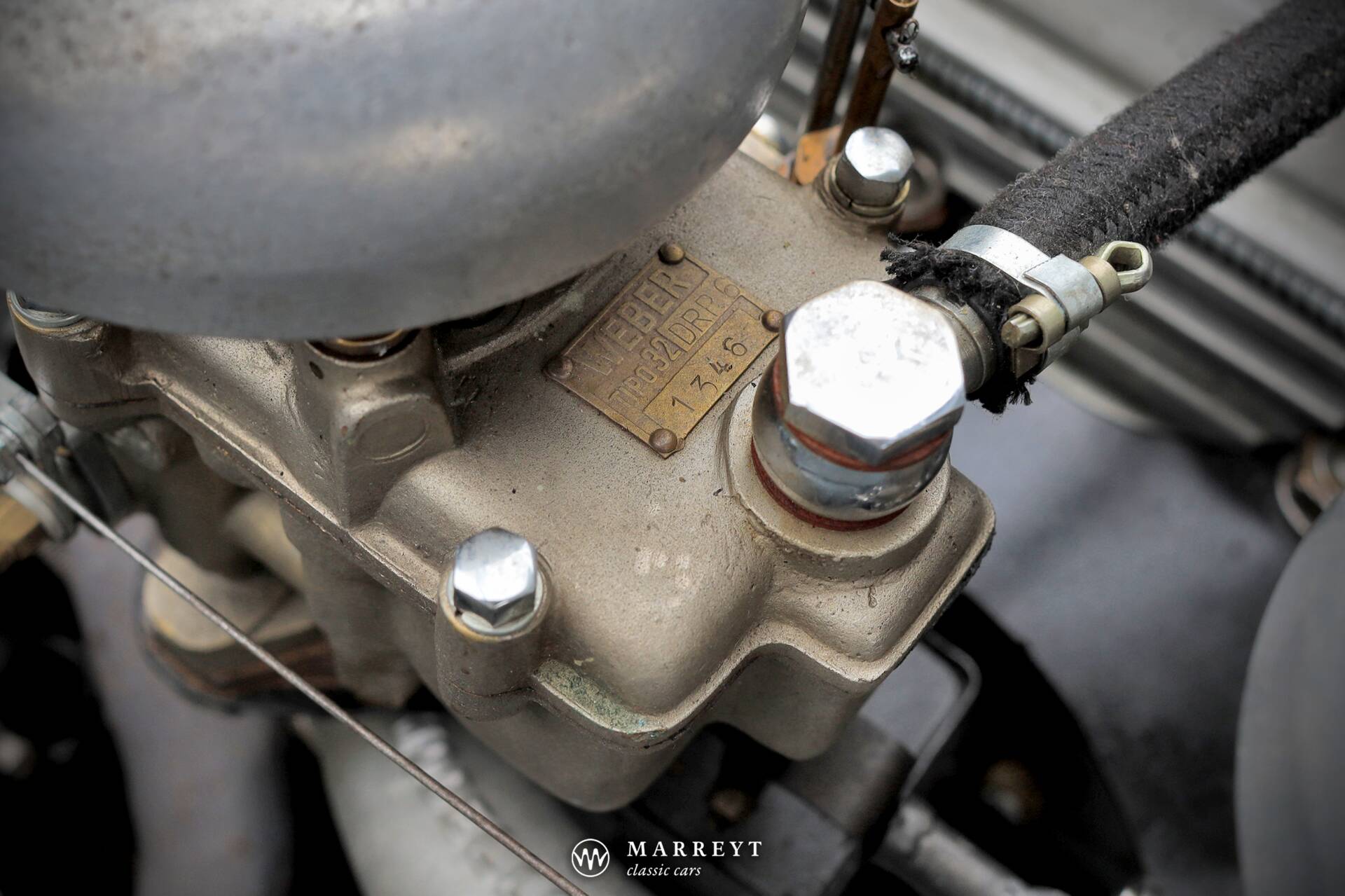
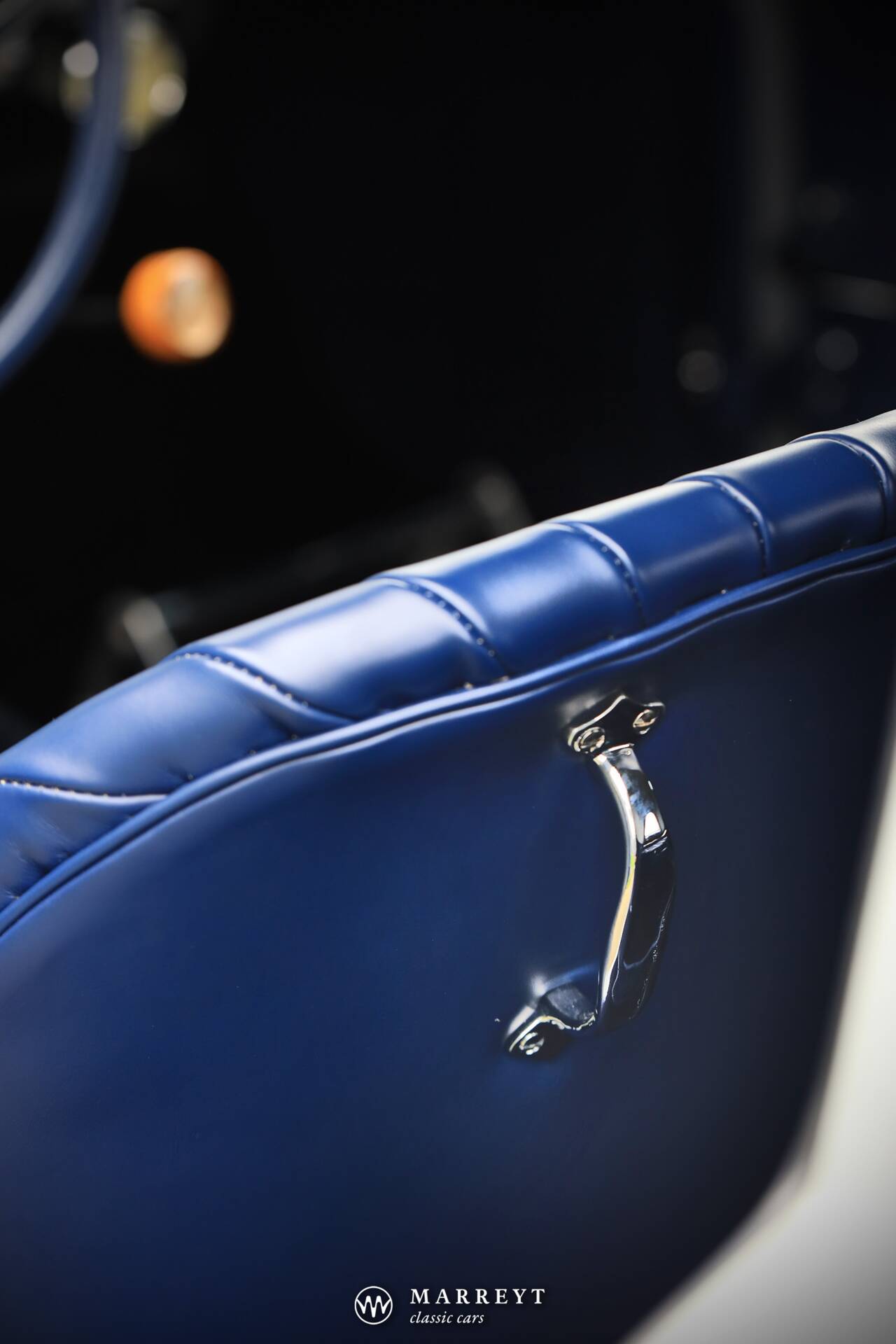
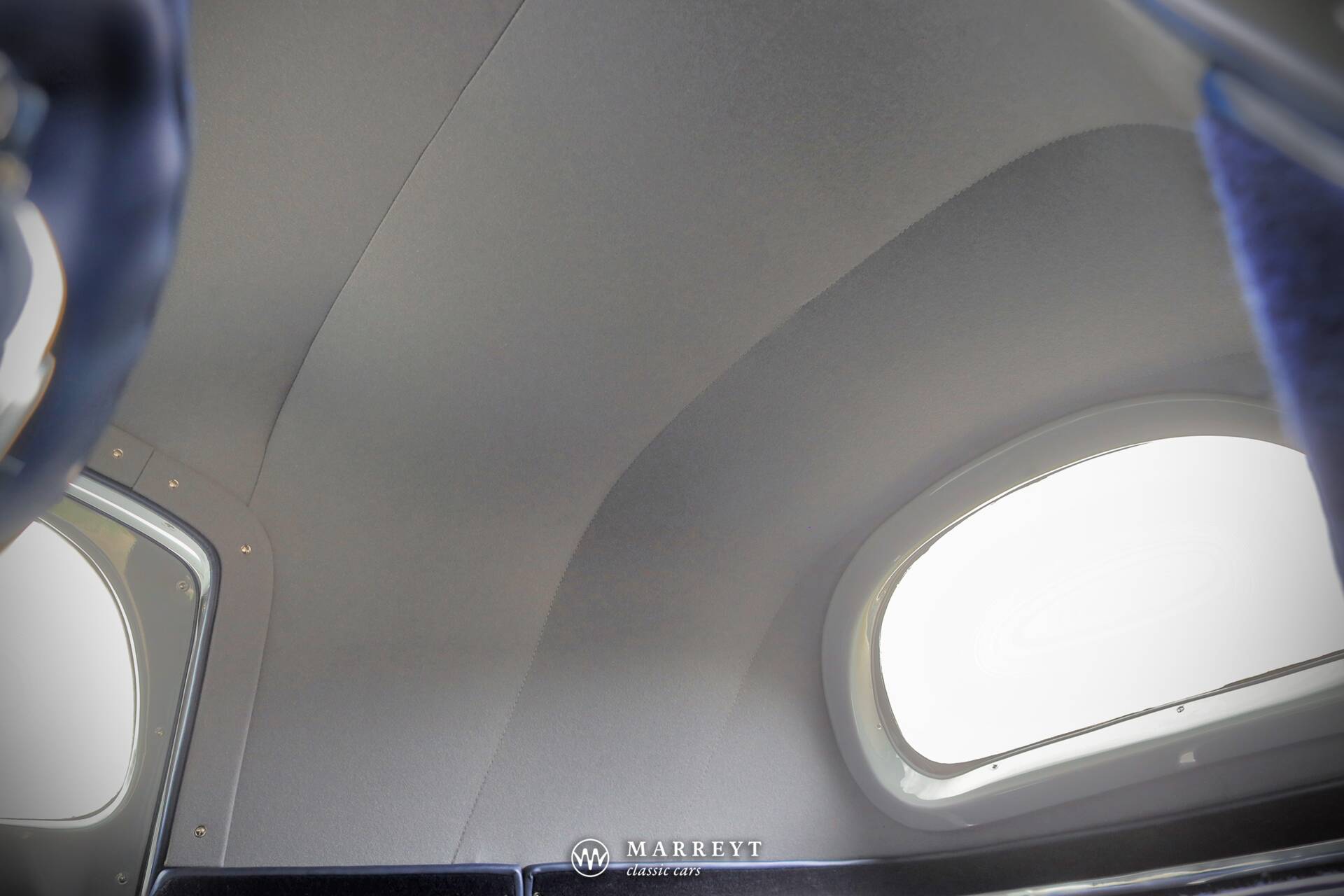
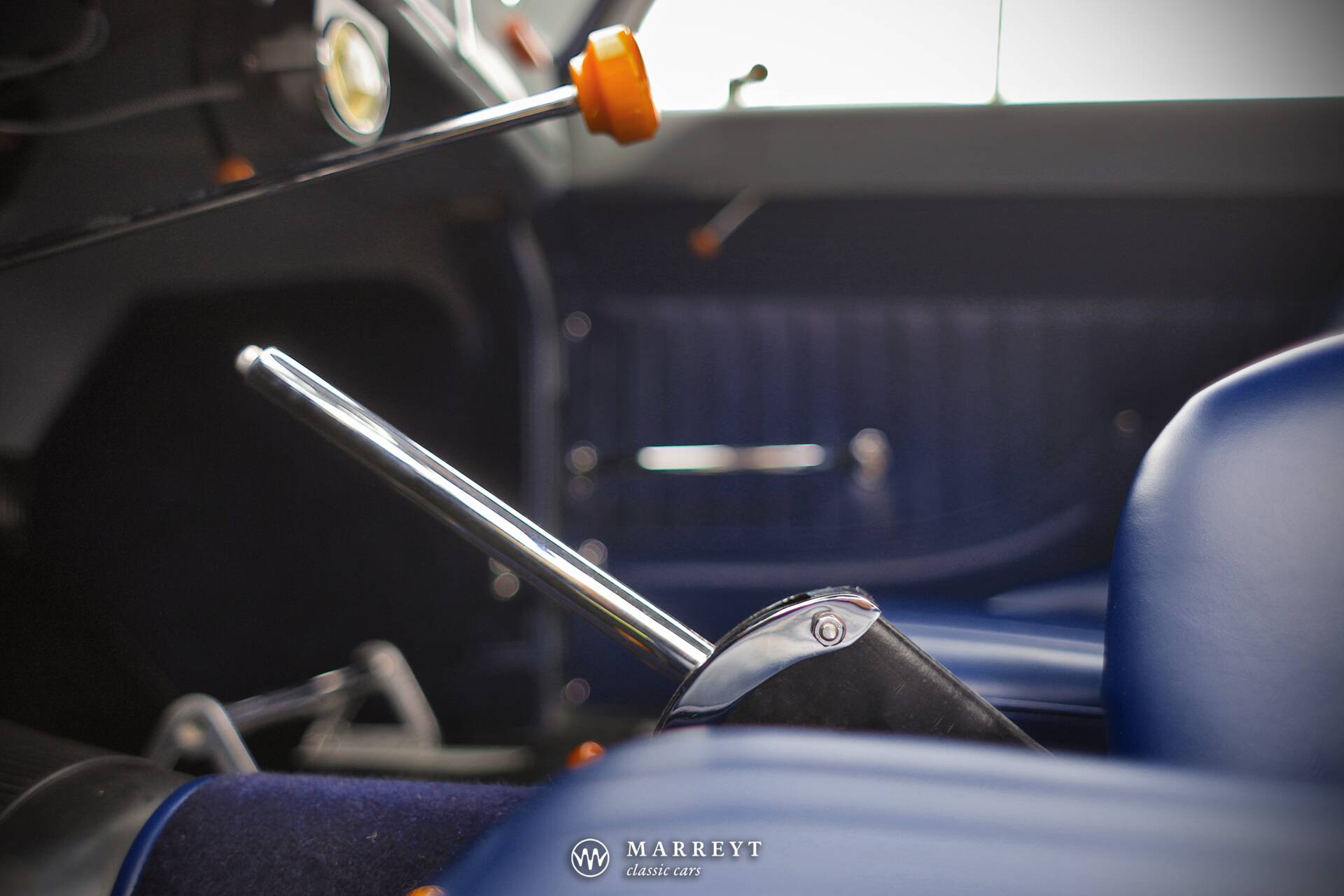
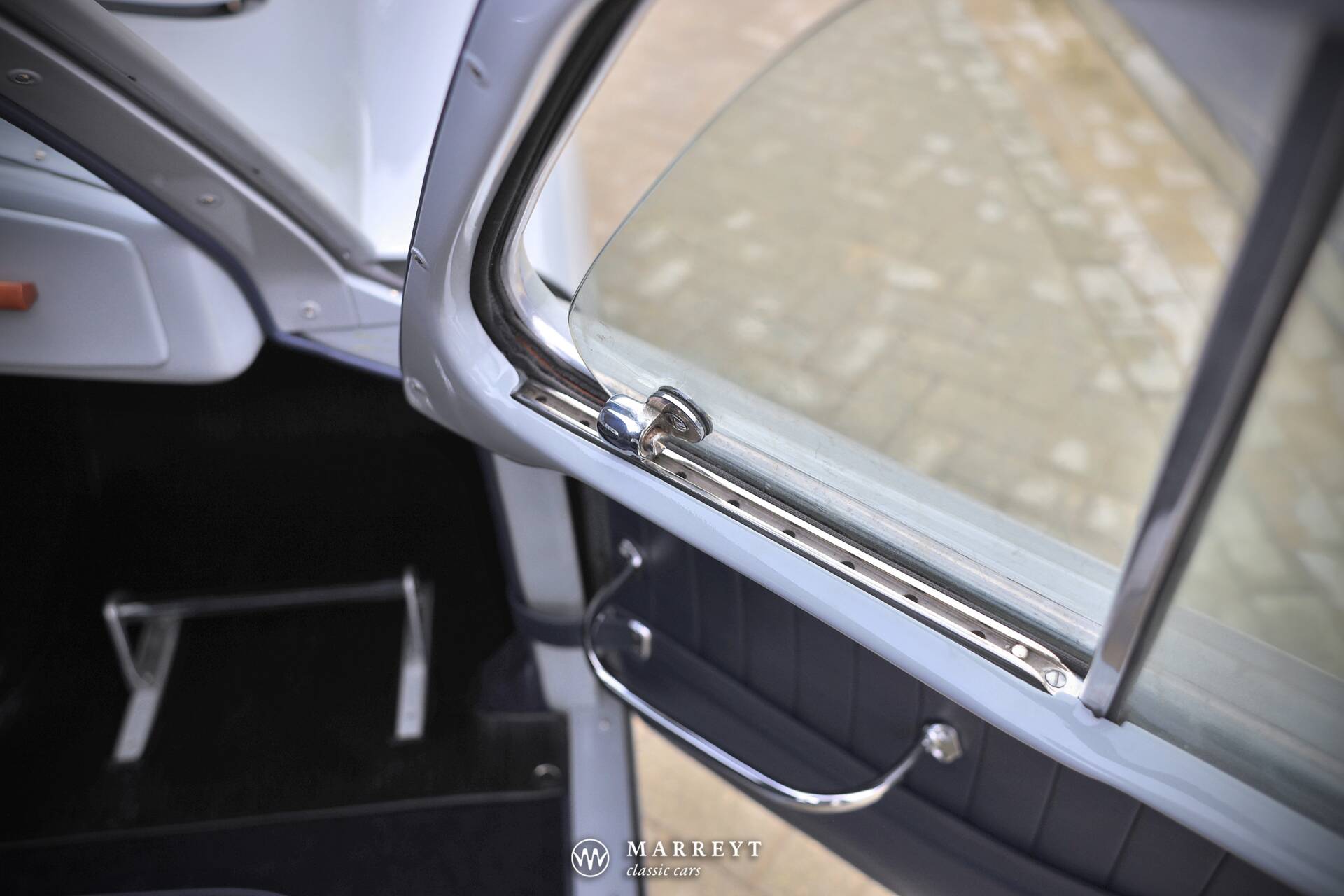
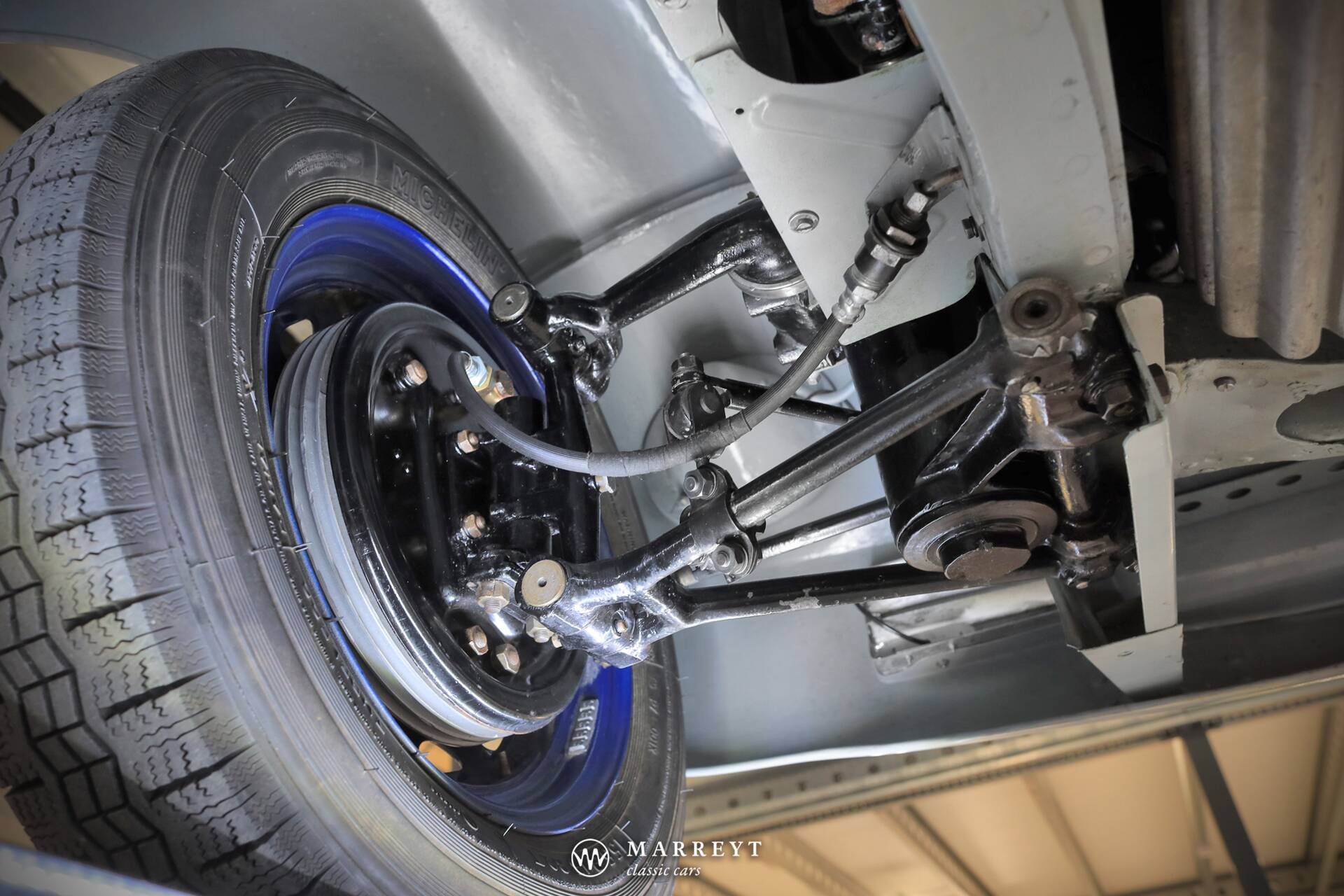
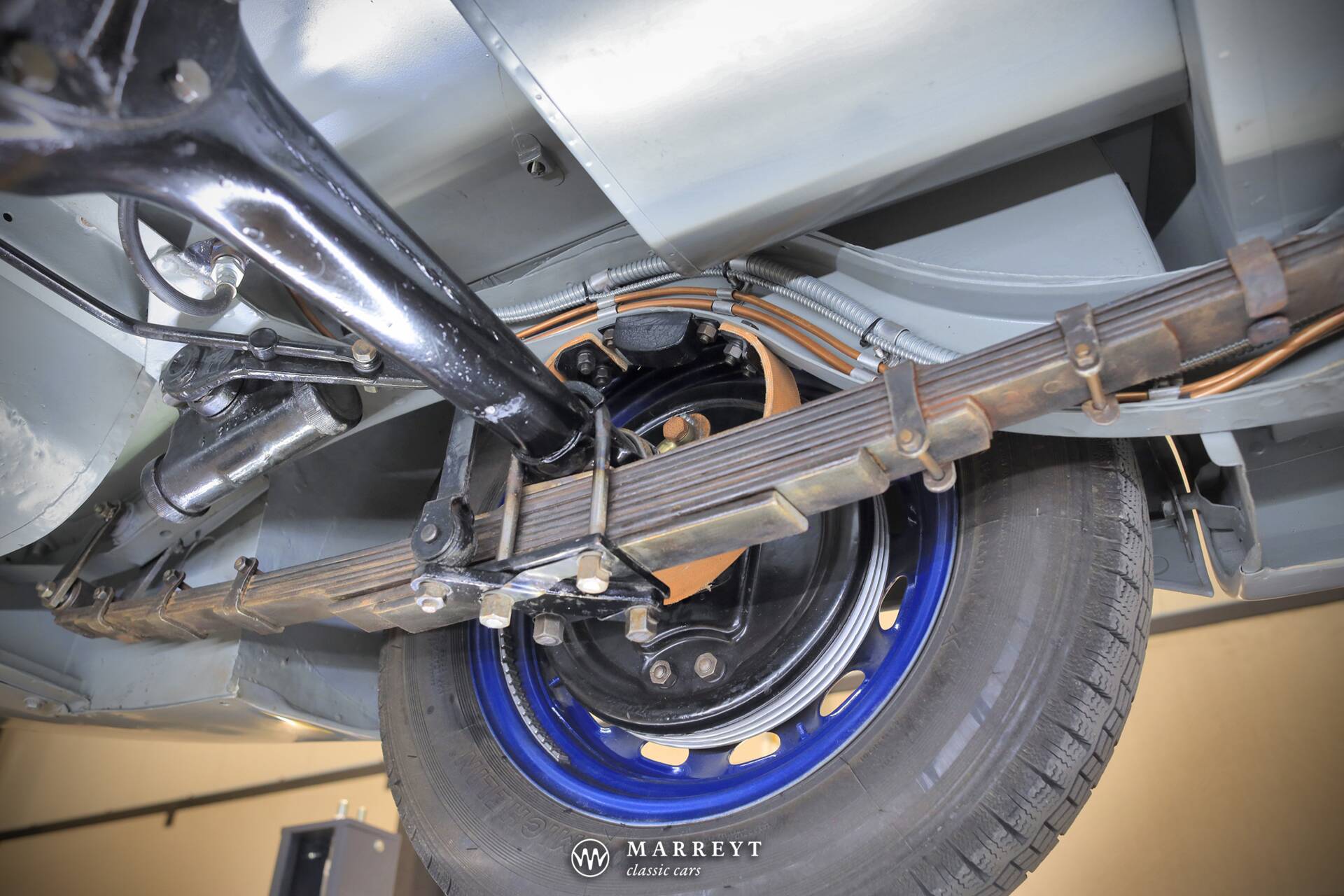
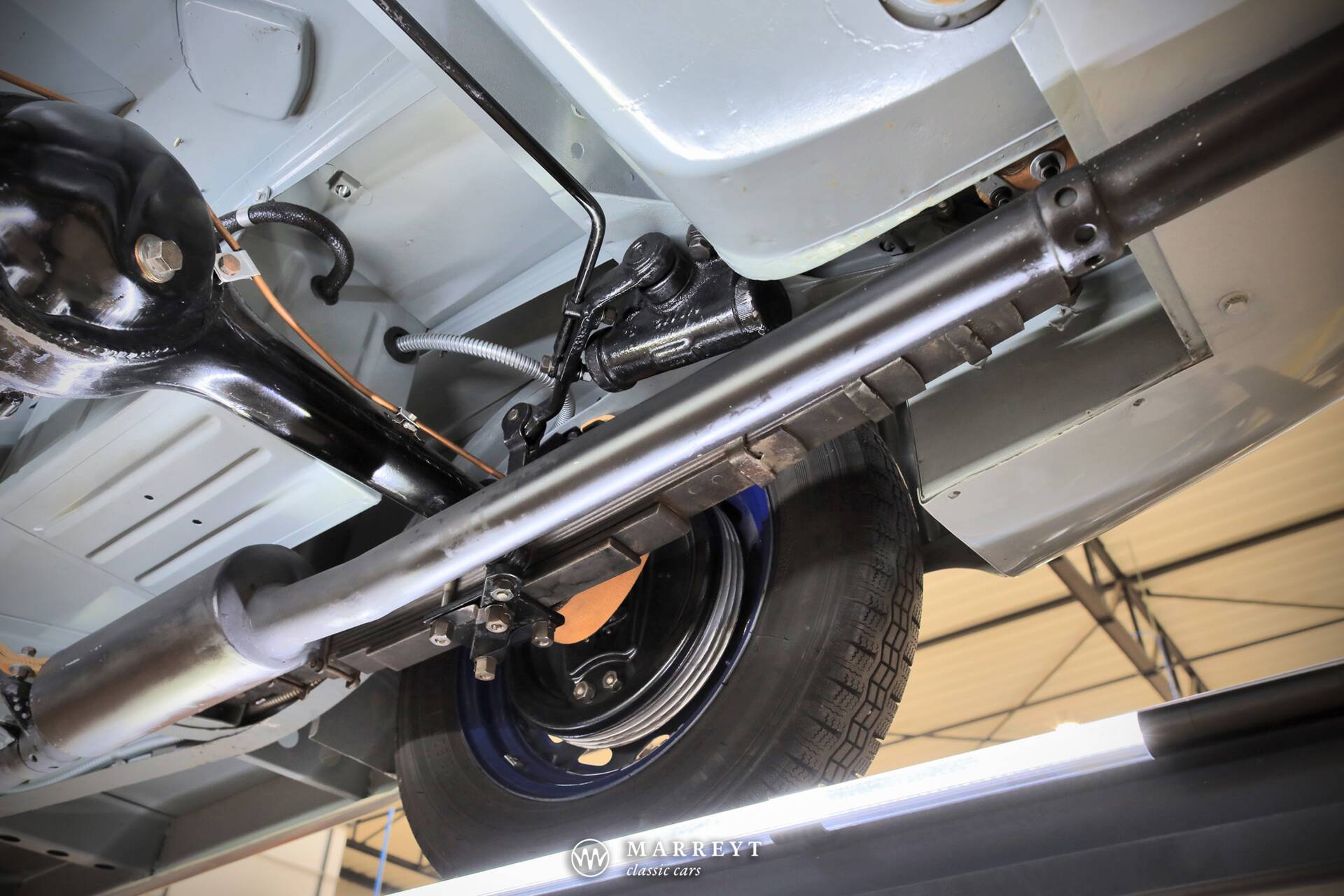
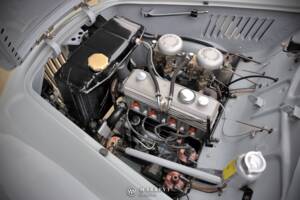
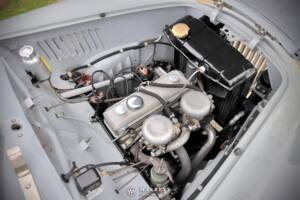
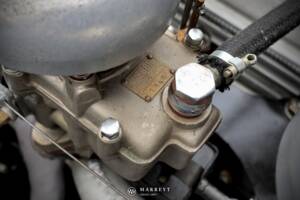
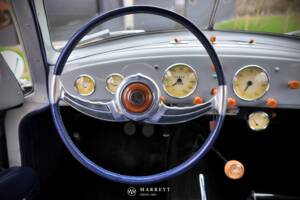
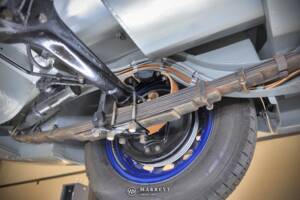
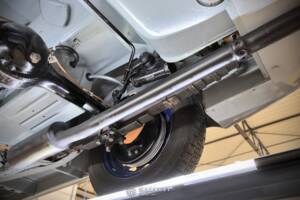
The S specifications were fully respected, including the distinctive auxiliary oil cooler, twin Weber carburettors, internally serviceable oil filter, and the mechanical refinements that distinguish the 1100 S from a standard 1100. With an eye toward future Mille Miglia participation, the engine was carefully tuned to enhance performance and flexibility under competition conditions, without compromising the car’s original character.
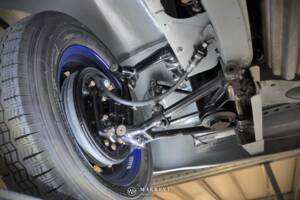
The restoration was documented to an exceptional degree, with over 1,200 photographs from disassembly to reassembly, including detailed images of the engine and matching numbers.
Mille Miglia 2027
This Fiat is, of course, eligible for the centenary edition of the Mille Miglia in 2027. There is a certain poetry in that: a Gobbone that once carved its miles through the Andes and Venezuelan circuits may, a century after the first edition, finally set course for Brescia.
At Marreyt Classic Cars, we have for years guided participants through the entire Mille Miglia process — from application and documentation to logistics, preparation, and on-site support.
For those who, in 2027, wish not merely to take part but to arrive with a story that reaches far beyond Brescia–Rome–Brescia, this 1100 S represents a compelling starting point.
We invite you to discover it in person at our new showroom in Ternat, Belgium.
More pictures and information: www.marreyt.com

Faites inspecter ce véhicule par des experts !

Chargement…
Chargement…
Chargement…
Chargement…
Chargement…
Chargement…
Chargement…
Chargement…
Plus de 100 000 passionnés de véhicules de collection reçoivent déjà nos meilleures annonces
Recevez des sélections triées sur le volet des voitures, motos et annonces de ventes aux enchères les plus intéressantes sur Classic Trader, directement dans votre boîte de réception.