- Motorcycle
- Wanderer (0 offers)
Wanderer Classic Cars for Sale
Wanderer vehicles, produced from 1911 to 1945 and renowned for their robust German engineering, are true rarities on today’s classic car market. Once a pillar of the legendary Auto Union (later Audi), only a few hundred examples of Wanderer cars still exist, making each one a unique survivor of pre-war automotive history. Explore our listings for exclusive Wanderer saloons and motorbikes, often preserved in original or unrestored condition.
Search results
Currently, there are no matching listings for your search.
Create search alert
Let yourself be notified as soon as a listing is published that matches your search filters.
Create listing
Do you have a Wanderer that you want to sell? Then create a listing now.
Create listingWanderer listing references from Classic Trader
Below you will find listings related to your search that are no longer available on Classic Trader. Use this information to gain insight into availability, value trends, and current pricing for a "Wanderer" to make a more informed purchasing decision.
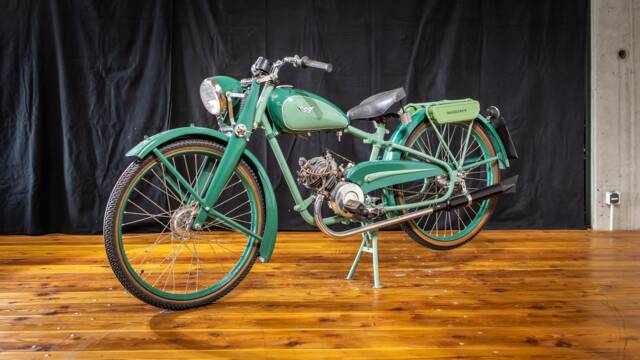
1938 | Wanderer 98
An authentic representative of the early motorcycle era

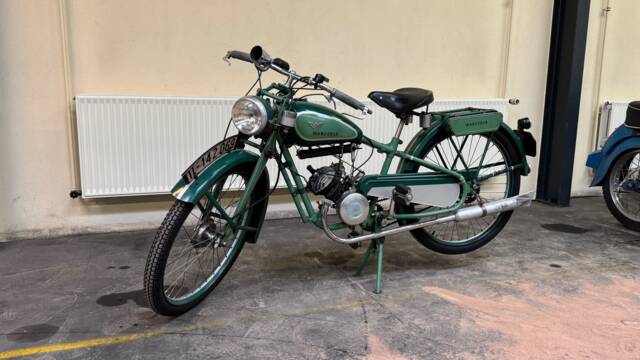
1939 | Wanderer 98

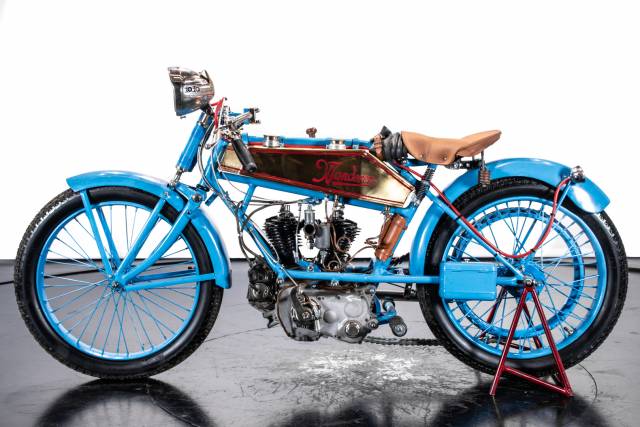
1917 | Wanderer 620 V-Twin
-

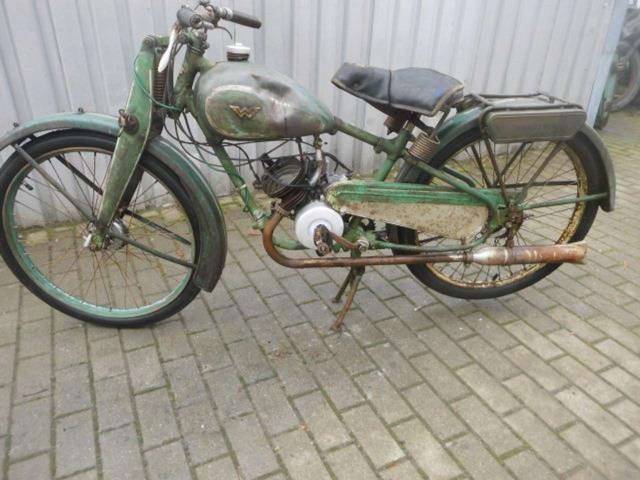
1938 | Wanderer 98
Wanderer SR 1 Modell 98cm³ , Sachs Motor
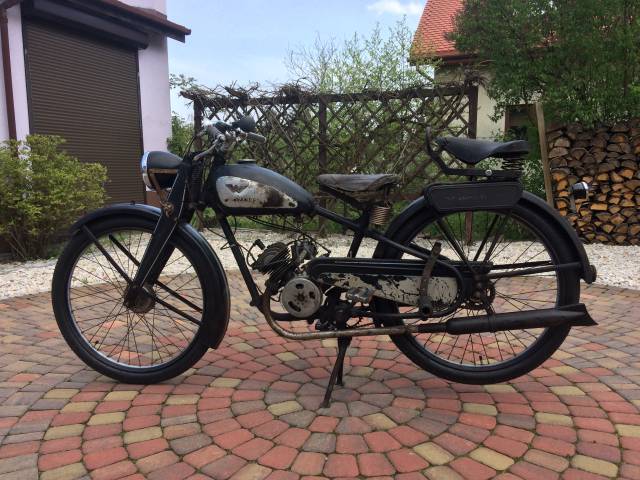
1936 | Wanderer 98

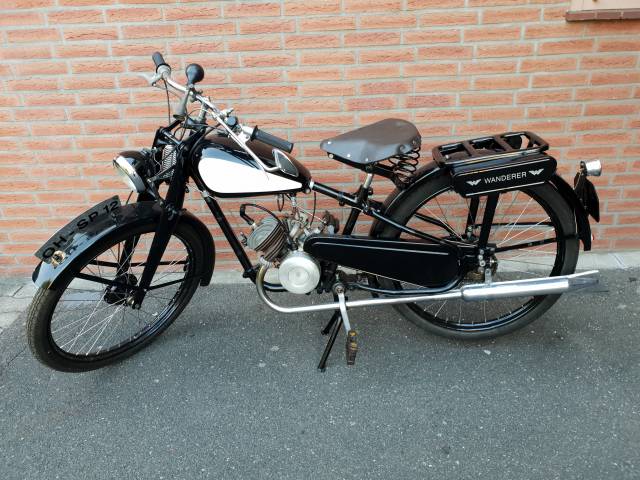
1940 | Wanderer 98
Create search alert
Let yourself be notified as soon as a listing is published that matches your search filters.
Create listing
Do you have a Wanderer that you want to sell? Then create a listing now.
Create listingHistory of Wanderer – The German Brand with a Remarkable Past
Wanderer’s roots date back to 1885, when Johann Baptist Winklhofer and Richard Adolf Jaenicke registered their company in Chemnitz, initially focusing on bicycle sales and repairs. The business quickly diversified, entering the realms of machine tools, office equipment, motorcycles, and ultimately automobiles. The first Wanderer motorcycles emerged in 1902, and by 1911 the company made its first foray into car manufacturing. Wanderer later became a core part of Auto Union, alongside Audi, DKW, and Horch. Its vehicles played a vital role in the German middle segment during the interwar period. Most Wanderers disappeared during WWII, with only a few hundred preserved to this day—a testament to their role as German pre-war classics.
Model History – From Bicycles to Pre-War Saloons and Motorcycles
Wanderer’s motor history began with the 1.5 hp single-cylinder motorcycle in 1902. Automotive production ramped up in the 1920s and 1930s, introducing models like the W 22, W 23, W 24, and W 25 saloons with characteristic straight-six engines. The robust bodies, reliable mechanics, and conservative design philosophy made Wanderers popular among middle-class buyers. The company’s involvement with Auto Union marked a shift towards modernisation but also ushered in the end of production suddenly in 1945. Surviving Wanderer cars and motorcycles from the period are now rare collectors’ items.
Highlights and Notable Features of Wanderer Vehicles
Wanderer automobiles were celebrated for their durability and solid construction. Key models included the W 22 with its 2-litre six-cylinder engine, often found within well-appointed saloon bodies. Many vehicles have survived unrestored, still boasting original interiors, patina, and sometimes complete documentation—all appealing to purists seeking untouched history. Due to their scarcity—only an estimated few hundred of the approx. 23,000 ever built survive—these classics are sought after by enthusiasts of genuine pre-war German engineering.
Technical Data – Engineering Details and Table
Special Editions and Collectible Models
Certain Wanderer cars stand out, such as the W22L6 limousine—often preserved in original condition and with few previous owners. Some examples, such as those offered at major auctions like Catawiki, have documented provenance and period documentation, increasing their historical value. Motorcycles like the Wanderer 748 and K 500 are particularly prized for their engineering milestones. Collectors also seek unrestored examples or those with detailed restoration logs and original accessories.
Maintenance and Weak Spots
Classic Wanderers, whether car or motorcycle, generally require thorough checks after long periods of inactivity. Particular attention should be paid to brakes, belts, fluids, and overall mechanical condition. Spare parts are scarce, and ownership often suits enthusiasts willing to commission bespoke restoration or fabricate rare components. Vehicles are mostly sold as restoration projects or for preservation, with no guarantee of roadworthiness or operational reliability. The true mileage is usually unverifiable due to age.
Engine, Performance, Transmission, and Handling
Wanderer’s engineering outlook prioritised robust, reliable mechanics over cutting-edge performance. The 2-litre six-cylinder engines found in models such as the W 22 and W 24 delivered steady power and effortless cruising, pairing with either manual gearboxes or simple motorcycle transmissions, depending on model. Performance on the road is characterised by smooth torque delivery rather than speed, fitting the brand’s focus on usability and resilience. Suspension and chassis design prioritised comfort, with solid ride quality typical for the pre-war era. - W 23: Attracting 41% of listing views, this saloon combines period-correct engineering and classic German craftsmanship.
- W 24 and W 25: These models represent the core of Wanderer supply and demand, offering the signature 6-cylinder experience within distinctive, understated bodies.
- W 748 (motorcycle): The top-performing V-twin motorcycle reaching 120 km/h, celebrated for technical innovation and rarity.
Interior, Comfort, Exterior, and Design Features
Wanderer interiors favour original materials, preserved upholstery, and unmodified fittings—frequently found with an authentic patina that speaks to each vehicle’s history. Dashboards and instrument panels are simple yet functional. Exteriors feature strong, plainly-styled saloon or limousine bodies, with solid metalwork able to weather minor knocks. Original paint, chrome detailing, and period-correct trim add to the appeal. Many examples retain special accessories such as original number plates or proprietary tools, while high-specifications often include rare two-tone paint or specially ordered interior materials.
Other Noteworthy Information
Wanderer vehicles often come with unique histories, such as extremely low ownership numbers (sometimes two owners since new) and full suites of documentation (original papers, keys, and old license plates). Offered as either restoration candidates or conservation pieces, every Wanderer on the market represents a small fragment of Germany’s motoring past. Restoration manuals exist for some models and support authentic repairs.
Summary – The Appeal of Wanderer Classics
With production spanning only from 1911 to 1945, Wanderer oldtimers are genuine rarities, prized for their pre-war German engineering, understated design, and well-documented history. They attract devoted collectors and enthusiasts who value originality and mechanical durability over mass-market appeal. As imports from the golden era of Auto Union, preserved Wanderers—whether unrestored saloons or rare motorcycles—offer a tangible connection to a vanished automotive epoch.