- Motorcycle
- Vyatka
- Vyatka VP 150 (0 offers)
Vyatka VP 150 classic cars for sale
The Vyatka VP 150 stands as a rare example of post-war Soviet mobility, inspired by Italian scooter design but manufactured for the Russian market. Its technical simplicity, robust construction, and unmistakable style make it a sought-after find for enthusiasts seeking distinctive Eastern European engineering from the 1950s and 1960s.
Search results
Currently, there are no matching listings for your search.
Create search alert
Let yourself be notified as soon as a listing is published that matches your search filters.
Create listing
Do you have a Vyatka VP 150 that you want to sell? Then create a listing now.
Create listingVyatka VP 150 listing references from Classic Trader
Below you will find listings related to your search that are no longer available on Classic Trader. Use this information to gain insight into availability, value trends, and current pricing for a "Vyatka VP 150" to make a more informed purchasing decision.
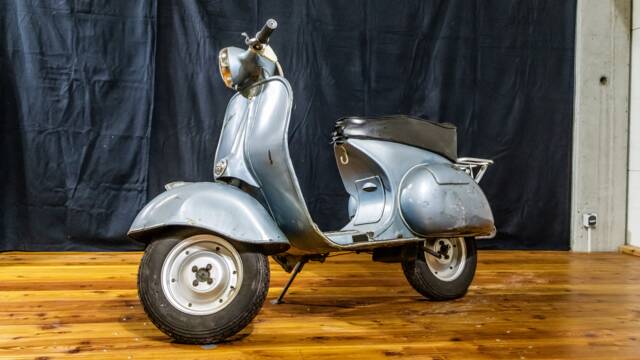
1961 | Vyatka VP 150
Soviet roller classic with distinctive character

Create search alert
Let yourself be notified as soon as a listing is published that matches your search filters.
Create listing
Do you have a Vyatka VP 150 that you want to sell? Then create a listing now.
Create listingVyatka VP 150 Classic Motorbikes: Prices & Market Values
History of Vyatka VP 150
The Vyatka VP 150 was introduced in the late 1950s as the Soviet interpretation of the Italian Vespa. Produced by Vyatskiye Polyany Machine-Building Plant, this scooter reflected a crucial period in Soviet industrial history where Western designs influenced local production. As the Soviet Union sought practical, affordable personal transport after World War II, the VP 150 addressed a burgeoning need for reliable scooters, particularly in urban centres. The model immediately caught the attention of Soviet citizens due to its combination of utility and Mediterranean flair, though adapted for harsher Russian conditions.
Model history
The VP 150 was Vyatka’s opening salvo into the scooter market. Its conception drew directly from the Vespa 150, but the VP 150’s production involved more robust metals and simplified technology for easier maintenance. Successor models, such as the Vyatka Elektron, moved towards more modern features and lighter construction, but the VP 150 remains notable for its rugged build and period-correct mechanicals.
Highlights of the Vyatka VP 150
A defining feature of the Vyatka VP 150 is its direct lineage from the Italian Vespa, skillfully adapted to withstand Soviet road and climatic conditions. Its air-cooled single-cylinder two-stroke engine was easy to service using minimal tools. The pressed steel bodywork, large wheels, and heavy-duty suspension made it resilient for daily use on challenging surfaces. Compared to other classic scooters, the VP 150’s styling is distinctly Eastern European with utilitarian flair and simpler detailing.
Technical data
Special Editions and Collectible Models
There are no officially documented factory special editions for the VP 150, as production focused on mass availability. Nevertheless, early production variants and unrestored units in original factory paint are considered particularly valuable among collectors of Soviet memorabilia.
Weak Spots and Common Issues
Documentation on specific technical issues is limited. However, given the VP 150’s robust design, typical issues are related to wear in the two-stroke engine, deterioration of rubber and electrical components due to age, and corrosion on the steel body if not carefully maintained. Spare parts are scarce outside of Russia, so verifying originality and mechanical condition is essential for potential buyers.
Engine and Performance, Transmission and Handling
The single-cylinder 150 cc engine of the Vyatka VP 150 produces approximately 5 horsepower, allowing modest but reliable mobility in urban settings. Its three- or four-speed manual transmission is operated via a twist grip, similar to the Vespa. While acceleration is gentle, the VP 150 is valued for its ability to handle rough roads thanks to its reinforced frame and suspension. The drum brakes require anticipation when stopping, and handling is stable at city speeds but not intended for fast travel. The most notable variant is the early VP 150 with factory-original details, but the model as a whole is appreciated for its mechanical simplicity and period-correct engineering.
Interior, Comfort, Exeterior and design
The VP 150’s design is a functional adaptation of 1950s Italian scooter aesthetics, with generously sized steel body panels and minimalistic Eastern Bloc trim. The seat is broad and padded, often covered in utilitarian vinyl, offering acceptable comfort for its time. Colours tended to be restrained—mainly grey, light blue, or beige—reflecting the originally limited Soviet paint palette. Accessories like front racks or leg shields are period-correct additions that add usability and authenticity.
Other relevant features
The VP 150 serves as a tangible link to the era of Soviet industrial design informed by Western influences but relying on local solutions for everyday challenges. Its presence in today’s classic scooter scene is a testament to the enduring appeal of 20th-century mobility innovations, even from behind the Iron Curtain.
Summary
The Vyatka VP 150 stands out for enthusiasts who appreciate its historical context, technical honesty, and direct connection to the post-war industrialisation of the Eastern Bloc. Its mix of familiar Italian lines and Soviet technical adaptations set it apart in the classic scooter landscape, promising an authentic ownership experience for those interested in less mainstream European classics.