- Motorcycle
- Vincent (1 offer)
Buy Vincent Motorcycle
Discover the legendary Vincent V-twins and singles in Australia. From Jack Ehret's record-breaking Black Lightning to the grand touring Rapide, find these iconic British machines and join an active community of Australian collectors.
Search results
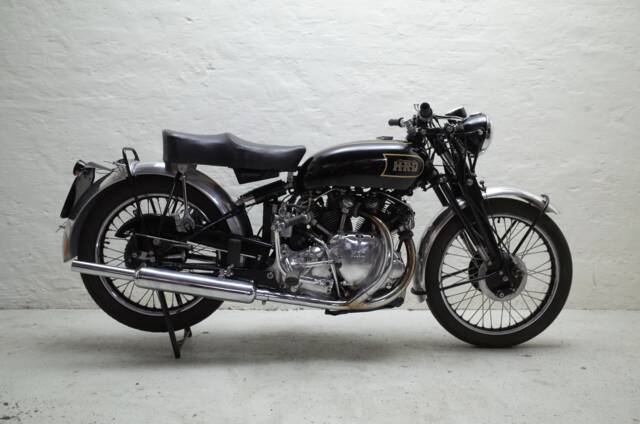
1949 | Vincent Rapide C
Rare 'interim' model

Vincent listing references from Classic Trader
Below you will find listings related to your search that are no longer available on Classic Trader. Use this information to gain insight into availability, value trends, and current pricing for a "Vincent" to make a more informed purchasing decision.
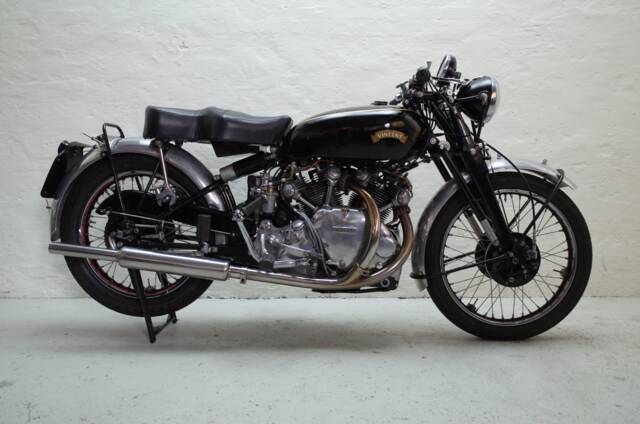
1951 | Vincent Rapide C
All matching numbers. VOC Certificate. One owner since 1962.
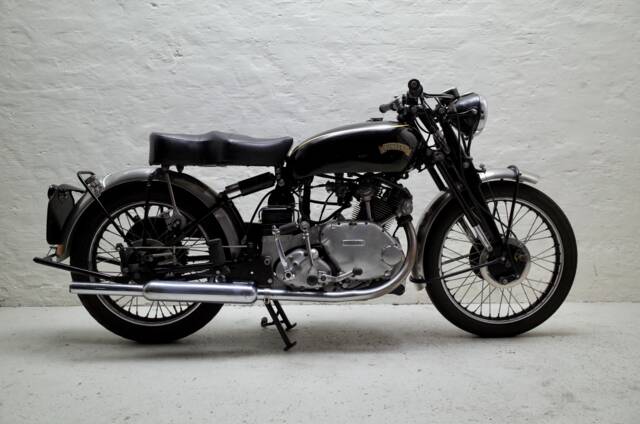
1950 | Vincent Comet
Matching numbers w. VOC Certificate. Very few owners.
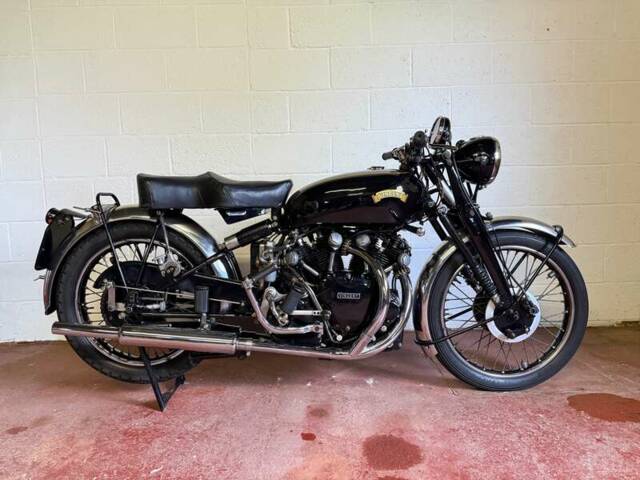
1953 | Vincent Black Shadow C
1953 Vincent Series C Black Shadow 998cc

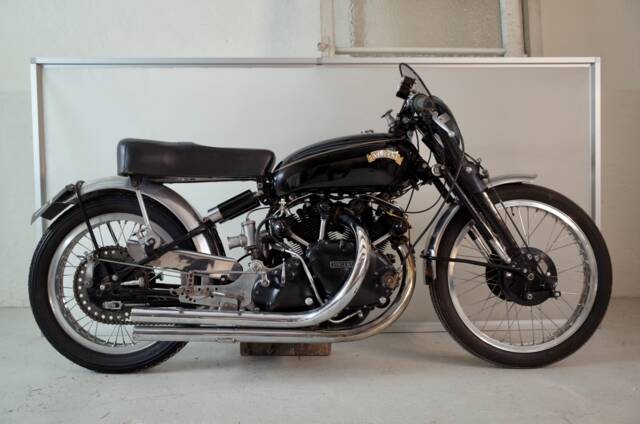
1954 | Vincent Black Lightning
Vincent Rapide to Black Lightning spec. Matching numbers.
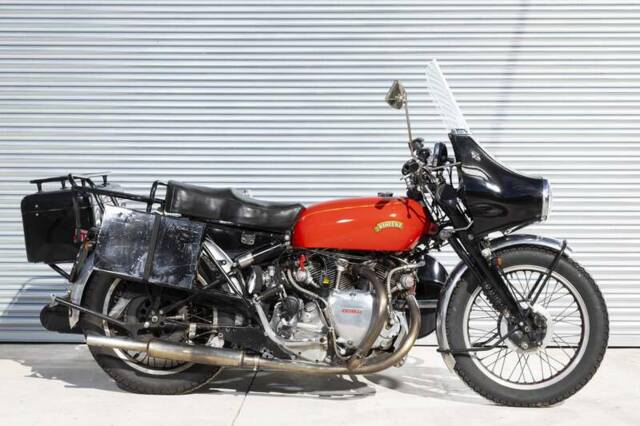
1953 | Vincent Rapide C
1953 Vincent Series C Rapide with Steib Sidecar 998cc
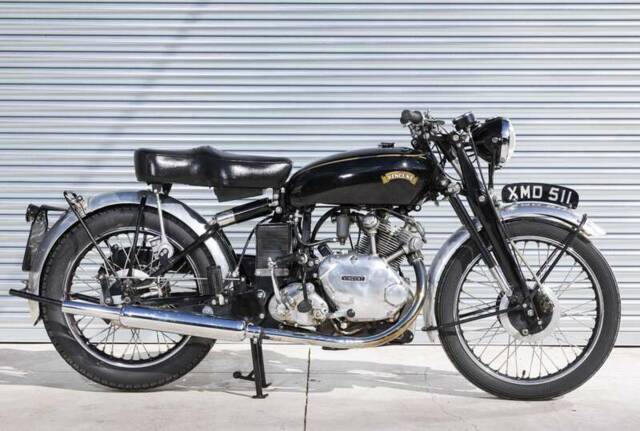
1951 | Vincent Comet
1951 Vincent Series C Comet 499cc
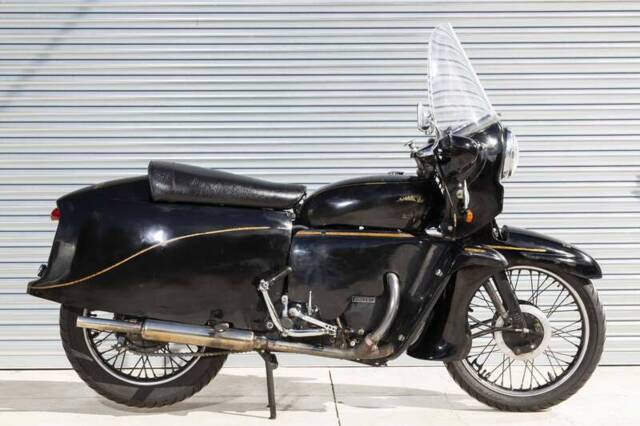
1955 | Vincent Black Prince
1955 Vincent Series D Black Prince 998cc
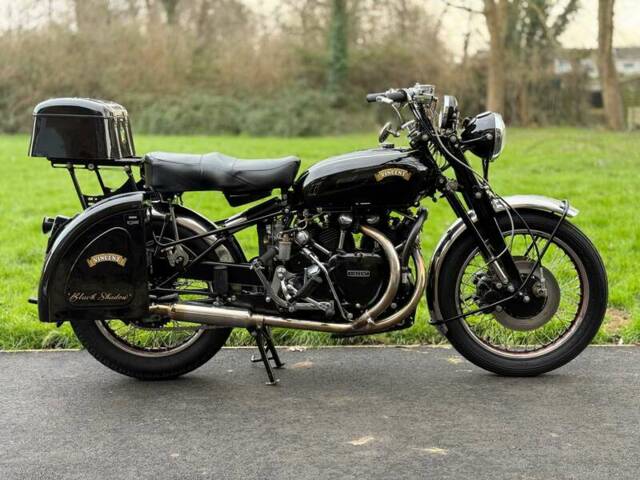
1952 | Vincent Black Shadow C
1952 Vincent Series C Black Shadow 998cc
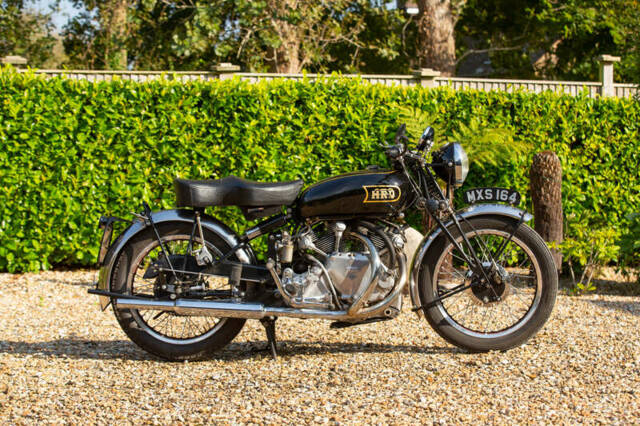
1948 | Vincent Rapide B
1948 Vincent HRD 'Series B' Rapide 998cc
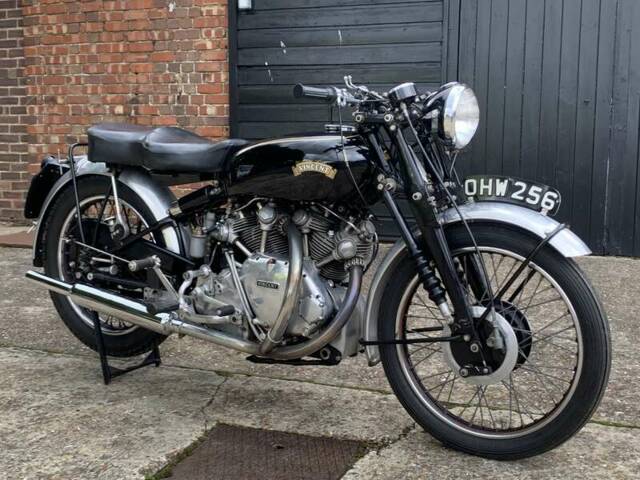
1952 | Vincent Rapide C
1952 Vincent Series C Rapide 1,000cc
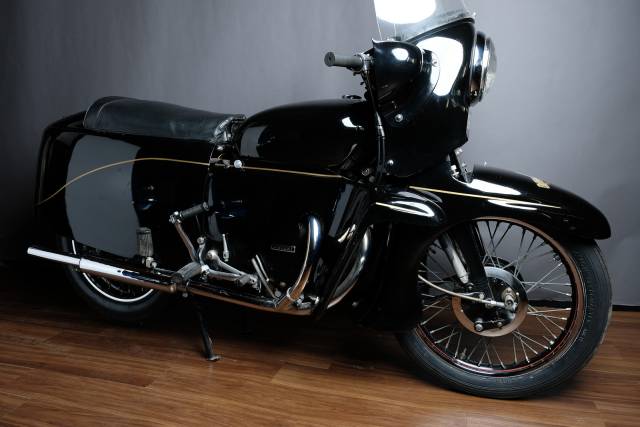
1955 | Vincent Black Knight
VINCENT BLACK KNIGHT
History & Heritage
The Vincent story is one of high-speed ambition and mechanical brilliance that resonated strongly in Australia. Founded in 1928 by Philip Vincent in Stevenage, England, the company produced what were widely regarded as the fastest and most advanced motorcycles of their era. The heart of the Vincent legend was the 998cc V-twin engine, designed by the brilliant Australian engineer Phil Irving. Irving’s contribution was pivotal; his 47-degree V-twin design transformed the company from a small manufacturer into a global icon of speed.
In the post-war years, Vincent motorcycles became the ultimate status symbol for riders who demanded performance without compromise. The Series B and Series C models introduced revolutionary features that were decades ahead of their time. The engine served as a stressed member of the frame, eliminating the need for a conventional down-tube and significantly reducing weight while increasing rigidity. The unique "Girdraulic" forks and cantilever rear suspension provided a level of handling and comfort that few other motorcycles of the late 1940s and early 1950s could match.
For Australian riders, the Vincent held a special place. The vast distances and demanding roads of the Australian outback were the perfect testing ground for a high-speed, long-distance touring machine. By the early 1950s, the Vincent had become a frequent sight at Australian speed trials and race meetings. Despite the company’s closure in 1955 due to high production costs, the Vincent legacy remains incredibly strong in Australia. The Australian branch of the Vincent Owners Club (VOC) is one of the most active in the world, ensuring that these "Snarling Beauties" continue to be ridden and raced across the continent.
Highlights & Features
The Vincent range, while small in production numbers, contains some of the most sought-after motorcycles in history. Each model offers a unique blend of Phil Irving's engineering and Philip Vincent's vision.
The Vincent Black Shadow (Series B, C, & D)
The Black Shadow is the most famous Vincent model. Introduced in 1948, it was a high-performance version of the Rapide, featuring a distinctive black-enameled engine and a 150-mph (240 km/h) speedometer. With 55 bhp and a top speed of 125 mph (201 km/h), it was the fastest production vehicle on the planet at the time. In Australia, the Black Shadow was a rare and prized possession, often seen as the ultimate achievement for a motorcycle enthusiast. Approximately 1,700 were built globally, and they remain the benchmark for classic V-twin performance.
The Vincent Rapide (Series B, C, & D)
The Rapide was the "grand tourer" of the range. While slightly less powerful than the Black Shadow at 45 bhp, it still offered a top speed of 110 mph (177 km/h) and a level of refinement that was exceptional for its time. The Rapide shared the same innovative "frameless" design and Girdraulic forks as the Shadow, but typically featured a polished aluminium engine finish. It was a popular choice for Australian riders who wanted a high-speed touring machine capable of covering long distances with ease.
The Vincent Black Lightning
The Black Lightning was the ultra-rare, racing version of the Black Shadow. Stripped of all road-going equipment and tuned to produce 70 bhp, it was a dedicated racing machine. Only about 34 were ever produced worldwide, making them one of the most valuable motorcycles in existence. One of these rare machines, owned by Jack Ehret, set an Australian land speed record of 141.509 mph (227.7 km/h) in 1953. This specific bike recently sold for a record-breaking price, highlighting the immense value and historical significance of the Black Lightning in Australia.
The Vincent Comet & Grey Flash
Vincent also produced a range of 499cc single-cylinder motorcycles, including the Comet and the racing Grey Flash. The Comet was a sophisticated single, capable of 90-100 mph (145-160 km/h), and shared much of the engineering DNA of its V-twin siblings. The Grey Flash was a rare racing variant, famously ridden by Australian legend John Surtees (who later became a world champion on both two and four wheels) during his early racing career. These singles offer a more accessible way to experience the Vincent brand while still enjoying the unique Stevenage engineering.
Technical Data
Note: Technical specifications can vary significantly due to the hand-built nature of these machines and subsequent modifications by owners over the last 70 years.
Market Overview & Buying Tips
Investing in a Vincent in Australia is a major commitment, both financially and mechanically. These motorcycles are among the most expensive classic bikes in the world, with prices reflecting their extreme rarity and historical importance. The Australian market is small but highly competitive, with local collectors often competing with international buyers for the best examples.
Current Price Guide (2024-2025)
Prices in Australia are typically quoted in Australian Dollars (A$) and can be significantly higher than in other markets due to local demand and the costs of importation.
- Vincent Black Lightning: Exceptionally rare. A genuine Black Lightning with Australian history can command prices in excess of A$1,000,000. Jack Ehret's record-setting bike sold for over A$1.19 million in 2018.
- Vincent Black Shadow (Series C): A well-maintained, matching-numbers Black Shadow in Australia typically ranges from A$140,000 to A$220,000. Exceptional, concours-level examples can exceed A$250,000.
- Vincent Rapide (Series C): More common but still highly desirable. Expect to pay between A$80,000 and A$130,000 for a good, usable machine.
- Vincent Comet: The most accessible entry into the Vincent brand. Prices for a well-sorted Comet in Australia generally range from A$35,000 to A$55,000.
- Projects: Unrestored or incomplete V-twin projects rarely sell for less than A$50,000, as the cost of parts and specialist restoration is substantial.
Shipping & Importation Costs
Many Vincent motorcycles are sourced from the UK or Europe. When importing a bike to Australia, you must consider the following additional costs:
- Shipping: Expect to pay between A$1,500 and A$3,000 for secure, crated shipping from the UK or Europe to a major Australian port.
- Parts Shipping: For ongoing maintenance, many specialist parts are still sourced from the UK. Expect to add A$400-800 per year for international shipping of parts and specialized components.
- Taxes & Duties: Importation into Australia may attract GST (10%) and potentially other customs duties depending on the bike's age and value. Always consult with a specialized customs agent.
Buying Tips & Inspection
When purchasing a Vincent, especially in Australia, meticulous research is essential.
- Matching Numbers: The most critical factor in a Vincent's value is the matching of its engine, frame, and crankcase numbers. Always verify these through the Vincent Owners Club (VOC) registry.
- Australian Provenance: Bikes with a documented Australian history, especially those with racing or record-setting pedigree, are highly prized by local collectors and can command a significant premium.
- Oil Leaks: While most classic bikes leak some oil, excessive leaks from the primary drive or cylinder heads on a Vincent can indicate serious mechanical issues or poor previous work.
- The Girdraulic Forks: Check for any play in the numerous pivot points of the Girdraulic forks. Rebuilding these is a specialized task and can cost several thousand dollars.
- The Clutch: The unique Vincent "servo" clutch requires careful setup. Ensure the bike pulls away smoothly without slipping or grabbing.
Riding Experience & Performance
Riding a Vincent is unlike any other vintage motorcycling experience. From the moment the 1,000cc V-twin fires up with its distinctive "thump-thump" exhaust note, you are aware of the immense power at your disposal. In Australia, where long, straight roads are common, the Vincent’s ability to cruise comfortably at high speeds is its greatest asset.
The torque of the 998cc engine is the most impressive feature. A well-tuned Black Shadow or Rapide will pull cleanly from low revs, providing a smooth and effortless surge of power that modern riders often find surprising. The "long-legged" nature of the engine means that 100 km/h (62 mph) feels like a relaxed stroll, and the bike remains stable and composed at even higher speeds.
The Girdraulic forks, although unusual in appearance, provide a surprisingly effective front suspension that resists "diving" under heavy braking. However, it is important to remember the age of the machine. The brakes, even the twin-drum setup on the Series C, require a firm hand and a proactive riding style. Handling is stable on fast, open roads, but the bike's weight and geometry mean it requires physical effort to maneuver through tight, twisty sections. A Vincent is a bike for the "thinking rider"—one who appreciates its mechanical nuances and adapts their riding style to its unique characteristics.
Design & Style
The design of a Vincent is a masterpiece of "form following function." There is no unnecessary ornamentation; every part of the bike is designed for performance. The most radical feature is the "frameless" construction, where the engine serves as the central spine of the machine. This gives the bike a lean, muscular appearance that remains striking more than 70 years after it was first designed.
The Series C Girdraulic forks are another iconic design element. Crafted from forged aluminium alloy, they are a testament to the engineering brilliance of Phil Irving and his team. The Black Shadow’s all-black engine finish was a bold statement in its day, contrasting sharply with the polished aluminium and chrome of its contemporaries. This "blacked-out" look remains one of the most recognizable features of the brand.
The cockpit is dominated by the large 5-inch Smiths speedometer, a constant reminder of the bike's high-speed potential. For Australian collectors, the overall aesthetic of the Vincent is one of understated power and engineering excellence. It is a motorcycle that looks just as good parked at a local bike meet as it does at full speed on a race track.
Racing History & Records
Vincent’s racing history is legendary, and Australia played a significant role in this legacy. The most famous image in motorcycling history—Rollie Free lying prone on a Black Lightning at Bonneville in 1948—cemented the brand’s reputation for ultimate speed. Free clocked 150.313 mph (241.9 km/h), a record that stood for years.
In Australia, the name Jack Ehret is synonymous with Vincent performance. In 1953, Ehret used his Black Lightning to set a new Australian land speed record of 141.509 mph (227.7 km/h) at Strathalbyn, South Australia. Ehret’s bike, which had a long and successful racing career in Australia, is now one of the most famous and valuable motorcycles in the world.
Australian riders also excelled on Vincents in various racing disciplines, including road racing and sidecar events. The massive torque and robust construction of the Vincent engine made it a favorite for the demanding conditions of Australian tracks. Even after the factory closed, Vincent engines continued to be used in racing, most notably in the Egli-Vincent machines that proved the engine’s enduring performance well into the 1970s and 80s.
Summary
The Vincent is more than just a classic motorcycle; it is a piece of engineering history that continues to captivate enthusiasts in Australia and around the world. Whether it’s the legendary Black Shadow or the touring Rapide, owning a Vincent is a testament to an appreciation for technical brilliance and high-speed performance.
In Australia, the Vincent community is small but incredibly passionate. The active local branch of the Vincent Owners Club (VOC) provides invaluable support for owners, ensuring that these iconic machines remain on the road for generations to come. While the cost of entry is high and the maintenance requires dedication, the reward of riding a Vincent is a unique and unforgettable experience.
Why Buy a Vincent Today?
- Australian History: Bikes like Jack Ehret's Black Lightning highlight the brand's deep connection to Australian motorcycling culture.
- Engineering Brilliance: The "frameless" design and stressed-member engine were decades ahead of their time.
- Investment Value: Vincents have a proven history of strong value appreciation, making them a "blue chip" classic investment.
Considerations Before Purchase
- Importation Costs: Shipping and taxes can add significantly to the final price of a bike sourced from overseas.
- Specialist Maintenance: These are complex machines that require expert knowledge to maintain and repair correctly.
- Parts Availability: While many parts are still available through the VOC, most must be imported from the UK, leading to additional costs and lead times.