- Motorcycle
- Triumph (TWN) (1 offer)
Buy Triumph (TWN) Motorcycles
Triumph (TWN) motorcycles represent a rare, engineering-focused chapter of German motoring history, distinct from their British namesakes. Known for their unique split-single two-stroke engines and robust post-war designs, these Nürnberg-built machines offer a truly individual experience for the serious Australian collector.
Search results
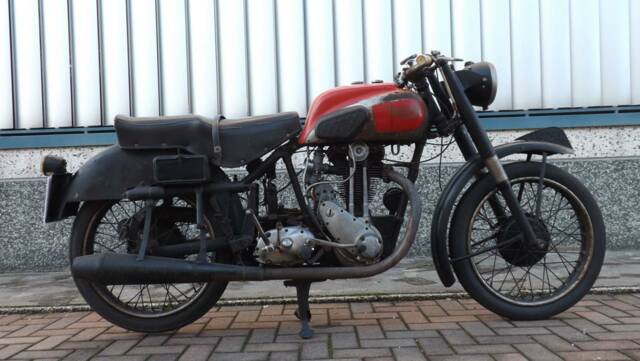

Triumph (TWN) listing references from Classic Trader
Below you will find listings related to your search that are no longer available on Classic Trader. Use this information to gain insight into availability, value trends, and current pricing for a "Triumph (TWN)" to make a more informed purchasing decision.
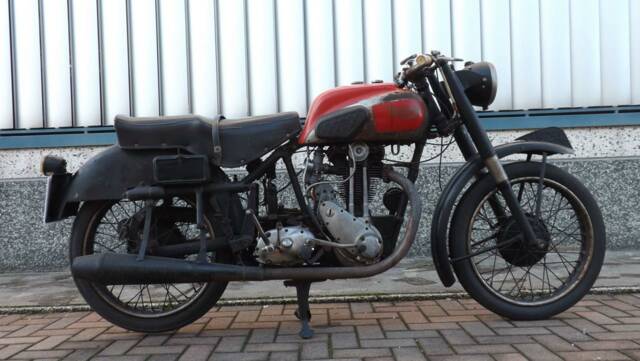
1937 | Triumph (TWN) S 350
-
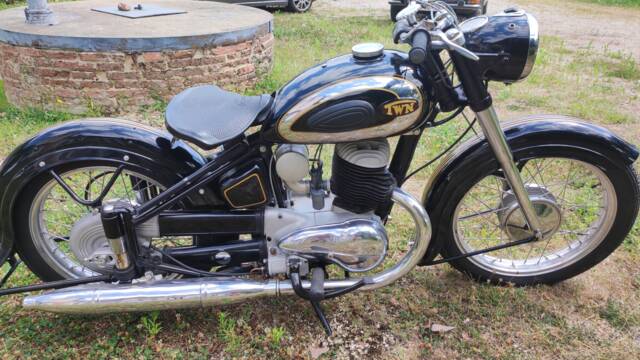
1951 | Triumph (TWN) BDG 250 H
TWN BDG 250 L – 1954 – Matching numbers – Excellent condition

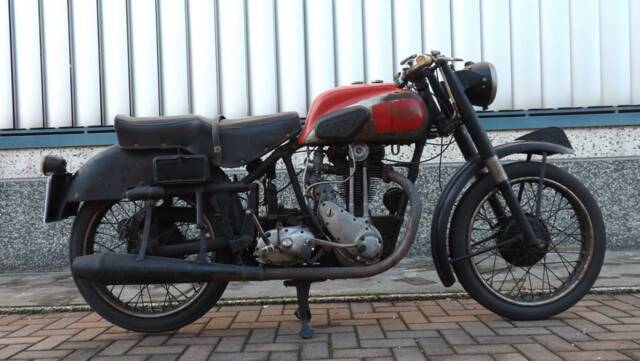
1937 | Triumph (TWN) B 350
-
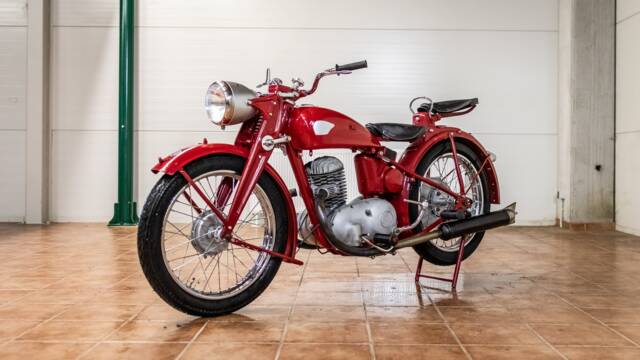
1939 | Triumph (TWN) BD 250
Characterful 250cc motorcycle from the late 1930s

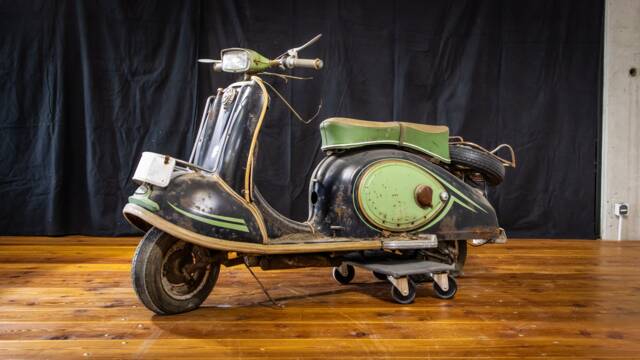
1957 | Triumph (TWN) Tessy
Elegant small scooter from the late 1950s
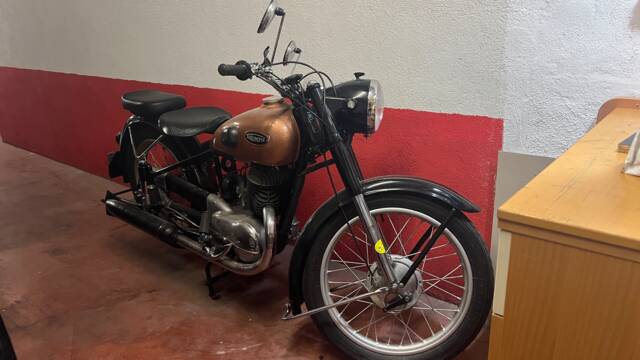
1952 | Triumph (TWN) BDG 250 H
Totally Restored

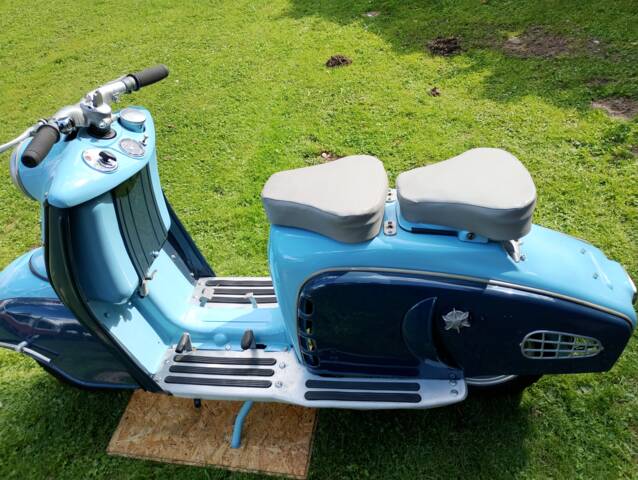
1955 | Triumph (TWN) Contessa
Triumph Contessa 1955

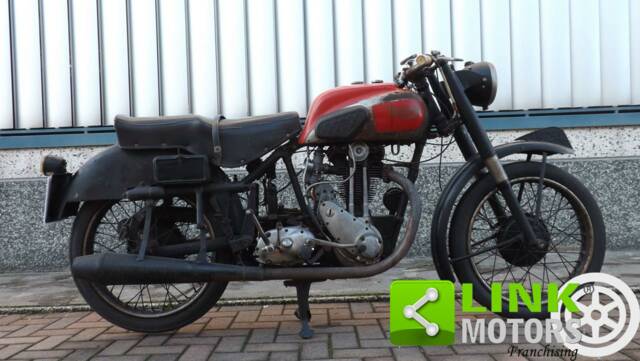
1937 | Triumph (TWN) S 350
TRIUMPH Sport 350 anno 1937 funzionante ( da restaurare )
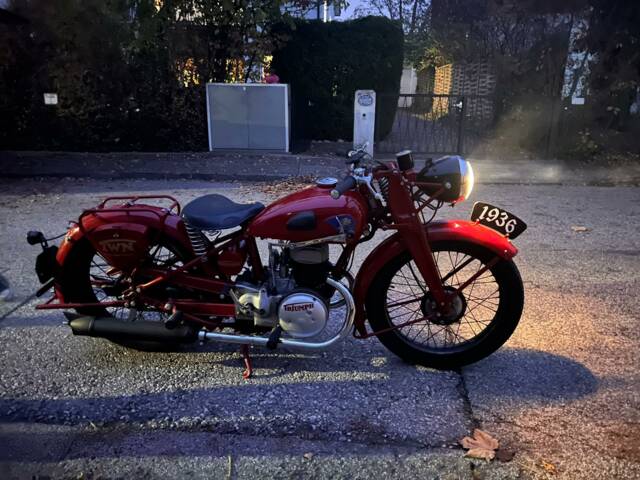
1936 | Triumph (TWN) B 204
Triumph B204 Baujahr 1936 Exklusiv & Museumsreif – Zeitzeugnis mit Seltenheit
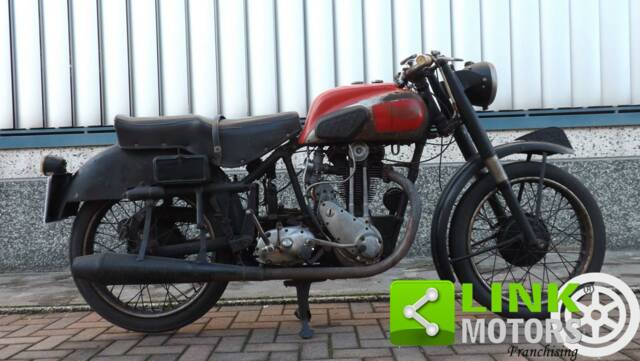
1937 | Triumph (TWN) S 350
TRIUMPH Sport 350 anno 1937 funzionante ( da restaurare )
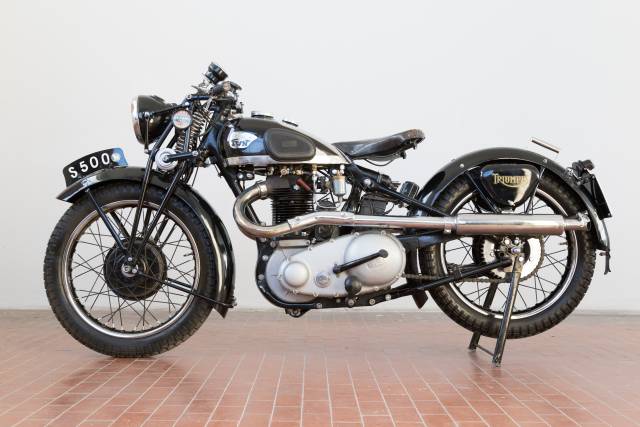
1937 | Triumph (TWN) STM 500
TRIUMPH-TWN-500-S-OHV-1937
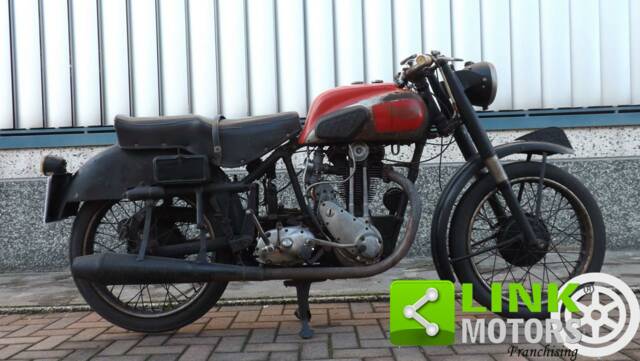
1937 | Triumph (TWN) S 350
TRIUMPH Sport 350 anno 1937 funzionante ( da restaurare )
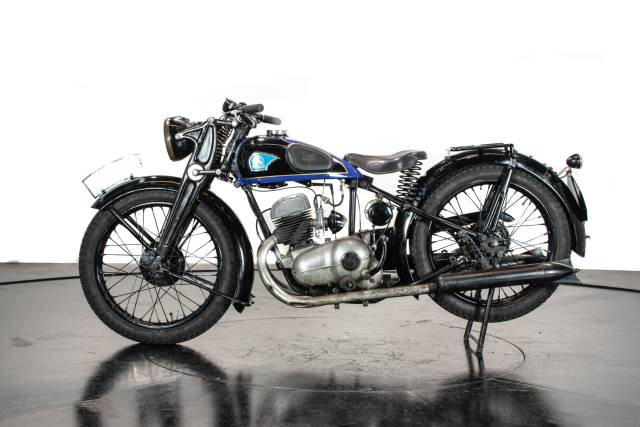
1936 | Triumph (TWN) B 204
-
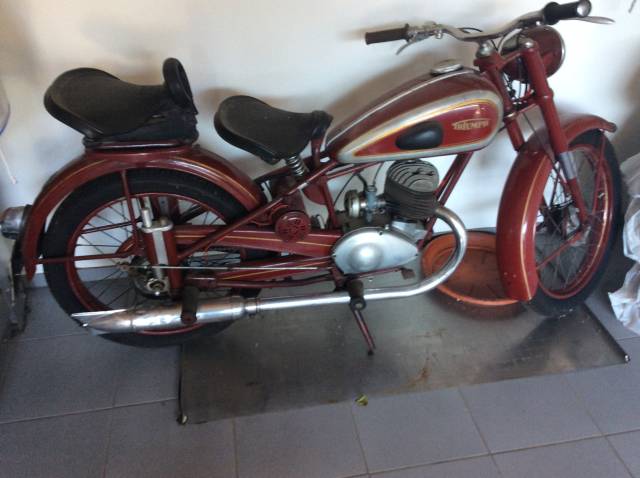
1951 | Triumph (TWN) BDG 125
History
The story of Triumph Werke Nürnberg (TWN) is one of the most frequently misunderstood chapters in motorcycle history, especially in the English-speaking world. While many Australian riders are familiar with the legendary Triumph motorcycles from Coventry, England, few realise that for over half a century, an entirely separate company in Germany produced motorcycles under the same name. This was not a case of brand imitation, but a complex industrial divorce that left two independent companies sharing a single famous badge.
Siegfried Bettmann, a Nürnberg native who moved to England, founded the original Triumph company in Coventry in 1885. In 1896, he returned to his birthplace to establish a sister company, New Triumph Co. Ltd. Initially, the two factories shared technology and designs, but the outbreak of the First World War and subsequent economic pressures led to a total separation. By 1929, the German wing—officially renamed Triumph Werke Nürnberg AG—had ceased using any British components, becoming a purely German manufacturer. For a brief period during trademark disputes, some models were even sold under the name Orial, until TWN won the right to use the Triumph name in Germany.
The defining moment for TWN came in the 1930s with the arrival of engineer Otto Reitz. Recruited from NSU, Reitz introduced the Doppelkolben or "split-single" engine design. This ingenious two-stroke concept featured two pistons sharing a single combustion chamber, connected via a forked con-rod. This layout allowed for asymmetrical port timing, solving many of the inherent efficiency and scavenging issues of traditional two-strokes. It gave TWN motorcycles a smooth, four-stroke-like power delivery and a unique mechanical character that set them apart from competitors like DKW or Zündapp.
During the Second World War, TWN produced the BD 250, a sophisticated machine that saw service with the Wehrmacht. Post-war production resumed in 1948, focusing on refined versions of the split-single engine in models like the BDG 250 and the flagship Boss 350. The company also successfully entered the scooter market with the Tessy and Contessa. However, the post-war German motorcycle boom eventually cooled, and in 1956, TWN merged with the typewriter manufacturer Adler to form Triumph-Adler. Motorcycle production was halted immediately, ending a 54-year legacy of engineering innovation.
Today, TWN motorcycles are exceptionally rare in Australia. While they were never officially imported in large numbers during their production years, a small number of dedicated enthusiasts and collectors have brought these machines to Antipodean shores. From a Tessy scooter in New South Wales to a TWN Prior in Queensland, these bikes remain a testament to a forgotten era of German technical excellence.
Highlights
What makes a Triumph (TWN) a "must-have" for a collector isn't just its rarity, but the sheer mechanical curiosity of the machines. Unlike the more common British Triumphs, a TWN is a conversation starter at any Australian bike meet precisely because of its "split-single" heart.
The BD 250 (1939–1943) is arguably the most historically significant model. It featured an advanced aluminium cylinder and a 12 hp output that was very impressive for a pre-war 250cc machine. Because many were produced for military use, surviving civilian versions are prized for their clean lines and historical weight.
For post-war collectors, the BDG 250 series represents the pinnacle of TWN's refinement. The "H" model (Hinterradfederung) introduced rear suspension, making it a capable mid-sized tourer. The use of a "Gabelpleuel" (forked connecting rod) in these engines further reduced friction and vibration, resulting in a machine that feels significantly more modern than its contemporaries.
The Boss 350 stands as the powerhouse of the range. With its larger displacement and more substantial frame, it was TWN’s attempt to compete with larger capacity four-stroke machines. It offers the most visceral experience of the split-single technology, with a deeper exhaust note and enough torque to make it a legitimate long-distance classic.
Even the Tessy scooter (150cc) holds a special place. While most 1950s scooters were purely functional, TWN applied their high engineering standards to the Tessy, resulting in a robust and stylish machine. It has a dedicated following worldwide, including small pockets of enthusiasts in Australia and New Zealand who appreciate its quirky German charm.
Technical Data
The technical heart of TWN is the split-single engine. By using two pistons in one cylinder, TWN engineers achieved what was known as "uniflow scavenging." This meant the intake and exhaust ports could be controlled independently by the two pistons, significantly improving fuel efficiency and power compared to the standard "Schnürle" loop-scavenged two-strokes of the time.
The firing order of the split-single gives the TWN a rhythmic, almost four-stroke "thump" rather than the frantic "ring-ding-ding" of a traditional two-stroke. This technical quirk is often what initially draws Australian collectors to the brand, as it offers a unique acoustic signature on the road.
Market Overview & Buying Tips
For the Australian enthusiast, buying a Triumph (TWN) is a journey into the deep end of classic motorcycle collecting. Because these bikes were never widely sold in Australia, the domestic market is almost non-existent. Finding one for sale locally is a rare event, often occurring when a long-term collection is dispersed.
Current Market Situation & Pricing
Most TWN motorcycles on the global market are located in Germany, Austria, and surrounding Central European countries. If you are looking to buy, you will likely be looking at importing a machine. Prices in Europe have remained relatively stable but reflect the rarity of the models.
- BD 250 / BDG 250: Expect to pay between A$4,000 and A$8,000 for a running example in fair condition. Fully restored, concours-level machines can fetch A$10,000 to A$16,000.
- Boss 350: As the rarest and most desirable model, prices start around A$6,500 for projects and can exceed A$18,000 for pristine examples.
- Tessy / Contessa Scooters: These are more accessible, with prices ranging from A$1,500 to A$5,000 depending on condition.
Importing to Australia: Logistics and Costs
If you find a TWN on Classic Trader located in Europe, importing it to Australia requires careful planning.
- Shipping: Sea freight from Germany to major Australian ports (Melbourne, Sydney, Brisbane) typically costs between A$1,500 and A$3,000 for a single crate, depending on the service level.
- Import Approval: You must obtain a Vehicle Import Approval (VIA) from the Department of Infrastructure before the bike ships. For motorcycles over 25 years old, this is generally straightforward under the classic vehicle provisions.
- Asbestos Regulations: This is a critical hurdle for Australian imports. Australian Border Force has a zero-tolerance policy. You must ensure that brake shoes, gaskets, and clutch plates are certified asbestos-free or have them replaced before shipping. Failing this can lead to expensive seizures and cleaning costs.
- Taxes: You will be liable for 10% GST on the combined value of the bike and the shipping cost. Since these are older than 30 years, they are generally exempt from Customs Duty, but always verify current Australian Border Force rulings.
Inspection Points for Buyers
- Engine Integrity: The split-single engine is the soul of the bike. Ensure the "Gabelpleuel" (forked rod) hasn't developed excessive play. Spare parts like pistons and rings for these specific dimensions are difficult to find in Australia and usually must be sourced from specialists in Germany.
- Completeness: This is vital. Finding a missing original headlight shell or a specific TWN tank for a BD 250 in Australia is almost impossible. Prioritise complete, original bikes over "modified" ones.
- Electrics: Many TWNs use Noris or Bosch ignition systems. While robust, 70-year-old coils and condensers can be temperamental. Check if the bike has been converted to a modern 12V electronic ignition (like VAPE), which greatly improves reliability.
Performance
Riding a Triumph (TWN) is an exercise in smooth, deliberate progress. The split-single engine provides a surprisingly wide powerband for a two-stroke. While a contemporary 250cc single might feel peaky, the TWN pulls cleanly from low revs, making it a pleasant companion for Australian country roads.
On a BDG 250 H, the plunger rear suspension and telescopic forks provide a level of comfort that was considered "luxury" in the early 1950s. At a comfortable cruising speed of 80–90 km/h, the vibrations are minimal, thanks to the inherent balance of the twin-piston design. It doesn't feel like it’s "screaming" like a Japanese two-stroke from the 1970s; instead, it hums along with a steady, reassuring drone.
The Boss 350 offers more "grunt." It has the torque to handle modern traffic more effectively than the 250s, though the drum brakes still remind you that this is a vintage machine. It requires a different riding style—anticipating stops and using the engine's natural braking.
The Tessy scooter is purely for "slow-moting." It’s perfect for a Sunday ride to a local café in Noosa or a club run through the Adelaide Hills. Its 8 hp won't set any records, but the smiles it generates from passers-by are unmatched. The handling is light and nimble, typical of the 1950s scooter era.
Design
The design philosophy of TWN was rooted in "Nürnberger Sachlichkeit"—Nürnberg objectivity. It is a very German aesthetic: functional, clean, and built to last. There is no unnecessary chrome or flashy graphics. Instead, you get deep black enamel, hand-painted pinstripes, and the iconic "Triumph" script on the tank, often accompanied by the "TWN" logo to distinguish it from its British cousin.
The BD 250 reflects the late Art Deco influence, with its teardrop tank and sweeping fenders. It looks purposeful and tough, a reflection of its dual-role history as both a commuter and a military workhorse.
The post-war BDG and Boss models introduced a bit more "Wirtschaftswunder" (economic miracle) flair. The tanks became slightly more bulbous, and the use of polished aluminium and chrome increased. The integration of the toolboxes into the frame design on the later models shows a high level of industrial design maturity.
The Tessy and Contessa scooters represent a departure into 1950s futurism. With their enclosed bodywork and flowing lines, they were designed to appeal to a new generation of riders who wanted clean, fashionable transport. The Contessa, in particular, with its split-single engine hidden under the sleek "tinware," is a masterpiece of 1950s European scooter design.
Summary
The Triumph (TWN) is a motorcycle for the connoisseur who values engineering history as much as the ride itself. In Australia, owning one makes you part of an extremely exclusive club. You aren't just buying a bike; you are preserving a unique mechanical lineage that ended far too soon.
Whether it’s the historical weight of a pre-war BD 250, the refined "split-single" hum of a BDG 250 H, or the sheer presence of a Boss 350, a TWN offers an experience that no other brand can replicate. They are reliable, technically fascinating, and undeniably rare on Australian roads.
When you buy a Triumph (TWN) on Classic Trader, you are securing a piece of Nürnberg’s finest engineering. While the path to ownership might involve shipping across oceans and navigating import regulations, the reward is a machine that will be the star of any classic show and a joy to ride on any sun-drenched Australian morning.
Find your Triumph (TWN) on Classic Trader today and discover why these German "split-singles" remain one of the most respected secrets in the motorcycle world.