- Motorcycle
- Solex (1 offer)
Buy Solex VéloSolex Mopeds
More than just a moped, the Solex VéloSolex is a timeless icon of affordable, simple mobility. Born in 1946 with a revolutionary friction-drive system, these French classics remain highly sought-after by collectors and enthusiasts worldwide, including Australia.
Search results
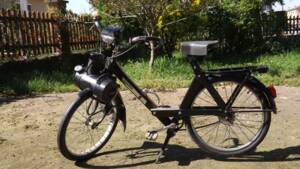
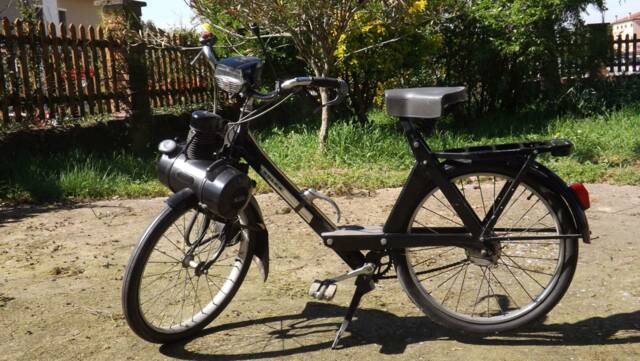

Solex listing references from Classic Trader
Below you will find listings related to your search that are no longer available on Classic Trader. Use this information to gain insight into availability, value trends, and current pricing for a "Solex" to make a more informed purchasing decision.
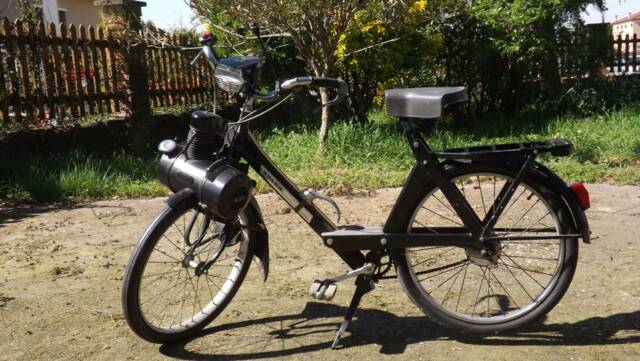
1967 | Solex Vélosolex Model 3800
-
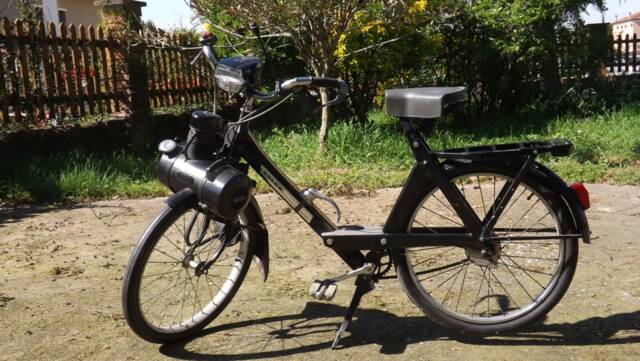
1967 | Solex Vélosolex Ami
-
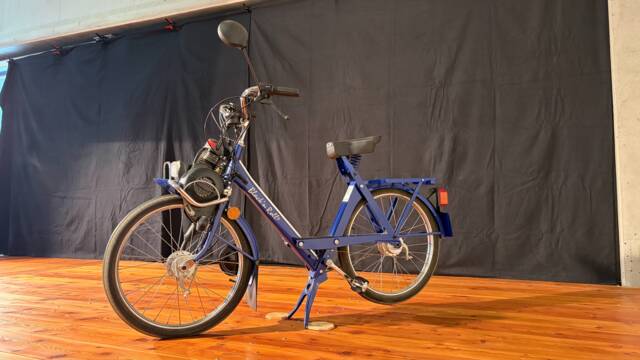
1966 | Solex Vélosolex Model 3800
Reduced to the essentials and all the more special for it

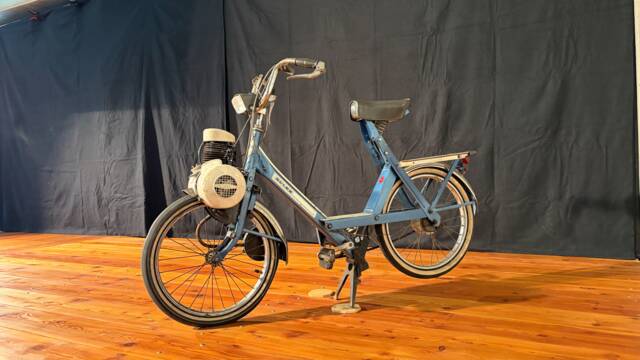
1971 | Solex Vélosolex Model 5000
French mobility classic with characteristic front-wheel drive
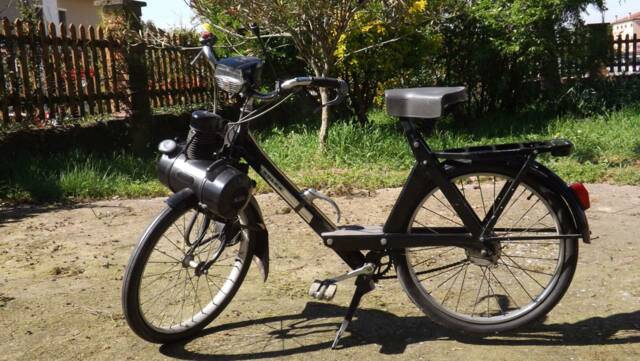
1967 | Solex Vélosolex Ami
-

1962 | Solex Vélosolex Ami
1962 Velo Solex S 2200 V1 49cc

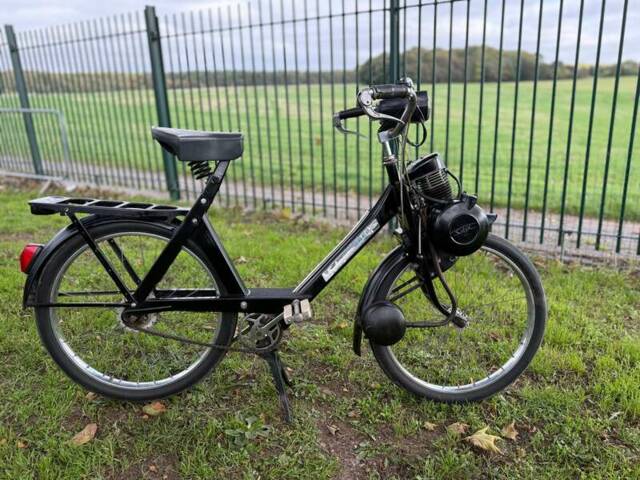
1968 | Solex Vélosolex Model 3800
1968 Velo Solex S 3800 49cc
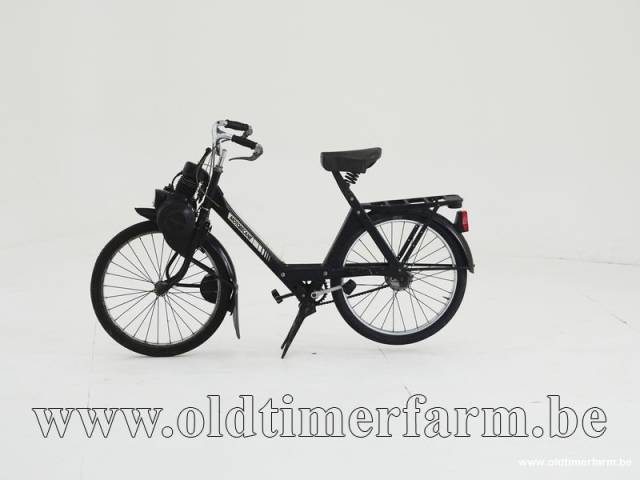
1966 | Solex Vélosolex Model 3800
1966 Solex 3800S '66

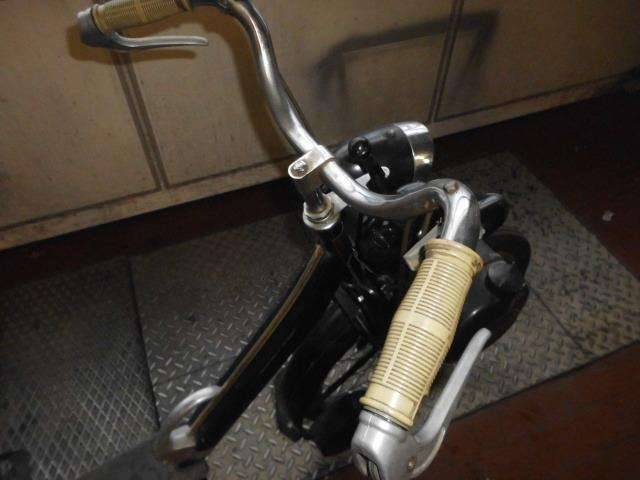
1970 | Solex Vélosolex Model 3800
Velosolex

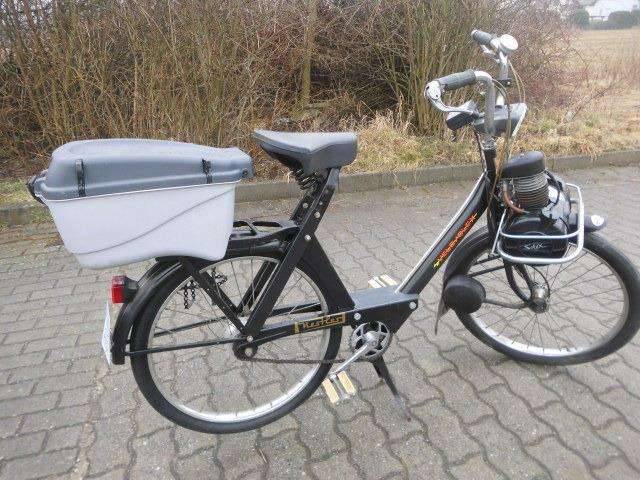
1974 | Solex Vélosolex Model 3800
Velosolex
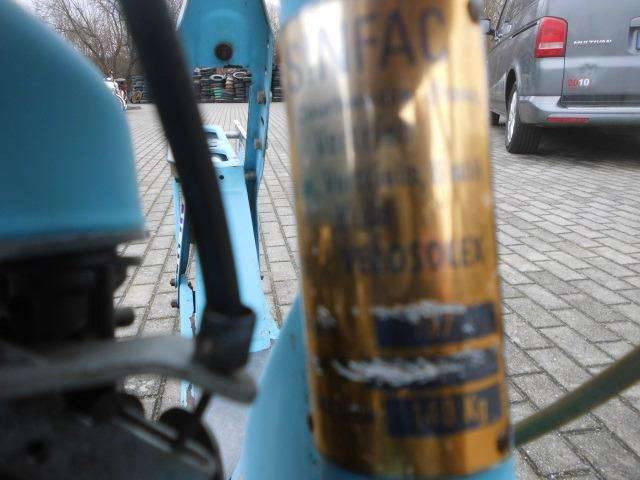
1975 | Solex Vélosolex Model 3800
Velosolex
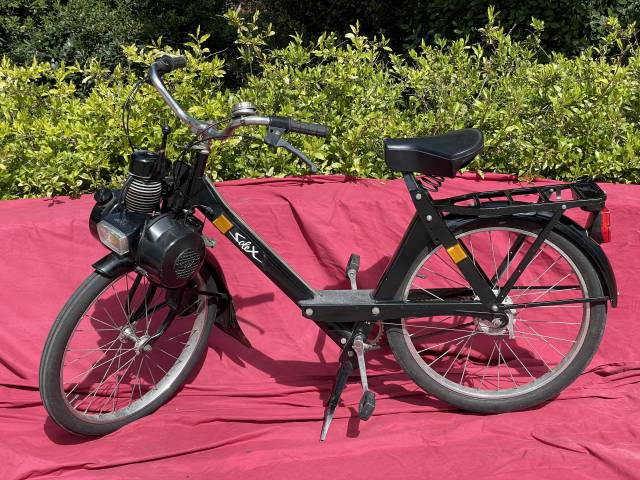
1986 | Solex Vélosolex Model 3800

History and Heritage
The Solex story begins not with mopeds, but with precision engineering. In 1905, Maurice Goudard and Marcel Mennesson, two French engineers, founded Solex to manufacture centrifugal radiators and carburettors. The name "Solex," chosen for its international appeal and brevity, quickly became synonymous with technical excellence. Throughout the interwar period, Solex carburettors equipped France's greatest automotive manufacturers—Citroën, Peugeot, and Renault—as well as prestigious marques like Rolls-Royce and Mercedes-Benz. The company's reputation for reliability and innovation was unmatched.
The genesis of the VéloSolex came during the Second World War. Facing fuel shortages and transport chaos under occupation, Mennesson conceived an ultra-lightweight, economical vehicle that could be produced simply. The first prototype emerged in 1941: a 38 cm³ engine mounted on a bicycle frame. The distinctive black colour, which would become inseparable from the brand, was already present. Series production began in April 1946 with the VéloSolex 45.
The concept was revolutionary in its simplicity: a two-stroke engine mounted above the front wheel, driving the tyre via a friction roller. No chain, no gearbox, no clutch (on early models). The success was immediate. In a France rebuilding itself, the Solex became the symbol of recovered freedom. It was not classified as a motorcycle but as an assisted bicycle, accessible to all without a licence.
Over the decades, the Solex evolved whilst retaining its essential character. In 1953, the Model 330 increased displacement to 49 cm³. The 660, 1010, 1400, and 1700 followed, with the latter introducing automatic clutch in 1959—a major advancement for urban riding. In 1966, the launch of the S 3800 marked the brand's zenith. More powerful (0.8 hp), more robust, it became the most-produced and most-iconic model, with over 7 million units manufactured at the Courbevoie factory.
The Solex transcended mere transportation. In the 1960s and 1970s, it was the inseparable companion of Latin Quarter students, factory workers commuting to plants, and rural priests. It embodied a particular vision of France: modest, ingenious, and poetic. Cinema embraced it—notably Jacques Tati, who made it central to his comedic universe in Mon Oncle and Les Vacances de Monsieur Hulot. The Solex appeared as a slightly temperamental but profoundly human machine, contrasting with cold, technological modernity.
Despite the emergence of more modern models like the Solex 5000 with smaller wheels and vibrant colours (orange, blue, yellow), competition from faster Peugeot and Motobécane mopeds eventually took its toll. French production ceased officially in 1988. The brand subsequently changed hands (Hungary, China) before being revived in electric form in the 2010s. For collectors, however, only the original friction-roller models truly matter.
Iconic Models and Evolution
The VéloSolex 45 (1946–1953) is the pioneer. With 650 mm wheels and a 45 cm³ engine, it established the legend. It is recognisable by its lack of clutch: to stop, one had to cut the engine or lift the motor block using the lever.
The Solex 1700 (1959–1961) introduced automatic clutch with two weights. This was revolutionary for urban use, allowing the rider to remain stationary with the engine running without needing to pedal to restart.
The Solex S 3800 (1966–1988) is the "classic of classics." It benefited from a stamped-steel frame that was more rigid and an optimised engine. It is the easiest model to find today and the one for which spare parts are most abundant.
The Solex 5000 (1971–1978) attempted to rejuvenate the brand's image. With 16-inch wheels (instead of 19), a plastic fuel tank, and "pop" colours, it targeted younger and female riders. Today it remains highly sought-after for its distinctive aesthetic.
The Solex Ami is a compact variant designed for accessibility and ease of use, featuring simplified mechanics and a more approachable riding position—ideal for newcomers to classic mopeds.
The Solex 3300 represents an intermediate step in the evolution, offering a balance between the early models and the more refined 3800, with improved reliability and easier maintenance.
Highlights and Features
What defines the VéloSolex is fundamentally its friction-roller transmission system. Unlike virtually all other motorised two-wheelers, the engine does not transmit power to the rear wheel via chain or belt. Instead, it is suspended above the front wheel, with a corundum roller pressing directly against the tyre. This system offers undeniable advantages: mechanical simplicity to the extreme, featherweight construction (approximately 30 kg), and maintenance that any competent amateur can perform with just a 9 mm and 14 mm spanner.
The engine is a single-cylinder, two-stroke, air-cooled unit of 49 cm³ (post-1953 models). Its design exemplifies economy: the fuel tank (1.4 litres initially, 3 litres on the 3800) is integrated into the engine block, and the diaphragm fuel pump uses pressure variations in the crankcase to deliver fuel to the carburettor. Consumption is negligible—between 1 and 1.5 litres per 100 km—earning it the nickname "the bicycle that runs for a penny."
The Fuel Pump: A Masterpiece of Simplicity
One of the Solex's most ingenious elements is its fuel pump. Unlike conventional motorcycles where the tank sits high to feed the carburettor by gravity, the Solex tank is positioned beside the engine. The pump, actuated by air pulsations in the crankcase, sends fuel to the carburettor. Excess fuel returns to the tank via a transparent return line, allowing the rider to visually confirm fuel circulation. It is simple, effective, and nearly indestructible.
The Solex's ergonomics are those of a city bicycle. The riding position is upright, the handlebars high, and the saddle suspended. To start, one pedals to launch the engine, then lowers the lever that presses the roller against the tyre. Silence is not its forte—the characteristic "pof-pof" of the two-stroke is inseparable from the experience—but vibrations are limited compared to a conventional motorcycle.
Another strength is its portability. At 30 kg, a Solex can be carried into an apartment, transported in a car boot, or stored in a garage corner without consuming space. It is the urban vehicle par excellence, capable of threading through congestion with remarkable agility.
Finally, the Solex is a minimalist design object. Its traditional black livery with gold pinstripes (on classic models) conveys timeless elegance. Every component is functional: the bumper protects the engine, the tool box is integrated beneath the luggage rack, and the headlight is fixed to the engine block. This aesthetic of necessity makes it today a highly prized collector's item.
Technical Data
Fuel Note: The Solex runs on a two-stroke mixture (petrol + oil). Historically, "Solexine"—a ready-mixed fuel sold in yellow cans at petrol stations—was standard. Today, a 2% synthetic or 3% mineral oil mixture is recommended. Lead substitute additives are unnecessary for these engines.
Market Overview and Buying Tips
The Solex market in Australia is growing steadily, driven by increasing interest in vintage European vehicles and sustainable urban mobility. Unlike the robust French market, Australian availability is more limited, but dedicated enthusiasts and importers ensure a steady supply of quality examples.
Australian Pricing (2024–2025)
Prices are quoted in Australian dollars (A$) and reflect both local availability and import costs:
- Barn Find / Restoration Project: A$300–A$700. Expect seized engines, surface rust, and worn tyres. Ideal for mechanically-minded restorers willing to invest time and effort.
- Running, Original Condition: A$800–A$1,400. The Solex starts and runs, but requires cosmetic and mechanical attention for reliable daily use. Often the best value for enthusiasts.
- Restored / Excellent Original: A$1,600–A$2,500. Engine rebuilt (new rings, seals, bearings), paint clean, consumables renewed. Ready to ride with confidence.
- Rare Models (45, 5000 in colour, Ami variants): A$2,800–A$5,000+ for exceptional examples or highly sought variants.
Import Considerations: Many Australian Solex owners source machines from European markets (France, Germany, UK) where availability is greater and prices lower. Typical import costs include:
- Freight (sea): A$400–A$800 depending on packaging and destination
- Import duty and GST: approximately 10% of declared value
- Quarantine inspection (if required): A$100–A$300
- Total landed cost can add 15–25% to the purchase price
What to Inspect When Buying
The Engine: This is the heart of any Solex. Check compression by turning the flywheel by hand—it should offer moderate resistance. A seized engine is not necessarily catastrophic (often just the roller stuck by old oil), but justifies a price reduction. The fuel pump is a common weak point: verify that fuel reaches the carburettor. Listen for a healthy "pof-pof" when running; rough idle or stalling suggests carburettor issues or ignition problems.
The Friction Roller: Inspect the roller carefully. If it is smooth, cracked, or missing chunks of corundum, replacement is necessary (A$60–A$100 locally or A$40–A$70 imported). A worn roller will slip on the tyre, especially in wet conditions. Check for excessive play in the roller bearing.
The Frame: Rust is the enemy. Examine the inside of the fuel tank (often pitted if the machine sat empty for years) and the frame's lower sections. A bent or cracked frame is a deal-breaker. Dented guards indicate the machine's history but are cosmetic concerns.
Tyres: Solex tyres have specific dimensions (1.75 × 19 for the 3800, 2 × 16 for the 5000). Cracked or perished rubber must be replaced immediately for safety. A worn front tyre (from roller contact) can fail suddenly.
Documentation: Australian registration is increasingly required for vintage mopeds. A machine with a current registration or historical registration papers is a significant advantage. Without documentation, you may face delays and costs in re-registering the vehicle.
Parts Availability in Australia: Whilst not as abundant as in Europe, Solex parts are obtainable. Online retailers in the UK and Europe ship to Australia, though postage can be substantial. Local classic vehicle specialists occasionally stock common consumables. Building relationships with European Solex clubs and forums is invaluable for sourcing rare components.
Maintenance and Restoration
One of the great pleasures of owning a Solex is the ease with which it can be maintained. The mechanics are straightforward, logical, and require no expensive specialist tools.
Routine Maintenance
Regular upkeep is simple:
- Jet Cleaning: If the engine hesitates or floods, the carburettor jet often needs cleaning. It unscrews in seconds and can be cleared by blowing through it.
- Decarbonising: Every 2,000–3,000 km, decarbonise the exhaust port and silencer to maintain power output.
- Ignition Points: The contact breaker points must be precisely gapped (0.4 mm) for reliable starting and stable idle.
- Tyre Pressure: An under-inflated front tyre accelerates roller wear and reduces performance. Maintain 2 bar front, 2.5 bar rear.
Full Restoration
A "show-quality" restoration costs A$800–A$1,600 in parts and consumables (paint, chrome, tyres, seals). Fortunately, parts availability is excellent. Specialist retailers like Solex-Story, Chebco, and VSX France offer refabricated components of high quality: rings, pistons, seals, fuel pumps, and even complete frames. Shipping to Australia typically takes 2–4 weeks.
Traditional black paint can be applied as epoxy for maximum durability, or conventional automotive paint for authenticity. Gold pinstripes, if hand-painted, require skill but transform the machine's appearance dramatically.
Riding Experience
Riding a Solex is a sensory experience unlike any modern vehicle. It begins with the ritual of starting. You settle onto the saddle, pedal like a bicycle to build momentum, then flip the engine lever forward. The roller engages the tyre, the engine coughs, sputters, and suddenly you feel a gentle push. You stop pedalling: you are "solexing."
The speed is modest—30–35 km/h cruising—but feels faster due to the engine's proximity and the absence of suspension. Every road imperfection transmits directly to the rider, part of the charm (and discomfort) of the machine. The sound is omnipresent: the whistle of the roller on the tyre mingles with the characteristic "pof-pof" of the two-stroke. It is a mechanical symphony that isolates you from the world.
Braking, managed by rim pads or small drums, is... symbolic. Anticipation is essential, especially in rain where the roller tends to slip and brakes lose bite. Wet-weather riding demands dexterity; sometimes you must assist the roller's grip by gently pressing the engine block downward.
The Solex dislikes hills. As the road rises, the small engine labours and pedalling assistance becomes necessary. This constant interaction between human and machine is what makes riding so engaging. You do not merely endure the journey; you live it. The engine's sound, the distinctive two-stroke aroma, and the wind on your face deliver a sense of freedom unmatched by modern vehicles.
In urban environments, the Solex excels. Its slenderness allows it to thread through congestion where bulkier scooters cannot. It is the ideal tool for short errands, weekend rides, or simply the pleasure of riding "nose to the wind." You rediscover your surroundings at a pace that permits observation of details usually overlooked.
Design and Philosophy
The Solex's design is a masterpiece of functionalist thinking: form follows function. Nothing is superfluous. The stamped-steel frame of the 3800, with its angular lines, is simultaneously light and rigid. The engine, cantilevered above the front wheel, gives the Solex its unmistakable asymmetrical silhouette.
Black, nearly exclusive for decades, was not an aesthetic choice initially but an economy and manufacturing simplicity measure. Over time, it became the brand's signature, enhanced by hand-painted gold pinstripes on guards and tank. This restraint contrasts sharply with the gleaming chrome of American motorcycles or the vibrant colours of Italian scooters of the era.
The Solex's philosophy is the democratisation of mobility. Maurice Goudard stated: "We do not sell a machine; we sell affordable kilometres." This pragmatic approach appealed across all social strata. The Solex does not seek to impress through power or luxury, but through reliability. It is a humble, almost domestic object that asks only for modest attention to function reliably for decades.
Today, the Solex has become a highly prized "vintage" object for urbanites seeking authenticity. It represents a poetic alternative to the standardisation of modern transport. Owning a Solex is a statement of a particular lifestyle: chosen slowness and simple mechanical pleasure. It is also an act of resistance against planned obsolescence: a 1960s Solex can still ride daily with minimal maintenance.
Culture and Significance
The VéloSolex occupies a unique place in European cultural memory, and its appeal is increasingly global.
In Cinema: Beyond Jacques Tati, the Solex appears in countless European films from the 1950s–1970s. It characterises modest characters, students, and eccentrics. In Les Valseuses (1974), Patrick Dewaere and Gérard Depardieu employ it memorably. Recently, it remains essential for recreating the atmosphere of mid-20th-century France. Its on-screen presence triggers immediate nostalgia.
Competitive Culture: Surprisingly, a genuine Solex racing culture exists. Endurance events like the famous "24 Hours of Nouziers" pit heavily modified machines capable of exceeding 100 km/h against each other. These competitions demonstrate the passion and ingenuity of "solexists" who transform a humble bicycle into a racing machine.
Clubs and Community: France hosts dozens of enthusiast clubs (such as the Solex Club de France) organising rides, parts exchanges, and gatherings. These clubs are invaluable for sourcing original components and technical advice. The Solex spirit is fundamentally one of camaraderie and mutual aid. One rarely encounters another solexist without exchanging waves or stopping to discuss mechanics.
Australian Context: In Australia, Solex ownership remains niche but growing. The machine's simplicity, low environmental impact, and charm appeal to environmentally-conscious riders and vintage enthusiasts. Australian Solex clubs and online communities are emerging, connecting owners for advice, parts sourcing, and organised rides. The machine's ability to navigate Australia's diverse terrain—from urban streets to rural roads—makes it increasingly relevant in an era of sustainable transport.
Conclusion
The VéloSolex is far more than a nostalgic relic; it remains a vehicle with genuine contemporary relevance. Its simplicity, economy, and universal appeal make it an intelligent choice for those wishing to enter the classic vehicle world without excessive expense or weekend-long mechanical sessions.
Whether you select an S 3800 for its legendary robustness, a 5000 for its distinctive pop aesthetic, an Ami for its approachability, a 3300 for its balanced evolution, or a 45 for its historical significance, you are not merely purchasing a moped. You become the custodian of a piece of automotive history, a witness to an era when mobility meant simplicity and freedom.
The Solex proves that a good idea never dies. As long as roads exist and enthusiasts remain to make the roller sing against the tyre, the "bicycle that runs by itself" will continue to turn heads and scatter smiles in its wake. It is an invitation to slow travel, discovery, and the pure pleasure of mechanical simplicity—values increasingly precious in our accelerated world.
For Australian riders and collectors, the Solex represents an accessible entry point into European classic vehicle culture, a machine that bridges continents and generations through its timeless design and mechanical honesty.