- Motorcycle
- Puch
- Puch 500 (0 offers)
Puch 500 Classic Cars for Sale
The Puch 500 blends Austrian engineering with Italian charm, offering a compact city car with distinctive technical features and a specialist following. With a unique background rooted in collaboration with Fiat, it occupies a special place in automotive circles for its engineering quirks and historical context.
Search results
Currently, there are no matching listings for your search.
Create search alert
Let yourself be notified as soon as a listing is published that matches your search filters.
Create listing
Do you have a Puch 500 that you want to sell? Then create a listing now.
Create listingPuch 500 listing references from Classic Trader
Below you will find listings related to your search that are no longer available on Classic Trader. Use this information to gain insight into availability, value trends, and current pricing for a "Puch 500" to make a more informed purchasing decision.
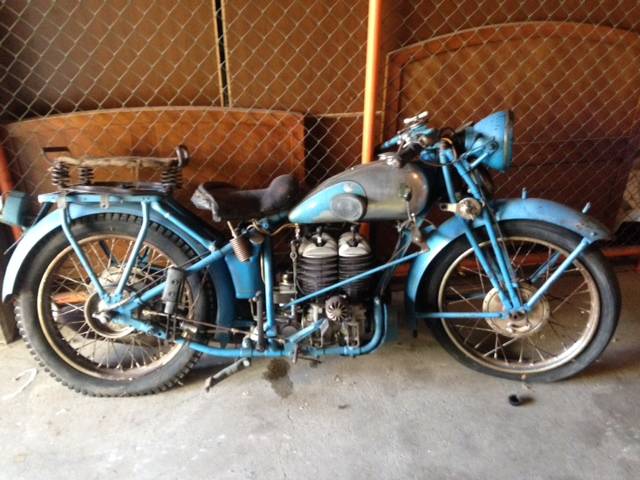
1931 | Puch 500
PUCH 500 N

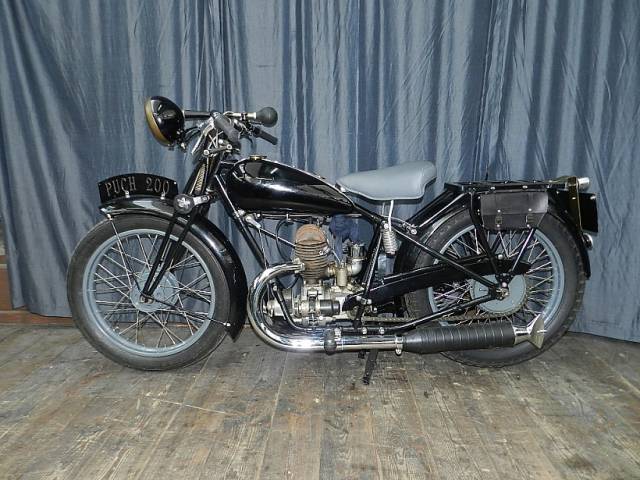
1931 | Puch 500

Create search alert
Let yourself be notified as soon as a listing is published that matches your search filters.
Create listing
Do you have a Puch 500 that you want to sell? Then create a listing now.
Create listingPuch 500 Classic Motorbikes: Prices & Market Values
History of the Puch 500
The Puch 500 emerged from the production halls of Steyr-Daimler-Puch in Graz, Austria, beginning in the late 1950s. Developed under licence from Fiat, the car was fundamentally based on the Fiat 500 platform but heavily adapted by Puch engineers to suit local requirements. While sharing the classic shape of its Italian cousin, the Austrian-built 500 gained a reputation for mechanical robustness and was cherished in alpine environments thanks to its engineering modifications. Its manufacture continued well into the 1970s, supporting daily mobility in urban and rural settings across Austria and beyond.
Model Series History
The model history of the Puch 500 tracks directly to the close technical and commercial cooperation with Fiat. The car’s immediate predecessor was the Fiat-created Nuova 500, with Puch reworking vital components for adaptation in the local market. Key engineering departures included a distinct parallel-twin engine and modified running gear. The series stood alone in the Puch portfolio as a compact city car, with no true successor following its discontinuation, as Puch focused on other areas after the 500’s production ended.
Special Features and Statistics of the Puch 500
The Puch 500 distinguishes itself through a combination of Austrian mechanical solutions and Italian design cues. Unlike the standard Fiat 500, the Puch models featured a unique flat-twin engine, redesigned for reliability and alpine suitability. These changes made the car especially adept in mountainous regions, providing a valuable alternative to its Italian sibling.
Technical Data
Special Editions and Collectible Models
Several variations were produced, notably the Puch 500 D and the rarer 500 S, which incorporated specific trim elements, improved engine tuning, and sometimes special paint schemes to mark limited production runs. Such models are typically sought by enthusiasts who value unique engineering twists and relative exclusivity.
Weak Spots and Common Issues
Due to a lack of data provided regarding weak spots, be aware that as with most microcars of this era, rust in the chassis and floorpans, as well as wear in the compact engine and transmission components, is common. Mechanical spares may require sourcing through specialist channels, especially for unique Puch-specific engine parts.
Engine and Performance, Transmission and Handling
The Puch 500’s engine is a defining element: unlike the Fiat’s inline design, Puch engineered a flat-twin layout delivering greater reliability and improved cooling efficiency in demanding conditions. The transmission is a manual unit, designed for city agility and capable hill climbing, key for Austria’s topography. The car exhibits nimble handling, a light steering touch, and appreciable traction on uneven or steep routes. Noteworthy among available Puch 500 variants are the 500 D (with its improved engine and trim detail) and the 500 S (performance and appearance modifications), both highly regarded for their specific engineering attributes.
Interior, Comfort, Exterior and Design
The Puch 500 stayed true to the ergonomic and spartan Fiat 500 layout, but interior details and materials occasionally differed to accommodate local buyer tastes. Distinctive badges and unique engine arrangements differentiate the model visually and mechanically. Period-typical Austrian accessories such as auxiliary heating, as well as seasonal modifications for mountainous use, were sometimes fitted at buyer request.
Other Features
Though fundamentally utilitarian, the Puch 500 could be delivered or retrofitted with rare factory or dealer accessories, including roof racks, snow chains, or specialised instrumentation for mountain driving.
Summary
The Puch 500 stands as a specialist interpretation of the classic city car concept, rooted in collaboration with Fiat but transformed by focused Austrian engineering. Its unique technical attributes and local adaptations make it a compelling choice for collectors seeking something beyond the usual Italian fare—a microcar with true regional character and practical usability.