- Motorcycle
- Puch (2 offers)
Buy Puch Motorcycles
From the innovative split-single engines of Graz to the ubiquitous Maxi mopeds, Puch represents a unique chapter in European motorcycling history. These sturdy Austrian machines offer a distinct mechanical character that has found a dedicated following among Australian collectors and vintage enthusiasts.
Search results
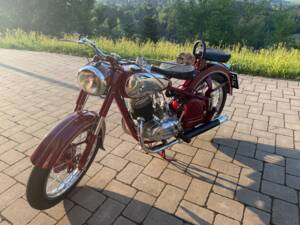
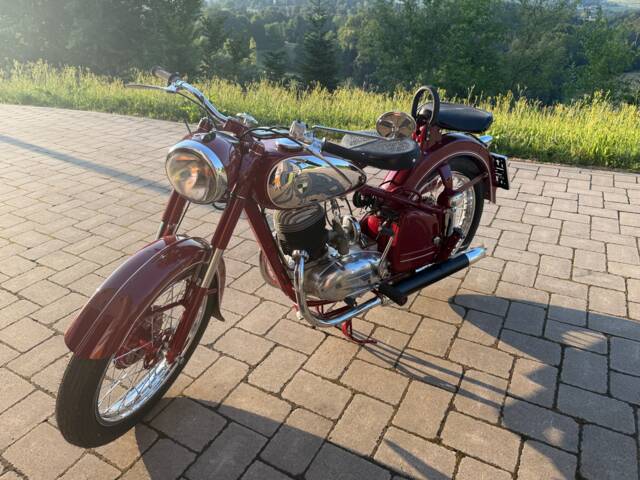
1951 | Puch 250 TF
Export-Rot, komplett restauriert – auktionsreifer Top-Zustand

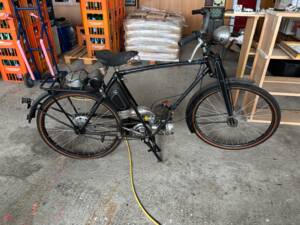
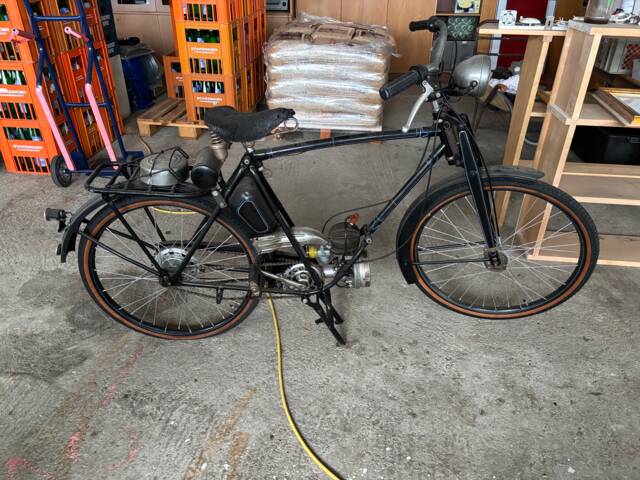
1938 | Puch Styriette
Motorfahrrad Styriette
Puch listing references from Classic Trader
Below you will find listings related to your search that are no longer available on Classic Trader. Use this information to gain insight into availability, value trends, and current pricing for a "Puch" to make a more informed purchasing decision.
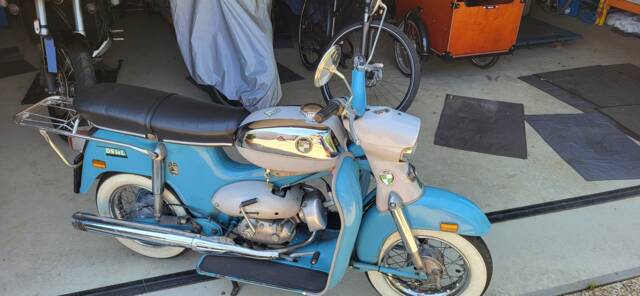
1975 | Puch DS 50 L
Legendär
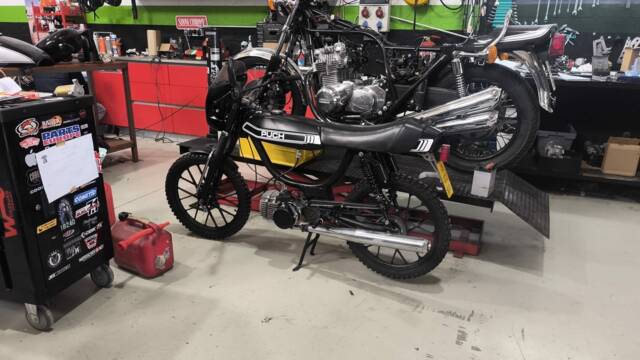
1979 | Puch Magnum Mk II
Ciclomotor / Moped

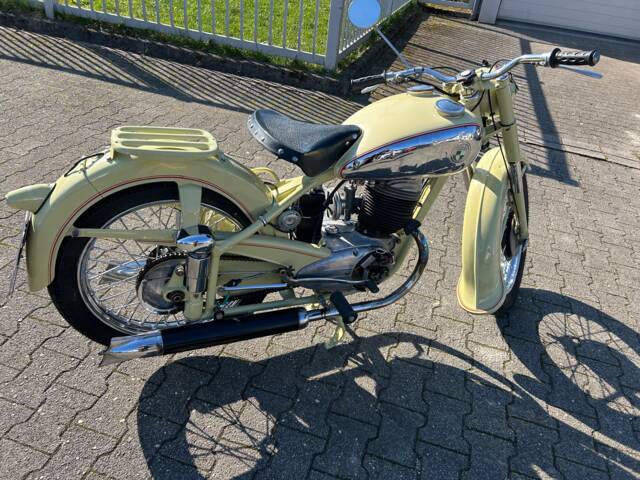
1951 | Puch 250 TF
Verkauf aus Altersgründen

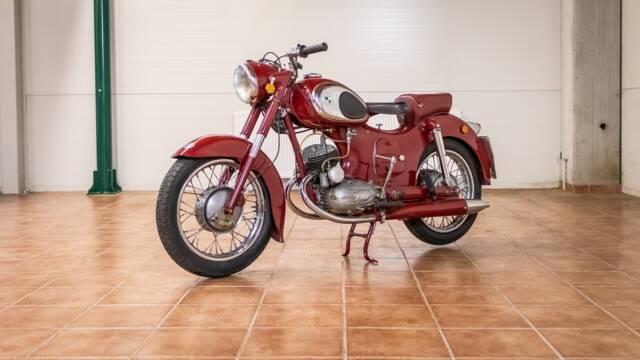
1956 | Puch 125 SVS
Premium 125cc series model
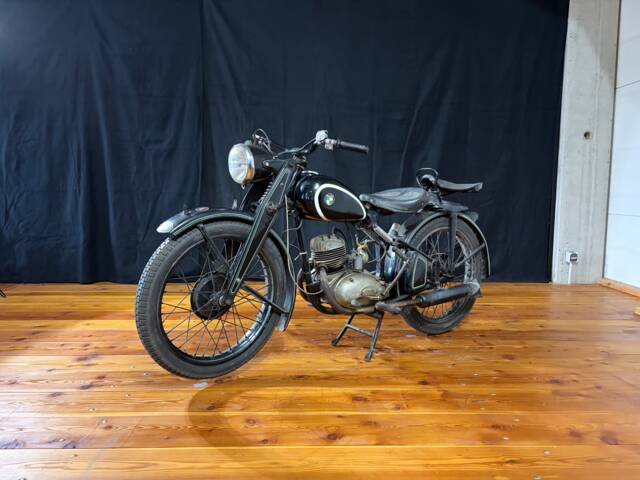
1950 | Puch 125 T
Characterful 125cc model from Graz production
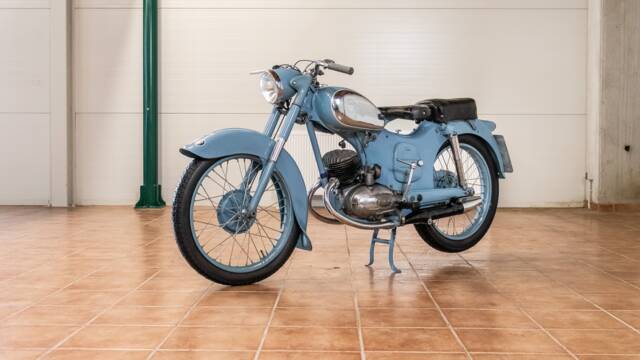
1953 | Puch 150 TL
Authentic model of Austrian motorcycle history
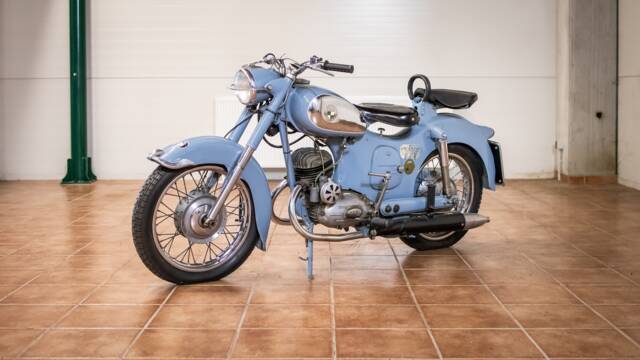
1953 | Puch 175 SV
Sporty lightweight motorcycle from the early 1950s
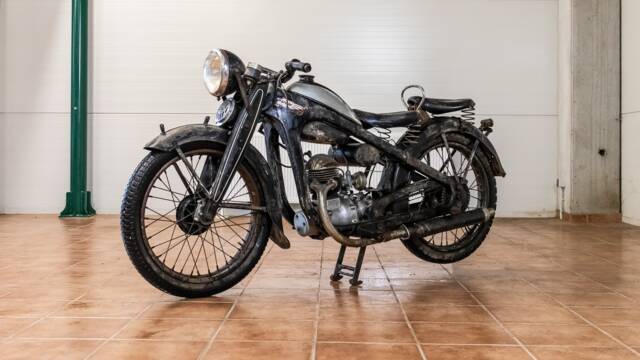
1939 | Puch 200
Compact model from pre-war Graz production
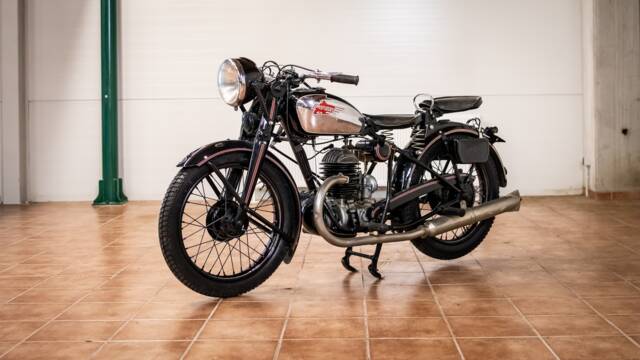
1936 | Puch 250 S 4
Milestone of pre-war engineering, built for road and racing
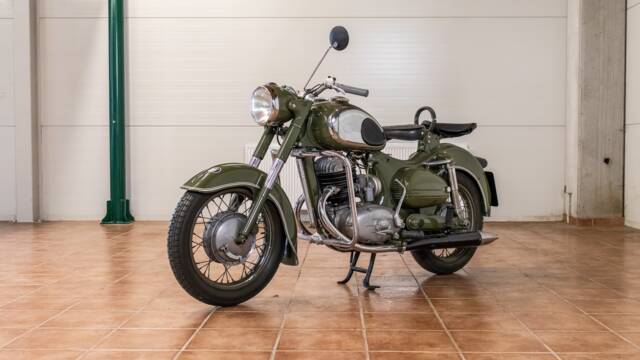
1955 | Puch 250 SG
Significant model of the Austrian motorcycle era
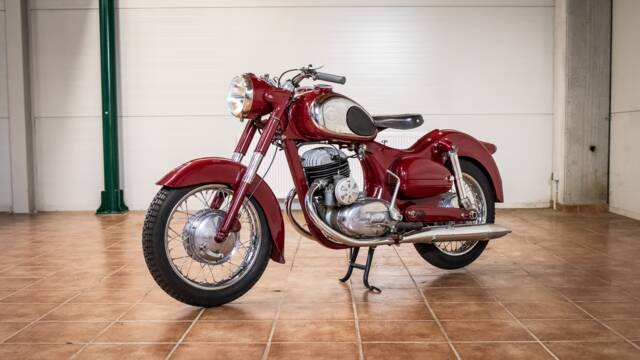
1955 | Puch 250 SGS
Swing-Fork Sports Classic with Dual-Piston Technology
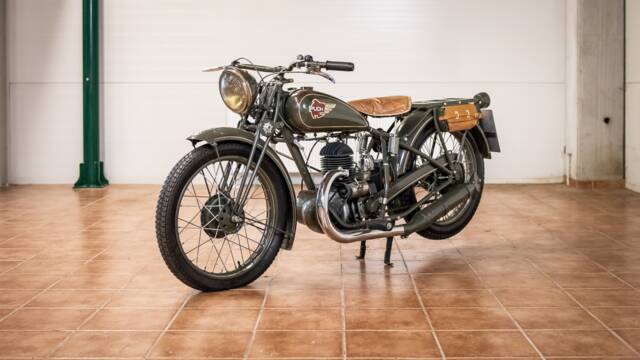
1931 | Puch 250 T
Traditional collector's item from the interwar period
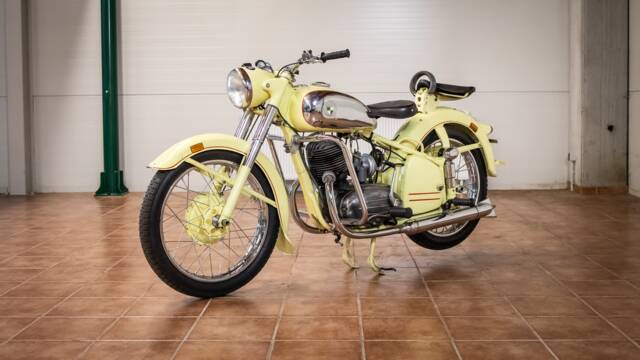
1950 | Puch 250 TF
Significant model in Austrian motorcycle history
History & Heritage
The story of Puch began in 1889 when Johann Puch established a small workshop in Graz, Austria. Initially focused on bicycle production, the company quickly expanded into motorized transport. By 1903, the first Puch motorcycle left the factory, a sturdy single-cylinder machine designed for reliability and utility. This early focus on solid engineering became a hallmark of the brand, helping it secure contracts with the Austro-Hungarian military during the early 20th century.
Following the First World War, the European economy faced significant challenges. Puch navigated these turbulent times through a series of mergers, eventually becoming part of the Steyr-Daimler-Puch AG conglomerate in 1934. This period saw the development of more sophisticated models, including the Puch 500, a powerful twin-cylinder machine that demonstrated the company's ability to compete at the higher end of the market.
The most significant technical breakthrough for Puch came in 1923 with the arrival of Italian engineer Giovanni Marcellino. He was tasked with liquidating the company but instead revolutionized its engine design. Marcellino developed the split-single engine, often called the "Twingle" in English-speaking markets. This design featured two pistons sharing a single combustion chamber, allowing for better scavenging and cooling than traditional two-stroke engines. This innovation would define Puch motorcycles for decades to come.
After the Second World War, Puch shifted its focus toward affordable, lightweight transportation. The 125 SV and 175 SV models, introduced in the early 1950s, brought the split-single technology to the masses. These bikes were known for their reliability and distinctive exhaust note. The 250 SGS, launched in 1953, became the flagship of the range, offering enough power for touring while remaining simple to maintain.
In the 1960s and 70s, Puch expanded into the moped market with incredible success. The Puch Maxi, introduced in 1969, became a global phenomenon. Its simple pressed-steel frame and reliable 50cc engine made it the first motorized vehicle for millions of young people. While the company eventually ceased motorcycle production in the late 1980s, the legacy of its engineering lives on through active owner clubs and a thriving vintage scene.
In Australia, Puch motorcycles arrived primarily as private imports or through small-scale distributors. While never as common as British or Japanese brands, they earned a reputation for being "over-engineered" and capable of handling long distances. Today, the Australian Puch community is small but passionate, often centered around broader European or vintage motorcycle clubs.
Highlights & Features
The defining feature of any classic Puch motorcycle is undoubtedly the split-single engine. This "Twingle" design is a mechanical curiosity that fascinates modern collectors. By using two pistons in a single cylinder block, Puch achieved the benefits of a two-stroke engine (simplicity and power-to-weight) while mitigating common issues like poor fuel-air mixing and overheating. When you look at a Puch engine, you see a single spark plug and a single combustion chamber, but two connecting rods on a shared crankpin.
The Puch 250 SGS stands out as the most desirable model for serious collectors. Known in the United States as the Sears Allstate 250, it was a versatile machine that could handle everything from daily commuting to light off-road work. Its 17 horsepower might seem modest today, but in the 1950s, it provided respectable performance for a 250cc machine. The dual exhaust pipes, one for each piston, give the bike a balanced, symmetrical look that is highly prized.
For those who prefer smaller displacements, the Puch 125 SV and 175 SV offer the same split-single charm in a more compact package. These models are often finished in a deep maroon or black with chrome accents, embodying the classic European aesthetic of the 1950s. They are remarkably light and agile, making them excellent choices for vintage rallies or club runs on winding Australian backroads.
The Puch Maxi moped is a highlight for a different reason. It represents the pinnacle of utilitarian design. The "step-through" frame, integrated fuel tank, and automatic transmission made it accessible to everyone. In Australia, the Maxi is often the entry point for new collectors. Its simplicity means that even those with limited mechanical experience can keep one running. The availability of performance parts also makes it a favorite for "moped tuning" enthusiasts.
Puch also made significant contributions to the off-road world. The Puch 125 MC and GS models were competitive in motocross and enduro events during the 1960s and 70s. These bikes featured high-mounted exhausts, reinforced frames, and long-travel suspension. While rare in Australia, they are highly sought after by vintage dirt bike collectors who appreciate their rugged Austrian construction.
Another notable feature of Puch motorcycles is their build quality. Unlike some of their contemporaries, Puch used high-quality castings and reliable electrical systems. The use of Bosch components was common, ensuring a level of reliability that many British bikes of the era struggled to match. This durability is one reason why so many Puch machines have survived in original, unrestored condition.
Technical Data
All split-single models use a unique asymmetrical port timing system. The front piston controls the intake and transfer ports, while the rear piston controls the exhaust port. This allows for a more efficient clearing of exhaust gases and a fresher charge of fuel and air. Cooling is typically provided by large fins on the cylinder head and barrel, though some later small-displacement models used forced-air cooling via a fan.
Market Overview & Buying Tips
Buying a classic Puch in Australia requires a different approach than in Europe. Because these bikes were never sold here in massive numbers, the local market is thin. You will rarely find more than a handful of listings at any given time on platforms like Gumtree or Bikesales. This scarcity can drive prices up, but it also means that the bikes that do appear are often well-loved by enthusiasts.
Current Prices in Australia (AUD): For a Puch 250 SGS in good, rideable condition, expect to pay between $5,500 and $8,500. Exceptional, museum-quality restorations can fetch upwards of $12,000, especially if they have a documented history or original Australian registration. Project bikes that require a full engine rebuild and cosmetic work usually start around $2,500 to $3,500.
The Puch 125 and 175 SV models are slightly more affordable. A decent runner will typically cost between $4,000 and $6,000. These are excellent entry points for someone wanting the "Twingle" experience without the premium price of the 250. The Puch Maxi remains the most accessible, with prices ranging from $1,200 for a tidy original to $2,500 for a fully restored or customized example.
Importing from Europe: Many Australian collectors choose to import directly from Austria or Germany, where the selection is much larger. However, you must factor in significant additional costs. Shipping a motorcycle from Europe to a major Australian port (Sydney, Melbourne, Brisbane) typically costs between $2,500 and $4,500 AUD. This includes crating, sea freight, and port handling fees.
The Asbestos Factor: Australia has a strict zero-tolerance policy for asbestos in imported vehicles. Classic Puchs often contain asbestos in original brake shoes, clutch plates, and engine gaskets. Before shipping, you must ensure these components are replaced with modern, asbestos-free alternatives and obtain a certificate of testing. Failure to do so can result in the bike being seized by Australian Border Force or subjected to expensive cleaning and testing at the port, which can cost thousands of dollars.
Parts Availability: There are no major dedicated Puch parts suppliers in Australia. Most owners rely on importing parts from European specialists like RBO Stöckl or Puch Wieser in Austria. While these companies are excellent and ship internationally, the shipping costs for heavy items like cylinders or crankshafts can be high. It is often more economical to bundle multiple parts into a single order. For common items like spark plugs, tires, and chains, standard motorcycle shops can usually help.
What to Inspect: When looking at a Puch, the engine is the most critical component. Because the split-single design is unique, parts are not interchangeable with other brands. Listen for excessive mechanical noise, which could indicate worn crank bearings or piston slap. Check the compression; because there are two pistons, a leak in one can be harder to diagnose than in a standard single.
The electrical systems on older Puchs are often 6-volt and can be temperamental. Many owners in Australia convert them to 12-volt systems using kits from companies like Powerdynamo (Vape). This significantly improves lighting and reliability, making the bike much safer for modern traffic. If a bike has already been converted, it is a significant plus for its value.
Riding Experience
Riding a Puch split-single is an exercise in mechanical character. When you kick-start a 250 SGS, the first thing you notice is the sound. It doesn't have the sharp "ping" of a Japanese two-stroke or the "thump" of a British four-stroke. Instead, it produces a deep, rhythmic growl. The two pistons working in tandem create a unique exhaust pulse that feels more substantial than a typical 250cc machine.
On the road, the power delivery is surprisingly linear. Unlike many two-strokes that have a narrow "power band," the Puch pulls cleanly from low revs. This makes it a very friendly bike for city riding or navigating traffic. The four-speed gearbox is generally reliable, though the throw between gears can feel long compared to modern machines. Finding neutral can sometimes be a challenge when the engine is hot, a common quirk of the era.
The handling of a Puch is best described as stable and predictable. The frames are heavy and stiff, which prevents the "wobble" that some lightweight vintage bikes suffer from at speed. In an Australian context, this stability is welcome on highways where crosswinds and passing trucks can be an issue. However, the suspension is basic by modern standards. The telescopic forks and twin rear shocks provide a firm ride that transmits a fair amount of road surface detail to the rider.
Braking is perhaps the biggest reminder of the bike's age. The original drum brakes are adequate for casual riding but require a firm hand and plenty of foresight. If you plan on riding your Puch regularly in modern Australian traffic, upgrading to high-friction, asbestos-free brake linings is a must. Some owners even opt for larger drum swaps from other models, though this can affect the bike's originality.
The Puch Maxi offers a completely different experience. It is light, flickable, and incredibly easy to ride. There is something liberating about buzzing through suburban streets on a machine that weighs less than 50 kilograms. While it won't win any races, the Maxi has a "go-anywhere" attitude that makes it perfect for short trips to the beach or the local cafe. In Australia, where mopeds are often restricted to 50 km/h zones, the Maxi is perfectly in its element.
For the off-road models like the 125 GS, the experience is one of lightweight agility. These bikes were designed for the tight, technical trails of the Austrian Alps, and they translate well to Australian bush tracks. They are not high-speed desert racers, but they are excellent for "trials-style" exploring where balance and low-end torque are more important than outright horsepower.
Design & Aesthetics
Puch design philosophy can be summarized in three words: form follows function. There is a distinct lack of "fluff" on these machines. Every component looks like it was designed by an engineer rather than a stylist. This gives Puch motorcycles a rugged, purposeful appearance that has aged remarkably well.
The green and white emblem, representing the colors of the Styria region in Austria, is a proud badge of quality. On the 1950s models, this is often accompanied by elegant gold pinstriping on the tank and fenders. The deep maroon paint used on many SV and SGS models is particularly striking and stands out in a sea of black and chrome vintage bikes.
The fuel tank design on the split-single models is a highlight. It is often large and teardrop-shaped, giving the bike a "big bike" feel despite its modest displacement. The integrated toolboxes, often built into the side panels or the tank itself, are a clever touch that shows the practical mindset of the designers. These toolboxes are often the first place to look for rust, as they can trap moisture over decades.
The Puch Maxi redefined moped design. By using a "U-frame" that doubled as the fuel tank, Puch created a machine that was both incredibly strong and easy to manufacture. This design has been copied by countless other manufacturers over the years, but the original Maxi remains the most recognizable. The variety of colors available, from bright orange and lime green to more sober blues and reds, reflected the youthful spirit of the 1970s.
In the 1930s, Puch experimented with more ornate designs. The Puch 500 featured sweeping fenders and more chrome than the post-war models. These bikes have an "Art Deco" influence that is very different from the utilitarian machines that followed. While these pre-war models are extremely rare in Australia, they represent the peak of Puch's aesthetic ambition.
The use of pressed steel for frames and fenders was a Puch specialty. This allowed for complex shapes that would have been difficult to achieve with tubing. It also contributed to the bikes' distinctive "solid" look. When restoring a Puch, paying attention to the quality of the metalwork is essential, as these pressed sections can be difficult to repair if they are badly dented or rusted through.
Other Considerations
One interesting aspect of Puch history is its relationship with the American market. Many Puch motorcycles were sold in the US through the Sears, Roebuck & Co. catalog under the Allstate brand. This means that many "American" vintage bikes are actually Austrian Puchs in disguise. For Australian collectors, this is relevant because parts and information can often be found on US-based forums and websites under the Allstate name.
The Australian Puch community is largely informal. While there isn't a massive national club, owners often connect through the Haflinger Club of Australia, which caters to all Steyr-Daimler-Puch vehicles. This includes the famous Haflinger and Pinzgauer 4WDs, as well as the motorcycles and scooters. Joining these groups is the best way to find local knowledge, help with registration, and leads on bikes for sale.
Racing Heritage: Puch has a proud racing history, particularly in endurance and off-road events. The 250 SGS was a successful competitor in long-distance rallies across Europe. In 1954, a Puch 250 SGS won the grueling 24-hour Bol d'Or race in France, proving the reliability of the split-single design under extreme conditions. While Puch never had a major racing presence in Australia, this international pedigree adds to the brand's prestige among local collectors.
Pop Culture: The Puch Maxi has a significant place in pop culture, often appearing in films and television shows as the quintessential "European moped." In Australia, it is often associated with the "postie bike" culture, though it was never used by Australia Post. Instead, it occupies a niche as a stylish, retro alternative to modern scooters.
Technical Documentation: Finding original workshop manuals and parts catalogs in English can be a challenge. Most original documentation was in German. However, thanks to the US export market, English-language manuals for the Sears Allstate models are widely available online. These are invaluable for Australian owners who may not be fluent in German but need to perform complex engine work.
Summary
Puch motorcycles are a testament to Austrian engineering ingenuity. They offer a unique mechanical experience that is unlike anything else in the vintage motorcycle world. The split-single engine remains a fascinating piece of technology that provides a distinctive sound and feel on the road. Whether you are drawn to the classic lines of the 250 SGS or the simple charm of the Maxi, owning a Puch is a way to stand out from the crowd.
In Australia, the Puch scene is small but rewarding. While you have to work harder to find bikes and parts, the community is supportive and the machines themselves are remarkably durable. The challenges of importing and the strict asbestos regulations are hurdles, but for many, the reward of riding a "Twingle" through the Australian countryside is well worth the effort.
If you are looking for a vintage motorcycle that is sturdy, technically interesting, and full of character, a Puch should be high on your list. It is a machine that rewards those who appreciate fine engineering and are willing to go the extra mile to keep a piece of Austrian history on the road. From the streets of Graz to the highways of Australia, the Puch legacy continues to roll on.