- Motorcycle
- Norton (11 offers)
Buy Norton Motorcycle
Since 1898, Norton has represented the pinnacle of British racing success and engineering. With 42 TT victories, the brand remains a cornerstone of the Australian classic motorcycle scene.
Search results

1968 | Norton JAP Sprint Racer 'Wotan'
1968 Norton JAP Sprint Racer 'Wotan' 1,150cc

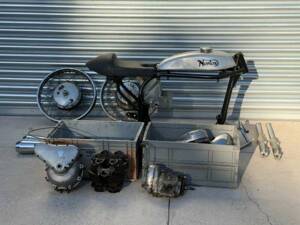
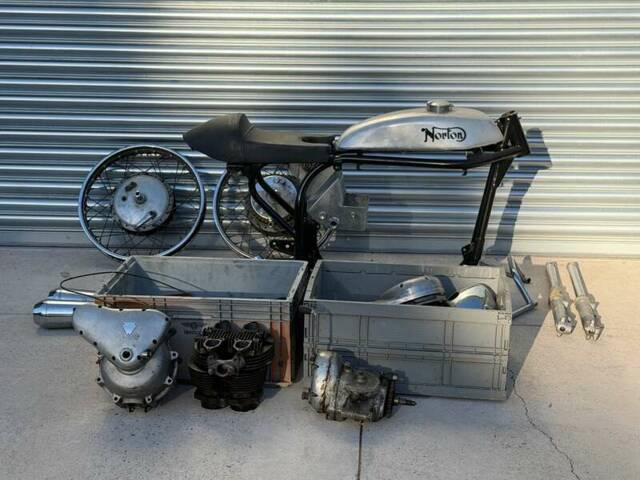
1968 | Norton Triton 650
1968 Norton 'Triton' T110 Project 648cc
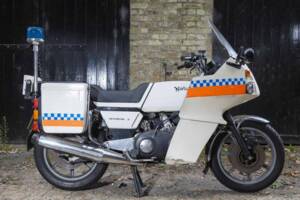
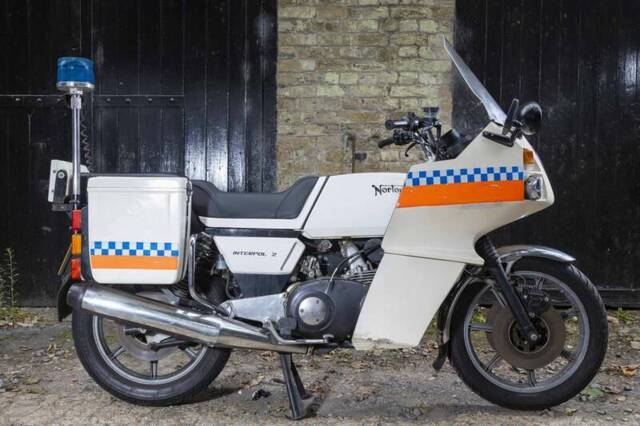
1988 | Norton Interpol 2
1988 Norton Interpol 2 588cc
Newsletter
The best Norton listings, straight to your inbox
Get hand-picked Norton listings, plus the best of cars, motorbikes, and auctions on Classic Trader — all in one place.
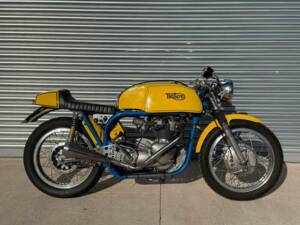
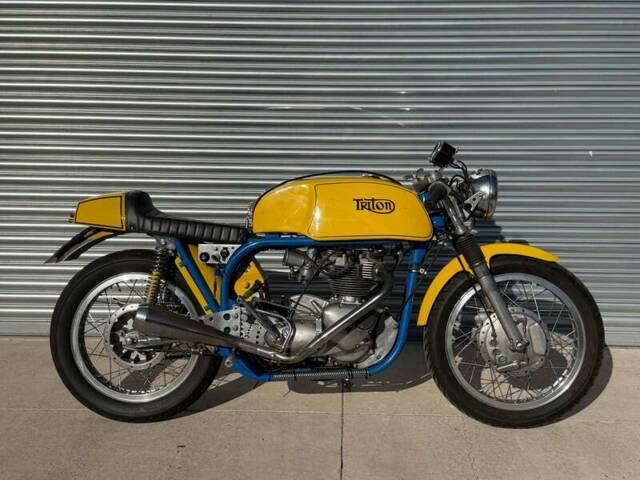
1961 | Norton Triton 650
1961 Norton Triton 649cc
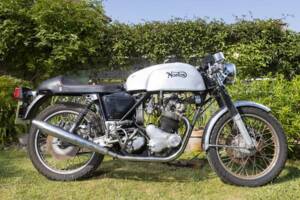
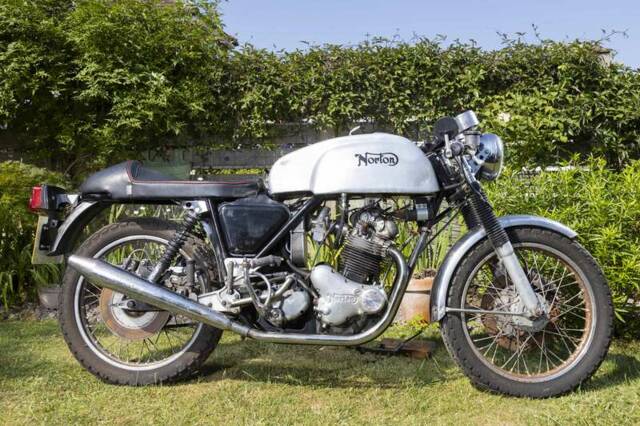
1976 | Norton Commando 920
1976 Norton Commando MkIII Special 920cc
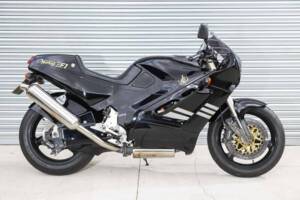
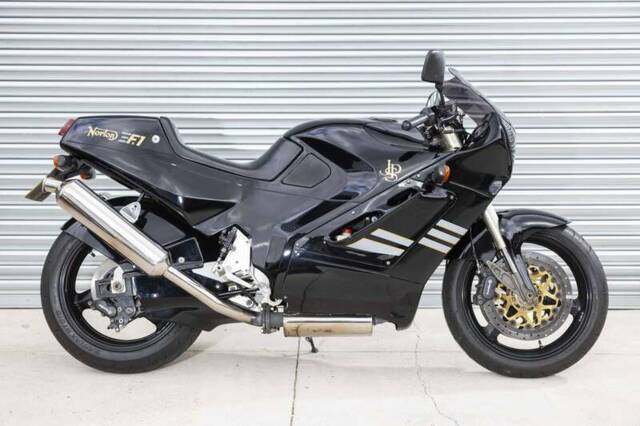
1990 | Norton F1
1990 Norton F1 588cc
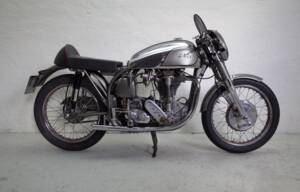
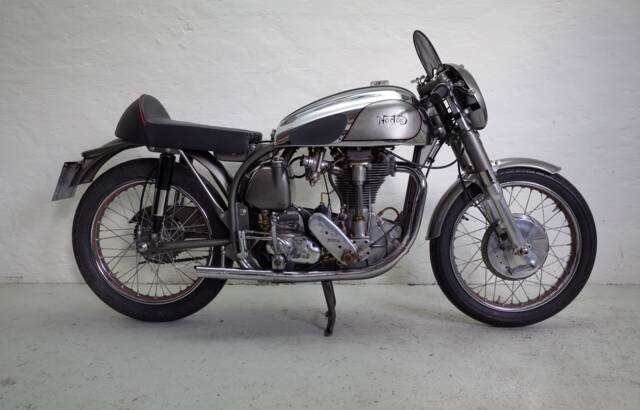
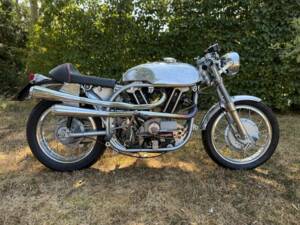
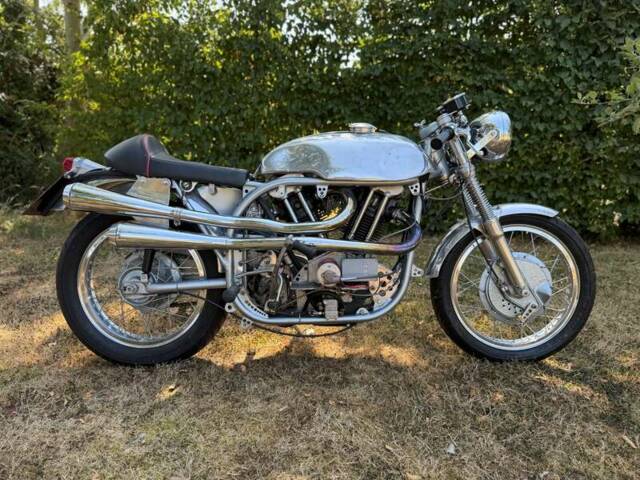
1954 | Norton International Model 40
Genuine Clubman. Raced to 5th place at 1954 Isle of Man Clubman TT




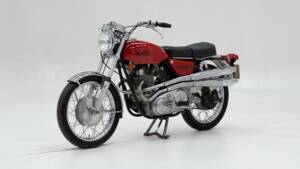
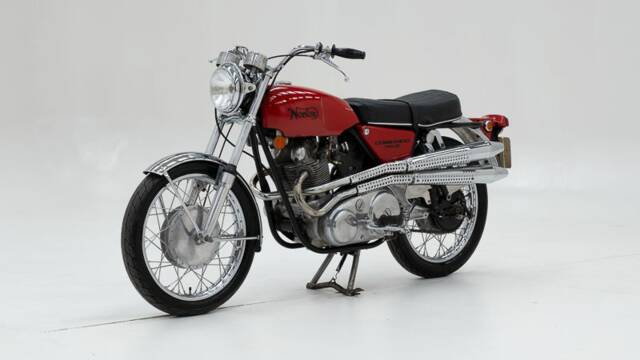
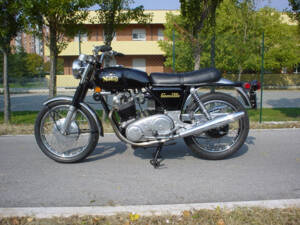
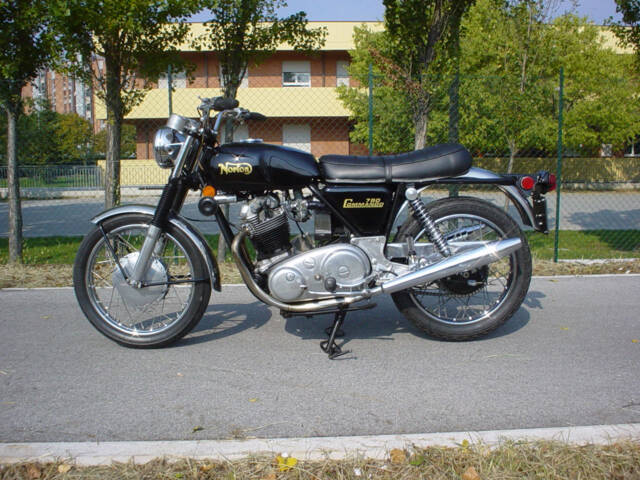
1970 | Norton Commando 750
1970 Norton Commando 750 S '70

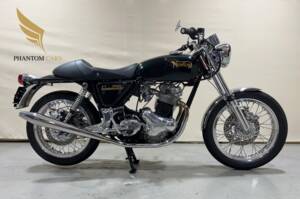
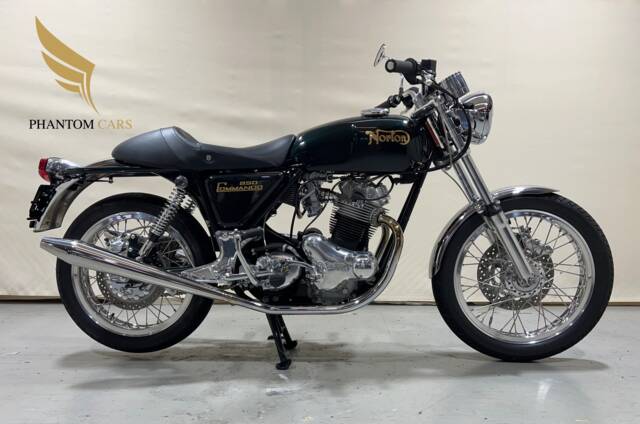
1975 | Norton Commando 850 Roadster
*** TOP ZUSTAND *** Komplett Restauration über Fr. 70'000.- *** Perfekter Zustand *** Eintausch & Finanzierung möglich ***

Norton listing references from Classic Trader
Below you will find listings related to your search that are no longer available on Classic Trader. Use this information to gain insight into availability, value trends, and current pricing for a "Norton" to make a more informed purchasing decision.
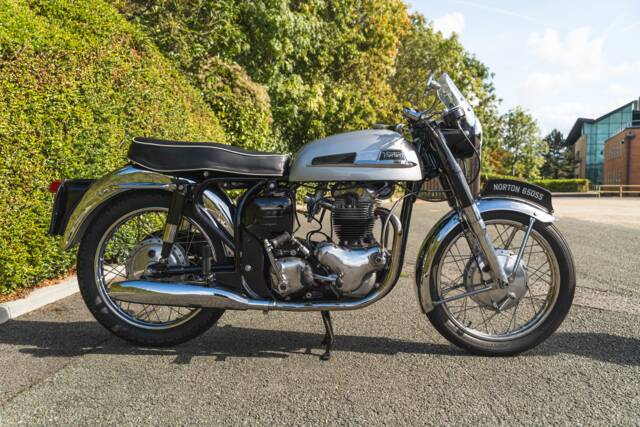
1964 | Norton 650 SS
Restored, Collector Grade
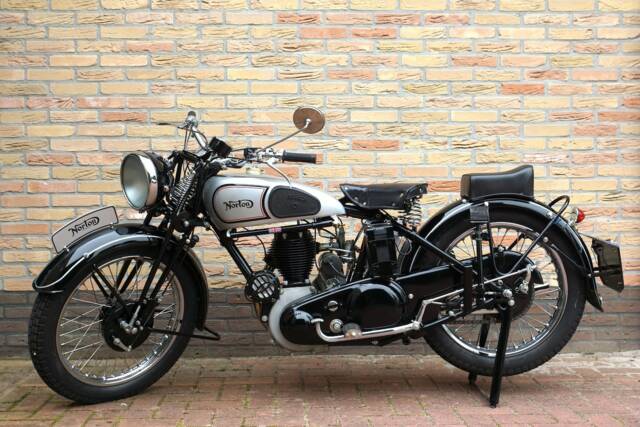
1942 | Norton Big Four 4
Schitterende Norton model 16 H uit 1942
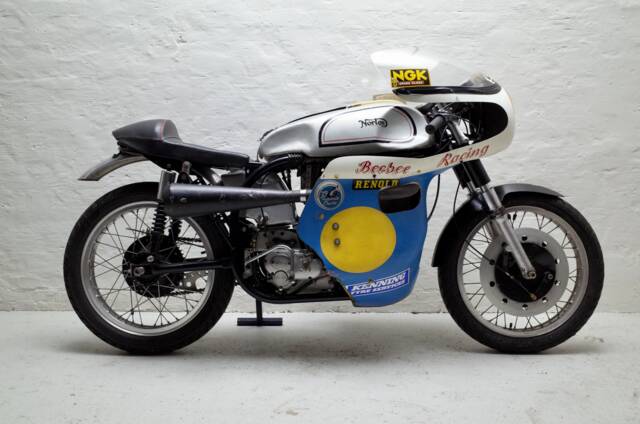
1955 | Norton Manx 500
Norton Manx SOHC Longstroke. Full race fairing. Great patina
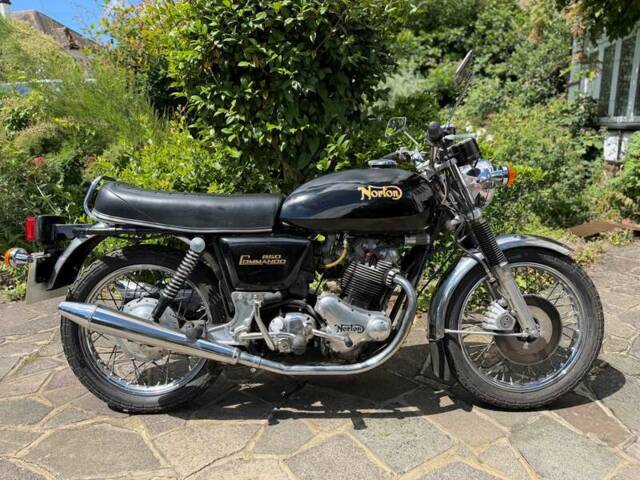
1974 | Norton Commando 850 Roadster
1974 Norton 850 Commando 828cc
History & Heritage
James Lansdowne Norton founded the Norton Manufacturing Co. in Birmingham in 1898, initially as a supplier of bicycle components. By 1902, the brand's first motorcycle, the Energette, was born, powered by a French Moto-Rexe engine. The real breakthrough came in 1907 when Rem Fowler rode a Norton to victory in the very first Tourist Trophy (TT) race. This triumph established a racing dynasty that remains unmatched: 42 TT wins between 1907 and 1993—a record that solidified Norton's reputation in the Southern Hemisphere as the "unapproachable" racing machine.
In the interwar period, Walter Moore's OHC design led to the 1931 CS1, while his successor Arthur Carroll developed the famous International. These models made Norton the dominant force in Grand Prix racing during the 1930s. The Model 16H (from 1921) with its 490cc side-valve engine became the brand's workhorse, particularly as the WD16H for the British Army during WWII. Approximately 100,000 units were produced, many of which found their way to Australia, serving as reliable transport for returning servicemen and forming the backbone of early Australian motorcycle clubs.
Post-1945 saw the introduction of the Featherbed frame, designed by Rex McCandless. Debuting in 1950, it revolutionised handling. The Norton Manx (1946–1962) became the most successful racing machine of its era, securing eight rider world championships and nine constructor titles between 1949 and 1954. Simultaneously, Bert Hopwood developed the 1949 Dominator parallel-twin, which provided the mechanical blueprint for all subsequent twin-cylinder models.
In 1953, Norton joined AMC (Associated Motor Cycles), alongside Matchless and AJS. By 1962, the Norton Atlas appeared with 745cc, specifically targeting the export markets where displacement was king. However, the true flagship of the post-war era was the Norton Commando (1967–1977). Chief engineer Dr. Stefan Bauer developed the Isolastic system, using rubber mounts to decouple the engine and gearbox from the frame, eliminating the vibrations that plagued traditional British twins. The Commando was voted "Machine of the Year" in the UK five times in a row from 1968 to 1972, and it remains the most sought-after Norton in the Australian collector market today.
Despite technical brilliance, financial instability led to the collapse of AMC in 1966. Ownership shifted to Norton-Villiers and later Norton-Villiers-Triumph (NVT). Production of the original Commando ceased in 1977. After several failed comeback attempts in the 1980s and 90s with rotary-engined models like the Classic and Commander, the brand was eventually acquired by the Indian TVS Motor Company in 2020. Today, Norton is undergoing a revival in the UK, with modern interpretations of the Commando and V4SV aiming to reclaim the brand's legendary status.
Highlights
Norton is defined by three core pillars: racing DNA, innovative chassis engineering, and charismatic parallel-twins.
The Featherbed frame (from 1950) was years ahead of its time. Its twin-loop cradle made of Reynolds steel tubing lowered the centre of gravity and distributed loads optimally. Combined with Roadholder telescopic forks, it set the benchmark for handling precision in the 1950s. The Manx dominated both amateur and professional racing, becoming the most successful production racer of its time. In Australia, the Featherbed frame is often the starting point for "Triton" builds (Triumph engine in a Norton frame), though original Norton-framed Dominators are increasingly prized by purists.
The Isolastic system of the Commando was a stroke of genius. Three rubber mounts—two at the front and one at the swingarm—absorbed engine vibrations without sacrificing rigidity. This allowed Norton to continue using its proven but rough pre-unit twins while offering riders a smoothness comparable to modern multi-cylinder bikes. The trade-off is that the rubbers wear out and require replacement every 10,000–15,000 km; otherwise, the bike can feel "loose" or "weave" under acceleration—a common point of discussion among Australian Norton owners.
The Norton Manx is the holy grail for collectors. Production numbers were low, with an estimated 1,200 units built between 1946 and 1962. The final series from 1961/62, featuring the short-stroke engine and dual-overhead cams, is the ultimate iteration. At international auctions, original Manx models fetch between A$65,000 and A$130,000, while those with documented racing history can exceed A$160,000.
The Commando 750 Fastback (1968–1970) with its distinctive "tail" seat is currently the most desirable Commando variant. The Production Racer version from 1970—only about 200 built—is extremely rare and commands prices between A$40,000 and A$55,000. Conversely, the Interstate is often undervalued but offers superior long-distance capability with its larger tank, making it a practical choice for the vast Australian landscape at a more accessible A$15,000 to A$25,000.
The Norton Dominator 99 (596cc) and 650SS (646cc) are the "insider tips" of the market. The 650SS (1961–1965), with its twin Amal carburettors and 49 hp, could reach 180 km/h—extraordinary for the early 60s. Restored examples in Australia typically range from A$20,000 to A$30,000. The Atlas is more rugged and vibrates more than the Commando but offers a raw, visceral experience for those who prefer the Featherbed frame (A$12,000–A$18,000).
Technical Data
Notes:
- Isolastic System: All Commandos use three rubber mounts for vibration damping. Wear leads to "weaving"—replacement every 10,000–15,000 km is recommended.
- Primary Drive: Single-row roller chain in oil bath (Duplex chain from Commando Mk III, 1975).
- Ignition: Contact points (Lucas); many owners upgrade to Boyer-Bransden electronic ignition.
- Carburettors: Twin Amal Concentric (Commando), twin Amal Monobloc (Dominator 650SS), single Amal GP (Manx).
Market Overview & Buying Tips
The Norton market in Australia is robust, supported by a dedicated network of clubs and specialists. The market is split between investment-grade racers (Manx, Production Racer) and rideable twins (Commando, Dominator, Atlas). While the Manx is a blue-chip investment with stable to rising prices, the Commando remains the entry point for most enthusiasts, offering a high "smiles-per-dollar" ratio.
Price Segments (A$ - 2024/2025):
- Norton Manx 500: A$65,000–A$130,000 (complete, original); racing provenance adds 50–100%.
- Norton Commando 750 Fastback: A$25,000–A$35,000 (Matching numbers, excellent condition); projects from A$12,000.
- Norton Commando 850 Interstate: A$15,000–A$25,000 (Interstate generally less sought after than the Roadster).
- Norton Commando 850 Mk III: A$20,000–A$30,000 (Electric start and rear disc brake make it highly desirable for riders).
- Norton Dominator 650SS: A$20,000–A$30,000 (restored); A$10,000–A$15,000 (rideable, unrestored).
- Norton Atlas 750: A$12,000–A$18,000 (good condition); under A$8,000 for projects.
- John Player Special (JPS) Commando: A$30,000–A$45,000 (original); replicas are significantly cheaper.
Recent Australian Auction Results (Shannons/Donington, 2024–2025):
- 1975 Commando 850 Mk3, excellent condition: A$31,000 (April 2024)
- 1972 Commando 750 Roadster, restored: A$18,500 (March 2025)
- 1970 Commando 750 Fastback, burgundy/silver: A$22,000 (Late 2024)
- 1962 Dominator 650SS, project state: A$9,500 (January 2025)
Buyer Profiles:
- The Racing Purist: Seeks a Manx or an Atlas with a Featherbed frame. Focuses on originality, matching numbers, and racing history. Budget: A$40,000+.
- The Commando Enthusiast: Looks for a 750 Roadster or Fastback for weekend rides and club meets. Values rideability over absolute concours originality. Budget: A$18,000–A$30,000.
- The Restorer: A project bike (Dominator, Atlas, or early Commando) for a ground-up build. Budget: A$5,000–A$12,000, plus A$10,000–A$20,000 in restoration costs.
- The Investor: Targets the Manx, Production Racer, or rare variants like the Combat or JPS. Budget: A$35,000–A$150,000.
Buying Advice by Model:
Norton Commando (1967–1977):
- Isolastic Mounts: Check for lateral play—the engine should not move more than 5mm side-to-side. Worn mounts cause instability at speed. Replacement kits (approx. A$500) are available, but the labour is intensive.
- Main Bearings: The drive-side main bearing is a known weak point in early 750s. Symptoms include metallic knocking from the crankcase. Replacement requires a full engine teardown (A$2,500–A$4,000).
- Combat Engine (1972): Be cautious of the "Combat" spec 750. Norton's attempt to push the 750 to 65 hp resulted in frequent crankshaft and main bearing failures. Most have been converted back to standard spec, which is preferable for reliability.
- Gearbox: The right-side shift (until 1974) takes getting used to. From 1975 (Mk III), it moved to the left. A noisy gearbox is normal, but difficult shifting suggests worn selector forks.
- Primary Chain: The single-row chain wears faster than the duplex chains found on later models. Check for stretch—replacement is approx. A$250.
- Brakes: Early Commandos (pre-1972) have drum brakes. From 1972, a 280mm front disc was introduced. The Mk III (1975–1977) with its rear disc and electric start is the best "daily" classic.
- Electrics: The Lucas alternator provides little current at idle. A modern regulator/rectifier and Boyer-Bransden electronic ignition (approx. A$450) are essential upgrades for reliability.
- Frame: Check for cracks around the Isolastic mounts and the headstock. Welding repairs can cost A$800–A$1,500.
Norton Dominator 650SS (1961–1965):
- Cylinder Head Gasket: Frequent oil leaks between the cylinder and head. Replacement is approx. A$500 including labour.
- Valve Stem Seals: Wear leads to blue smoke on startup. Replacement is approx. A$350.
- Roadholder Forks: Check for leaking seals. A full rebuild costs approx. A$600.
- Drum Brakes: The 203mm front drum is weak by modern standards and prone to fading on long descents.
Norton Manx (1946–1962):
- For experts only—without provenance and matching numbers, originality is hard to prove. Many replicas and "bitsas" exist.
- Engine: The DOHC engine requires specialist knowledge. Valve clearances must be checked every 500 km. Parts are extremely expensive—a camshaft alone can cost A$2,500+.
- Frame: Original Featherbed frames have stamped numbers. Check for the Reynolds steel tubing stamps.
Parts & Shipping to Australia:
The spare parts supply for Commandos is excellent, but most come from the UK. Companies like Andover Norton (UK) and RGM Norton (UK) are the primary sources. While parts are readily available, shipping costs to Australia can be significant. A heavy order (e.g., a cylinder head or crankshaft) can cost A$200–A$400 in air freight alone. Local specialists like Classic Bike Spares in Australia stock common items, but for major restorations, you will likely be importing from the UK. Expect a 10–14 day lead time for UK parts.
What to Look for When Buying:
- Matching Numbers: Frame, engine, and gearbox numbers should match. Verify against the Norton Owners Club (NOC) records—membership is highly recommended for any serious buyer (approx. A$80/year).
- Originality: Many Commandos have been modified (clip-ons, rear-sets, Dunstall exhausts). While this doesn't always hurt the value, original parts are expensive to source.
- Import Status: UK-spec bikes are generally more desirable in Australia than US imports, as they feature the correct lighting and km/h speedometers (though many AU bikes were originally delivered with mph clocks).
- Compression: 180–200 psi per cylinder is ideal. Below 150 psi indicates worn rings or valves.
- Test Ride: Check cold start behaviour—the engine should warm up within 5 minutes without misfiring. Between 3,000–5,000 rpm, there should be no hesitation (carburettor sync). Listen for primary chain slap under acceleration.
Performance
Riding a Norton Commando is an experience that balances vintage soul with surprisingly modern dynamics. The Isolastic-mounted engine delivers its power between 3,000 and 6,500 rpm without the bone-shaking vibration typical of a BSA Gold Star or a Triumph Bonneville. The 58 hp of the 750 might not sound overwhelming, but the torque pulls from as low as 2,500 rpm, allowing the bike to accelerate cleanly in fourth gear from 80 km/h.
The Featherbed frame (pre-1971) offers a level of precision that defies its age. Through corners, the Commando tips in with a lightness that feels more like a modern middleweight—the low centre of gravity and 50/50 weight distribution make it a joy on twisty Australian B-roads. Later frames (post-1971) are slightly less rigid but still superior to almost anything else from the era.
The Roadholder forks were the gold standard of their day but can feel under-damped by modern standards. On undulating surfaces, the front end can feel soft, and the bike dives significantly under hard braking. The twin-shock rear suspension is firm—comfort is secondary to control. Long-distance hauls on the Interstate version are made easier by the higher bars and 22-litre tank, but the narrow seat will still test your endurance after 200 km.
The gearbox is mechanical and direct. Each gear engages with a positive "clack"—no mushiness, no false neutrals if maintained. The right-side shift (pre-1975) is the biggest hurdle for riders used to modern bikes, but it quickly becomes second nature. The four-speed box is well-spaced, with fourth acting as a relaxed overdrive for highway cruising at 110 km/h (approx. 4,200 rpm).
Acceleration: 0–100 km/h takes about 5.8 seconds for the 750 Commando—faster than a contemporary Triumph Bonneville (6.2s). The 850 drops this to around 5.4 seconds thanks to its superior torque. Top speed is 185 km/h (750) and 190 km/h (850), though the upright riding position makes anything over 140 km/h a windy affair.
Braking: The 280mm front disc (from 1972) provides adequate stopping power but requires a firm squeeze—there's no power assistance here. The rear drum is mostly for stability and can lock easily in the wet. The Mk III (1975–1977) with its rear disc brake is a significant step forward in safety and consistency.
The Norton Sound is unmistakable: a deep, rhythmic thrum at idle that rises into an aggressive, metallic roar at 4,000 rpm. It sounds like British racing heritage—rawer than an Italian V-twin but with more character than a Japanese four. Dunstall "decibel" silencers are a popular period modification in Australia, offering a fruitier note without being antisocial.
The Norton Dominator 650SS is a more visceral experience. Without the Isolastic system, you feel every revolution of the engine. It’s a bike for purists who view vibration as feedback rather than a nuisance. The connection between rider and machine is more immediate—every throttle input and gear change is felt directly through the pegs and bars.
The Norton Atlas is even more rugged. Its 745cc engine was designed before "vibration-free" was a marketing term. At 5,000 rpm, the bike literally dances on the tarmac, and the mirrors become a blur. But the torque is brutal: a handful of throttle in third gear at 3,000 rpm will loft the front wheel. It’s a muscle bike for short, sharp blasts rather than long tours.
Design
Norton’s design philosophy was always form follows function. There are no chrome excesses or futuristic fairings; instead, the beauty lies in the engineering. The Featherbed frame itself is an aesthetic statement—the flowing twin loops embrace the engine like an exoskeleton, visible and unadorned.
The Norton Commando Fastback (1968–1970) is widely considered the aesthetic peak. Its swept-back, integrated seat and tail unit create a visual line from the headstock to the rear, suggesting speed even when parked. Colour schemes were classically understated: Silver Smoke, British Racing Green, and Burgundy with silver pinstriping.
The Interstate version (from 1972) adopted a more muscular 22-litre tank and a wider seat. While it lost some of the Fastback's elegance, it gained a purposeful, long-legged look that suited the Australian market perfectly.
The John Player Special (JPS) Commando of 1974 was a rare departure into flamboyant styling. With its black and gold livery celebrating Norton’s Formula 750 racing sponsorship, it featured a distinctive fairing and twin headlights. Only 200 were produced globally, making an original JPS one of the rarest sights at any Australian bike show.
The Featherbed frame was the work of Rex McCandless, who designed it so the engine acted as a stressed member. The result was a minimalist frame that looked lighter and more athletic than the bulky duplex frames used by Triumph or BSA. Every component—from the Smiths instruments with their cream faces to the Amal carburettors—was built to be serviced and repaired, not replaced.
Later Commandos (Mk II from 1975) introduced black plastic indicators and an electric starter—concessions to modern safety and convenience that some purists felt cluttered the clean lines of the original design. However, the Mk III's electric start (though notoriously weak) made the Norton accessible to a wider range of riders.
The Norton Manx stripped away everything unnecessary: no lights, no speedo, no padding. Just a hand-beaten aluminium tank, a leather racing saddle, and a megaphone exhaust. It was a tool for winning races, and its beauty came from that singular focus.
Key Designers:
- Rex McCandless: Created the Featherbed frame that defined Norton’s success in the 50s and 60s.
- Dr. Stefan Bauer: The German engineer who developed the Isolastic system, Norton’s final masterstroke.
- Bert Hopwood: Designed the Dominator parallel-twin, the heart of Norton for nearly 30 years.
Other
Norton’s racing legacy is the foundation of the brand’s mystique. 42 TT wins on the Isle of Man is a record that stands as a testament to British engineering. Norton dominated the TT from its inception until the 1960s, and even after the Manx went out of production in 1962, privateers continued to win on used machines until 1969.
The World Championship era (1949–1954) saw Norton as the undisputed number one. Geoff Duke won three 500cc world titles on Norton Manx machines, and Les Graham won the very first 500cc championship in 1949. Between 1949 and 1954, Norton won every single constructor's world title in the 350cc and 500cc classes—a level of dominance that neither Honda nor Yamaha has ever matched.
In Australia, the Norton Owners Club (NOC) is incredibly active, with branches in NSW, Victoria, Queensland, and WA. Events like the All British Day and the Historic Winton races see large turnouts of Nortons, from oily-rag survivors to six-figure restorations. The community is a vital resource for new owners, providing technical advice and leads on hard-to-find parts.
Cultural Impact: In the UK and Australia, Norton is a national icon. The Commando appeared in countless films and TV shows of the 1970s. Steve McQueen was a famous Norton owner, as is Jay Leno, who keeps several Manx and Commandos in his collection. In Australia, the Norton was the bike of choice for the "serious" rider—those who valued handling and speed over the flashier but often slower Japanese multis of the early 70s.
The Café Racer movement of the 1960s was built on the back of the Norton. The "Ton-up Boys" in London (and their counterparts in Sydney and Melbourne) modified Dominators and Atlas twins with clip-ons and rear-sets to hit the magic 100 mph (160 km/h). A Norton was the ultimate status symbol in this subculture; a Triumph was for the masses, but a Norton was for the "men who knew."
Summary
Norton is the aristocrat of the motorcycle world. With 42 TT wins, eight rider world titles, and five "Machine of the Year" awards, its pedigree is beyond reproach. The Manx remains the most successful racing machine of the 1950s, while the Commando was the last great British superbike to stand against the Japanese onslaught.
For the Australian collector, the Manx (A$65,000–A$130,000) and the Commando Fastback (A$25,000–A$35,000) are the crown jewels. For those who want to ride, the Commando 850 Mk III (A$20,000–A$30,000) offers the best balance of usability, parts availability, and classic charm. Projects like the Dominator 650SS or Atlas (from A$8,000) offer a rewarding path for those who enjoy the mechanical journey as much as the destination.
Buying a Norton isn't just about owning a motorcycle; it's about preserving a piece of motorsport history. Every kick of the lever is a connection to an era when bikes were mechanical art. While they require more maintenance than a modern machine, the reward is a visceral, engaging ride that no modern bike can replicate. Norton is rauer, louder, and more direct—and that is exactly why we love them.