- Motorcycle
- MZ
- MZ TS 250/1 (0 offers)
MZ TS 250/1 classic motorcycles for sale
The MZ TS 250/1 stands out as a rare find from the 1980s, blending reliable two-stroke performance with simple mechanics and an unmistakable old-school presence. Its roots in both civilian and military (TS 250/1A) variants, as well as its straightforward maintenance, make this model particularly attractive for vintage motorcycle enthusiasts and collectors.
Search results
Currently, there are no matching listings for your search.
Create search alert
Let yourself be notified as soon as a listing is published that matches your search filters.
Create listing
Do you have a MZ TS 250/1 that you want to sell? Then create a listing now.
Create listingMZ TS 250/1 listing references from Classic Trader
Below you will find listings related to your search that are no longer available on Classic Trader. Use this information to gain insight into availability, value trends, and current pricing for a "MZ TS 250/1" to make a more informed purchasing decision.
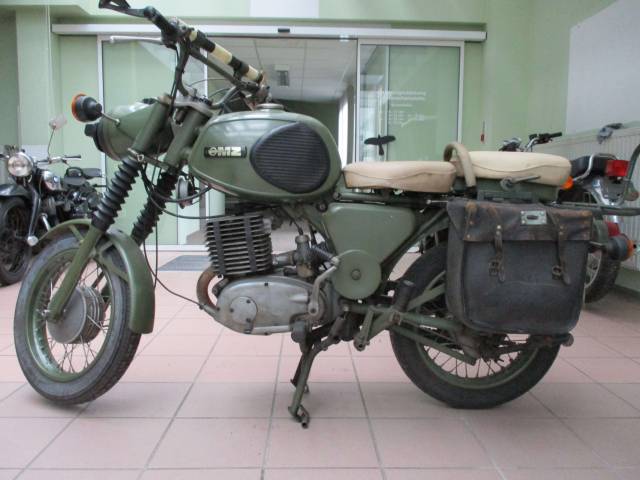
1978 | MZ TS 250/1
MZ TS 250 NVA

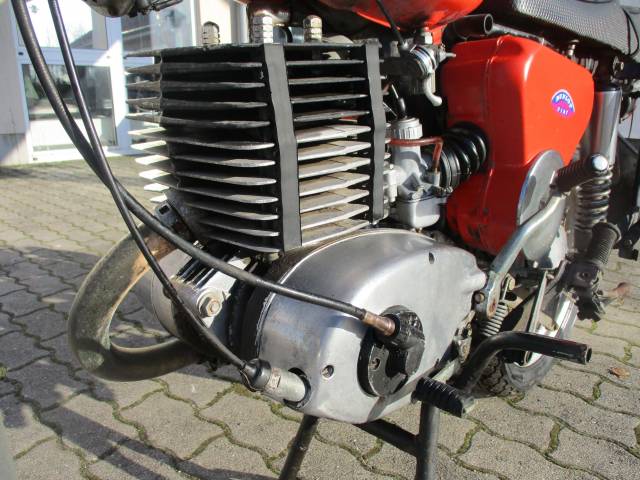
1981 | MZ TS 250/1
MZ TS 250
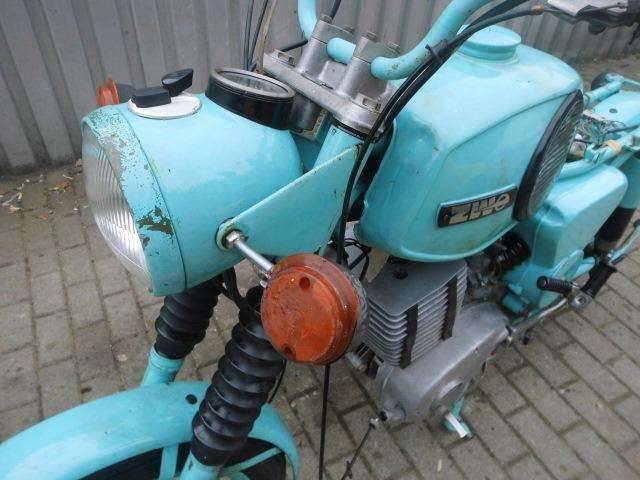
1983 | MZ TS 250/1
MZ TS 250 TS 250 -A , ehemals NVA
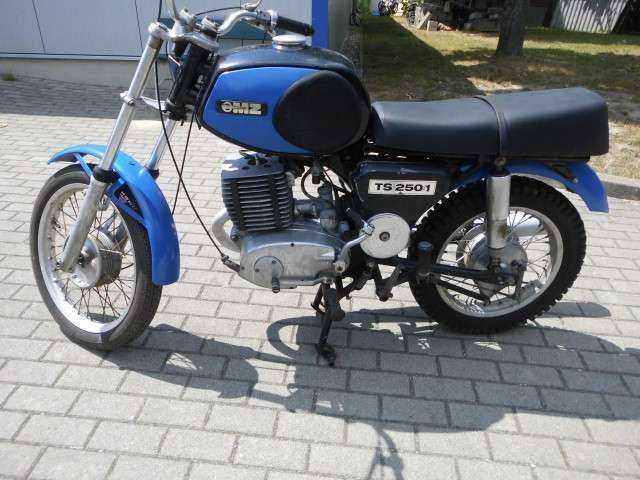
1978 | MZ TS 250/1
MZ TS 250 Ts 250-1
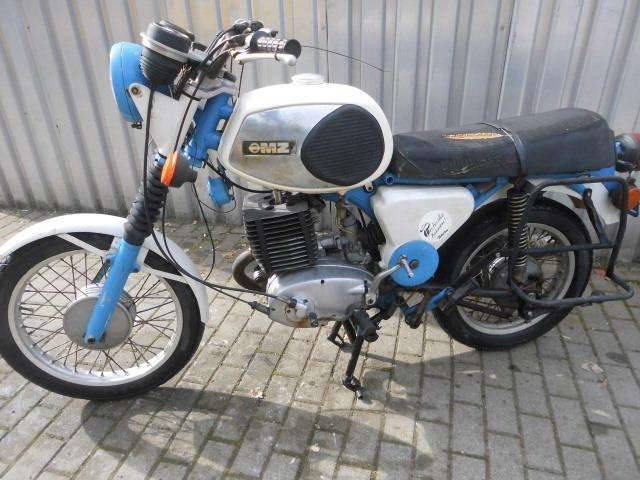
1977 | MZ TS 250/1
MZ TS 250
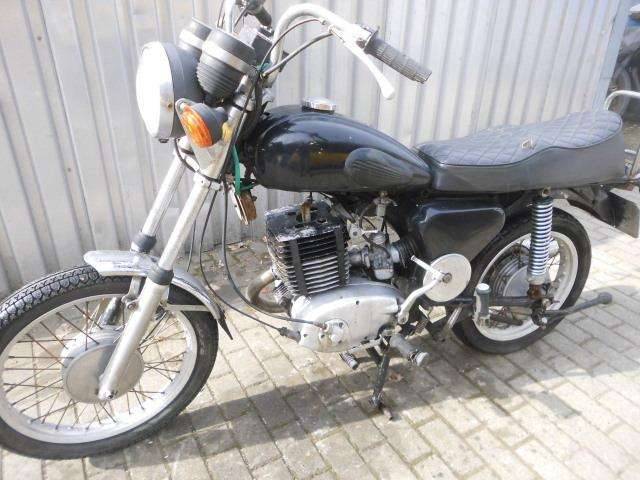
1980 | MZ TS 250/1
MZ TS 250 TS 250-1
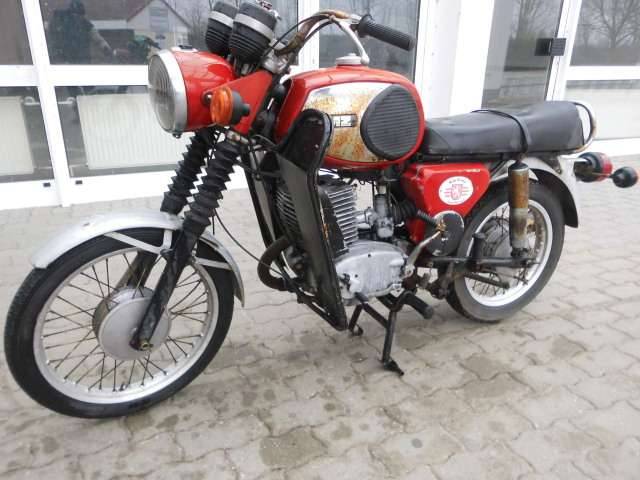
1977 | MZ TS 250/1
MZ TS 250
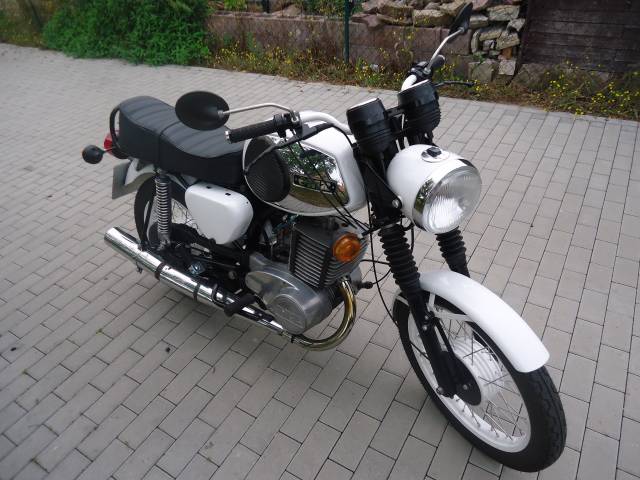
1978 | MZ TS 250/1
MZ TS 250-1
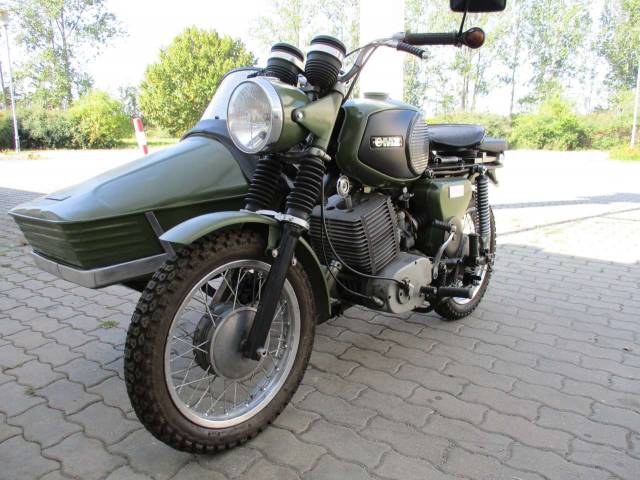
1976 | MZ TS 250/1
MZ TS 250 TS 250/1 mit Superelastic Beiwagen
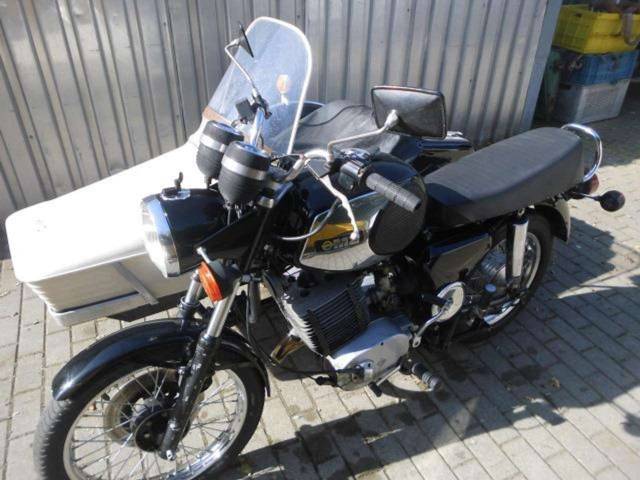
1978 | MZ TS 250/1
MZ TS 250 TS 250-1 mit Superelastic
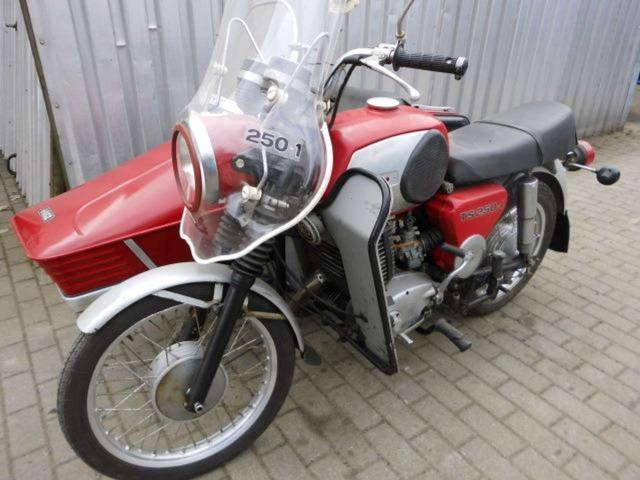
1981 | MZ TS 250/1
MZ TS 250 mit Superelastic
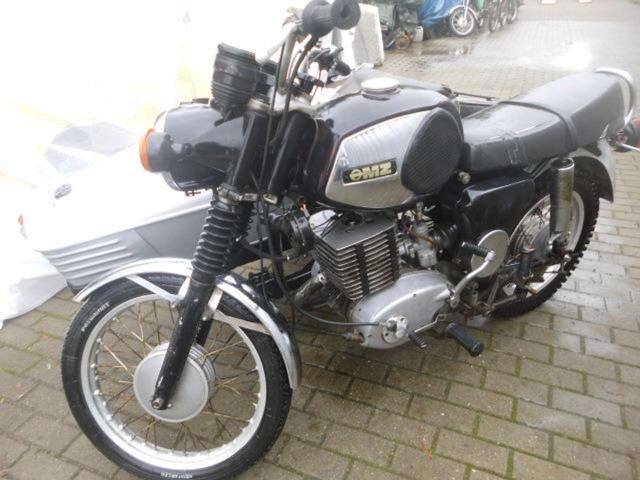
1981 | MZ TS 250/1
MZ TS 250 MZ Gespann, TS 250 mit Superelastic BW
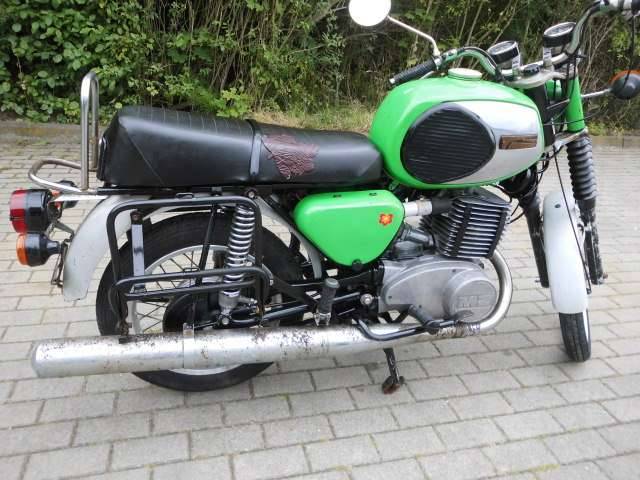
1980 | MZ TS 250/1
MZ TS 250 TS 250 /1
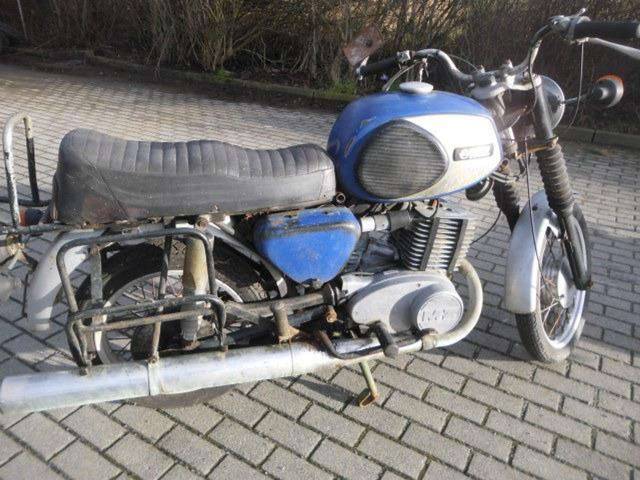
1978 | MZ TS 250/1
MZ TS 250 TS 250-1
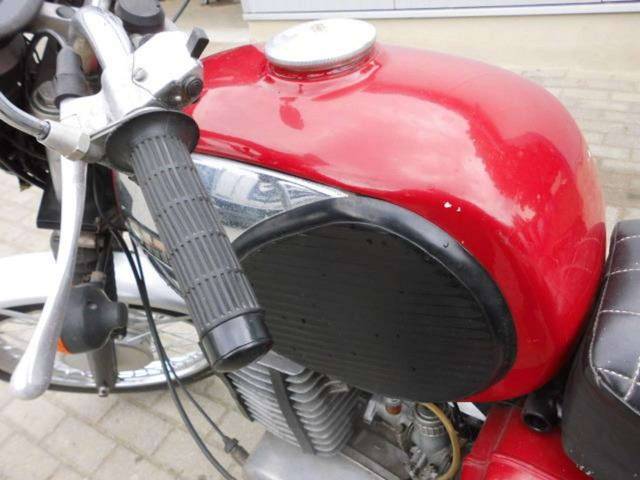
1979 | MZ TS 250/1
MZ TS 250
Create search alert
Let yourself be notified as soon as a listing is published that matches your search filters.
Create listing
Do you have a MZ TS 250/1 that you want to sell? Then create a listing now.
Create listingMZ TS 250/1 Classic Motorbikes: Prices & Market Values
The market value of MZ TS 250/1 motorcycles is primarily determined by technical condition, originality, and mileage, as well as rarity, history, and documentation. A well-maintained, largely original vehicle with low, verifiable mileage and a complete history including expert reports and documentation generally achieves significantly higher prices than a comparable vehicle with deferred maintenance, extensive modifications, or an unclear provenance.
MZ TS 250/1: Market Prices & Value Trends
Based on Classic Trader marketplace sales data, the MZ TS 250/1 market in Europe (with recent examples coming from Germany) shows a broadly stable trend with a slight firming at the top end over the period from March 2021 to July 2023. Across 1976–1983 bikes (typically 18–20 hp), most observed asking prices cluster in the mid-range rather than at extremes. A realistic market window today is roughly £1,200 to £4,500, with the bulk of transactions and adverts appearing around £2,000–£4,000 depending on condition, originality, and quality of any restoration. A handful of higher figures around £5,000 appear, but these look like premium, well-presented examples and should not be taken as the norm. For buyers, this indicates a relatively liquid entry-level classic where good bikes hold their value; for sellers, strong presentation and provenance can lift prices. The TS 250/1’s simple engineering, growing nostalgia for East German classics, and usable road manners help underpin steady demand.
History of the MZ TS 250/1
The MZ TS 250/1 traces its lineage back to East Germany, where Motorradwerk Zschopau (MZ) engineered the model as part of their acclaimed TS series. Launched during the late 1970s and produced well into the 1980s, the TS 250/1 succeeded the earlier TS 250 and played a vital role in providing reliable mobility, both for private citizens and in the distinctive Armeeausführung (military version). The design and engineering philosophy focused on robust construction, user-friendly repairability, and suitability for everyday use in uncertain times.
Model History of the MZ TS 250/1
As the enhanced iteration of the TS 250, the 250/1 featured subtle but practical improvements in reliability and performance. The TS 250/1 replaced its predecessor, the TS 250, and was later succeeded by different concept motorcycles as the landscape in East Germany changed after unification. The model was particularly renowned for its solid engineering, with its military variant (TS 250/1A) featuring distinctive adaptations such as night ride switchgear and additional utility accessories. This evolution makes the 250/1 a notable chapter in MZ’s storied output of utilitarian motorbikes.
Highlights of the MZ TS 250/1
A key draw of the MZ TS 250/1 lies in its reliable two-stroke engine, clean and timeless 1980s styling, and ease of maintenance. The civilian and military versions expanded the model’s versatility, with features such as a night-ride blinker cut-off and a full array of practical accessories (including field spade, spare wheel, and reserve canister). Many examples have been upgraded from the original 6V ignition system to a more robust 12V setup, increasing reliability and everyday usability.
Technical Data
Special Editions and Collectible Models
The TS 250/1A represents the military specification, featuring blackout switches and a suite of field accessories such as shovel, pump, and reserve canister. These military versions, easily identified by their unique fittings, are especially desirable among connoisseurs looking for authenticity and completeness in their classic MZ.
Weak Spots and Common Issues
Although sources highlight the TS 250/1 as reliable and easy to repair, prospective owners should pay close attention to the state of the electrical system—particular if the original 6V setup is still in place. Well-maintained wiring and electronics are crucial; many examples benefit from an upgrade to 12V. It’s also advisable to check the condition of military-specific accessories if present, as completeness can be a key collectability factor.
Engine and Performance, Transmission and Handling
With its straightforward two-stroke single-cylinder engine, the TS 250/1 delivers robust performance and typically delivers a very characteristic riding experience of its era. The model’s handling is praised for smooth suspension (telescopic forks and spring struts) and overall comfort, complemented by its ease of use in both urban and rural environments. The military 250/1A version, with utility-focused accessories, was optimized for demanding operational scenarios. Within the TS 250/1 model range, the 250/1A (Armeeausführung) stands out thanks to its extra features and military-specific equipment, making it an intriguing option for those who appreciate authentic history and practical accessories.
Interior, Comfort, Exterior and Design
The TS 250/1 embodies classic 1980s motorcycle aesthetics with clean lines, robust metalwork, and purposeful controls. Practical design elements dominate: comfortable seats, clearly arranged switches—including a specialized version for the military’s blackout option—and a minimalist instrument cluster. Colour schemes traditionally favour utilitarian finishes, with army versions featuring subdued tones and field-ready hardware. The comprehensive accessory suite (from spare wheels to tool sets) further highlights the design's focus on function and readiness for diverse applications.
Other Relevant Features
Original buyers and collectors often seek examples with the full set of original regulation accessories—such as the special regulator’s stick, arm support, and reserve canister funnel—signifying an extra level of authenticity and utility. Additional documentation, such as the vehicle’s original registration (‘Fahrzeugbrief’), enhances a bike’s historical value.
Summary
The MZ TS 250/1 offers a distinct slice of two-wheeled history, coupling 1980s East German engineering with robust two-stroke mechanics and an array of civilian and military-specific features. Its unique standing among classic MZ motorcycles, proven reliability, and the growing presence in dedicated collections emphasise its relevance for those with a keen interest in classic motorcycles of the Eastern Bloc.