- Motorcycle
- Laverda
- Laverda 750 SFC (0 offers)
Laverda 750 SFC classic bikes for sale
The Laverda 750 SFC stands as one of Italy’s most focused racing motorcycles of the 1970s, with meticulous engineering, powerful twin engines, and a host of technical optimisations that made it a dominating force in endurance competitions and highly valued among collectors. This page features 750 SFCs of all key production stages, including rare ‘numbers matching’ variants with original engine and frame.
Search results
Currently, there are no matching listings for your search.
Create search alert
Let yourself be notified as soon as a listing is published that matches your search filters.
Create listing
Do you have a Laverda 750 SFC that you want to sell? Then create a listing now.
Create listingLaverda 750 SFC listing references from Classic Trader
Below you will find listings related to your search that are no longer available on Classic Trader. Use this information to gain insight into availability, value trends, and current pricing for a "Laverda 750 SFC" to make a more informed purchasing decision.
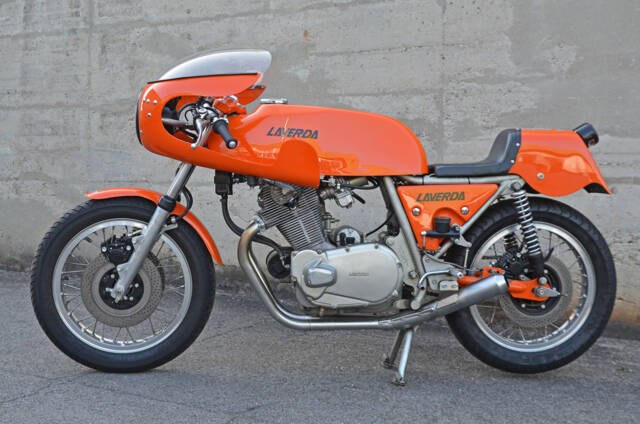
1975 | Laverda 750 SFC
Numbers matching

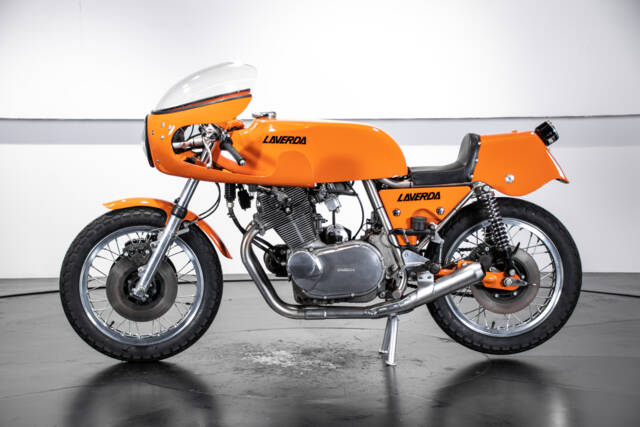
1974 | Laverda 750 SFC
-

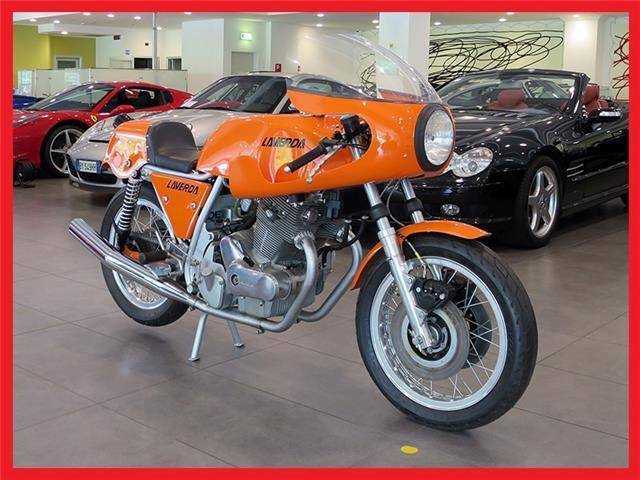
1975 | Laverda 750 SFC
**UNIPROPRIETARIO 1.000 KM**
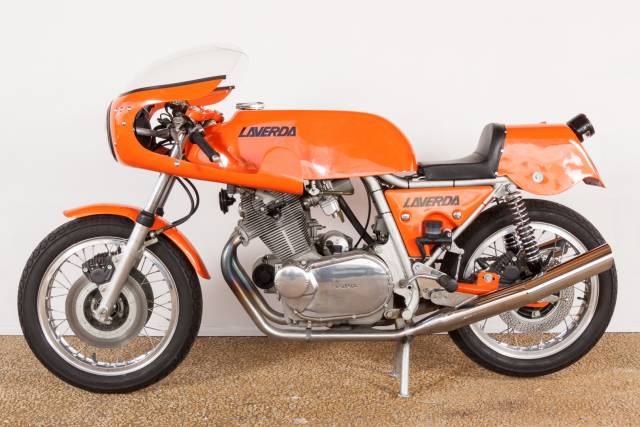
1974 | Laverda 750 SFC
Create search alert
Let yourself be notified as soon as a listing is published that matches your search filters.
Create listing
Do you have a Laverda 750 SFC that you want to sell? Then create a listing now.
Create listingLaverda 750 SFC Classic Motorbikes: Prices & Market Values
The market value of Laverda 750 SFC motorcycles is primarily determined by technical condition, originality, and mileage, as well as rarity, history, and documentation. A well-maintained, largely original vehicle with low, verifiable mileage and a complete history including expert reports and documentation generally achieves significantly higher prices than a comparable vehicle with deferred maintenance, extensive modifications, or an unclear provenance.
Laverda 750 SFC: Market Prices & Value Trends
Based on sales data from the Classic Trader marketplace, the Laverda 750 SFC (notably 1974–1975 bikes around 70–75 hp) shows a firm but slightly cooling market over the period from January 2022 to June 2025. After stronger asking levels in 2022, values in the more recent data points tend to sit a little lower, suggesting a shift from peak pricing towards a more stable, transaction-led range rather than a continued surge. With only a handful of comparable entries, it’s best not to overread individual adverts; however, the realistic market band currently clusters at roughly £38,500 to £43,000, with well-presented, correctly specified examples commanding the top end. Earlier higher figures around £48,000–£55,000 appear less representative and may reflect exceptional condition, provenance, or optimistic pricing. Overall, the 750 SFC’s enduring appeal is underpinned by low production numbers, period racing heritage and strong collector demand in Europe, which helps values hold up even as the market normalises.
History of the Laverda 750 SFC
The Laverda 750 SFC emerged directly from the factory’s racing ambitions in the late 1960s and early 1970s. Laverda, a family-owned Italian marque, originally made agricultural machinery before entering the motorcycle market. By 1971, seeking to strengthen its position in endurance racing, Laverda developed the 750 SFC (Super Freni Competizione), a motorsport-oriented variant of its 750 GT and SF road bikes. Each SFC was hand-assembled in Breganze, undergoing rigorous pre-delivery tuning to compete in races like the Bol d’Or and the 24 Hours of Montjuich. Only a few hundred units were produced, each evolving significantly with input from feedback on the racetrack, establishing the SFC as a purpose-built racing tool.
Model Evolution and Chronology
The Laverda 750 SFC was produced in several distinct series, with each generation reflecting technical advances and competition-driven improvements. Initial models were equipped with drum brakes, but later series adopted dual-disc systems. The third evolution, referenced as the '18000 series', is notable for the Bosch electronic ignition, a reinforced braking package, and engines tuned up to 75 hp. 'Numbers matching' examples, where frame and engine numbers correspond, are especially appreciated by enthusiasts for their authenticity. The SFC’s direct predecessor was the 750 SF, and it shares DNA with road-oriented Laverda twins. The SFC was eventually succeeded by displacement-increases and new models in the Laverda line, although none carried the same factory competition focus.
Highlights and Unique Features
The Laverda 750 SFC boasts a lightweight tubular frame, aggressive racing ergonomics, and a parallel twin engine known for its durability and power output. The third series ('18000 series') introduced strengthened internals, Bosch ignition, improved brakes, and new bodywork for aerodynamics. Every SFC left the factory essentially as a ready-to-race machine, including race-spec carbs, full fairing, and clip-on handlebars. Surviving “numbers matching” machines are particularly prized for their originality and guarantee of correct specification.
Technical Data
Special Editions and Unique Variants
Third evolution SFCs (the '18000 series') are the apex of the model range, recognised for matching engine/frame numbers and the most sophisticated technical specification. Other rarities include specific limited batches produced for endurance racing teams with tailored modifications upon request. Due to constant factory evolution, no two SFCs from different series are identical, making every bike a reflection of Laverda’s competition philosophy.
Weak Spots and Common Issues
Potential owners should check for originality – matching numbers, correct Bosch ignition, and original brake components are vital for value. Due to high-performance tuning, regular valve and ignition adjustments are essential. Clutch wear is a known issue under hard use, and electrical components (especially on early models) may be prone to age-related faults. The unique brake systems on later evolutions require meticulous maintenance to maintain performance. Engine longevity depends on conscientious lubrication and adjustment intervals.
Engine, Performance and Handling
The 750 SFC produces up to 75 hp thanks to its carefully tuned parallel twin, feeding power through a close-ratio five-speed gearbox. Racing camshafts, oversized carbs, and optimised exhausts result in sharp throttle response and a broad powerband for endurance events. The chassis, lightweight yet rigid, offers excellent stability at high speed and crisp responses on sinuous circuits. The later ‘18000 series’ benefits from improved stopping power and more effective suspension, making it sought after by riders craving authentic 1970s racing experiences. Popular examples include the '18000 series' with Bosch ignition and the earliest drum brake models, each offering distinct characteristics for enthusiasts seeking either originality or technical advancement.
Design, Materials, and Details
The 750 SFC’s styling was dictated by function – a full aerodynamic fairing, single seat, and just the necessary gauges. Laverda painted their SFCs in the vivid orange that became a brand hallmark, ensuring instant recognition. The sparse interior emphasises lightweight competition construction, and frame welds are a testament to meticulous Italian craftsmanship. Many bikes left the factory with magnesium wheel options and factory-upgraded controls. Accessories were limited to sustain the focus on weight savings and racing readiness. SFCs equipped with rare period-correct racing parts are highly sought after.
Additional Information
Spares availability is good due to a dedicated international community. Documentation and provenance, including factory records and racing history, significantly affect individual bikes’ value. Restorations should preserve period-correct parts and paintwork wherever possible.
Summary
The Laverda 750 SFC stands as a thoroughbred factory racing bike, crafted for competition and renowned for its technical development across different series. Its pure focus on performance, combined with careful evolution in lightweight construction, powerful engines, and factory-backed racing history, make it a staple for collectors and racers. Its entire presence within the Laverda lineup in the classic market underscores its enduring appeal among connoisseurs of 1970s endurance machines.