- Motorcycle
- KTM
- KTM Hobby III (0 offers)
KTM Hobby III classic cars for sale
The KTM Hobby III distinguishes itself among classic mopeds as a lightweight, reliable, and distinctly Austrian solution to urban and rural mobility. Developed by the renowned motorcycle manufacturer KTM, the Hobby III offers a unique combination of simple engineering and pragmatic design, making it particularly attractive for collectors and everyday riders alike.
Search results
Currently, there are no matching listings for your search.
Create search alert
Let yourself be notified as soon as a listing is published that matches your search filters.
Create listing
Do you have a KTM Hobby III that you want to sell? Then create a listing now.
Create listingKTM Hobby III listing references from Classic Trader
Below you will find listings related to your search that are no longer available on Classic Trader. Use this information to gain insight into availability, value trends, and current pricing for a "KTM Hobby III" to make a more informed purchasing decision.
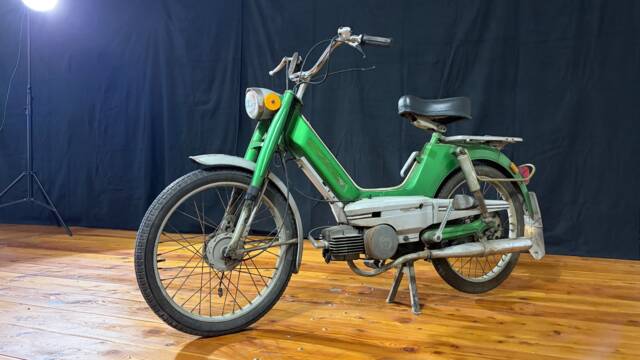
1975 | KTM Hobby III
Part of Austrian moped culture of the 70s

Create search alert
Let yourself be notified as soon as a listing is published that matches your search filters.
Create listing
Do you have a KTM Hobby III that you want to sell? Then create a listing now.
Create listingKTM Hobby III Classic Motorbikes: Prices & Market Values
History and Development of KTM Hobby III
By the late 1970s and early 1980s, KTM had established itself not only in off-road motorcycles but also in the lightweight moped sector, where the Hobby III played a decisive role. The Hobby III model series was KTM's answer to a growing demand for fuel-efficient and accessible transportation, especially in Austria and neighbouring countries. Its engineering reflects the straightforward approach typical of the era, prioritising robustness, ease of maintenance, and everyday practicality. The Hobby III remains a symbol of post-oil crisis ingenuity, reflecting a period where mobility solutions were shaped by both economic and social factors.
Model History
The Hobby III followed its predecessor, the Hobby II, as an evolution in KTM’s lightweight moped programme. While building upon the reliable platform and engine concepts introduced in earlier models, the Hobby III brought incremental improvements in ergonomics and everyday usability. Production continued until shifting market demands led KTM to realign its focus towards sportier and larger capacity motorcycles in the years that followed. This turning point marked the end of KTM’s mainstream moped production, giving the Hobby III a defined place in the company's timeline.
Distinct Features and Noteworthy Details
The KTM Hobby III stands out due to its featherweight construction and minimalistic, user-focused engineering. The two-stroke engine is tuned for reliability rather than outright speed, providing practical commuting on secondary roads. The mopeds’ compact proportions give them an agile presence in city environments, and a straightforward mechanical setup ensures that even today, they are relatively easy to repair and maintain by hobbyists.
Technical Data
Special Editions and Collectible Models
No significant factory special editions of the Hobby III are officially documented. However, period-specific limited colours and dealer-fitted accessories, such as chrome luggage racks or windshields, occasionally surface on the market and are particularly sought after by enthusiasts aiming for authenticity.
Weak Spots and Common Issues
Overall, the mechanical simplicity of the Hobby III makes servicing straightforward. Wear on the original drive belt, carburettor adjustments, and age-related issues in the ignition system are the most common maintenance needs. Replacement parts may require sourcing on the secondary market, but thanks to KTM’s continued motorcycling legacy, many experienced mechanics can provide advice and support.
Engine Performance, Transmission and Handling
Powered by a compact two-stroke engine, the Hobby III delivers brisk off-the-line acceleration within legal moped limits, making it ideal for short commutes. The single-speed or simple gearbox construction ensures ease of use for novice riders, while its taut frame and low weight contribute to surprisingly responsive handling at urban speeds. Among the Hobby III versions, early models equipped with original paintwork and factory accessories are especially noted by collectors for their authenticity and period-correct appearance.
Interior, Comfort, Exterior and Design
With a utilitarian steel frame, classic round headlamp, and clear focus on function, the Hobby III resonates with a certain 1980s minimalism. KTM offered standard colours typical for the period, usually orange accents reflecting the brand identity. The seat design allows comfortable short-range rides, and spartan instrumentation echoes its straightforward ethos. Accessories such as the optional rear rack further underline its practical appeal.
Other Notable Details
The Hobby III’s enduring appeal also lies in its reflection of Austria's approach to accessible mobility at a time when practical transport solutions were needed post-oil crisis. Its presence at local classic gatherings continues to reinforce KTM’s reputation for engineering reliability even at the smaller end of the vehicle spectrum.
Summary
The KTM Hobby III occupies a unique position among classic mopeds by harmoniously blending reliable technology with an understated, utilitarian design. Its manageable size, simple engineering, and strong community of Austrian classic two-wheeler enthusiasts ensure that the Hobby III is as relevant today as it was at its launch.