- Motorcycle
- Italjet (1 offer)
Buy Italjet Motorcycle
Italjet has been synonymous with radical design and technical innovation from Bologna since 1957. From the legendary Dragster with hub-centre steering to modern high-performance scooters, the brand offers exclusivity for individualists.
Search results
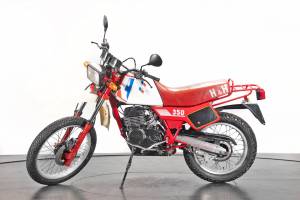
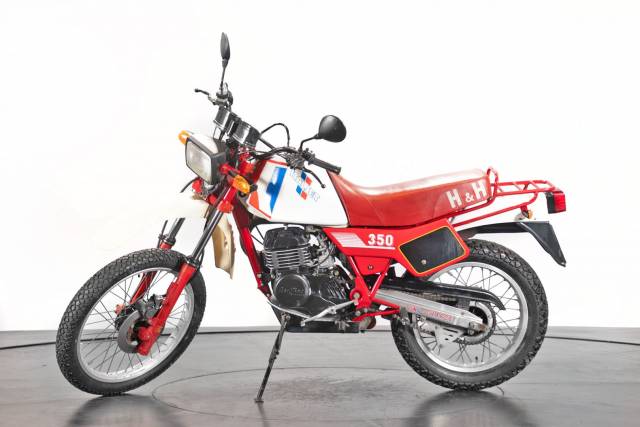

Italjet listing references from Classic Trader
Below you will find listings related to your search that are no longer available on Classic Trader. Use this information to gain insight into availability, value trends, and current pricing for a "Italjet" to make a more informed purchasing decision.
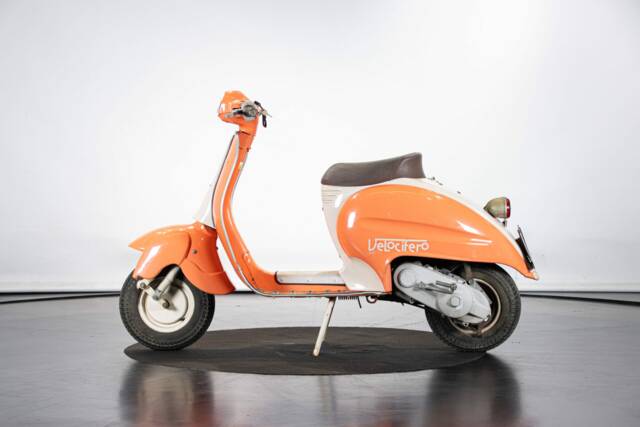
1994 | Italjet Velocifero 50
Italjet VELOCIFERO 50
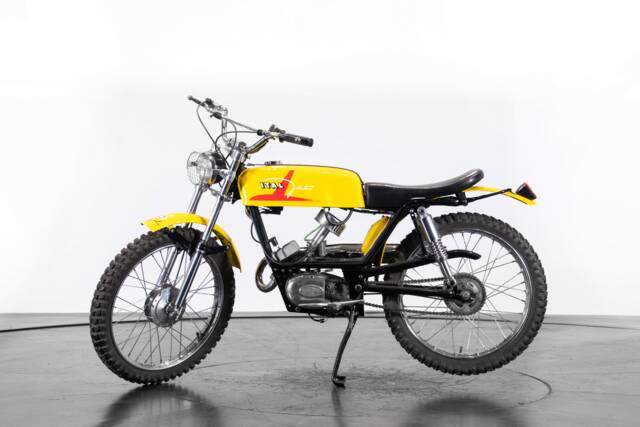
1970 | Italjet Trial 50
Italjet Trial P4
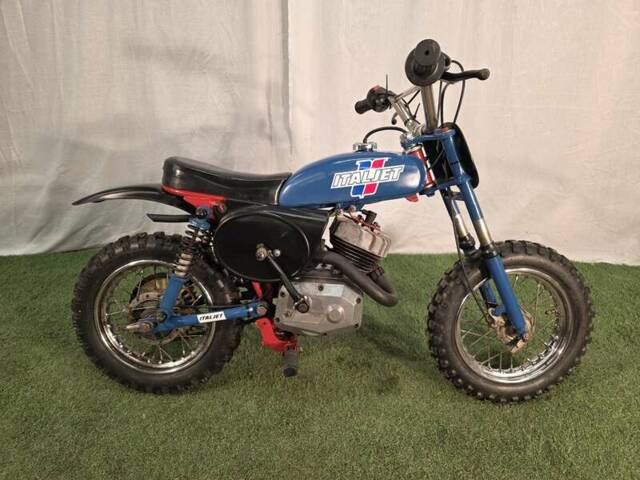
1982 | Italjet 48
1982 Italjet M5C 49cc

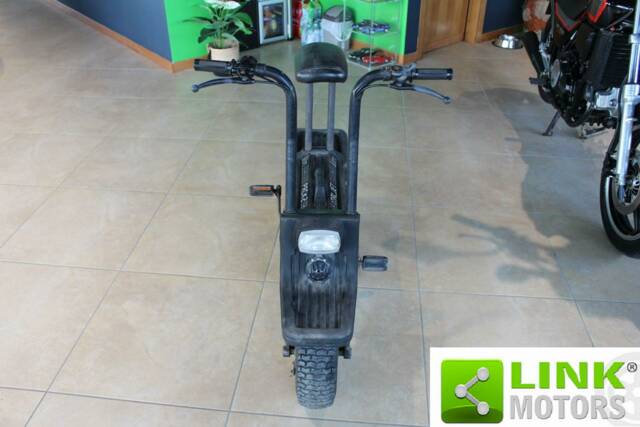
1982 | Italjet Pack 2
ITALJET Pack 50 PACK -2 PORTATILE DA VIAGGIO
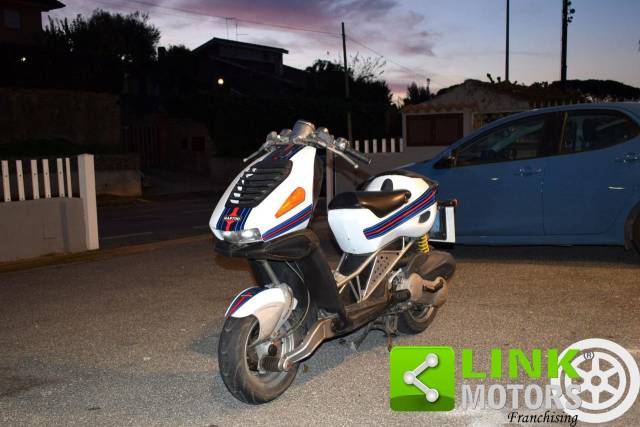
1999 | Italjet Dragster 125
ITALJET MOTO Dragster 125 LC Dragster
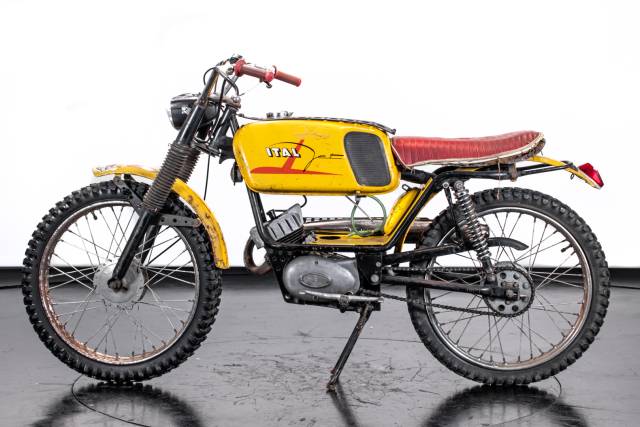
1970 | Italjet Trial 50
-
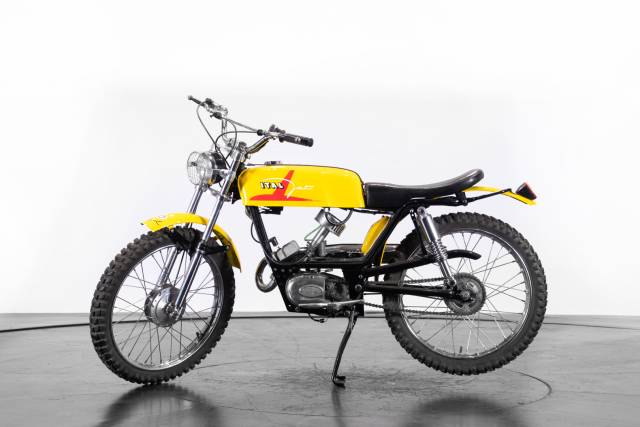
1970 | Italjet Trial 50
-
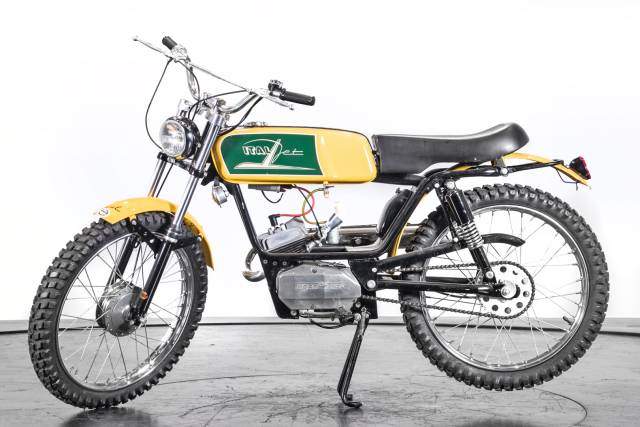
1970 | Italjet Trial 50
-
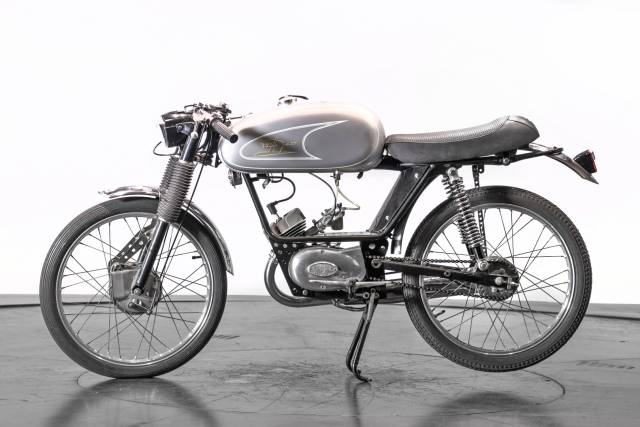
1969 | Italjet Mustang SS 50
-
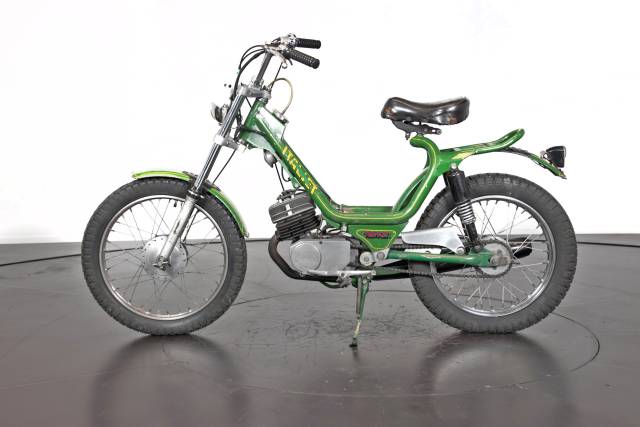
1973 | Italjet Teen-Ager
-
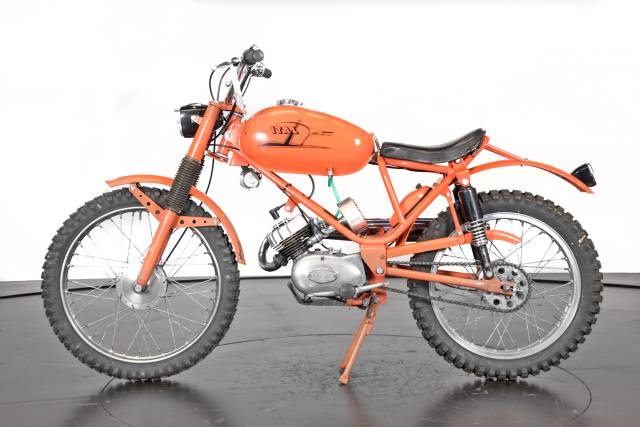
1967 | Italjet Piranha 50
-
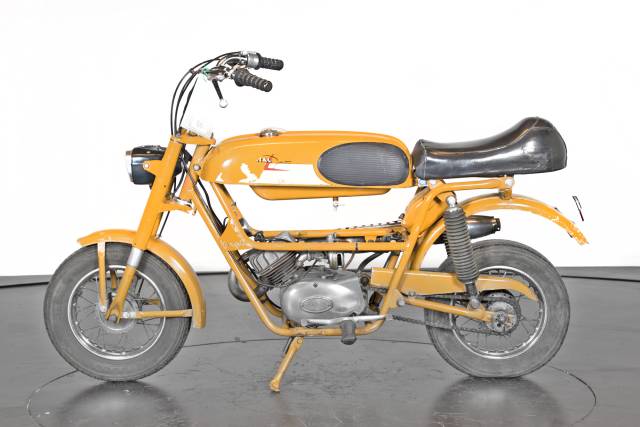
1969 | Italjet 48
-
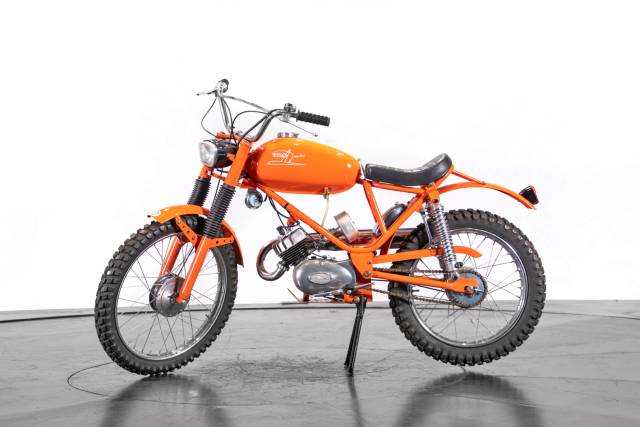
1967 | Italjet Piranha 50
-
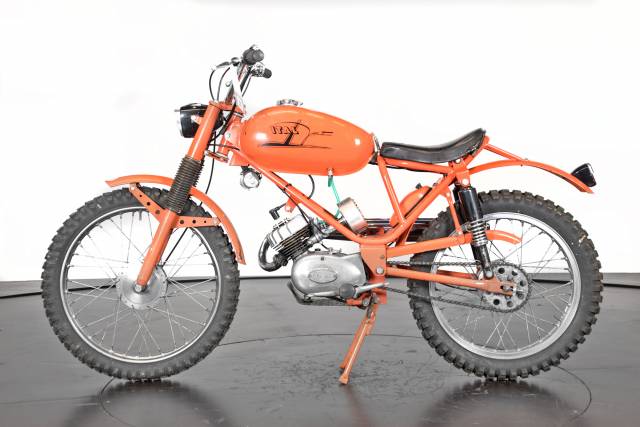
1967 | Italjet Piranha 50
-
History & Heritage
The history of Italjet is inextricably linked to the vision of one man: Leopoldo Tartarini. Born in 1932 in Bologna, the heart of the Italian motorcycle industry, Tartarini grew up in an environment shaped by speed and mechanics. His father, Egisto Tartarini, was a successful racing driver and motorcycle dealer, which practically mapped out Leopoldo's path. At a young age, he proved his talent on two wheels and took part in prestigious races such as the Milano-Taranto.
After a serious accident that ended his active racing career, Tartarini turned to design and construction. In 1957, he founded the company Italemmezeta in San Lazzaro di Savena near Bologna. The name said it all: he combined Italian frame design with the robust engines from MZ from the former GDR. These early machines were known for their reliability and advanced chassis. But Tartarini wanted more than just to buy engines; he wanted to create his own identity.
In 1961, the company was renamed Italjet Moto. In the following decades, the company developed into a forge for unconventional vehicles. While other manufacturers focused on mass production, Italjet looked for the niche. In the 1960s, innovative mopeds such as the Go-Go 50 or the Mini-Bambino were created, which stood out above all for their compact design and agility. A milestone was the Kit-Kat 50 from 1969, the world's first foldable moped that even fit in the boot of a small car – a revolution for urban mobility at the time.
The 1970s marked the push into larger displacement classes and off-road sports. Models such as the Griffon with Triumph engines or the trial machines of the Piuma series showed the versatility of the brand. The Italjet 350 Trial in particular earned a reputation as a serious competition device. In this era, Italjet cooperated with well-known manufacturers such as Sachs, Minarelli and later Bultaco to guarantee technical excellence.
The biggest turning point and at the same time the beginning of the cult status that continues to this day took place in the 1990s. Leopoldo Tartarini recognised that the classic motorcycle market was stagnating, while scooters were becoming increasingly popular. His goal was to cross the technology of a motorcycle with the comfort of a scooter. The result was the Italjet Dragster, which was launched in 1998. With its trellis frame and the revolutionary hub-centre steering (RAAD system), it shattered all conventional ideas.
In Australia, the Dragster has always been a rare and exotic sight. While the European market was flooded with these machines, only a limited number made it to the Southern Hemisphere. This rarity has only increased its appeal among Australian collectors and enthusiasts who appreciate Italian engineering and unconventional design.
Despite worldwide success and recognition by design museums such as the Guggenheim in New York, Italjet ran into financial difficulties in the early 2000s. High development costs and the investment in a new plant led to bankruptcy in 2002. But the Italjet name was too strong to disappear. Under the leadership of Leopoldo's son, Massimo Tartarini, the brand experienced a rebirth in 2018. With the Dragster Reboot, they picked up directly where they left off, proving that radical design from Bologna still has its place in the 21st century.
Highlights & Features
The heart of the Italjet brand is undoubtedly the Dragster. Anyone looking to buy an Italjet motorcycle in Australia today is usually looking for this specific model. What makes the Dragster so special is the uncompromising implementation of technical ideas that are normally only found in racing or exclusive small-series motorcycles.
The most striking feature is the RAAD system (Ricerca Applicata Avanzata Design). Instead of a conventional telescopic fork, the Dragster has hub-centre steering. This construction separates the steering from the suspension, which means that the vehicle does not dive when braking. This ensures extremely stable geometry in corners and a unique steering feel. In combination with the visible trellis frame made of chrome-molybdenum steel, the Dragster looks more like the skeleton of a racing machine than a conventional scooter.
Another highlight is the engine range of the classic era (1998–2002). The two-stroke models 125LC and 180LC are sought-after collector's items today. The 180 in particular, with its approx. 20 hp, is considered a "wolf in sheep's clothing". In Australia, these models are highly prized for their tuning potential and raw performance, although finding one in good condition can be a challenge.
Current Market Prices in Australia (2024–2025):
- Dragster 125LC (1998–2002): A roadworthy example in decent condition is traded in Australia between A$3,000 and A$6,000. Top-maintained collector's items with low mileage can reach the A$8,000 mark.
- Dragster 180LC: Due to its rarity, prices here are usually higher, often between A$5,000 and A$9,000.
- Dragster Reboot (from 2018): The modern four-stroke models (200cc and 300cc) cost new in Australia approx. A$10,490 to A$12,990 (ride-away). Used examples from the first reboot years can be found from approx. A$8,000.
- Formula 50: The sporty "little brother" is significantly cheaper and often available for A$1,500 to A$3,500, although good original conditions have become rare.
In addition to the Dragster, models such as the Velocifero deserve mention. With its retro design reminiscent of the 1950s but based on modern 90s technology, it served a completely different target group. Today it is a tip for lovers of Italian design looking for a stylish city vehicle.
Technical Data
The technical specifications of the Italjet models reflect the claim to always offer something special. Here is an overview of the most important models:
*Legally restricted in many Australian states for mopeds, technically capable of more.
Drive Technology: While the classic models relied on lively two-stroke engines, often from Minarelli or Piaggio, the new Dragster models use modern four-stroke engines with electronic injection from Magneti Marelli. The CVT automatic transmission is standard on almost all scooter models and ensures seamless acceleration.
Chassis: The unique selling point remains the front axle construction. The classic Dragster used the RAAD system, while the new models use the further developed ISS (Independent Steering System). Suspension is provided by a central shock absorber at the front and a side-mounted shock absorber at the rear, underlining the radical look.
Market Overview & Buying Tips
The market for Italjet in Australia is small but dedicated. Finding a well-maintained example requires patience and a keen eye for detail.
What to look for when buying in Australia:
- Originality vs. Tuning: In the Australian scooter scene, tuning is a popular topic. Many Dragsters have been modified with larger carburettors, sports exhausts (e.g. from PM Tuning or Jolly Moto) and variator kits. While this increases the fun factor, it often reduces the collector's value. Check if the original parts are still available. An unmolested Dragster 180LC is a real investment today.
- Condition of the Hub-Centre Steering: The RAAD system is maintenance-intensive. Check for play in the ball joints and bearings of the front axle. Overhauling this can be expensive in Australia, as specialized workshops are rare. Spare parts for the steering are often only available through specialist dealers in Europe or the active international community.
- Corrosion: Although Italjet used high-quality materials, the trellis frames can start to rust at the welds if the vehicle has been ridden in coastal areas (salt air!). A thorough inspection of the frame is mandatory.
- Spare Parts Availability & Shipping: This is the most critical point for Australian owners. Many body parts for the old models are almost impossible to find as "New Old Stock" (NOS). Shipping parts from Europe or the UK can be very expensive and time-consuming, with long lead times and high customs duties. Engine parts are usually unproblematic thanks to the relationship with Piaggio/Minarelli engines.
- Documentation: In Australia, the registration papers and a clear title are essential. Check that all technical changes (if any) are documented. A good service history is a big plus, especially for the complex RAAD system.
Buyer Profile: An Italjet is not a vehicle for someone who just wants to get from A to B cheaply. It is a vehicle for enthusiasts who have technical understanding or are willing to invest in the maintenance of a design classic. In Australia, there is a small but passionate community that supports each other with advice and parts.
Riding Experience & Performance
Riding an Italjet Dragster is an experience that is fundamentally different from other scooters. Due to the short wheelbase and the hub-centre steering, the vehicle feels extremely agile. It reacts to the smallest steering inputs, which is a great advantage in the city, but requires a steady hand on the open road at higher speeds.
The lack of "dive" when braking takes some getting used to at first. You can brake very late and hard into corners without the geometry of the vehicle becoming unstable. The two-stroke models also offer a power delivery that can be addictive. When the expansion chamber of the exhaust "opens up" at around 7,000 rpm, the Dragster pushes forward with a vehemence that you wouldn't expect from a scooter.
The modern four-strokes (Reboot) are much more refined. They start at the touch of a button, run smoothly at idle and offer linear acceleration. The ISS system of the new generation is also designed to be more stable, which increases confidence at higher speeds. Nevertheless, the basic feeling remains: you sit "on" the machine, feel every bump in the road through the firm suspension and enjoy the admiring glances of passers-by.
Design & Accessories
Design was never just an accessory at Italjet, but the purpose of existence. Leopoldo Tartarini once said that an Italjet must look fast even when standing still. This credo is perfectly embodied in the Dragster. The combination of technical nakedness (trellis frame) and aggressive plastic elements creates an aesthetic that still looks futuristic 25 years after its release.
Popular Accessories and Customization:
- Exhaust Systems: For the two-strokes, systems from Malossi, Polini or PM Tuning are almost standard. They not only improve performance but also the characteristic sound.
- Visual Parts: Carbon covers for the swingarm or the frame are very popular with the new Reboot models.
- Suspension: Many owners upgrade to high-quality shock absorbers from Bitubo or Öhlins to further refine the already good handling.
- Brakes: Since the Dragster is fast, brake upgrades (e.g. from Brembo) are a sensible investment, especially if the engine power has been increased.
In Australia, it is important to ensure that aftermarket parts are of high quality, as the Dragster's unique handling can be sensitive to poor-quality components.
Other
Italjet also has an interesting connection to racing, although less on the circuit and more in the tuning and drag racing scene. In the late 90s and early 2000s, there were regular scooter drag races in Europe, where Italjet machines often played the leading role.
Another interesting aspect is the collaboration with Andrea Dovizioso. The former MotoGP runner-up was significantly involved in the development of the Dragster Reboot. His input flowed primarily into the tuning of the chassis and the ergonomics. This underlines Italjet's claim not only to build "show bikes" but vehicles that also perform at the highest level in terms of driving dynamics.
In Australia, the brand is also present through some dedicated importers and dealers who have kept the flag flying even in difficult times. This has led to a solid stock of vehicles today that are cherished and maintained.
Summary
Anyone looking to buy an Italjet motorcycle in Australia is choosing a piece of industrial history and extraordinary design. The brand from Bologna has managed to create vehicles that polarize and inspire.
The Dragster remains the flagship – a technical masterpiece that is considered a modern classic. While the old two-strokes are the first choice for purists and collectors, the new Reboot models offer a practical alternative for individualists.
Key points for potential buyers:
- Check the maintenance history, especially of the front axle.
- Pay attention to originality to secure the value in the long term.
- Be aware that searching for spare parts and shipping to Australia can require patience and a significant budget.
- Enjoy a riding experience that is second to none in the world of two-wheelers.
Italjet is more than just a means of transport; it is a statement against the ordinary. In a world full of uniformity, an Italjet always remains what it was intended to be from the start: Unique.