- Motorcycle
- Garelli
- Garelli Mosquito (3 offers)
Garelli Mosquito classic cars for sale
The Garelli Mosquito, renowned for pioneering auxiliary engines for bicycles, represents a unique era in two-wheeled mobility. This lightweight motor unit transformed everyday cycles into efficient motorbikes, securing its place among Italy’s most consequential engineering feats of the mid-20th century.
Search results
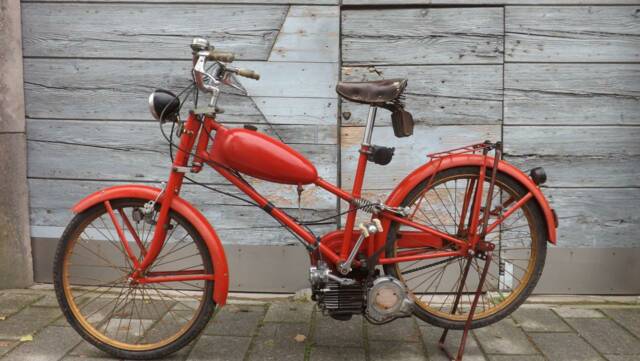

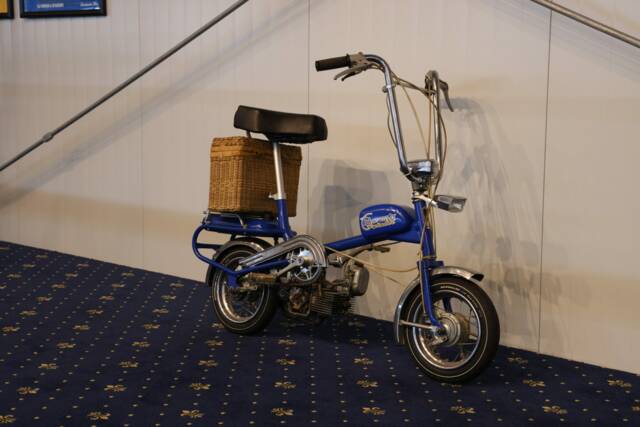
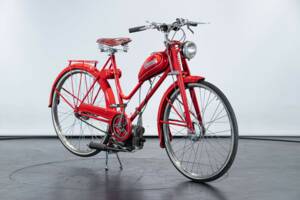
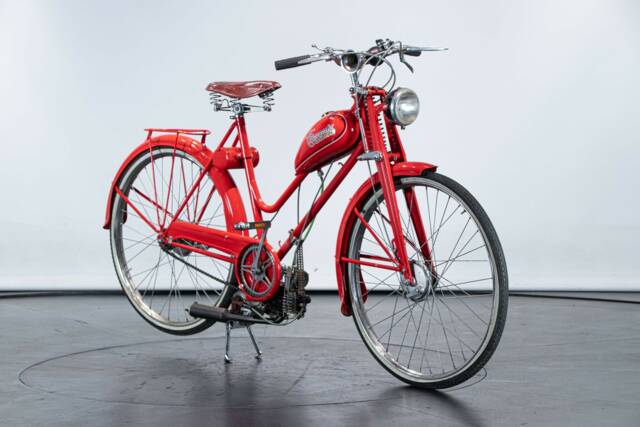
1900 | Garelli Mosquito
Garelli Mosquito · Sammlung Sonderklasse · No reserve

Garelli Mosquito listing references from Classic Trader
Below you will find listings related to your search that are no longer available on Classic Trader. Use this information to gain insight into availability, value trends, and current pricing for a "Garelli Mosquito" to make a more informed purchasing decision.
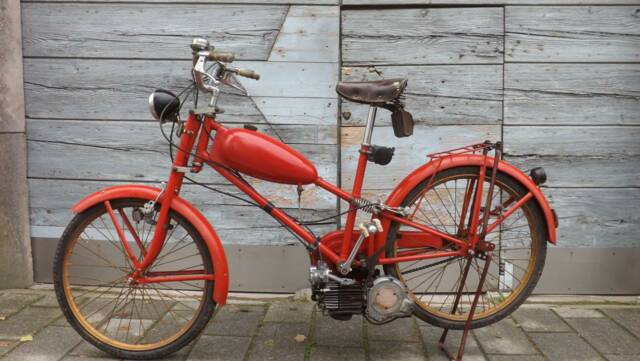
1955 | Garelli Mosquito
-
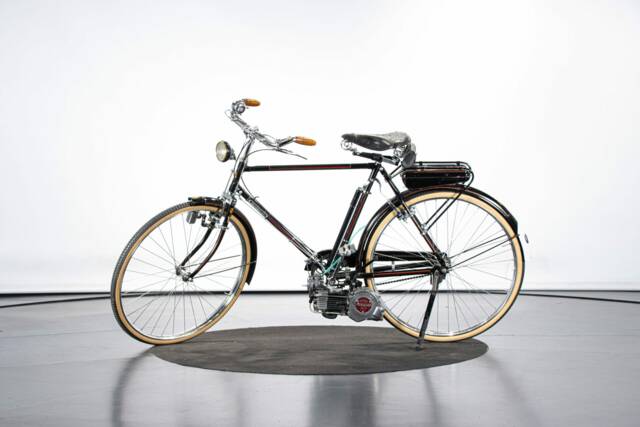
1955 | Garelli Mosquito
Garelli AVON
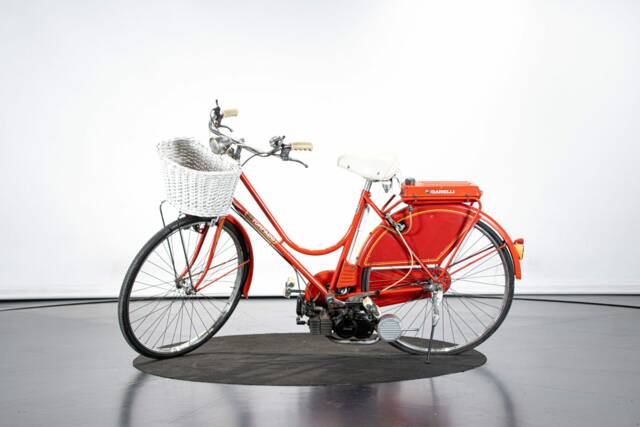
1984 | Garelli Mosquito
Garelli TORPADO BICIMOSQUITO
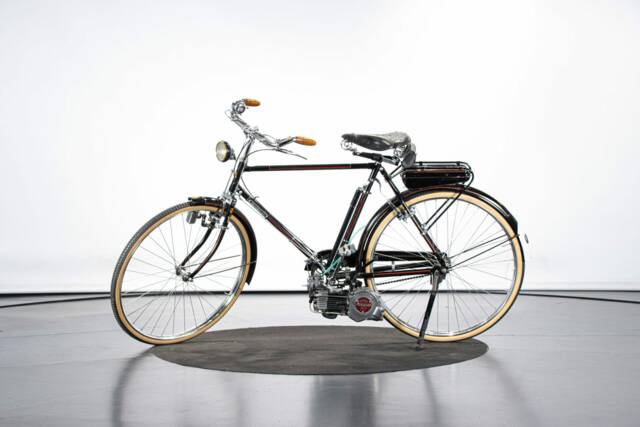
1955 | Garelli Mosquito
Garelli AVON BICIMOSQUITO
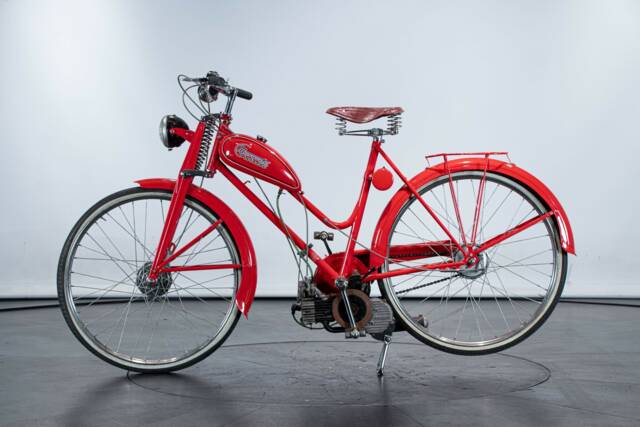
1953 | Garelli Mosquito
Garelli MOSQUITO
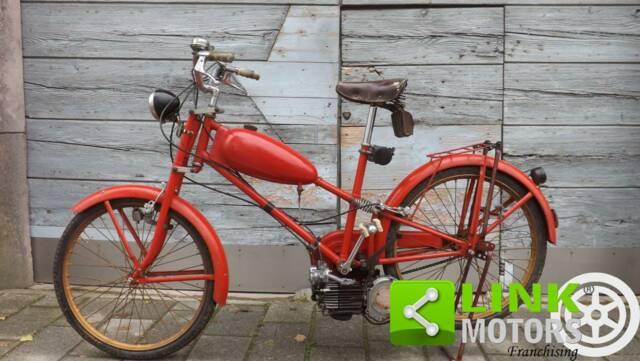
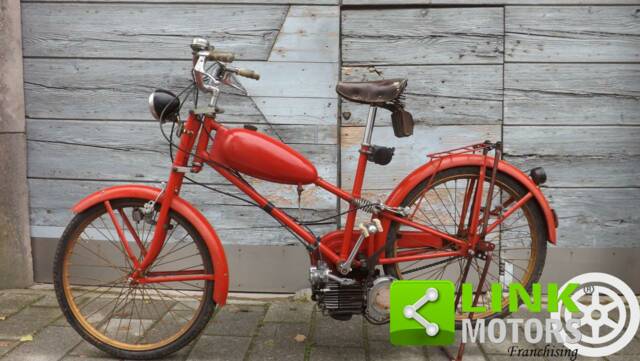
1955 | Garelli Mosquito
GARELLI Mosquito 48 cc funzionante e ben conservato
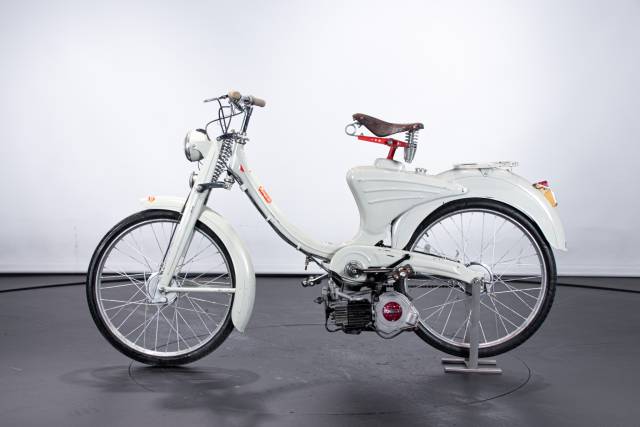
1955 | Garelli Mosquito
GARELLI Mosquito 48 cc funzionante e ben conservato
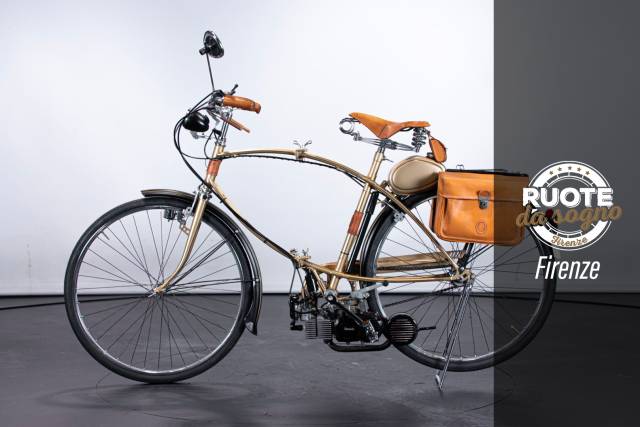
1960 | Garelli Mosquito
-
1985 | Garelli Mosquito
-
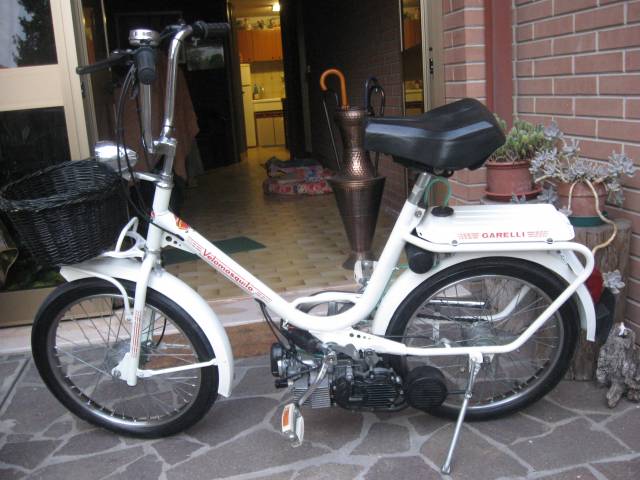
1985 | Garelli Mosquito
VELOMOSQUITO cc38 CON DOCUMENTI COME NUOVO
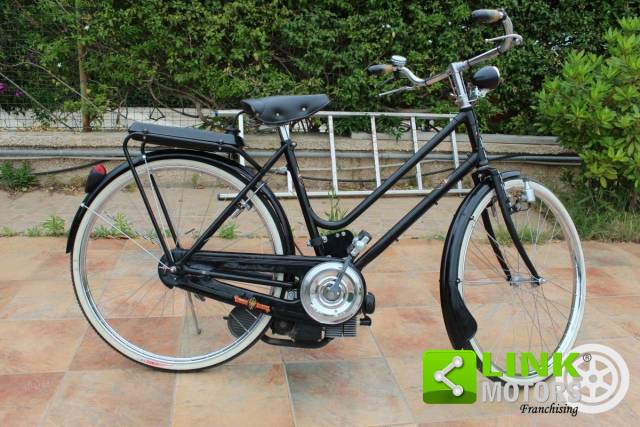
1972 | Garelli Mosquito
GARELLI MOSQUITO1972 SU BIANCHI DEL 1941 - PEZZO RARO
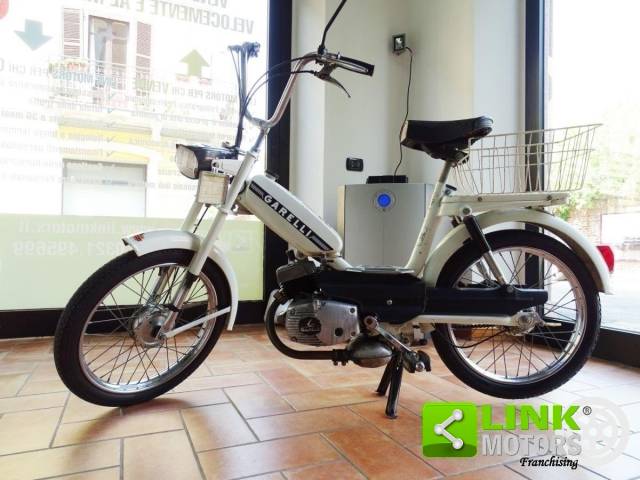
1977 | Garelli Mosquito
Garelli Gulp Flex 50 - 1977 - unico proprietario
Garelli Mosquito Classic Motorbikes: Prices & Market Values
The market value of Garelli Mosquito motorcycles is primarily determined by technical condition, originality, and mileage, as well as rarity, history, and documentation. A well-maintained, largely original vehicle with low, verifiable mileage and a complete history including expert reports and documentation generally achieves significantly higher prices than a comparable vehicle with deferred maintenance, extensive modifications, or an unclear provenance.
Garelli Mosquito: Market Prices & Value Trends
Based on sales data from the Classic Trader marketplace, the Garelli Mosquito market between December 2022 and January 2026 looks broadly stable, with most observed asking prices clustering tightly around £954. This repeated level across 2024–2026 suggests a steady baseline for typical, entry-level Mosquito offerings, particularly for mid-1950s examples such as the 1955 model shown in the data. Higher-priced outliers do appear — around £2,517 to £3,385 for a 1960 and a 1985 example, and £3,038 for a 1953 bike — but these are comparatively rare and likely reflect condition, restoration quality, completeness, or variant desirability rather than a general market shift. In practical terms, a realistic current market range for most Garelli Mosquito listings is roughly £900–£1,300, with better-presented or more collectible examples occasionally reaching £2,500–£3,400. Interest in lightweight Italian classics and the appeal of simple, period-correct motoring help to keep values supported, but the small number of comparable sales means buyers should benchmark condition carefully.
History of the Garelli Mosquito
The Garelli Mosquito emerged in post-war Italy as a solution for affordable, efficient transportation. Launched in 1946, the Mosquito was a small engine kit designed to be mounted on ordinary bicycles, encapsulating the spirit of ingenuity during periods of economic recovery. Garelli’s approach aimed at mass mobility and laid the foundation for countless commuters’ and enthusiasts’ experiences. The Mosquito quickly gained traction not only in Italy but across Europe, where it became a favourite for those seeking motorised independence without the cost of a full motorbike.
Model History
The original Mosquito model, the 38 cc engine, was introduced in 1946 and was succeeded by improved iterations such as the 49 cc Mosquito and later the 50 and 60 cc versions. These updates catered to evolving technical demands and regulations. Garelli constantly adapted the Mosquito over two decades, with later models featuring integrated fuel tanks, automatic clutches, and enclosed transmissions. The versatility of the Mosquito is evidenced by its mounting on bicycles from many different manufacturers, and it remained in production well into the 1960s before finally being phased out as mopeds and scooters took over the commuter market.
Highlights and Unique Features
What sets the Garelli Mosquito apart is its minimal weight, straightforward design, and ease of installation on nearly any bicycle frame. It provided a cheap, robust alternative to traditional motorcycles and facilitated mobility for an entire generation. Notable is the use of a friction roller drive, allowing the Mosquito to run quietly and efficiently, a feat that helped cement its positive reputation. Its compact construction and air-cooled engine required minimal maintenance and offered considerable reliability given the era's standards.
Technical Data
Special Editions and Collectible Models
Within the Mosquito family, particular attention is paid to rare export versions and models assembled in collaboration with prestigious bicycle makers. Some limited series were badged to commemorate landmark production numbers or partnership models intended for the French and British markets, which may be visually distinguished by alternate badging or unique finish details.
Weak Spots and Common Issues
No data on specific weak spots is available from auction or marketplace records. General historic feedback emphasises the importance of regular upkeep of the roller drive system and carburettor, and original components can be scarce, urging diligence when sourcing spares. Ageing fuel lines, seals and ignition contacts are known to require attention in nearly all unrestored engines.
Engine, Performance, Transmission, and Handling
The Mosquito’s two-stroke engine provides smooth power delivery suited for urban and rural commuting, maintaining speeds up to 30 km/h depending on model and conditions. Handling remains dictated by the underlying bicycle frame, but the Mosquito’s low weight ensures the cycle’s ride characteristics are largely preserved. Transmission operation is simple, with some later models equipped with a rudimentary automatic clutch. • Mosquito 38B: The classic 38 cc base model, renowned for reliability and simplicity. • Mosquito 49: Improved with increased displacement for slightly more power. • Mosquito 50/60: Featured upgrades such as automatic clutches and enclosed drive units, known for providing a less maintenance-intensive experience.
Interior, Comfort, Exterior, and Design
The core of the Mosquito's design philosophy is utility—uncoupled from elaborate styling. The compact engine and drive system were engineered to be unobtrusive, preserving the look and handling of the underlying bicycle. Most units featured simple controls, a throttle lever on the handlebar, and basic wiring for ignition. Accessories such as integrated fuel tanks or custom mounting kits were offered, while models imported to specific markets might carry distinctive badging or colour schemes. Attention to functional detail is evident across all versions, ensuring reliability during daily use.
Other Features and Details
Noteworthy is Garelli’s widespread licensing strategy, resulting in Mosquito units being produced by or for various brands throughout Europe. This cross-manufacturer appeal expanded its market presence, making parts interchangeability a notable benefit for maintainers and restorers today.
Summary
The Garelli Mosquito stands as a hallmark of post-WWII engineering, uniquely bridging the gap between pedal-powered mobility and affordable motorisation. Its enduring presence in supply and demand statistics within the Garelli marque illustrates its lasting imprint on European transportation history. With practical design, robust engineering, and wide historical reach, the Mosquito remains a fascinating entry point for classic motorbike enthusiasts and collectors alike.