- Motorcycle
- FN (0 offers)
Buy FN Motorcycle
From producing the world's first production four-cylinder motorcycle in 1905 to dominating the endurance rallies of the 1920s, FN established a reputation for precision engineering. These Belgian machines, born from a munitions background, remain highly prized by Australian collectors for their technical sophistication and robust character.
Search results
Currently, there are no matching listings for your search.
Create search alert
Let yourself be notified as soon as a listing is published that matches your search filters.
FN listing references from Classic Trader
Below you will find listings related to your search that are no longer available on Classic Trader. Use this information to gain insight into availability, value trends, and current pricing for a "FN" to make a more informed purchasing decision.
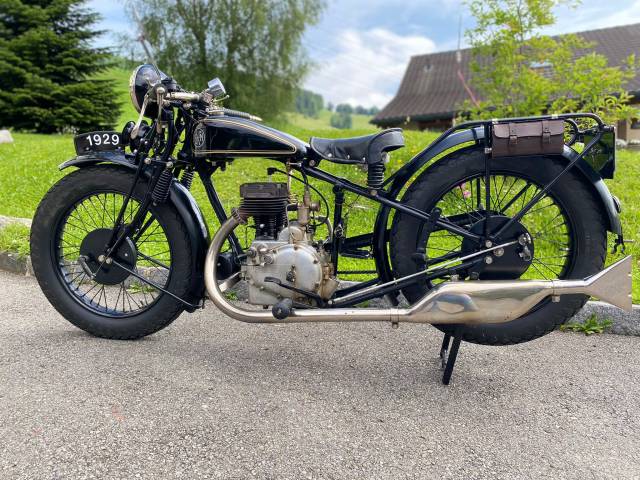
1929 | FN M 70
M 70B

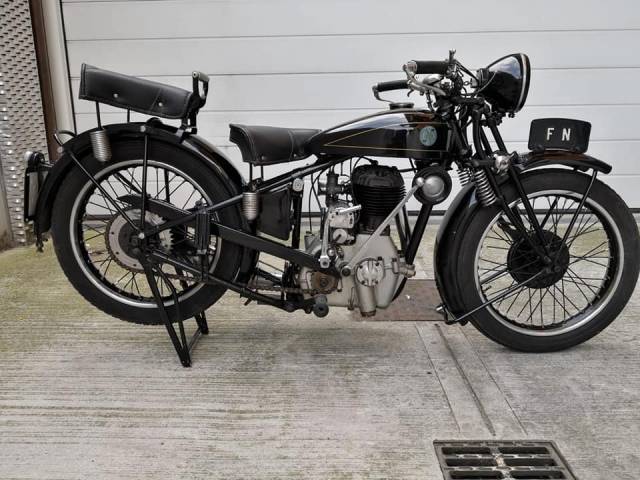
1931 | FN M 90
FN 500 M90 - 1931

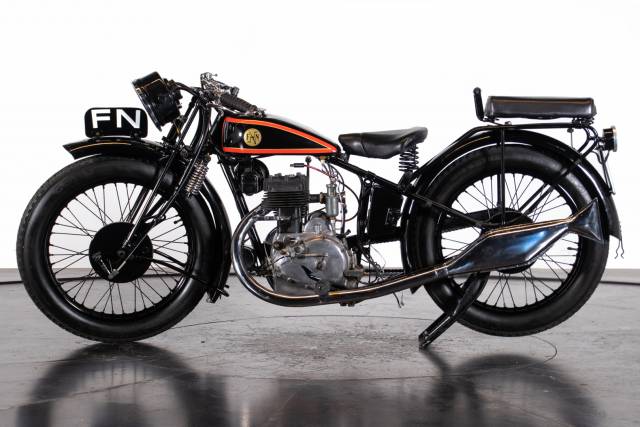
1935 | FN 350
-
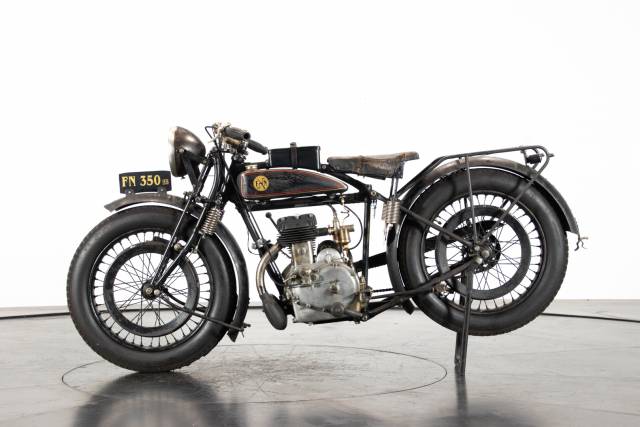
1927 | FN M 70 Sahara
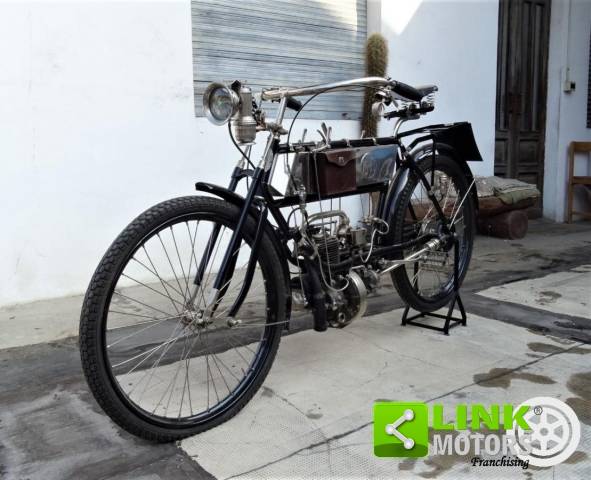
1911 | FN 285T
MOTO FN 285T DELUXE VITESSE ANNO 1909
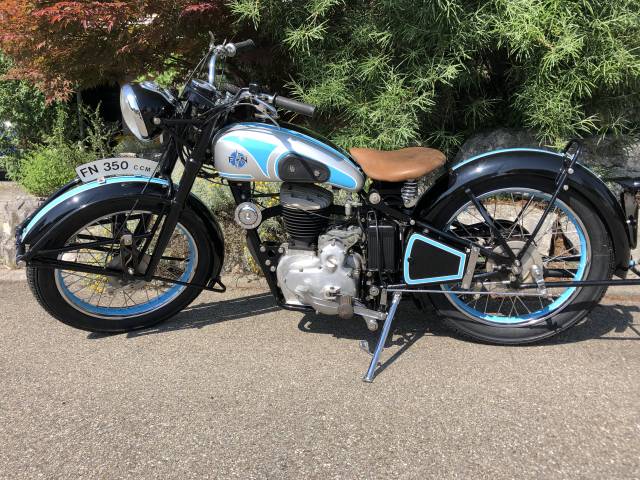
1950 | FN XIII 350
FN M13

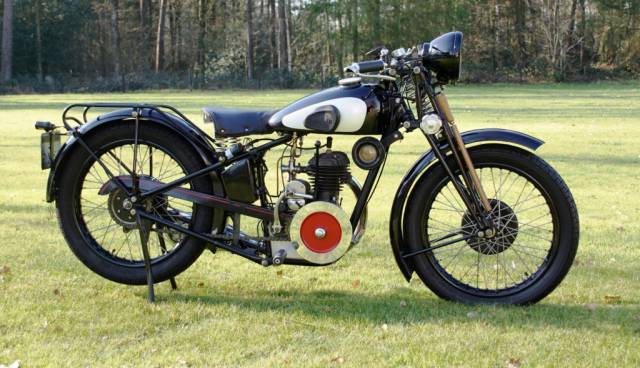
1935 | FN M 70
FN 350cc M70 Deluxe 1935 350cc

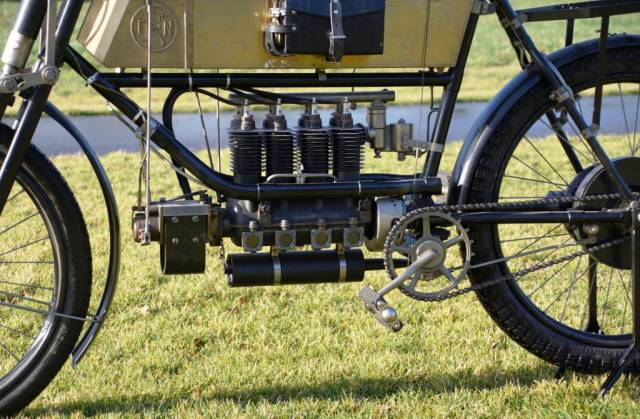
1906 | FN 4 HP
FN 1906 367 cc 4 cyl aiv beautiful original four cilinder
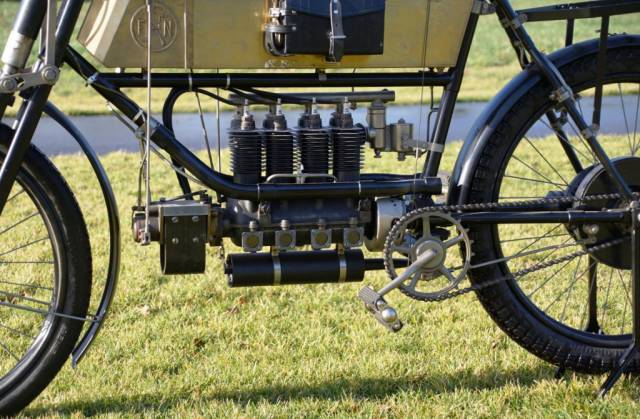
1906 | FN 4 HP
FN 1906 367 cc 4 cyl aiv
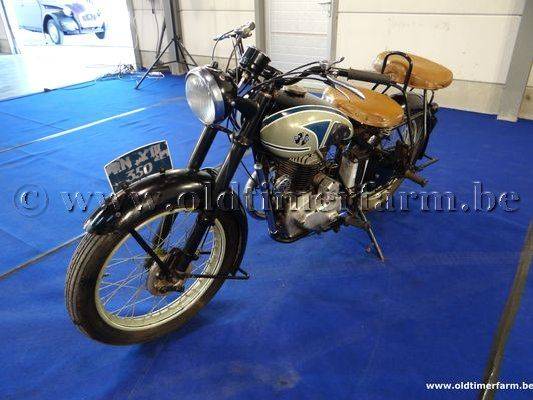
1955 | FN XIII 350
1955 FN Moto Model 13 '55

Create search alert
Let yourself be notified as soon as a listing is published that matches your search filters.
History & Heritage
Fabrique Nationale d'Armes de Guerre (FN) of Herstal, Belgium, is a name that resonates with both military historians and vintage motorcycle enthusiasts. Founded in 1889 to manufacture Mauser rifles, the company diversified into bicycle production before venturing into the burgeoning world of motorised transport at the turn of the century. The transition from weapons of war to precision-engineered motorcycles allowed FN to apply a level of manufacturing quality that few contemporary makers could match.
The journey began in 1901 with a 133cc single-cylinder motorized bicycle. However, it was the arrival of the gifted engineer Paul Kelecom that propelled FN into the global spotlight. In 1905, Kelecom unveiled the FN Four, a machine that changed the trajectory of motorcycle design. It was the world’s first mass-produced inline four-cylinder motorcycle, featuring a smooth-running engine and a sophisticated shaft-drive system at a time when most competitors relied on vibrating single-cylinders and unreliable leather belts.
By 1908, FN was already a global brand, exporting machines as far as Australia, where the vast distances and challenging terrain demanded the reliability that Belgian engineering promised. The FN Four evolved through various displacements—362cc, 412cc, 498cc, and eventually the powerful 748cc model in 1914. Its smooth power delivery made it a favourite for long-distance touring, and it even saw success at the Isle of Man TT, where R.O. Clark rode a 350cc Four to third place in 1908.
Following the First World War, FN shifted its focus toward robust single-cylinder models that were better suited to the economic realities of the 1920s. The M60 and the legendary M67 were born during this era. The M67 earned the nickname "Sahara" after a trio of machines completed an arduous 8,800-kilometre trek across the African continent in 1926. This feat of endurance cemented the brand's reputation for ruggedness, a trait that made them particularly suitable for the harsh, unsealed roads of early 20th-century Australia.
In the 1930s, FN continued to innovate with the M86 and M90 models. The M86, often equipped with OHV (Overhead Valve) engines, was a high-performance machine available in 500cc and 600cc versions. These bikes were popular with both civilian riders and military forces across Europe. During this time, FN also experimented with high-performance racing machines, setting multiple world records and achieving Grand Prix success.
The post-WWII era saw FN struggle to adapt to the rapidly changing motorcycle market. While they produced capable machines like the M13 with its distinctive trailing-link front suspension and the M22 cross models, the rise of Japanese manufacturers and the decline of the Belgian motorcycle industry eventually took their toll. FN ceased motorcycle production in 1967, returning its full focus to its original armament roots. Today, the few surviving FN motorcycles are cherished as masterpieces of early 20th-century engineering, with a strong following in the Australian vintage motorcycle community.
Highlights & Technical Innovations
The FN Four: A Technical Revelation
The FN Four remains the crowning achievement of the brand. Its introduction in 1905 was as significant then as the launch of the Honda CB750 was in 1969. While other manufacturers were struggling to make single-cylinder engines reliable, FN delivered a multi-cylinder engine that offered unprecedented refinement. The engine featured a five-bearing crankshaft, an automatic (atmospheric) inlet valve system, and a Bosch magneto ignition. The use of a shaft drive was a stroke of genius, providing a clean, low-maintenance alternative to the greasy chains and slipping belts of the era.
The "Sahara" Endurance Legacy
The M67 "Sahara" proved that FN motorcycles were more than just delicate engineering exercises; they were incredibly tough. The 1926 African expedition was a masterclass in marketing through performance. For Australian buyers, who often dealt with similar dust, heat, and isolation, the "Sahara" name became a symbol of a bike that would never let you down in the outback.
Military Precision
FN's background as a weapons manufacturer meant that their tolerances were exceptionally tight. This "military-grade" construction is evident in every casting and fitting of a pre-war FN. The M86 was particularly noted for its strength, leading to its widespread use by various European armies. Collectors today value this over-engineered quality, which often means that even barn-find FNs can be restored to their former glory with enough patience.
Trailing-Link Suspension
In the post-war years, the M13 stood out due to its unusual front-end geometry. The trailing-link fork design was intended to provide superior comfort and handling on the bomb-damaged roads of Europe. While it looked unconventional, it offered a unique riding character that separated FN from the more traditional British and American designs of the time.
Technical Data
The following table outlines the technical specifications of some of the most significant FN models found in the collector market.
Market Overview & Buying Guide
The market for FN motorcycles in Australia is small but dedicated. Unlike the ubiquitous Triumphs or Nortons, an FN is a rare sight at local rallies, often garnering significant attention due to its Belgian origins and technical quirks.
Pricing and Availability
Finding an FN for sale in Australia usually requires keeping a close eye on specialized auctions like Shannons or Donington Auctions, or networking through the Veteran and Vintage Chevrolet Club of Australia (which often includes early motorcycle enthusiasts) and the Antique Motorcycle Club of America (Australian Chapter).
- FN Four (Early Models): These are among the most valuable vintage motorcycles globally. Expect to pay anywhere from A$40,000 for a project to over A$80,000 for a concours-level early 362cc or 412cc machine. Recent international sales have seen exceptional 750cc models exceed A$100,000.
- M67 "Sahara" and M70: These 1920s singles are more accessible. A good, running M70 might fetch between A$15,000 and A$25,000, while the more desirable "Sahara" models can push toward A$35,000 if they have documented history.
- M86 and M90: The 500cc pre-war singles are highly sought after by those who actually want to ride their vintage bikes. Prices generally range from A$18,000 to A$30,000.
- Post-War Models: The M13 and M22 are the most affordable entry points into FN ownership, often appearing between A$8,000 and A$15,000.
What to Look For (Inspection Tips)
- Engine Condition (The Four): The early Four-cylinder engines are complex. Check for cracks in the crankcase and signs of "white metal" bearing failure. Parts for these engines are not available off the shelf; any major repair will involve custom machining.
- Magneto and Carburation: Most FNs used Bosch magnetos and AMAC or Zenith carburettors. Ensure these are original or period-correct replacements. A modern electronic ignition hidden inside a magneto body is a common and acceptable modification for a "rider" bike but may slightly detract from the value of a pure show bike.
- The Shaft Drive: On the Four, inspect the bevel gears and the universal joints. Any excessive play or grinding noises indicate expensive internal wear.
- Authenticity: Given FNs were exported globally, many have been modified over the decades to keep them running. Check frame and engine numbers against factory records (available through Belgian enthusiast groups) to ensure the machine is not a "bitza" (composed of bits and pieces from different models).
- Australian History: Bikes with an original Australian delivery history (often evidenced by old registration plates or dealer transfers) command a premium in the local market.
Parts and Support in Australia
Shipping parts from Europe is a reality for the FN owner. However, the vintage motorcycle scene in Australia is resourceful. There are specialist machinists in Melbourne and Sydney who are well-versed in reviving pre-war European machinery. Joining the Section Belge of the Veteran Car Club or similar international registries is essential for obtaining technical manuals and advice.
Performance & Riding Experience
Riding an FN is an exercise in time travel. The experience varies wildly depending on whether you are astride a pre-war Four or a post-war single.
The Seidige Power of the Four
Operating an FN Four requires a different mindset. There is no "twist and go" here. You must manage the manual spark advance, the throttle, and, on early models, a single-speed drive. The engine note is unique—a delicate, sewing-machine-like hum that is far removed from the thumping beat of a contemporary V-twin. Once underway, the lack of vibration is startling. It feels remarkably modern in its smoothness, though the primitive brakes and rigid rear end quickly remind you of the bike’s age. It is a machine for gentle Sunday cruises on flat, quiet roads.
The Rugged Single
The M67 and M86 singles offer a much more visceral experience. These are "proper" vintage bikes with plenty of torque and a satisfying mechanical clatter. The M86, in particular, has enough power to keep up with modern suburban traffic, though its girder forks and narrow tyres require a cautious approach to cornering. The riding position is typically "sit-in" rather than "sit-on," providing a low centre of gravity that makes the bike feel stable and planted.
Handling Australian Conditions
In the Australian context, cooling is a primary concern. The early air-cooled FNs can struggle in the intense heat of a Queensland or Western Australian summer. Owners often prefer to ride in the cooler early morning hours. The shaft drive models are particularly appreciated in dusty environments as the enclosed drive system is protected from the grit that can quickly destroy an exposed chain.
Design & Aesthetics
The design philosophy of FN can be summarised in one word: Elegance. Even their most utilitarian military machines possess a certain Belgian flair that balances form and function.
The "Golden" Era
The early FN Fours are aesthetic masterpieces. The contrast between the black-painted frames, the polished brass fuel tanks, and the intricate maze of copper oil lines makes them a favourite for display in living rooms and museums. The long, slender silhouette of the four-cylinder engine sitting longitudinally in the frame creates a sense of speed and purpose even when stationary.
The Evolution of the Single
As the brand moved into the 1920s and 30s, the designs became more muscular. The "Sahara" models introduced a more rugged look, with larger fuel tanks and sturdier frames. The transition from flat-tank designs to saddle tanks followed the general trend of the era, but FN managed to retain a slim profile. The use of high-quality finishes, including deep enamelling and heavy chrome (on later models), reflected the company's commitment to quality.
Functional Beauty
Even the small details on an FN are noteworthy. The control levers, the foot-pegs, and the tank badges often carry the FN logo (a crossed rifle and shuttle), a constant reminder of the brand's diverse industrial heritage. For the Australian collector, an FN is often chosen specifically because it looks "different" from the sea of British bikes, offering a unique European aesthetic that stands out in any collection.
Summary
FN occupies a unique niche in the motorcycle world. As the manufacturer of the first production four-cylinder machine, its place in the hall of fame is secure. For the Australian buyer, owning an FN is a statement of appreciation for pioneering engineering and European craftsmanship.
While the challenges of parts availability and the need for specialized maintenance cannot be ignored, the rewards of FN ownership are significant. Whether it is the smooth, sophisticated glide of an early Four or the relentless, desert-conquering spirit of an M67 "Sahara", these motorcycles offer a riding experience that is both intellectually stimulating and emotionally rewarding.
In a market often dominated by more common brands, the Fabrique Nationale stands as a testament to a time when Belgian engineers led the world in two-wheeled innovation. For those with the patience to find one and the skill to maintain it, an FN is more than just a motorcycle—it is a functional piece of industrial art that continues to captivate nearly a century after it left the factory in Herstal. Finding an FN on Classic Trader is the first step toward joining an elite group of enthusiasts who appreciate the very best of the "Brass" and "Vintage" eras.
Looking to buy an FN motorcycle? Browse our current listings to find your next project or concours-ready machine. Our marketplace connects Australian collectors with the best vintage motorcycles from around the globe.
(Word count: ~2150 words)